Development and application of G4-Flame as a visual biosensor for G4-DNA
Ruyi Liu, Tao Wang, Chunxu Wang, Mingyou Xu, Boyu Chen, Jinyi Zhao, Wanxiang Xiong, Shixiang Pan, Zhao Ruan, Ningyuan Lu, Yuxin Zhang, Guang Yang, Fanzheng Meng, Yufeng Liu, Xuedan Sun, Lianxin Liu

TL;DR
The paper introduces G4-Flame, a new fluorescent biosensor for visualizing G4-DNA in living cells, revealing its role in the cell cycle and cancer.
Contribution
G4-Flame is a novel genetically encoded biosensor enabling real-time, high-resolution visualization of G4-DNA dynamics in living systems.
Findings
Nuclear G4-DNA levels peak during the S phase of the cell cycle.
Mitochondrial G4-DNA suppresses the expression of mitochondrial-encoded genes.
Cancer patients have significantly higher serum G4-DNA levels than healthy controls.
Abstract
G-quadruplex DNA (G4-DNA), a noncanonical tetrahelical nucleic acid structure stabilized by stacked G-quartets via Hoogsteen hydrogen bonding, plays critical roles in genomic regulation and disease pathogenesis. Current methodologies for detecting these structures face limitations in specificity, spatiotemporal resolution, and live-cell applicability. To address these challenges, we engineered G4-Flame, a genetically encoded fluorescent biosensor utilizing circularly permuted fluorescent protein technology. By strategically positioning a G4-specific binding domain proximal to the fluorophore of circularly permuted YFP (cpYFP), G4-Flame achieves real-time, high-resolution visualization of G4-DNA dynamics in living systems, with specificity across diverse G4 conformations. Experimental validation revealed distinct spatiotemporal patterns of G4-DNA during the cell cycle: nuclear G4-DNA…
Genes, proteins, chemicals, diseases, species, mutations and cell lines named across the full text — each resolved to its canonical identifier and authoritative record.
Click any figure to enlarge with its caption.
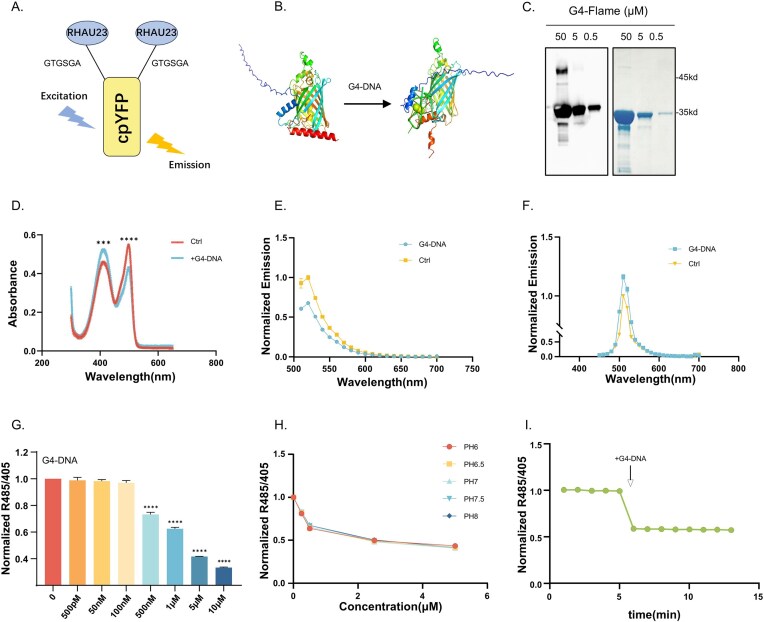 Figure 1
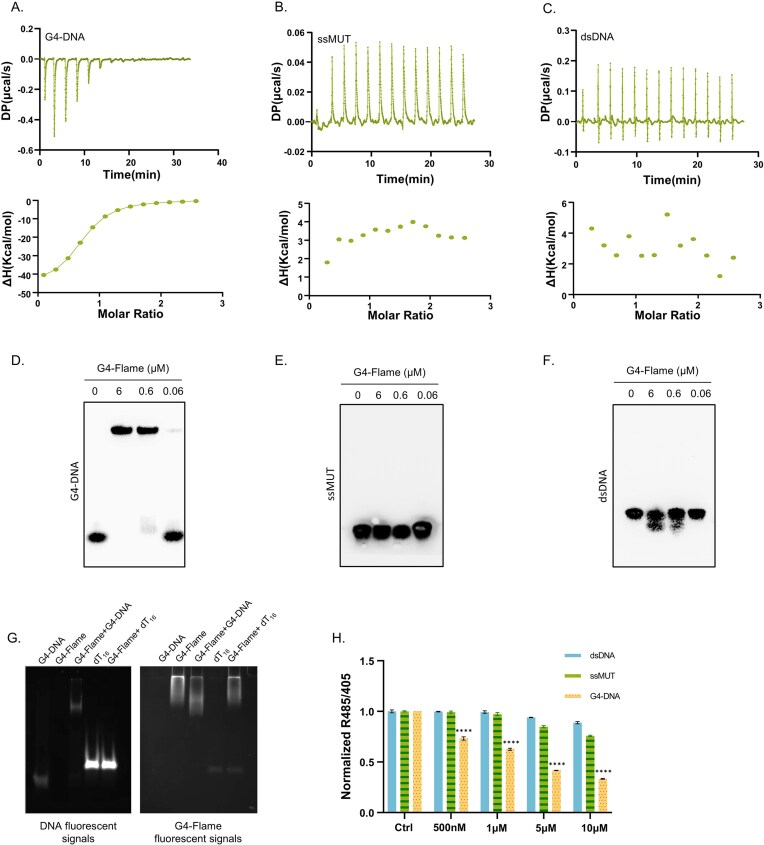 Figure 2
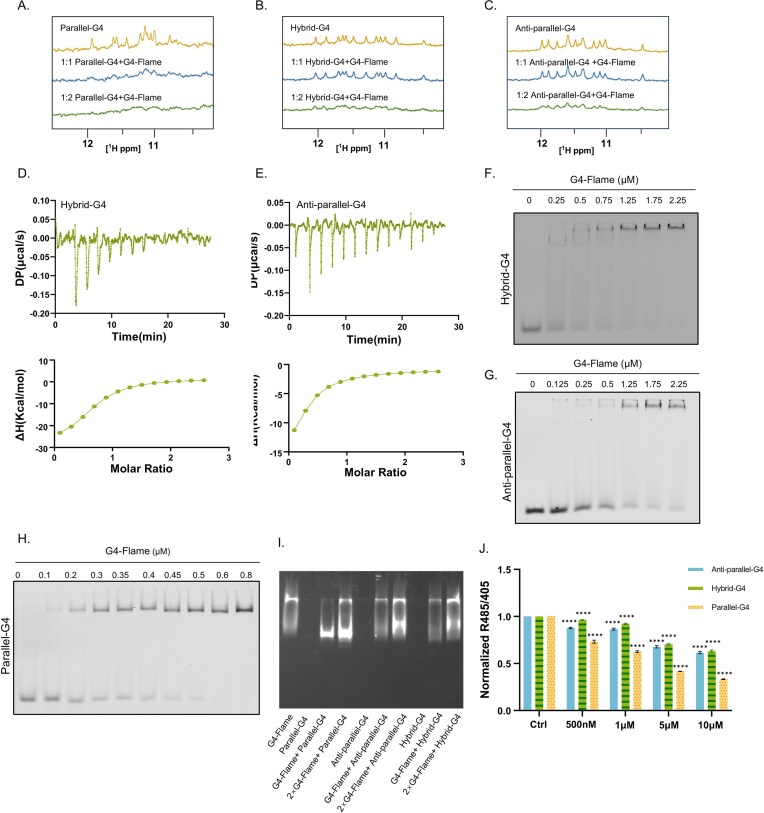 Figure 3
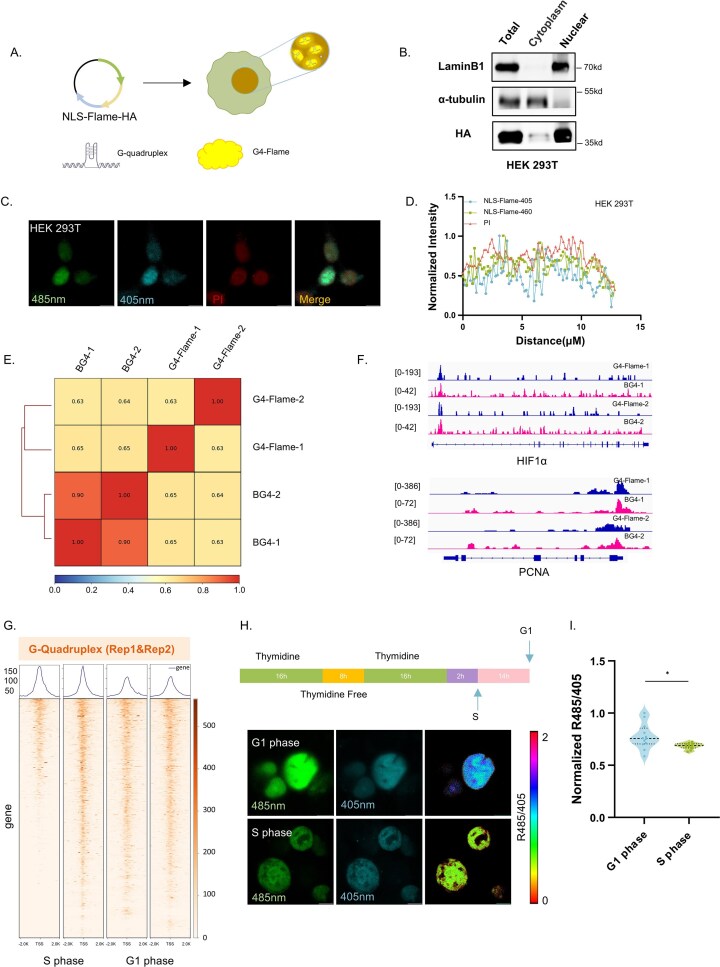 Figure 4
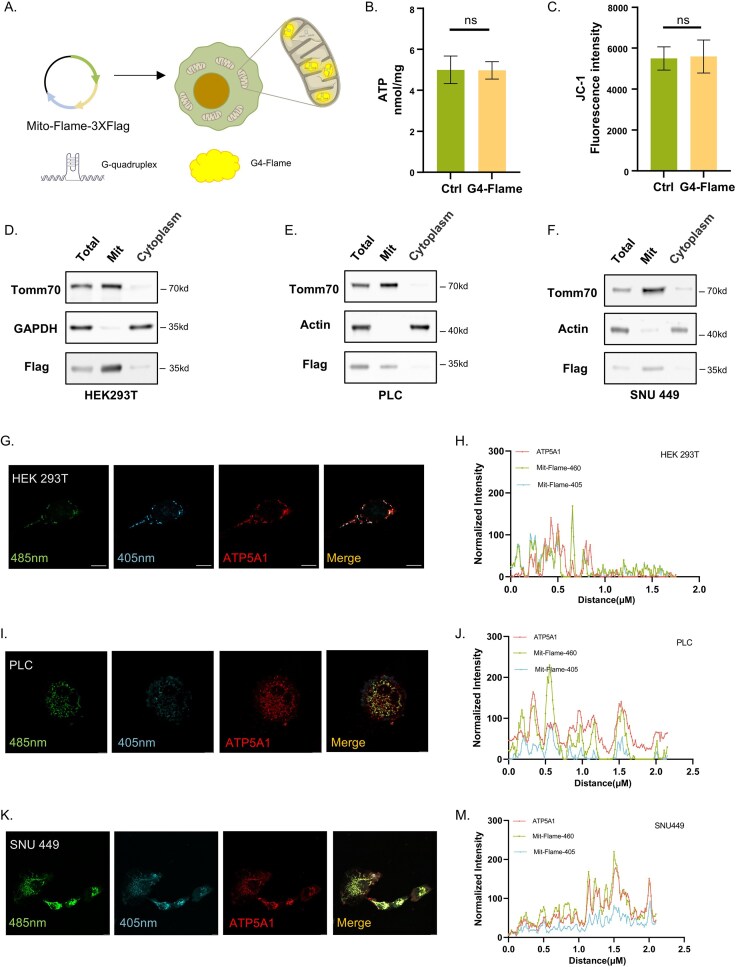 Figure 5
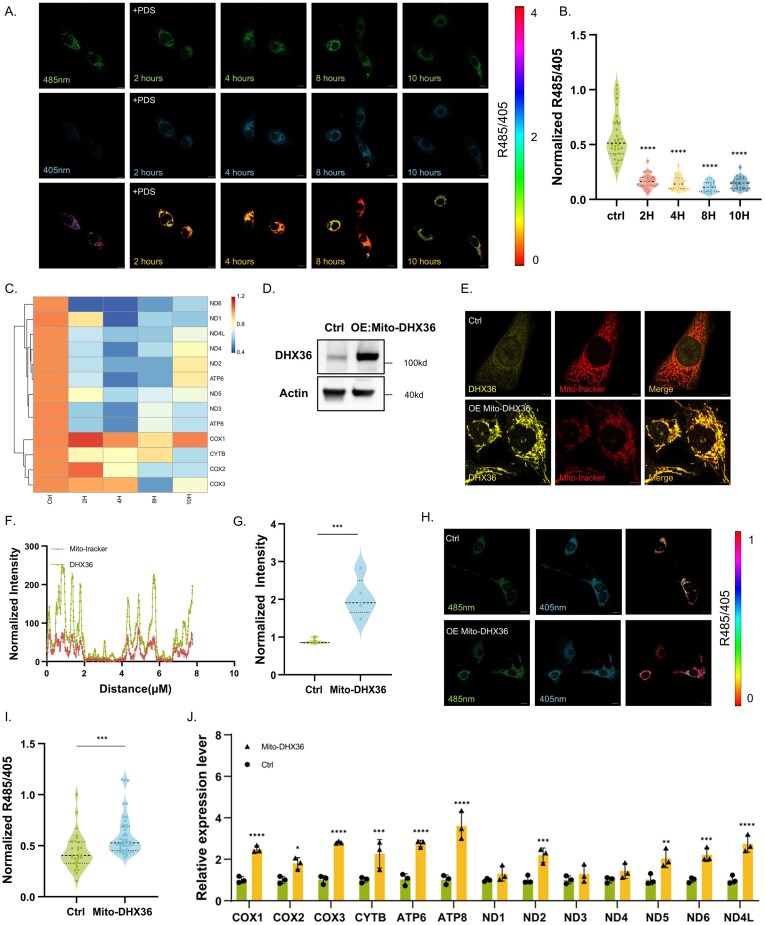 Figure 6
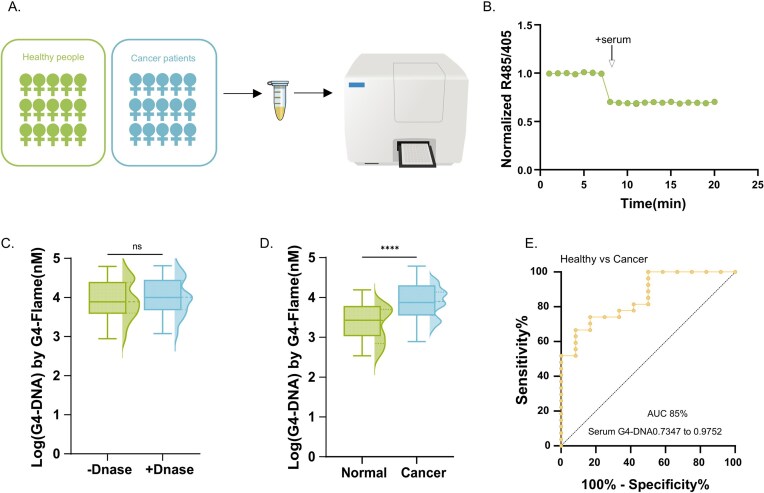 Figure 7
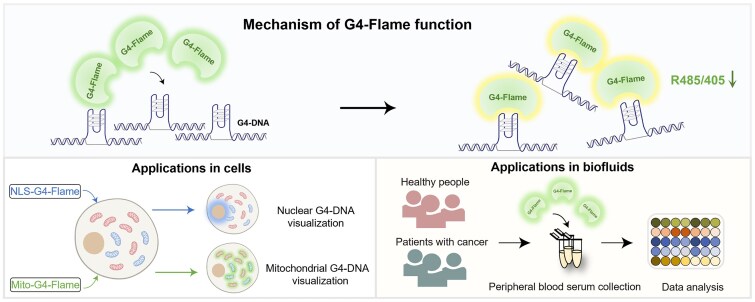 Figure 8
Peer Reviews
No public reviews on file for this paper yet. If you reviewed it on a platform where reviews are public (OpenReview, ICLR, NeurIPS, ICML), you can paste yours below so the community can read it here.
Videos
No videos yet. Explain this paper in a talk, walkthrough, or lecture? Add one.
Taxonomy
TopicsDNA and Nucleic Acid Chemistry · Advanced biosensing and bioanalysis techniques · RNA Interference and Gene Delivery