Personalized positive-end expiratory pressure using electrical impedance tomography in ARDS patients: a systematic review and meta-analysis
Michela Rauseo, Danila Azzolina, Gaetano Scaramuzzo, Mohd Rashid Khan, Paolo Vetuschi, Francesco Paolo Padovano, Antonello Discenza, Lucia Distaso, Lucia Mirabella, Antonella Cotoia, Savino Spadaro, Gilda Cinnella

TL;DR
Using electrical impedance tomography to adjust PEEP in ARDS patients improves oxygenation and lung compliance, offering a more personalized ventilation strategy.
Contribution
This study provides the first systematic review and meta-analysis showing EIT-guided PEEP improves physiological outcomes in ARDS.
Findings
EIT-guided PEEP increases PaO2/FiO2 ratio by 60.81 (low heterogeneity).
Respiratory system compliance improves by 6.81 mL/cm H2O with EIT-guided PEEP.
No significant differences in driving pressure, mechanical power, or mortality between groups.
Abstract
•EIT-guided PEEP titration improves oxygenation in patients with ARDS.•Individualized PEEP adjustment using EIT increases respiratory system compliance.•Electrical impedance tomography allows bedside, real-time assessment of lung mechanics.•EIT-guided ventilation supports physiologically individualized PEEP optimization in ARDS. EIT-guided PEEP titration improves oxygenation in patients with ARDS. Individualized PEEP adjustment using EIT increases respiratory system compliance. Electrical impedance tomography allows bedside, real-time assessment of lung mechanics. EIT-guided ventilation supports physiologically individualized PEEP optimization in ARDS. Personalized mechanical ventilation strategies can improve outcomes in patients with Acute Respiratory Distress Syndrome (ARDS). However, the optimal method for titrating positive end-expiratory pressure (PEEP) remains controversial.…
Genes, proteins, chemicals, diseases, species, mutations and cell lines named across the full text — each resolved to its canonical identifier and authoritative record.
Click any figure to enlarge with its caption.
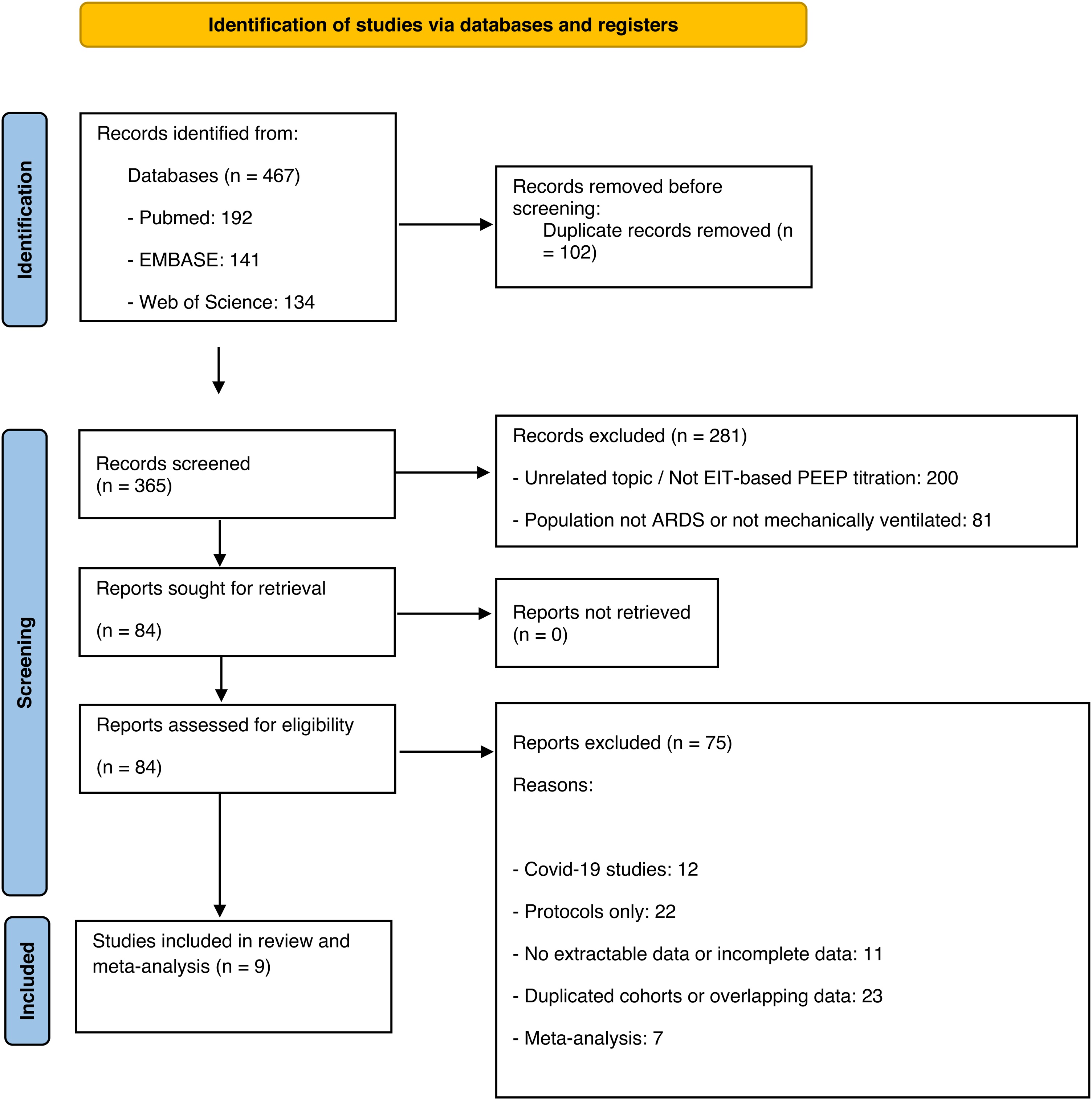 Figure 1
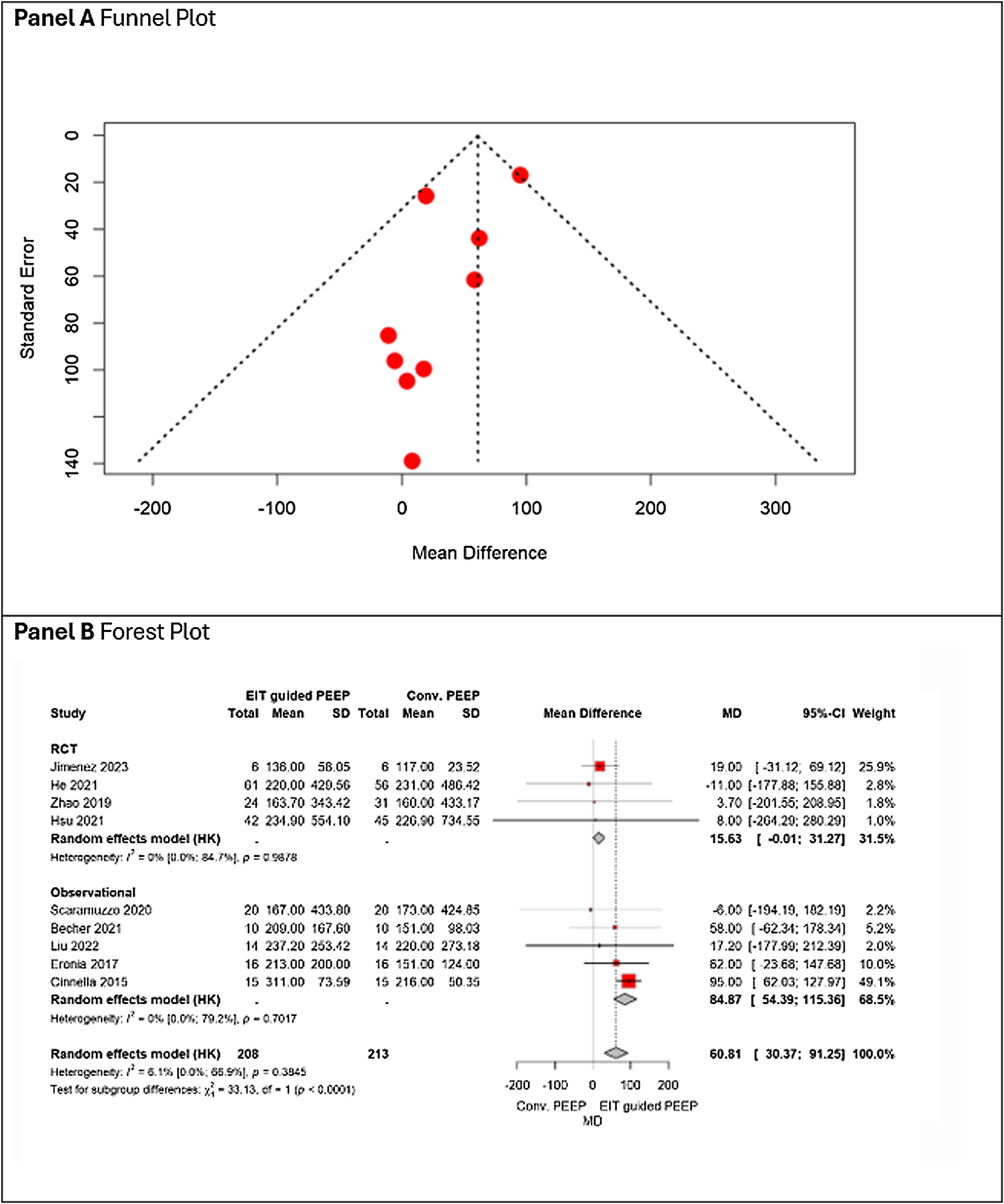 Figure 2
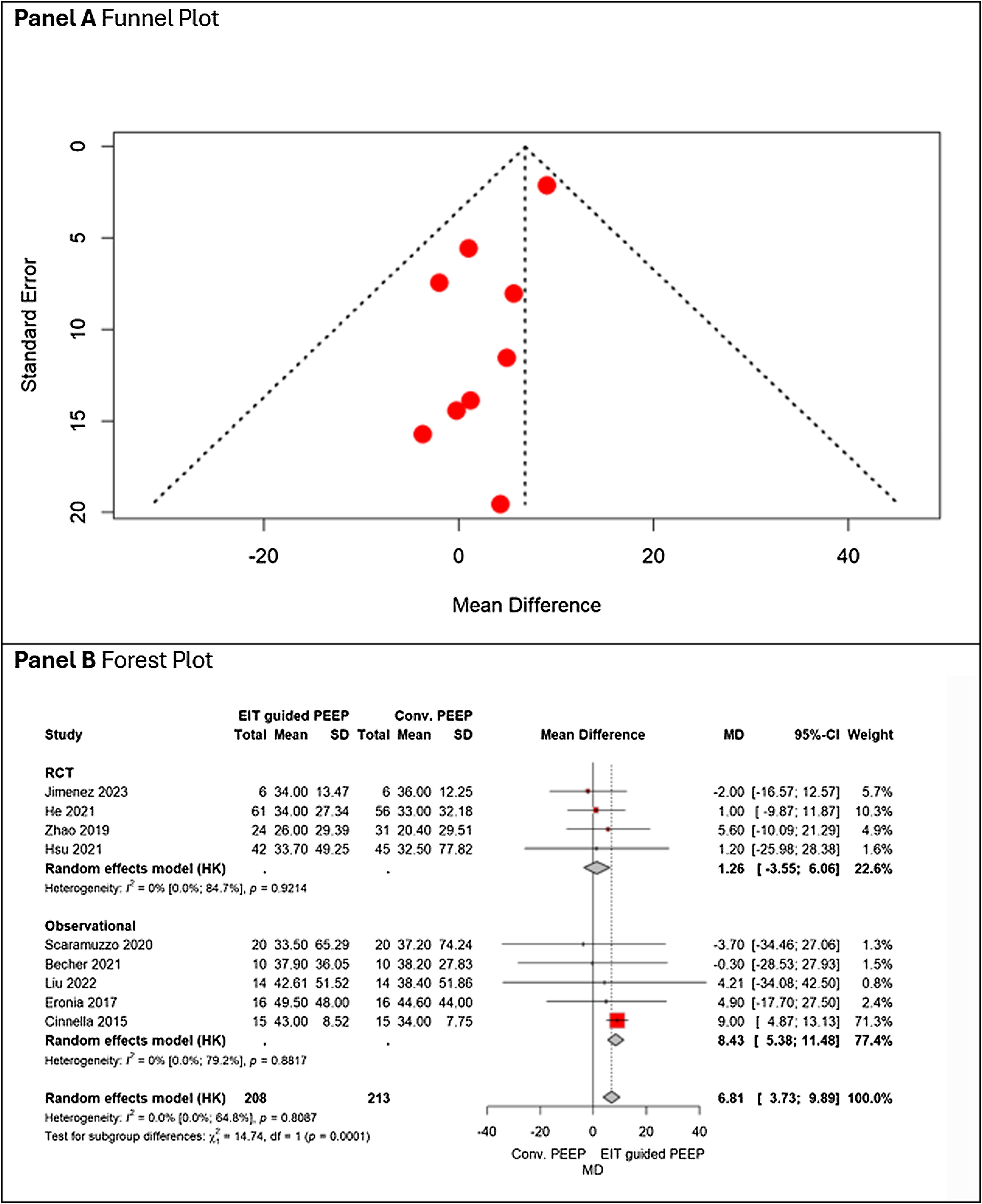 Figure 3
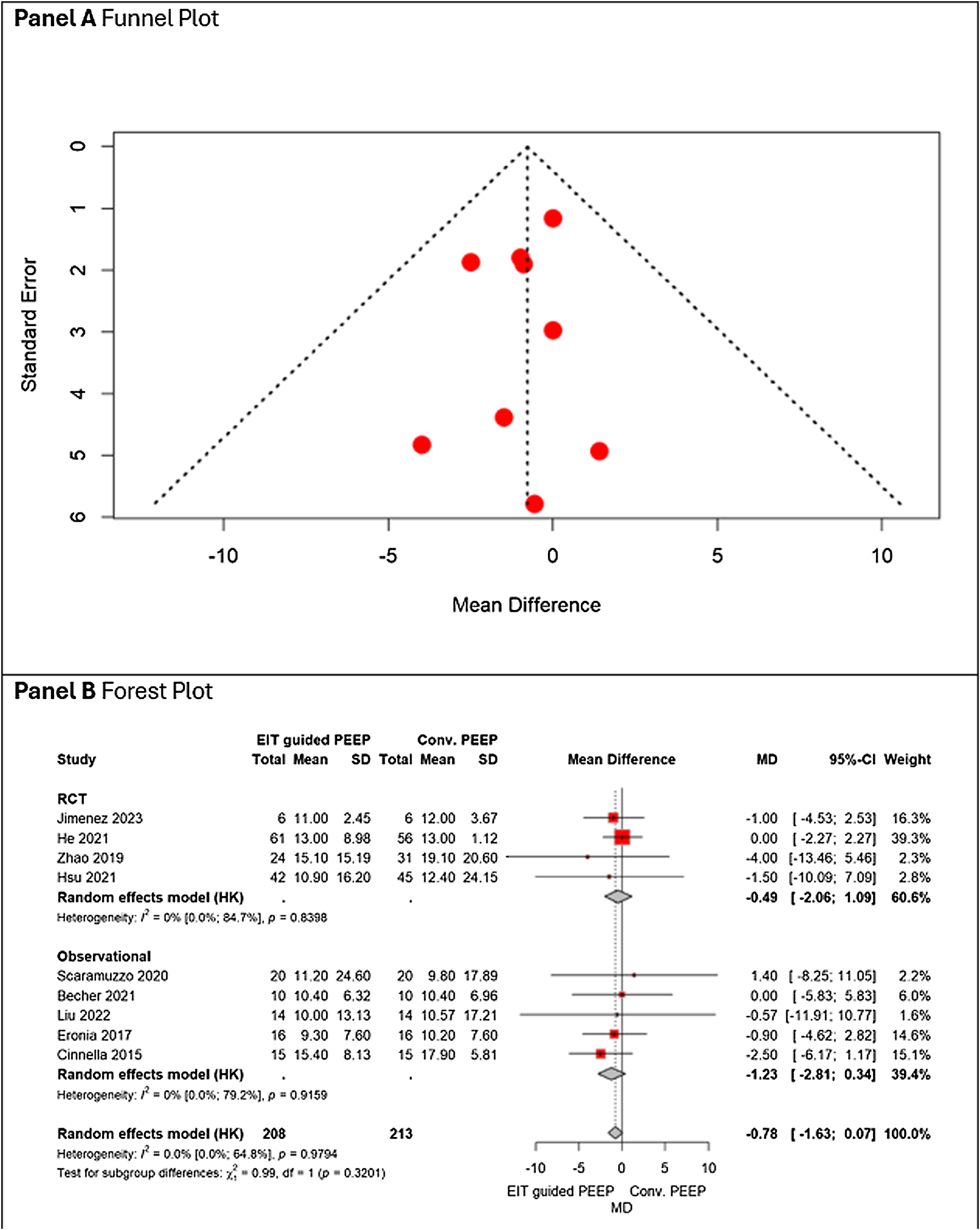 Figure 4
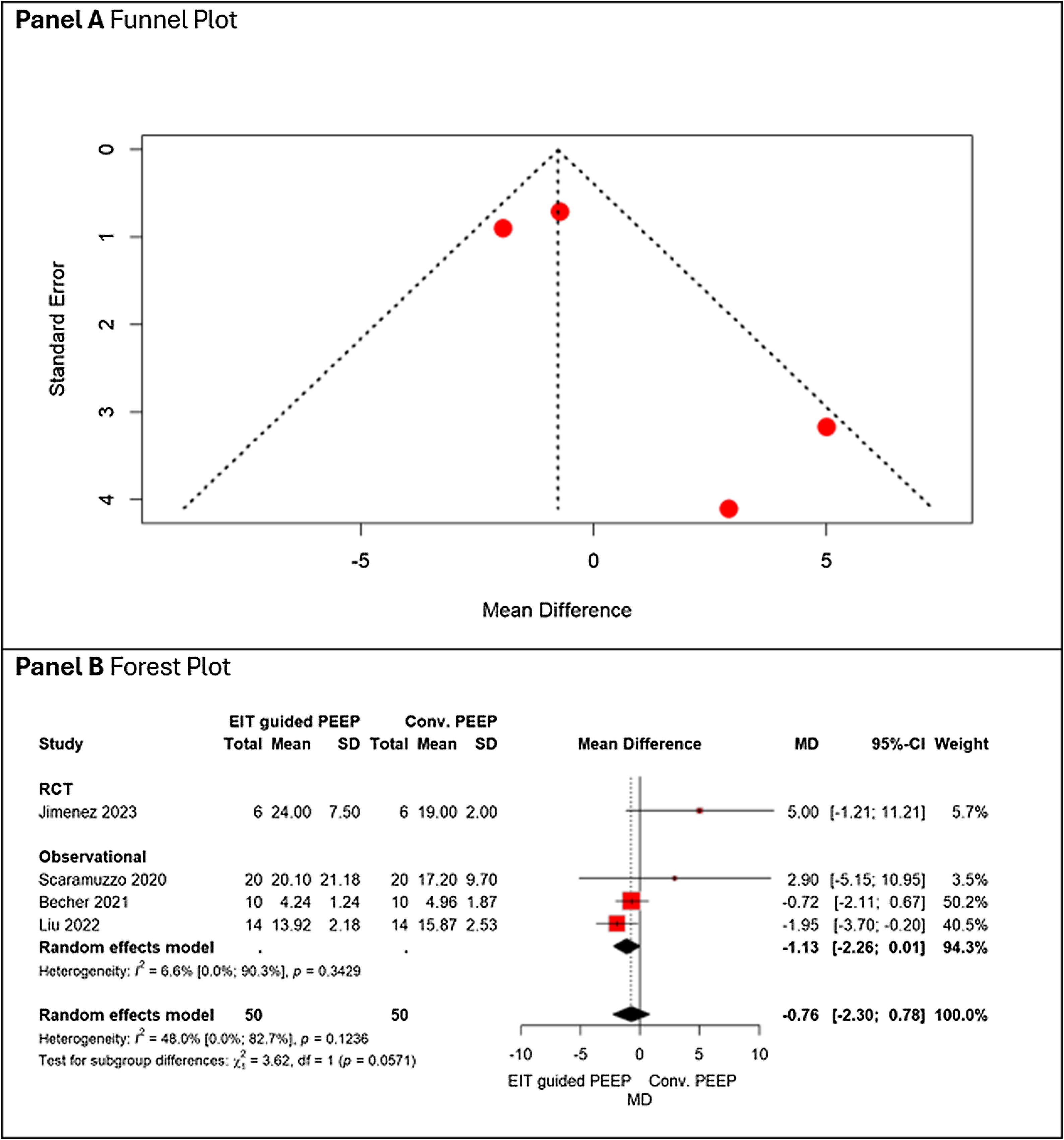 Figure 5
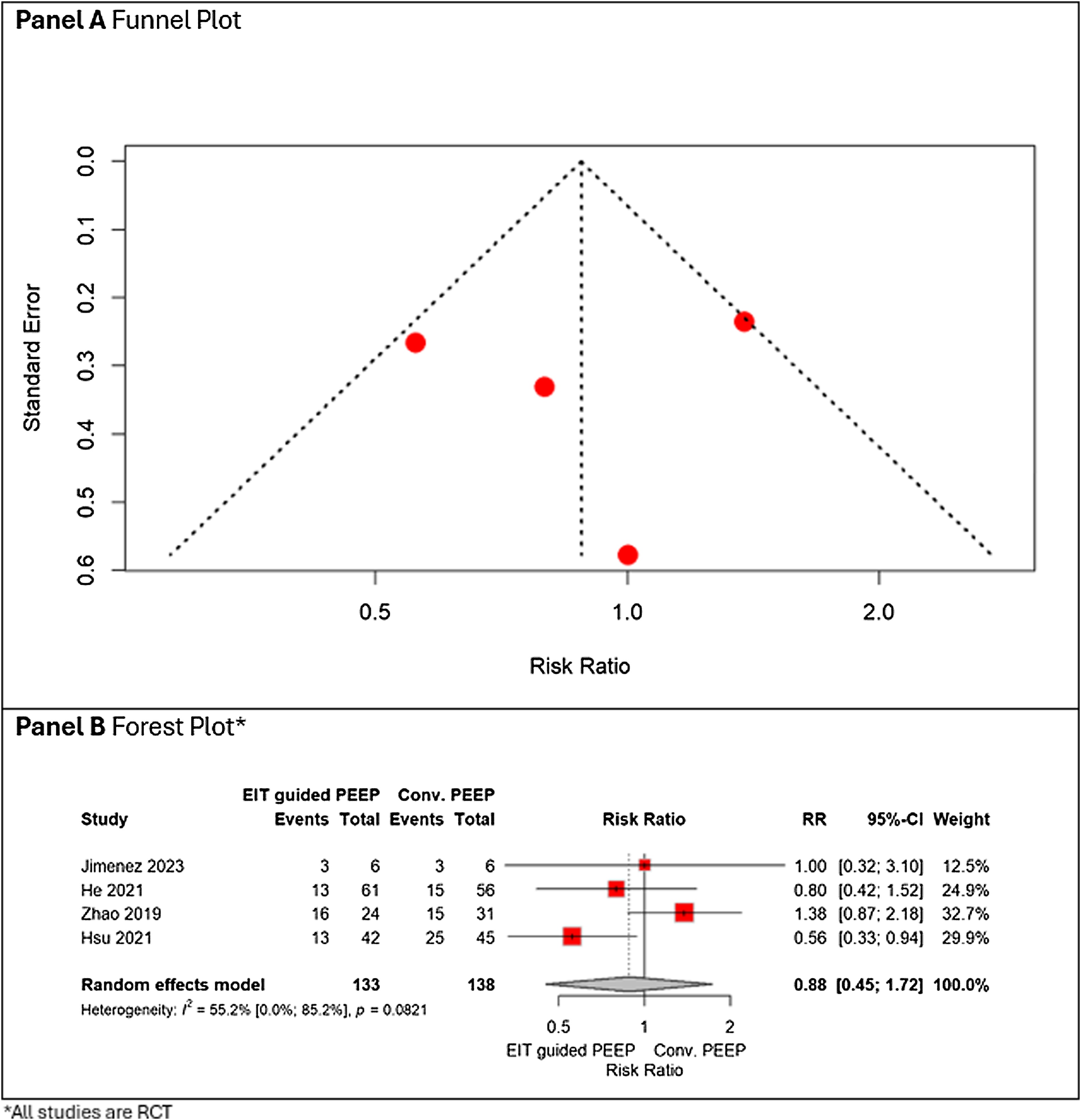 Figure 6
Peer Reviews
No public reviews on file for this paper yet. If you reviewed it on a platform where reviews are public (OpenReview, ICLR, NeurIPS, ICML), you can paste yours below so the community can read it here.
Videos
No videos yet. Explain this paper in a talk, walkthrough, or lecture? Add one.
Taxonomy
TopicsRespiratory Support and Mechanisms · Neonatal Respiratory Health Research · Inhalation and Respiratory Drug Delivery