New insights into the treatment of nasopharyngeal carcinoma in children, adolescents, and young adults: a retrospective study
Mengwei Ren, Jing Tian, Mengyuan Han, Shiran Sun, Kai Wang, Runye Wu, Meng Yuan, Junlin Yi, Fei Ma, Sidan Li

TL;DR
This study examines treatment outcomes for young patients with advanced nasopharyngeal cancer, finding that certain chemotherapy combinations and radiotherapy improve responses and survival.
Contribution
The study provides new insights into treatment efficacy and safety in children and young adults with nasopharyngeal carcinoma through a large retrospective analysis.
Findings
TPF and GP induction chemotherapy regimens showed higher objective response rates compared to TP.
Combining ICIs with chemotherapy improved objective response rates but not survival in the short follow-up period.
CCRT and anti-EGFR therapy improved progression-free and metastasis-free survival in patients with partial response.
Abstract
To evaluate the efficacy, safety, and survival impacts of diverse induction chemotherapy regimens (including combination therapy with immune checkpoint inhibitors [ICIs]), radiotherapy modalities, and consolidation therapy in children, adolescents, and young adults (CAYA) with locally advanced or metastatic nasopharyngeal carcinoma (NPC). This multicenter retrospective study analyzed 102 CAYA NPC patients (aged 6–24 years; stage III–IVB) from two Chinese centers (January 2011–October 2024). All received induction therapy followed by concurrent chemoradiotherapy (CCRT), radiotherapy combined with concurrent anti-EGFR therapy, or radiotherapy alone, with select cases receiving consolidation (median follow-up: 22 months). GP and TPF induction achieved higher objective response rates (ORR) vs. TP (GP: 68.0% vs. TP: 31.6%, P = 0.005; TPF: 89.5% vs. TP: 68.0%, P < 0.001), though no…
Genes, proteins, chemicals, diseases, species, mutations and cell lines named across the full text — each resolved to its canonical identifier and authoritative record.
Click any figure to enlarge with its caption.
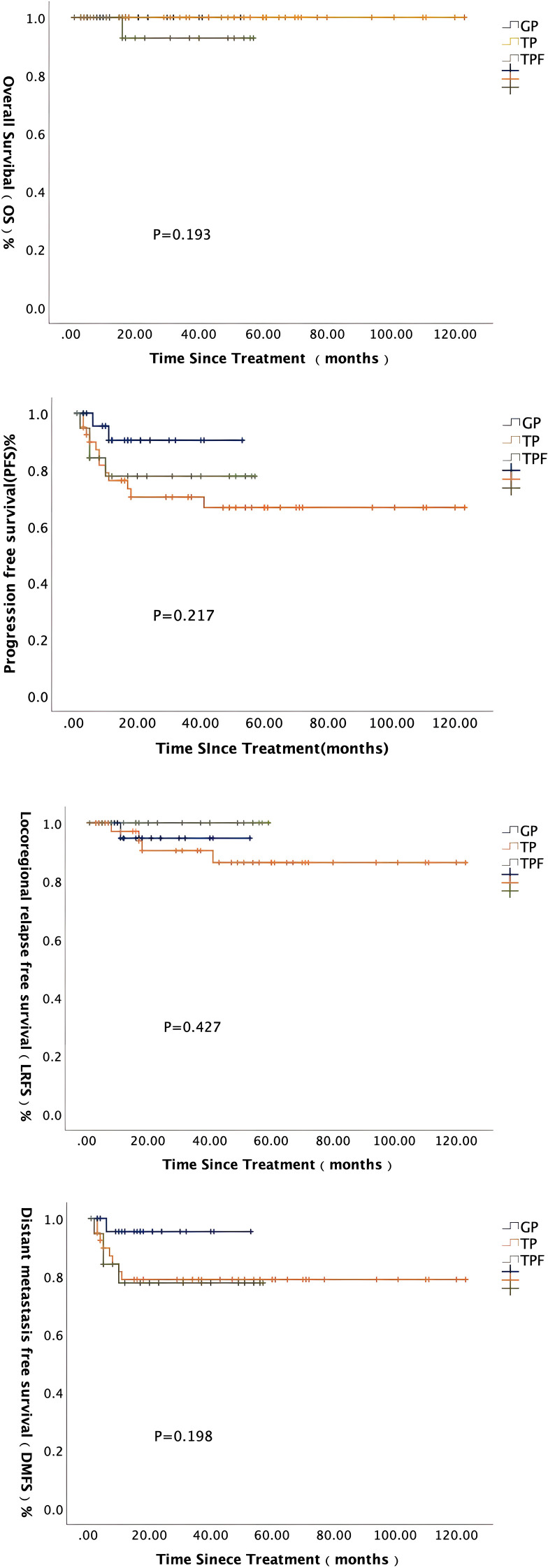 Figure 1
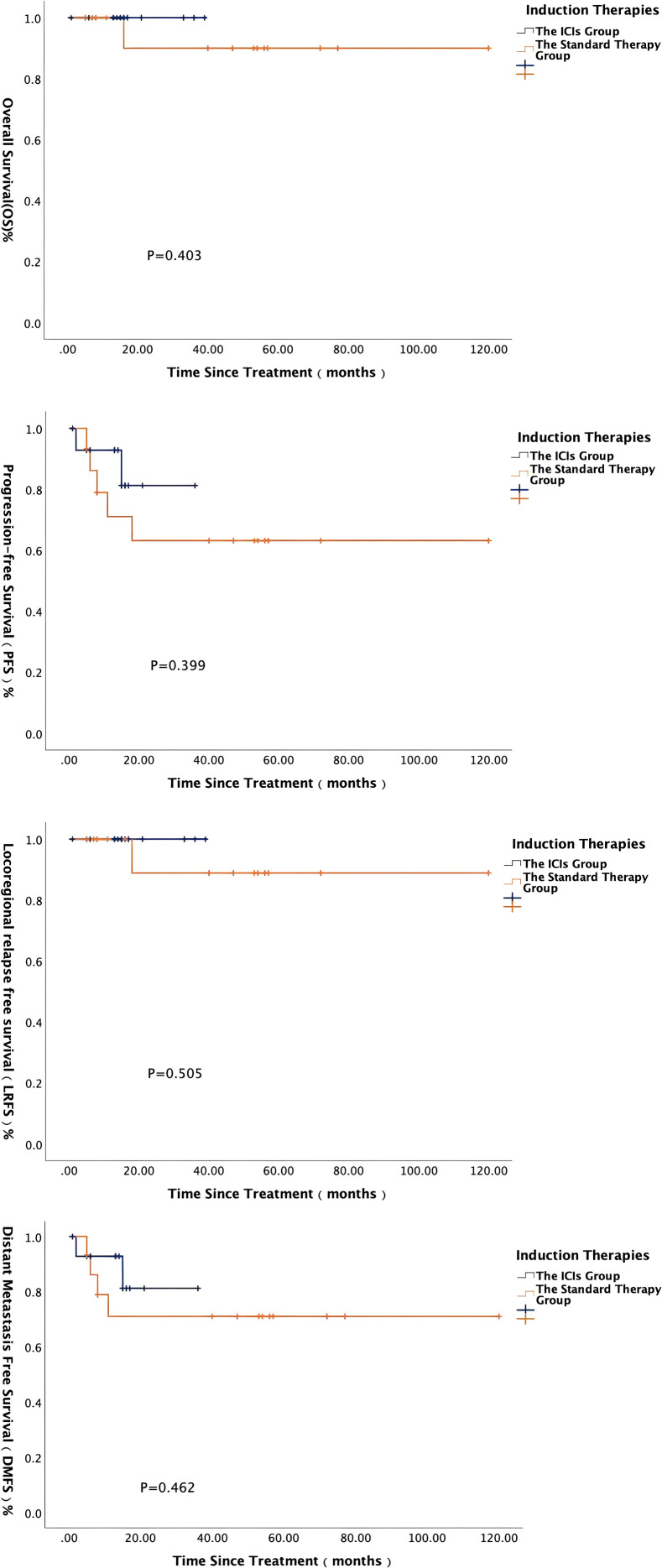 Figure 2
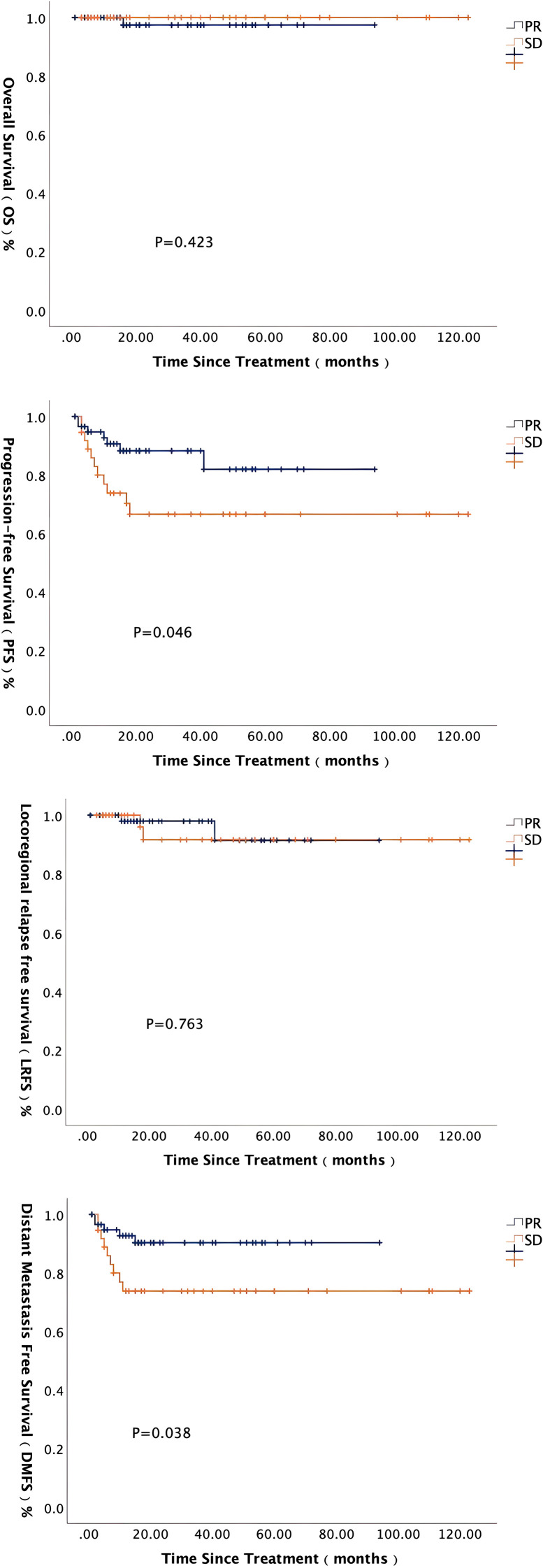 Figure 3
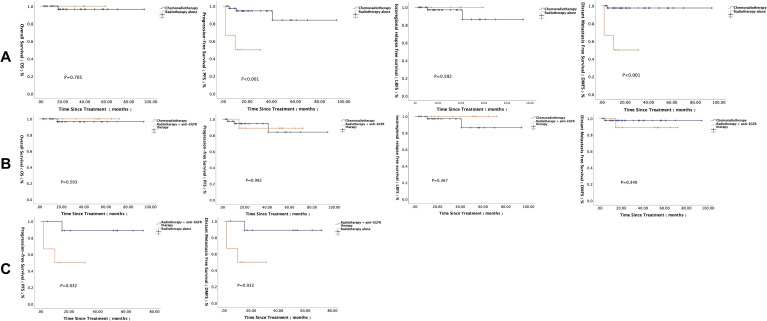 Figure 4
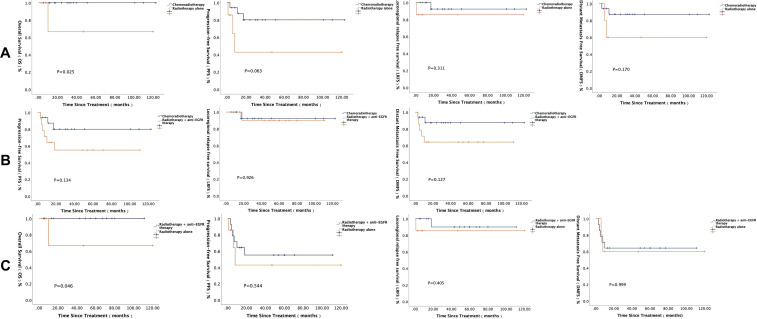 Figure 5
 Figure 6
Peer Reviews
No public reviews on file for this paper yet. If you reviewed it on a platform where reviews are public (OpenReview, ICLR, NeurIPS, ICML), you can paste yours below so the community can read it here.
Videos
No videos yet. Explain this paper in a talk, walkthrough, or lecture? Add one.
Taxonomy
TopicsHead and Neck Cancer Studies · Lung Cancer Research Studies · Head and Neck Surgical Oncology