GPT-Powered Chatbot-Based Positive Psychology Intervention for Well-Being Among Parents of Children With Autism Spectrum Disorder: Single-Arm Mixed Methods Study
Wen Zhang, Rachel Yim Fong Leung, Ka Ki Mak, Haoyan Ge, Tyrone Tai On Kwok, Ricky Van Yip Tso, Anni Wang, Haixia Ma, Janet YH Wong

TL;DR
A GPT-powered chatbot called Allie was tested to improve well-being in parents of children with autism, showing feasibility and some positive effects on well-being.
Contribution
This study introduces a culturally adapted GPT-powered chatbot delivering positive psychology interventions to parents of autistic children and evaluates its feasibility and acceptability.
Findings
17 out of 19 participants completed all exercises, indicating high procedural feasibility.
The WHO-5 well-being score improved significantly after using the chatbot.
Participants suggested design improvements like natural conversation and autism-specific resources.
Abstract
Parents of autistic children frequently experience elevated stress levels, depressive symptoms, and reduced well-being. Positive psychology interventions (PPIs) can strengthen resilience, and chatbots offer a scalable channel through which such skills can be delivered. However, evidence on the evaluation of large language model–guided PPI-based chatbots for this population is limited. This study evaluated the feasibility and acceptability of a GPT-powered chatbot (“Allie”). This study was designed to deliver culturally adapted PPIs to parents of autistic children and to explore their preliminary effects on well-being, depression, stress, and health-related quality of life. We conducted a single-arm mixed-methods pilot study with 19 parents with autistic children. These parents engaged with Allie for 2 weeks to complete 8 structured PPI exercises. The primary outcomes were feasibility…
Genes, proteins, chemicals, diseases, species, mutations and cell lines named across the full text — each resolved to its canonical identifier and authoritative record.
Click any figure to enlarge with its caption.
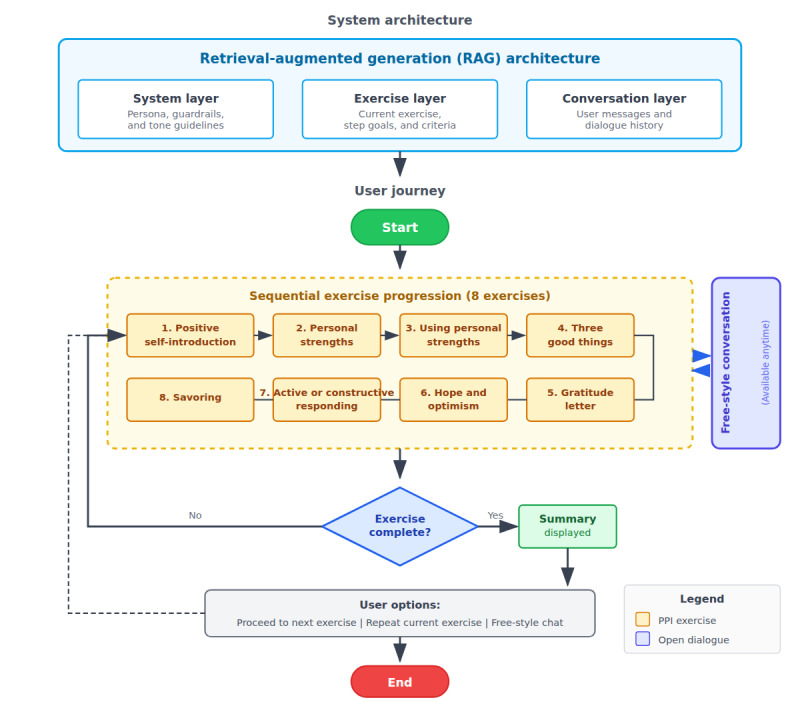 Figure 1
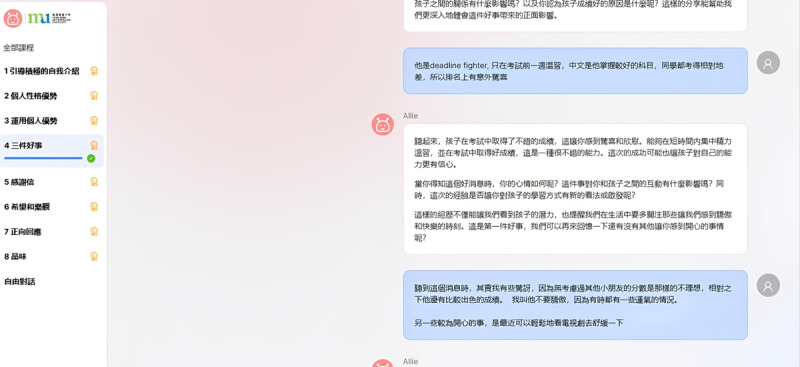 Figure 2
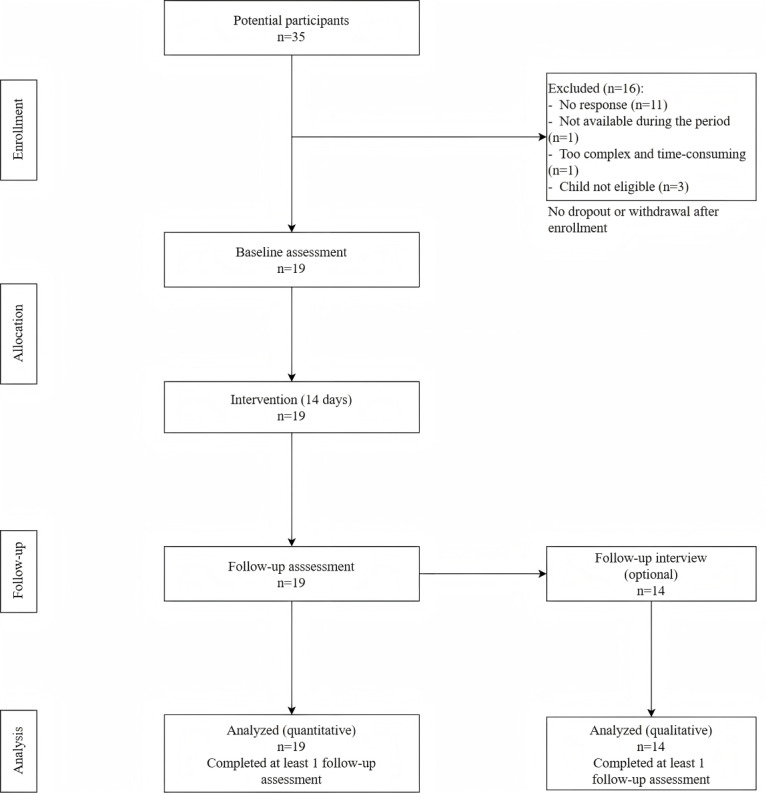 Figure 3
 Figure 4
Peer Reviews
No public reviews on file for this paper yet. If you reviewed it on a platform where reviews are public (OpenReview, ICLR, NeurIPS, ICML), you can paste yours below so the community can read it here.
Videos
No videos yet. Explain this paper in a talk, walkthrough, or lecture? Add one.
Taxonomy
TopicsAutism Spectrum Disorder Research · Digital Mental Health Interventions · Family and Disability Support Research