Postpancreatectomy diarrhoea: prospective, single-centre longitudinal analysis of incidence, risk factors, management, and impact on quality of life
Giampaolo Perri, Livia Zornetta, Riccardo Pellegrini, Pietro Rigo, Nicola Canitano, Domenico Bassi, Patrizia Burra, Umberto Cillo, Giovanni Marchegiani

TL;DR
This study shows that postpancreatectomy diarrhoea affects over a third of patients, even with enzyme therapy, and is linked to worse quality of life and specific surgical and disease factors.
Contribution
The study prospectively identifies risk factors and management needs for postpancreatectomy diarrhoea, emphasizing personalized care.
Findings
Postpancreatectomy diarrhoea affects 32-41% of patients at different postoperative time points.
Vascular resection, arterial divestment, and pancreatic ductal adenocarcinoma are independent risk factors for severe diarrhoea.
Distal pancreatectomy is protective against moderate-to-severe postpancreatectomy diarrhoea.
Abstract
Postpancreatectomy diarrhoea significantly impairs outcomes and patient’s quality of life. Its origin is multifactorial, extending beyond exocrine pancreatic insufficiency. Even with pancreatic enzyme replacement therapy, persistent postpancreatectomy diarrhoea can lead to malnutrition and inhibit adjuvant treatments. This study aimed to evaluate the incidence, risk factors, management, and impact of postpancreatectomy diarrhoea on quality of life. This prospective longitudinal study enrolled patients undergoing pancreatectomy at a single tertiary centre from 2023 to 2025. After surgery (at 7, 30, and 90 days), an adapted systemic therapy-induced diarrhoea assessment tool (STIDAT) questionnaire was used to assess for the presence of postpancreatectomy diarrhoea, patient-reported severity, frequency, medication use, associated symptoms, and quality of life. A total of 237 patients were…
Genes, proteins, chemicals, diseases, species, mutations and cell lines named across the full text — each resolved to its canonical identifier and authoritative record.
Click any figure to enlarge with its caption.
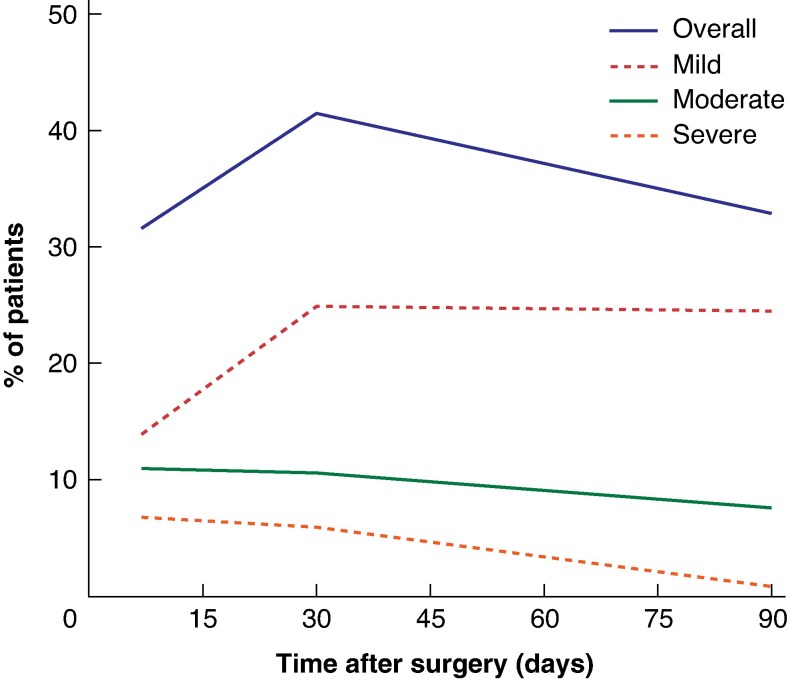 Figure 1
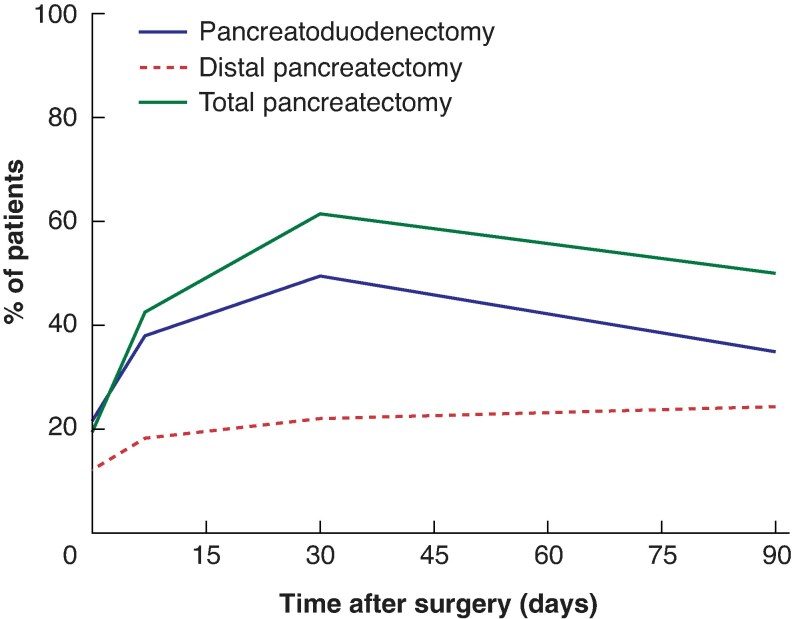 Figure 2
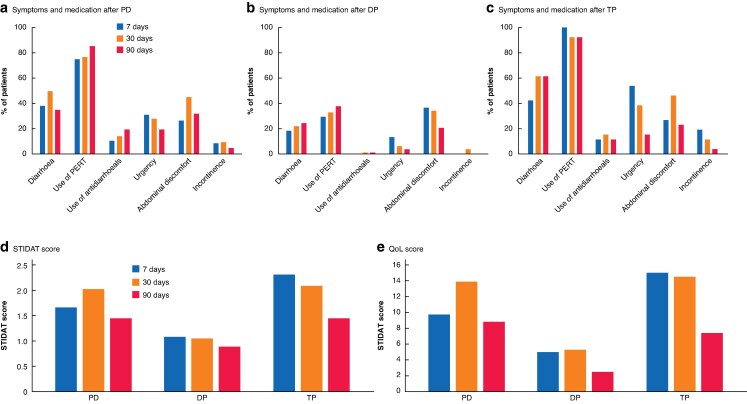 Figure 3
Peer Reviews
No public reviews on file for this paper yet. If you reviewed it on a platform where reviews are public (OpenReview, ICLR, NeurIPS, ICML), you can paste yours below so the community can read it here.
Videos
No videos yet. Explain this paper in a talk, walkthrough, or lecture? Add one.
Taxonomy
TopicsPancreatitis Pathology and Treatment · Pancreatic and Hepatic Oncology Research · Abdominal vascular conditions and treatments