Nano-Enabled Fluorescence Switching: A Novel Strategy for PDGFRβ Detection and TKI Therapy Monitoring
Xin Fu, Jinyue Fan, Haoxiang Chen, Yuli Zheng, Yueqi Liu, Chao Zhang, Xiaolong Cao, Tingting Zuo

TL;DR
A new nanoprobe detects PDGFRβ levels in cancer cells, helping monitor treatment response and resistance to tyrosine kinase inhibitors.
Contribution
A novel fluorescence-switching nanoprobe enables real-time PDGFRβ detection and TKI therapy monitoring.
Findings
The nanoprobe Cy3-Gint4.T@BPNSs uses fluorescence quenching and recovery to detect PDGFRβ expression.
Fluorescence intensity correlates with PDGFRβ levels, aiding tumor diagnosis and treatment guidance.
Dynamic PDGFRβ changes during TKI therapy correlate with fluorescence variations, linking to resistance mechanisms.
Abstract
Determining platelet-derived growth factor receptor β (PDGFRβ) expression in biological specimens is pivotal for cancer diagnosis, drug development, and therapeutic monitoring. After tyrosine kinase inhibitor (TKI) therapy, altered PDGFRβ expression may correlate with treatment resistance mechanisms. Real-time, accurate detection of PDGFRβ levels pre- and post-TKI treatment holds substantial clinical value, as it enables therapeutic efficacy evaluation, resistance prediction, and timely regimen adjustment. However, the current repertoire of real-time technologies for precise PDGFRβ monitoring remains highly limited. Herein, we present a novel nanoprobe (Cy3-Gint4.T@BPNSs) for PDGFRβ detection based on a fluorescence quenching–recovery mechanism. Cy3-Gint4.T is a cyanine 3 (Cy3)-labeled aptamer with high specificity and strong selective binding affinity for PDGFRβ. Black phosphorus…
Genes, proteins, chemicals, diseases, species, mutations and cell lines named across the full text — each resolved to its canonical identifier and authoritative record.
Click any figure to enlarge with its caption.
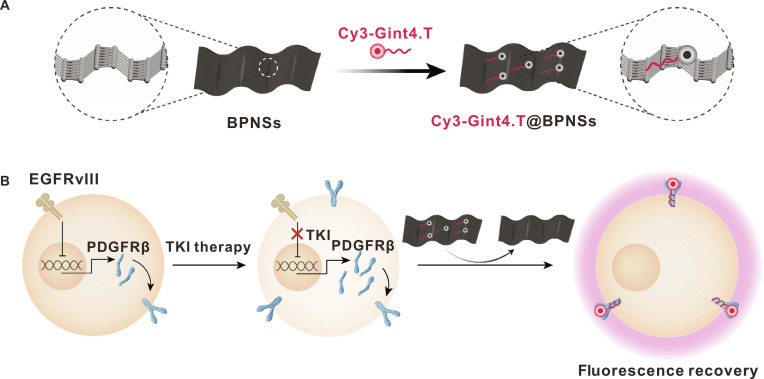 Figure 1
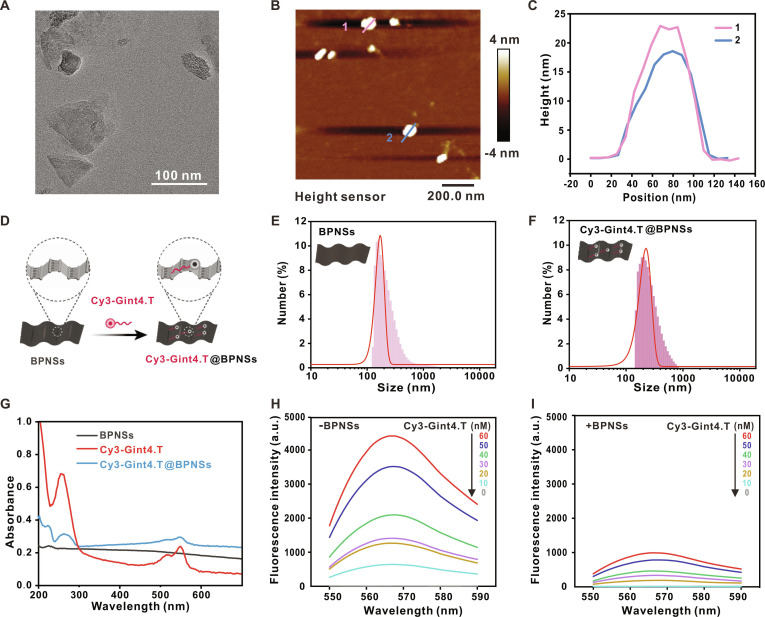 Figure 2
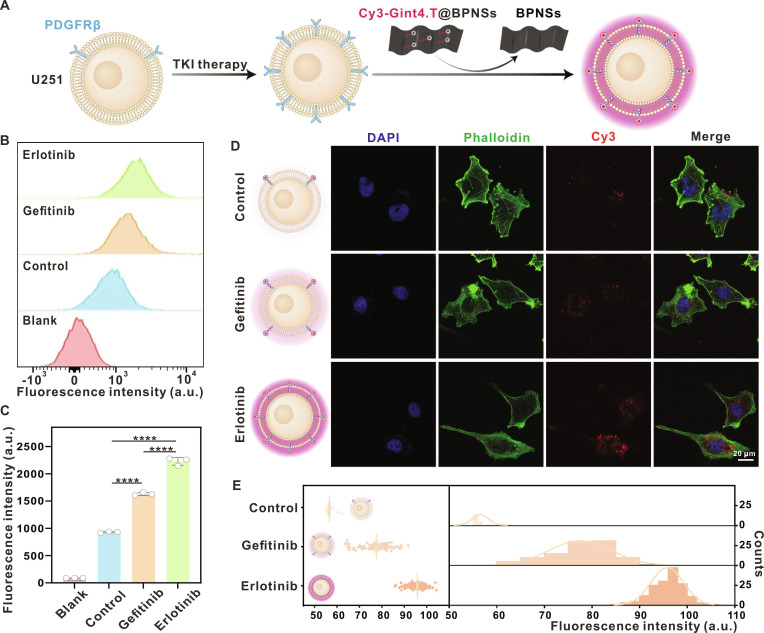 Figure 3
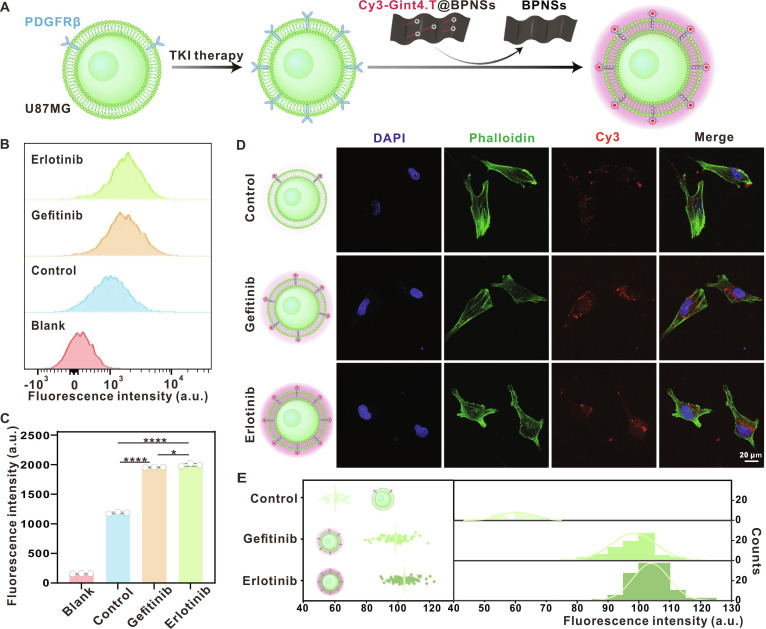 Figure 4
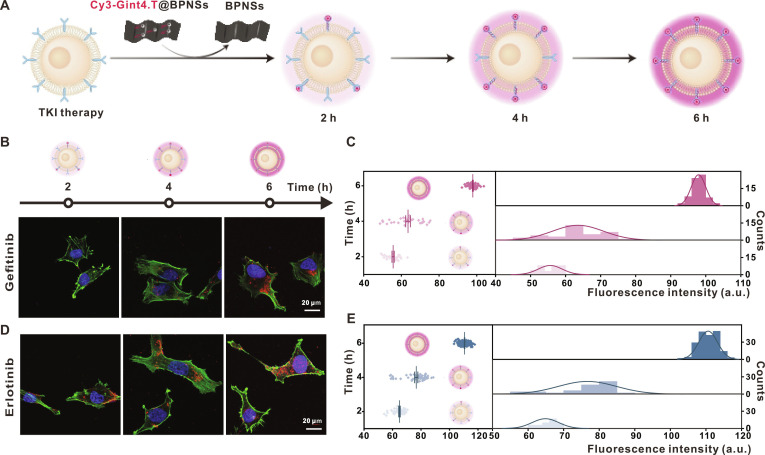 Figure 5
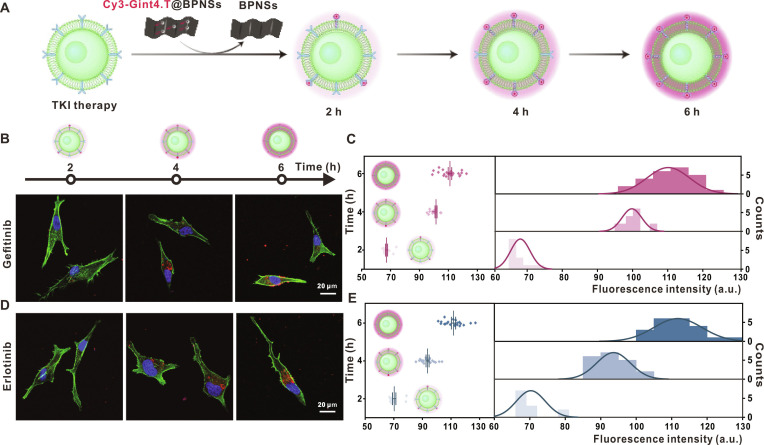 Figure 6
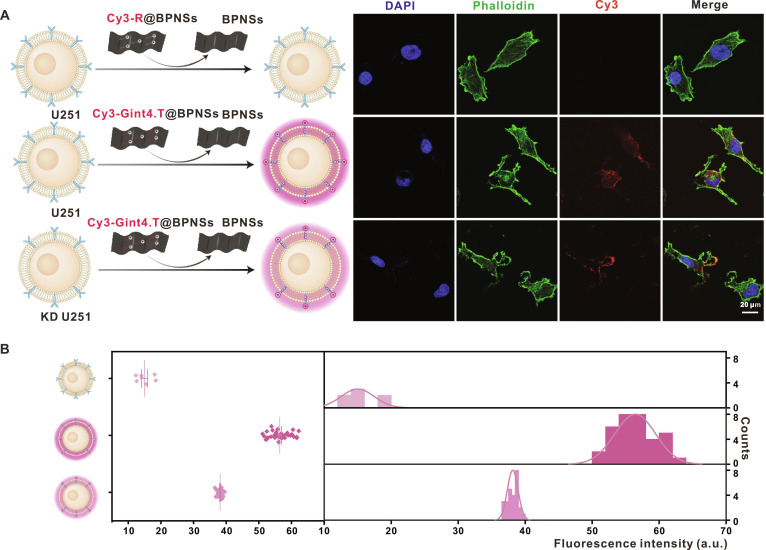 Figure 7
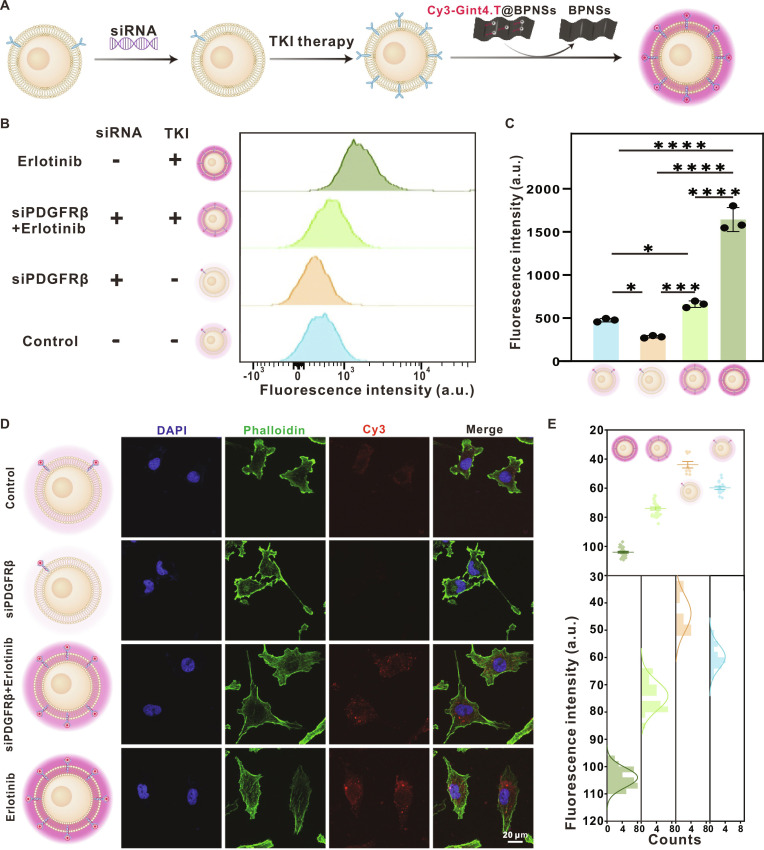 Figure 8
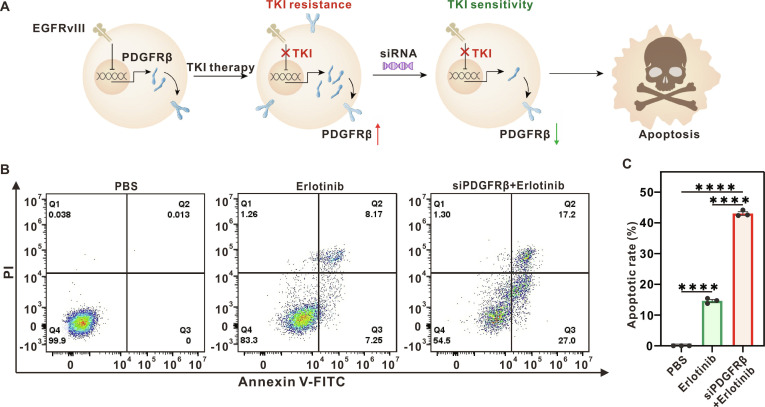 Figure 9
Peer Reviews
No public reviews on file for this paper yet. If you reviewed it on a platform where reviews are public (OpenReview, ICLR, NeurIPS, ICML), you can paste yours below so the community can read it here.
Videos
No videos yet. Explain this paper in a talk, walkthrough, or lecture? Add one.
Taxonomy
TopicsNanoplatforms for cancer theranostics · Lanthanide and Transition Metal Complexes · Nanoparticle-Based Drug Delivery