Kinetics of dissolution and computational modeling of calcium oxalate monohydrate crystals in the presence of aqueous coffee bioactive extract compounds
Eman T. Khattab, Naema S. Yehia, Mahmoud A. S. Sakr, Hesham R. El-Seedi, Heba A. El-Shekheby

TL;DR
This study shows how compounds in coffee can slow the dissolution of calcium oxalate crystals, which could help prevent kidney stones.
Contribution
The study identifies coffee bioactives as natural inhibitors of calcium oxalate dissolution through combined experimental and computational methods.
Findings
Coffee metabolites inhibit calcium oxalate monohydrate dissolution via a film surface–controlled mechanism.
Caffeine was identified as a key inhibitor through stable hydrogen bonding and van der Waals interactions.
Physical adsorption of coffee compounds was confirmed without altering crystal structure.
Abstract
Urolithiasis, predominantly caused by calcium oxalate crystallization and dissolution, remains a major clinical challenge. This study explored the effect of coffee extract bioactive metabolites on synthetic COM crystals dissolution through combined experimental and computational approaches. LC–LTQ–MS/MS and NMR profiling identified chlorogenic acids, quinic acid derivatives, and caffeine as the principal constituents. Constant-composition dissolution method assays showed a concentration-dependent inhibition of COM dissolution, consistent with a film surface–controlled mechanism. Langmuir adsorption analysis revealed strong surface affinity (KL = 2.274 × 10⁴ dm³ mol−¹, ΔGads = − 36.23 kJ mol−¹). Density functional theory (DFT) calculations highlighted caffeine as a key inhibitor, forming stable hydrogen bonding and van der Waals interactions with COM (Ea for adsorption = − 0.273 eV).…
Genes, proteins, chemicals, diseases, species, mutations and cell lines named across the full text — each resolved to its canonical identifier and authoritative record.
Click any figure to enlarge with its caption.
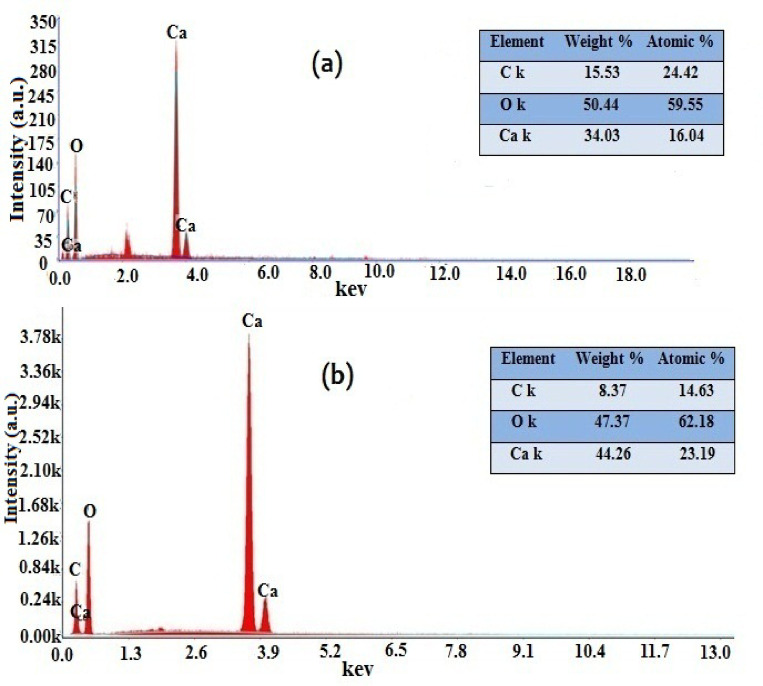 Figure 10
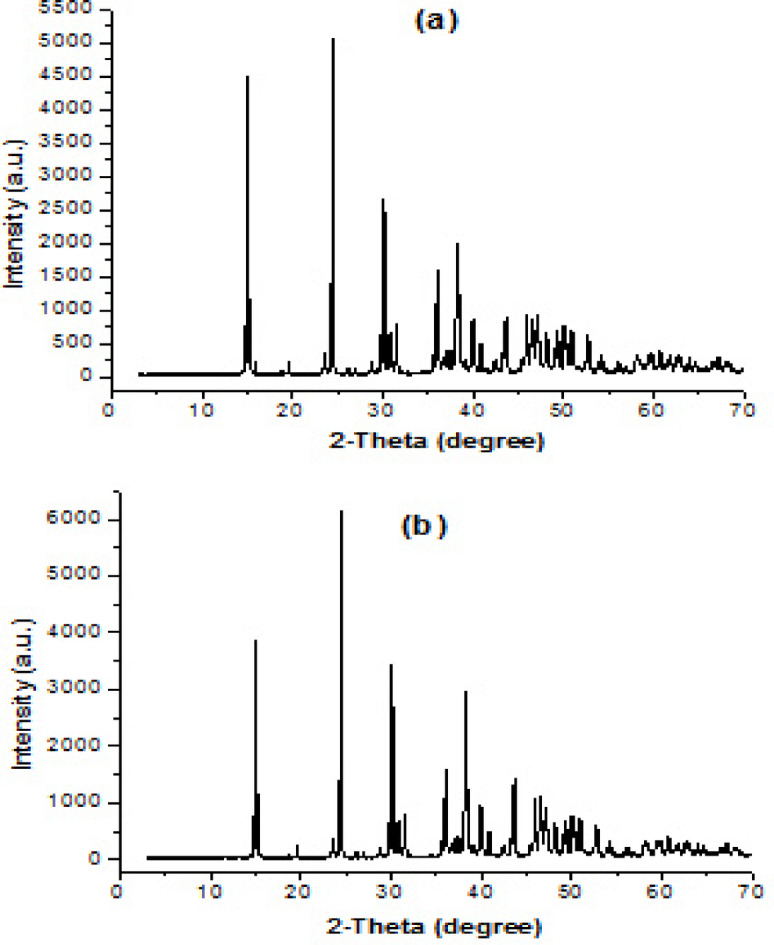 Figure 11
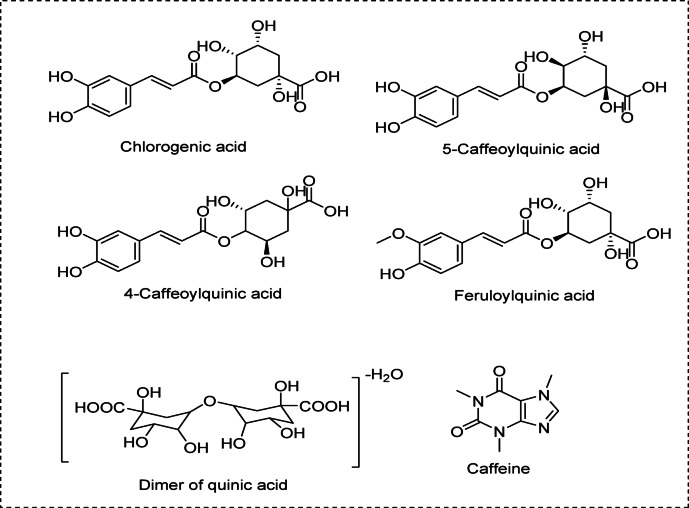 Figure 1
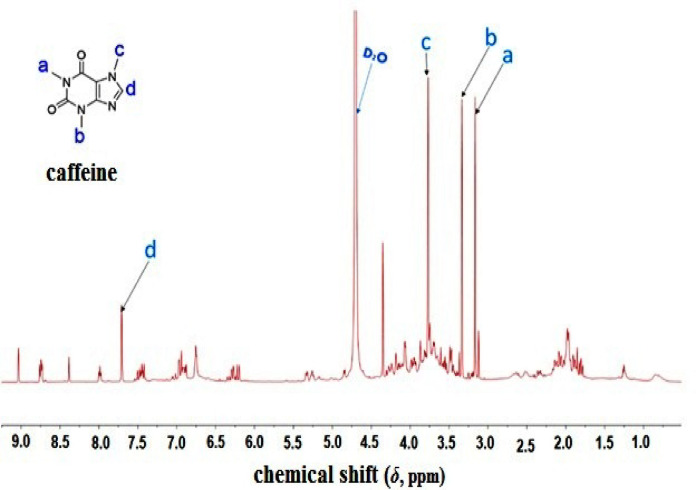 Figure 2
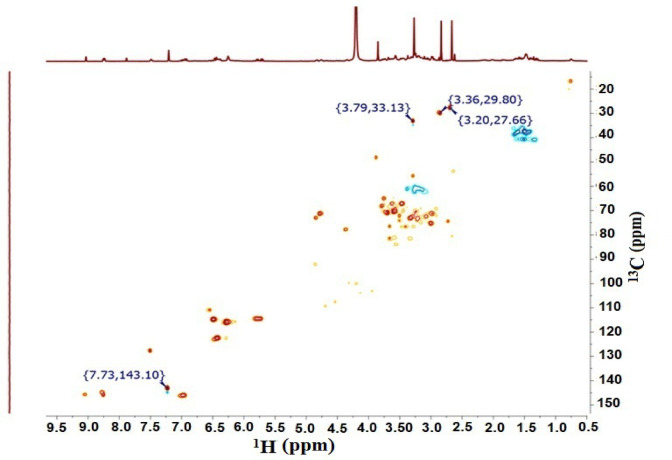 Figure 3
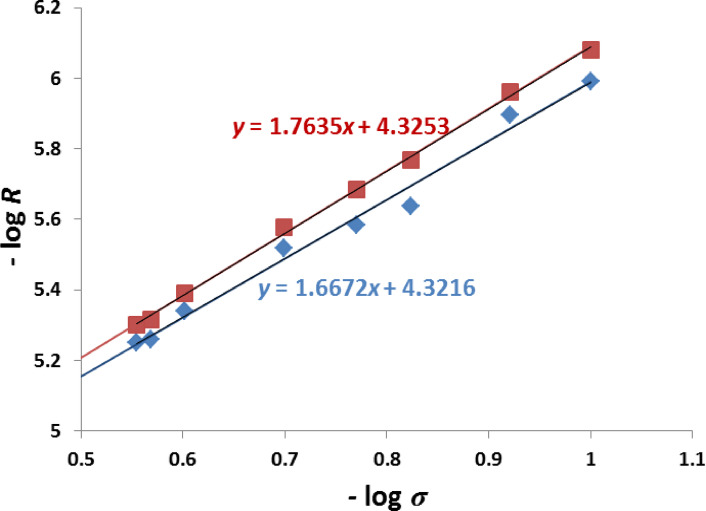 Figure 4
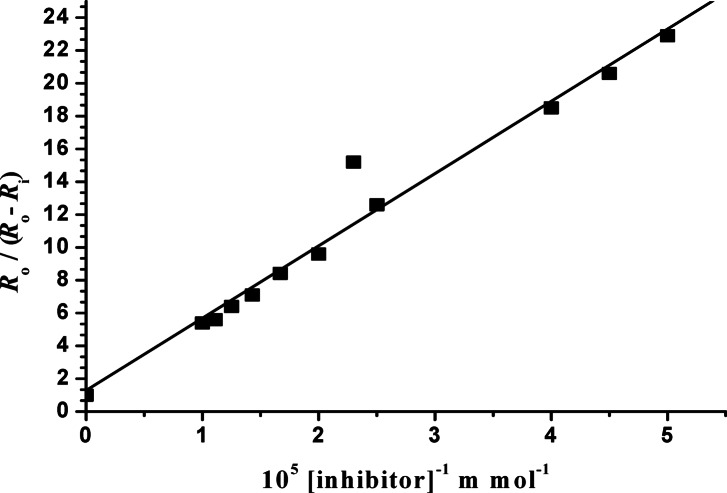 Figure 5
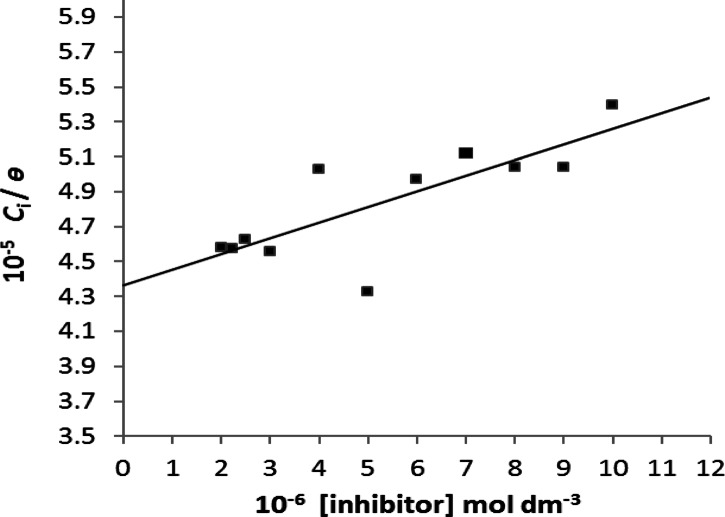 Figure 6
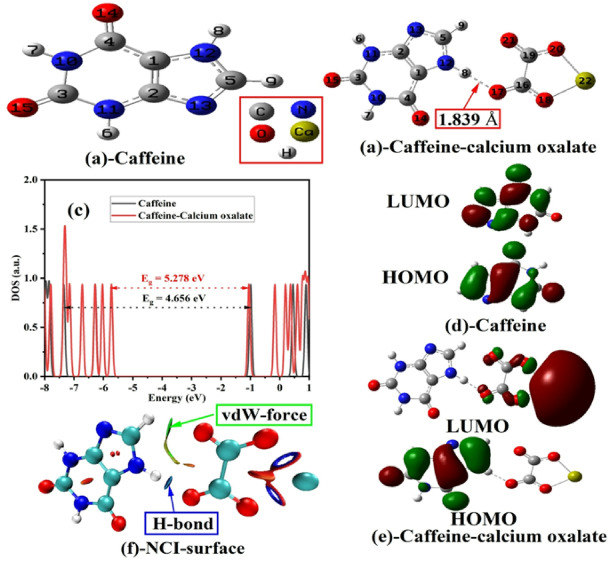 Figure 7
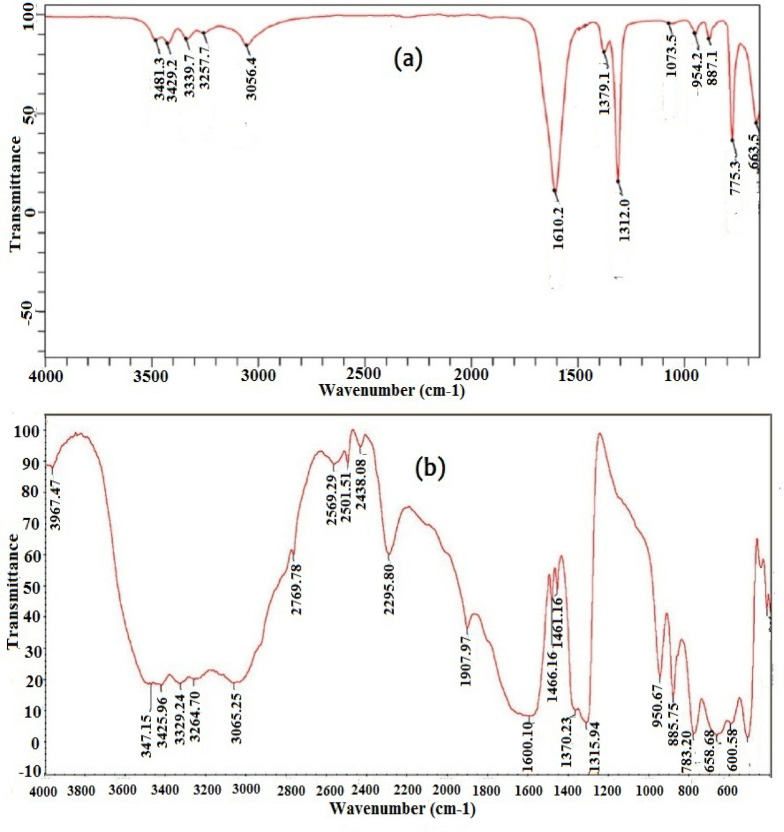 Figure 8
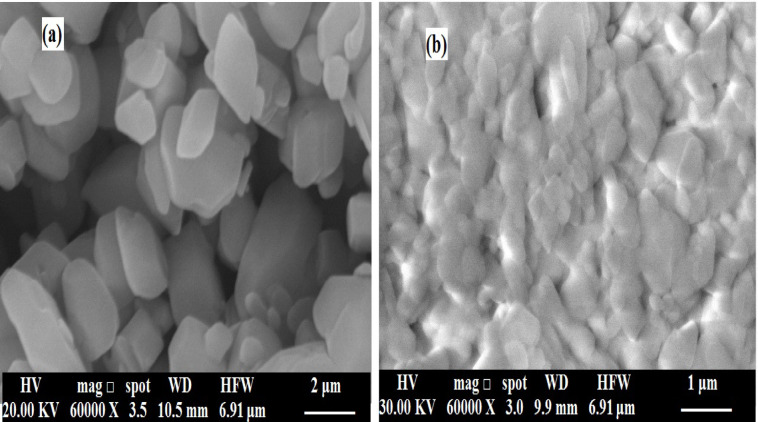 Figure 9
Peer Reviews
No public reviews on file for this paper yet. If you reviewed it on a platform where reviews are public (OpenReview, ICLR, NeurIPS, ICML), you can paste yours below so the community can read it here.
Videos
No videos yet. Explain this paper in a talk, walkthrough, or lecture? Add one.
Taxonomy
TopicsKidney Stones and Urolithiasis Treatments · Botanical Research and Applications · Carbon and Quantum Dots Applications