Quercetin and nanoquercetin mitigate high fat diet–induced obesity via lipid modulation, genomic DNA integrity restoration, adipokine regulation, and hepato-pancreatic tissue preservation
Marwa A. Lotify, Sherein S. Abdelgayed, Hanan R.H. Mohamed

TL;DR
Quercetin and its nanoform help reduce obesity and related health issues in rats by improving metabolism, protecting DNA, and preserving organ health.
Contribution
Nanoquercetin shows enhanced anti-obesity effects compared to quercetin through multiple biological mechanisms.
Findings
Nanoquercetin improved lipid profiles and total protein levels in non-obese rats.
Both quercetin and nanoquercetin reduced body weight and improved DNA integrity in obese rats.
Nanoquercetin had stronger effects on Adiponectin expression and tissue preservation than quercetin.
Abstract
Obesity is a global health challenge characterized by excessive fat accumulation and associated with life-threatening comorbidities such as type 2 diabetes, cardiovascular diseases, and certain cancers. Conventional treatments, including lifestyle modification and pharmacotherapy, often have limited long-term efficacy and potential side effects, highlighting the need for safer alternatives. Natural bioactive compounds, such as quercetin, a dietary flavonoid with antioxidant, anti-inflammatory, and metabolic regulatory properties, have emerged as promising anti-obesity agents. However, poor bioavailability limits its therapeutic application, prompting the development of nanoformulations. This study therefore estimated the anti-obesity potential of quercetin and nanoquercetin in a high-fat diet (HFD)-induced obesity model in male Wistar rats. Following acute toxicity testing, 36 rats were…
Genes, proteins, chemicals, diseases, species, mutations and cell lines named across the full text — each resolved to its canonical identifier and authoritative record.
Click any figure to enlarge with its caption.
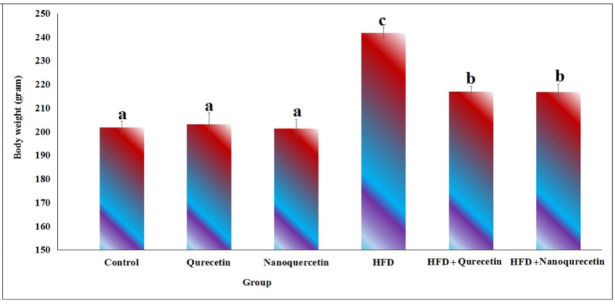 Figure 1
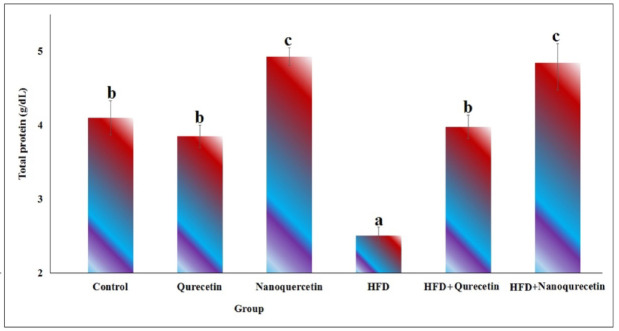 Figure 2
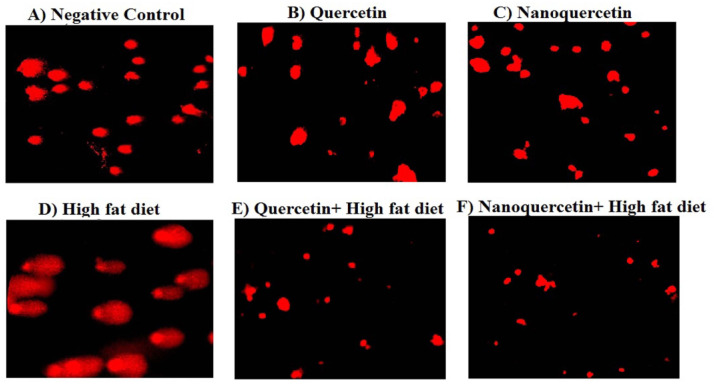 Figure 3
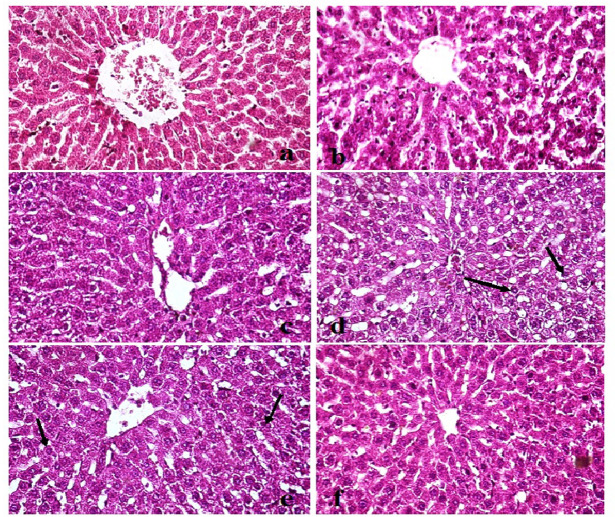 Figure 4
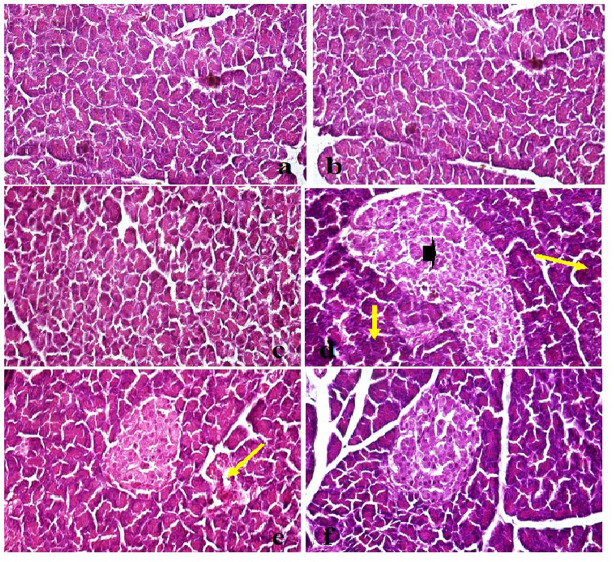 Figure 5
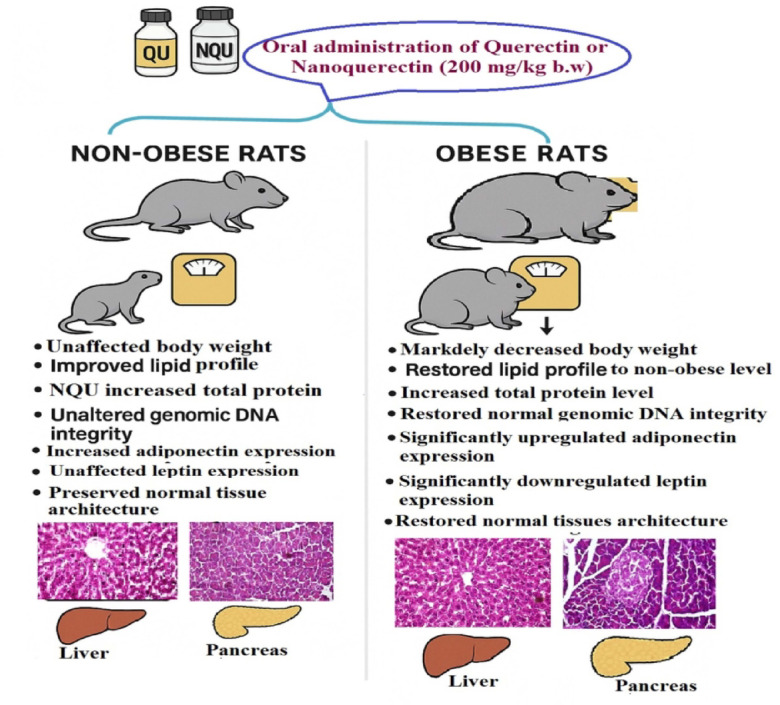 Figure 6
Peer Reviews
No public reviews on file for this paper yet. If you reviewed it on a platform where reviews are public (OpenReview, ICLR, NeurIPS, ICML), you can paste yours below so the community can read it here.
Videos
No videos yet. Explain this paper in a talk, walkthrough, or lecture? Add one.
Taxonomy
TopicsAdipokines, Inflammation, and Metabolic Diseases · Bioactive Compounds in Plants · Saffron Plant Research Studies