Validation of conformal prediction in cervical atypia classification
Misgina Tsighe Hagos, Antti Suutala, Dmitrii Bychkov, Hakan Kücükel, Joar von Bahr, Milda Poceviciute, Johan Lundin, Nina Linder, Claes Lundström

TL;DR
This paper evaluates conformal prediction methods for cervical cancer classification to better reflect model uncertainty and improve diagnostic reliability.
Contribution
The study introduces a comprehensive validation framework for conformal prediction using expert annotations in cervical atypia classification.
Findings
Conventional coverage-based validation overestimates conformal prediction performance.
Current conformal prediction methods often produce prediction sets misaligned with human labels.
Conformal prediction methods can identify ambiguous and out-of-distribution data.
Abstract
Deep learning based cervical cancer classification can potentially increase access to screening in low-resource regions. However, deep learning models are often overconfident and do not reliably reflect diagnostic uncertainty. Moreover, they are typically optimized to generate maximum-likelihood predictions, which fail to convey uncertainty or ambiguity in their results. Such challenges can be addressed using conformal prediction, a model-agnostic framework for generating prediction sets that contain likely classes for trained deep-learning models. The size of these prediction sets indicates model uncertainty, contracting as model confidence increases. However, existing validation of conformal prediction primarily focuses on whether the prediction set includes or covers the true class, often overlooking the presence of extraneous classes. We argue that prediction sets should be truthful…
Genes, proteins, chemicals, diseases, species, mutations and cell lines named across the full text — each resolved to its canonical identifier and authoritative record.
Click any figure to enlarge with its caption.
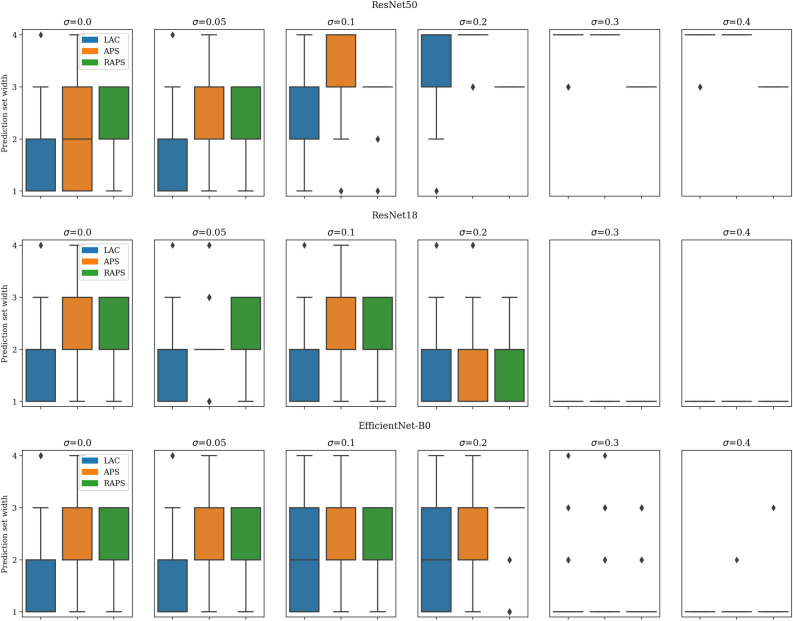 Figure 10
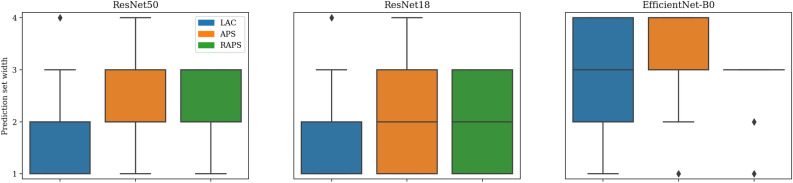 Figure 11
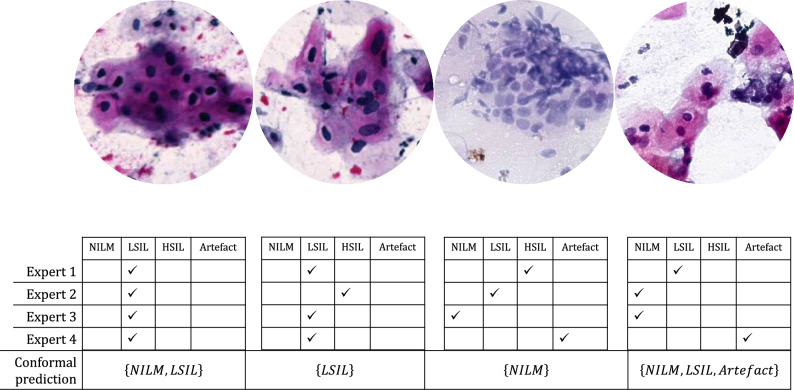 Figure 1
 Figure 2
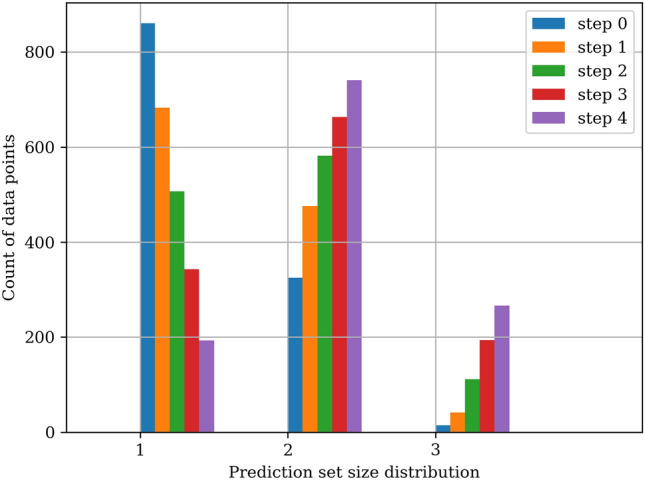 Figure 3
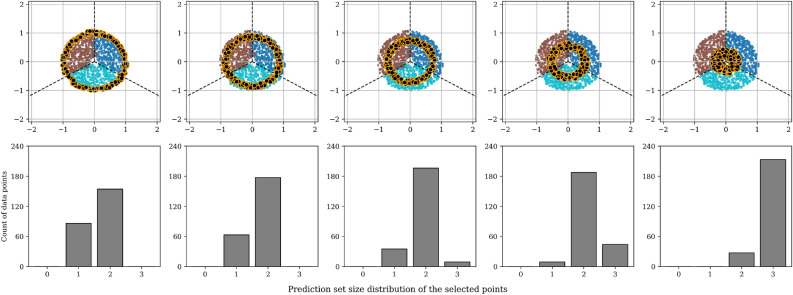 Figure 4
 Figure 5
 Figure 6
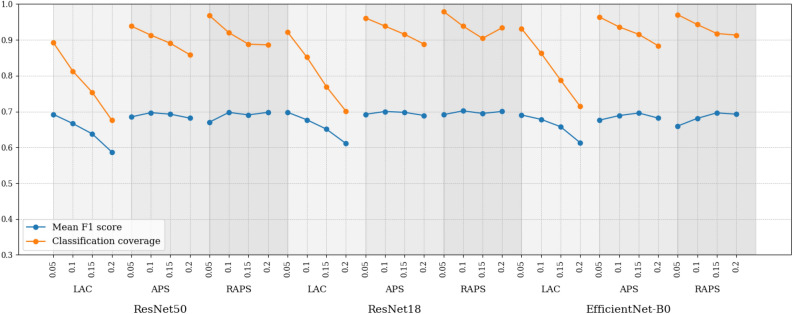 Figure 7
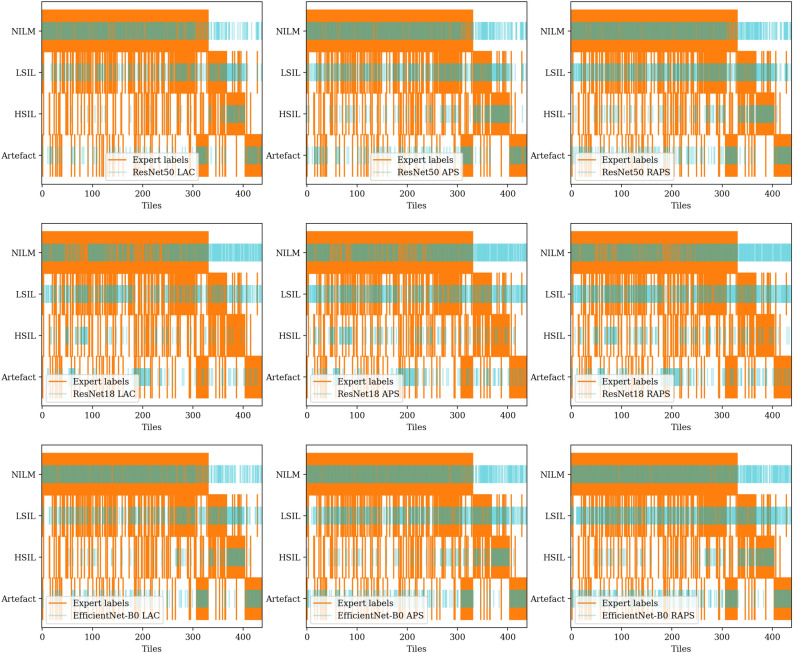 Figure 8
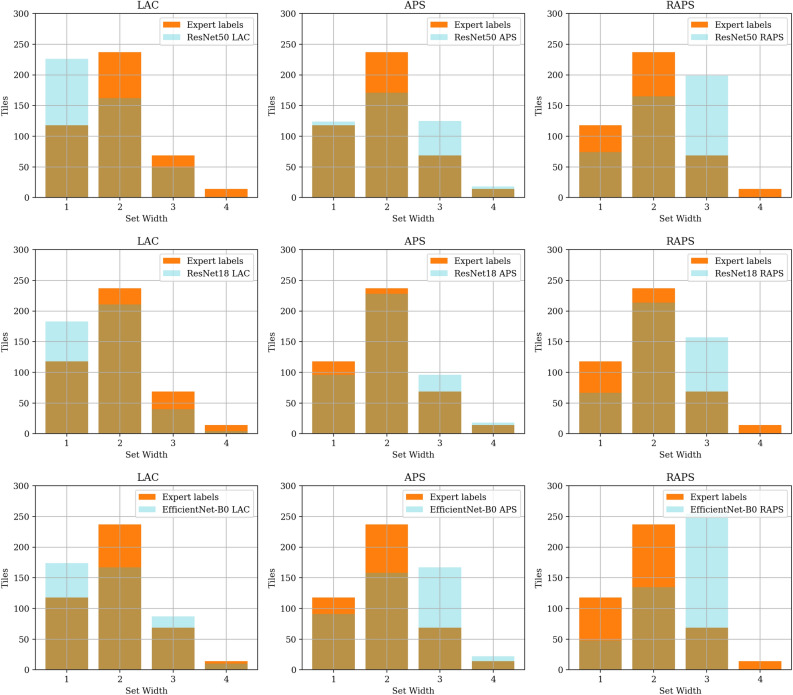 Figure 9
Peer Reviews
No public reviews on file for this paper yet. If you reviewed it on a platform where reviews are public (OpenReview, ICLR, NeurIPS, ICML), you can paste yours below so the community can read it here.
Videos
No videos yet. Explain this paper in a talk, walkthrough, or lecture? Add one.
Taxonomy
TopicsCervical Cancer and HPV Research · AI in cancer detection · Endometrial and Cervical Cancer Treatments