Behavioral evidence for the hierarchical execution of sequential movements
Darío Cuevas Rivera, Stefan J. Kiebel

TL;DR
This study shows that humans naturally use hierarchical planning for complex movements without training, based on how they move their hands toward targets.
Contribution
The study provides direct kinematic evidence of hierarchical movement control without requiring prior training.
Findings
Most participants dynamically adjusted their movement strategy based on the sequence of targets.
Hierarchical planning was inferred through model-based analysis of movement trajectories.
Results suggest humans switch between flat and hierarchical planning depending on task structure.
Abstract
Movements in humans and other animals are known to be hierarchically organized, with simple movements forming the building blocks to more complex, sequential movements, a phenomenon often referred to as chunking. Neuroimaging studies have highlighted this layered structure, implicating the primary motor cortex in simple movements, and pre-motor and parietal areas in sequences of movements. Behavioral experiments designed to study this hierarchy have required extensive training of simple movement sequences, such as key presses, using error rates and reaction times as indirect markers of chunking. In this work, we provide kinematic evidence that the hierarchical organization of movements naturally emerges during reaching movements toward large targets, without the need for extensive training. Through model-based analyses of the observed trajectories’ geometry in a sequential pointing task…
Genes, proteins, chemicals, diseases, species, mutations and cell lines named across the full text — each resolved to its canonical identifier and authoritative record.
Click any figure to enlarge with its caption.
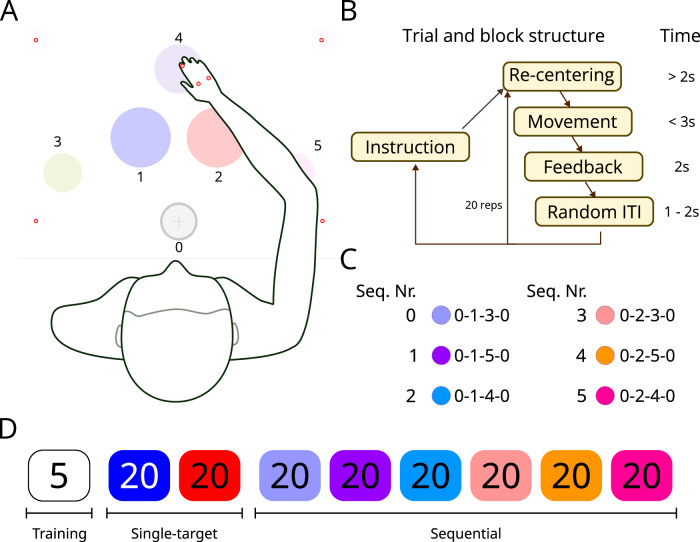 Figure 1
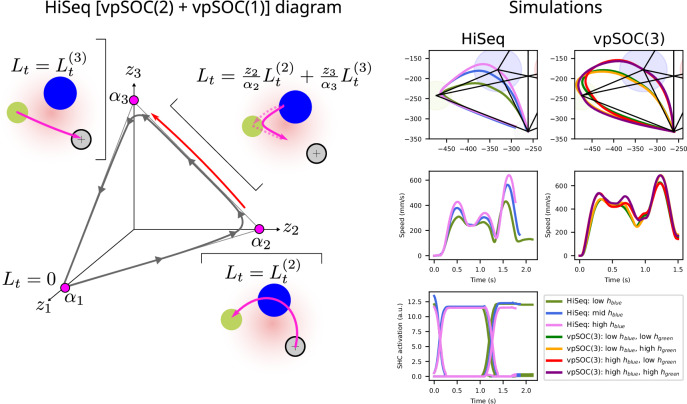 Figure 2
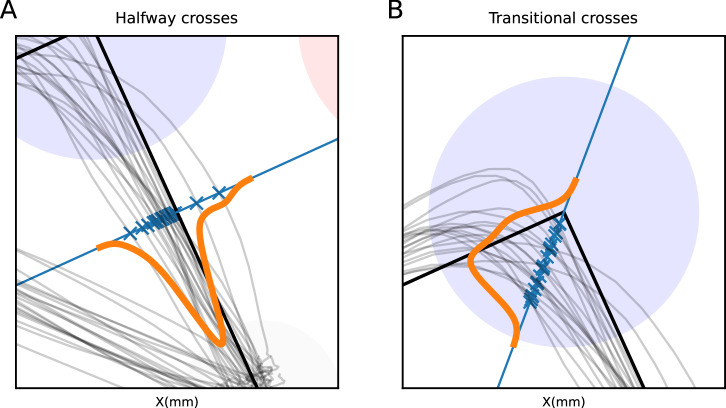 Figure 3
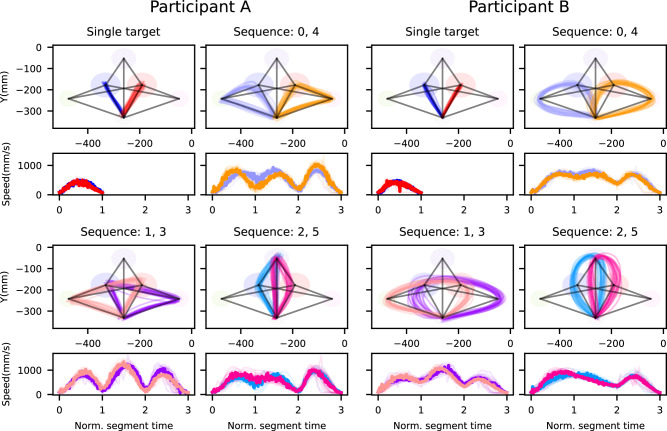 Figure 4
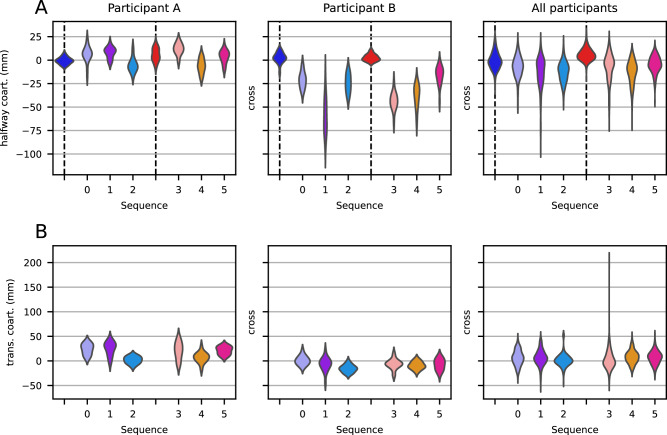 Figure 5
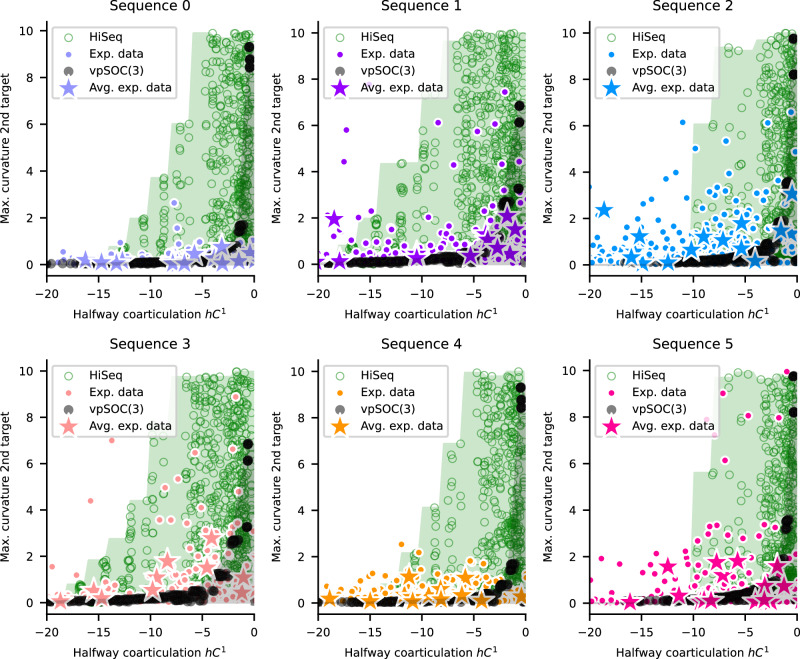 Figure 6
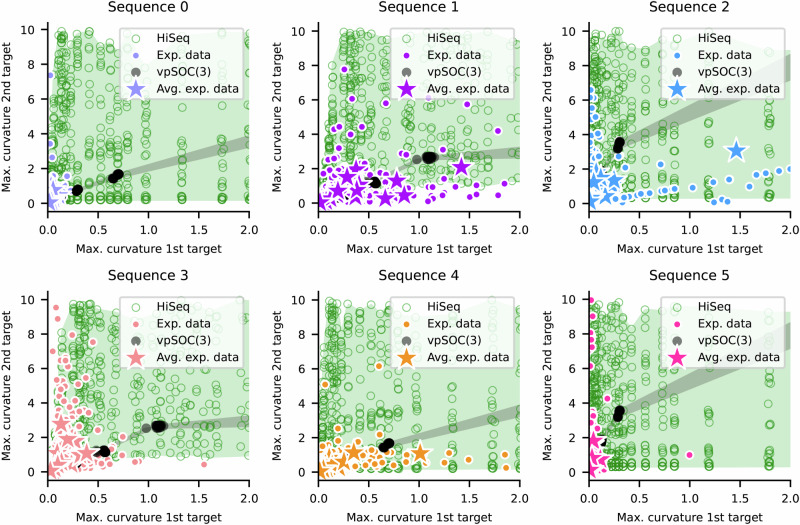 Figure 7
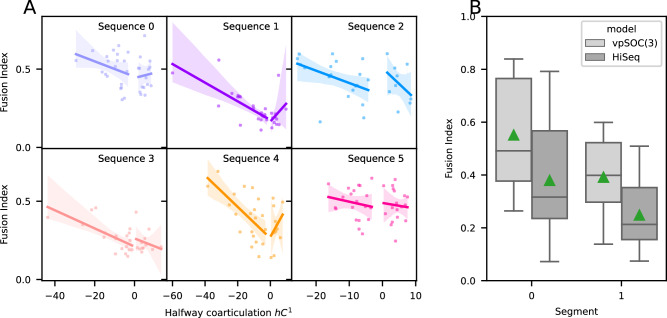 Figure 8
Peer Reviews
No public reviews on file for this paper yet. If you reviewed it on a platform where reviews are public (OpenReview, ICLR, NeurIPS, ICML), you can paste yours below so the community can read it here.
Videos
No videos yet. Explain this paper in a talk, walkthrough, or lecture? Add one.
Taxonomy
TopicsMotor Control and Adaptation · Action Observation and Synchronization · Neural and Behavioral Psychology Studies