Robust learning framework for a scalable remote monitoring of autonomic dysreflexia: use-case in spinal cord injury
Bertram Fuchs, Mehdi Ejtehadi, Ana Cisnal, Jürgen Pannek, Anke Scheel-Sailer, Robert Riener, Inge Eriks-Hoogland, Diego Paez-Granados

TL;DR
This study develops a scalable and interpretable framework for remote monitoring of autonomic dysreflexia in spinal cord injury patients using wearable sensors.
Contribution
The novel framework enables robust digital biomarker creation from multimodal wearables in data-scarce conditions.
Findings
Heart rate and ECG were identified as dominant predictors of autonomic dysreflexia.
The framework is robust to sensor failure and noisy channels, ensuring reliable remote monitoring.
The approach reduces reliance on intermittent blood pressure measurements for early intervention.
Abstract
The autonomous nervous system (ANS) response in neurological disorders is a direct modifiable risk factor for cardiovascular health, however, difficulty in remote monitoring and objective assessment has made it underrepresented in preventive healthcare. Particularly, autonomic dysreflexia (AD) is a dangerous hypertensive emergency, potentially life-threatening in people with spinal cord injury (SCI), yet detection outside clinical settings remains reactive and episodic. This study presents an interpretable and scalable framework for creating a digital biomarker from multimodal wearables in data scarcity through vital sign attribution analysis in multiple body locations, evaluated with 27 subjects undergoing clinical examination with objective blood pressure measurements. Our framework learns from diverse biosignals—lectrocardiography (ECG), photoplethysmography (PPG), bioimpedance, skin…
Genes, proteins, chemicals, diseases, species, mutations and cell lines named across the full text — each resolved to its canonical identifier and authoritative record.
Click any figure to enlarge with its caption.
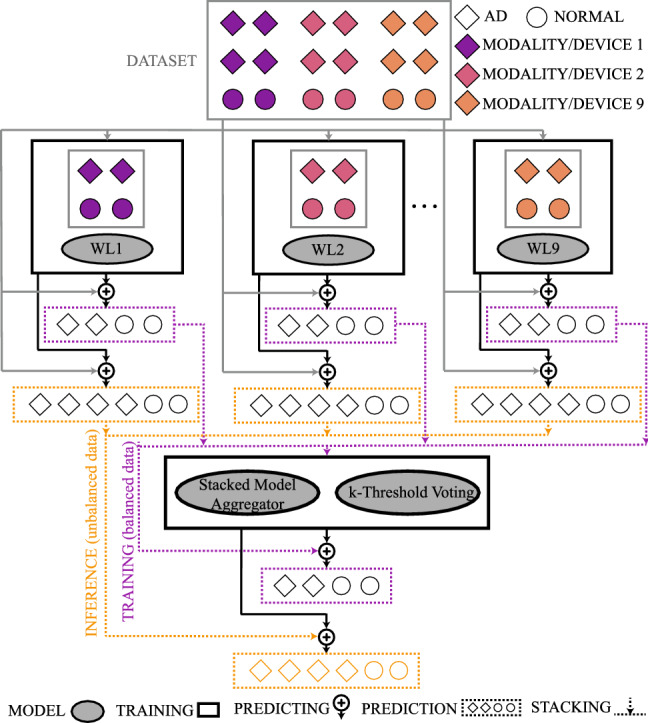 Figure 10
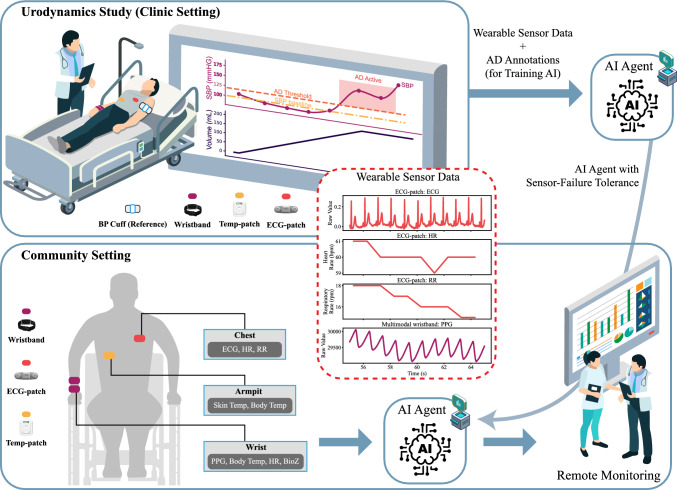 Figure 1
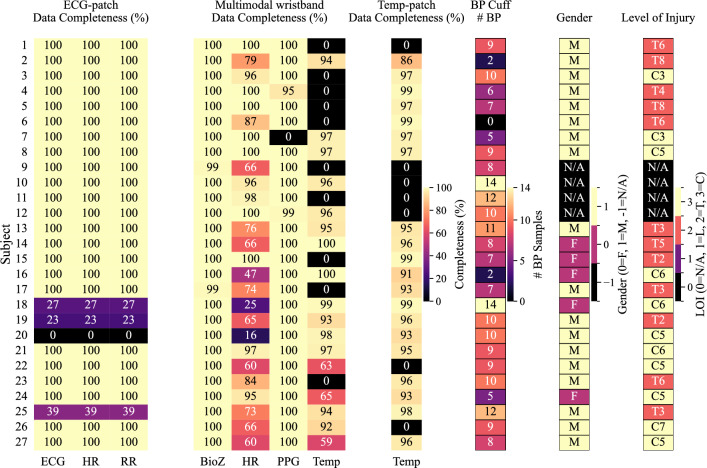 Figure 2
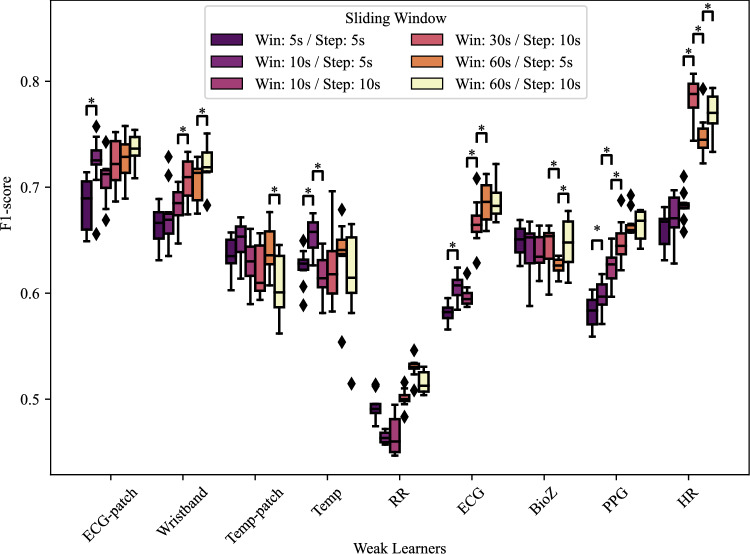 Figure 3
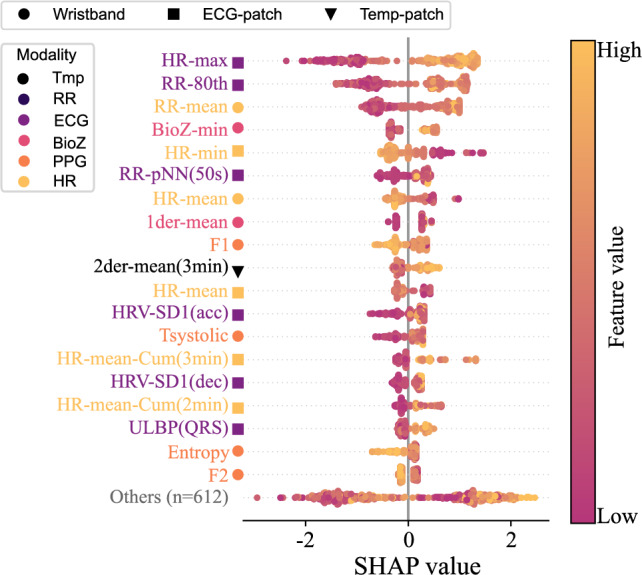 Figure 4
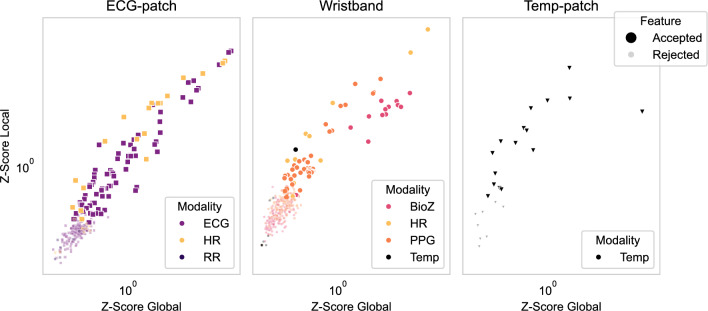 Figure 5
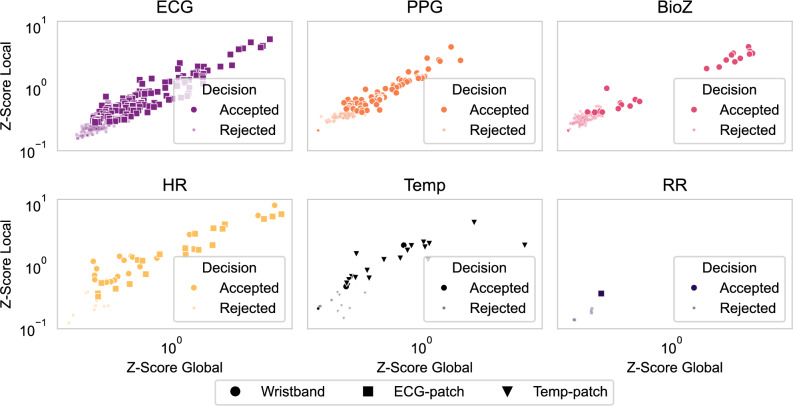 Figure 6
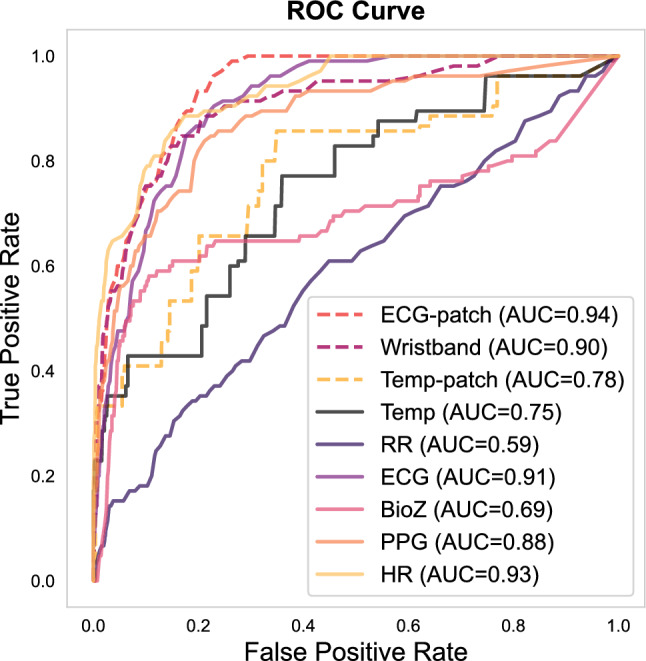 Figure 7
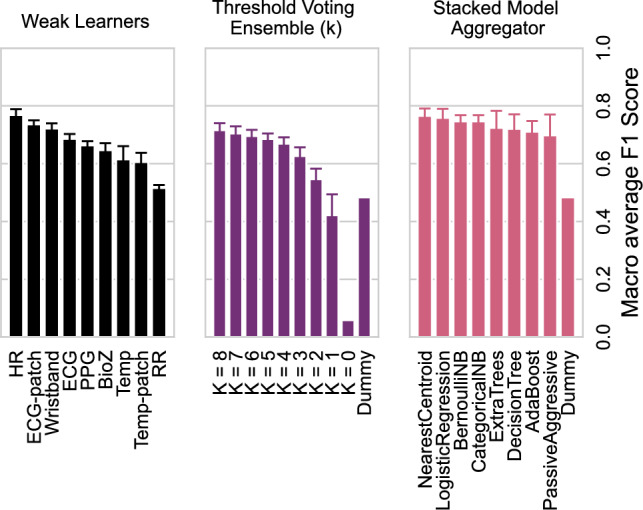 Figure 8
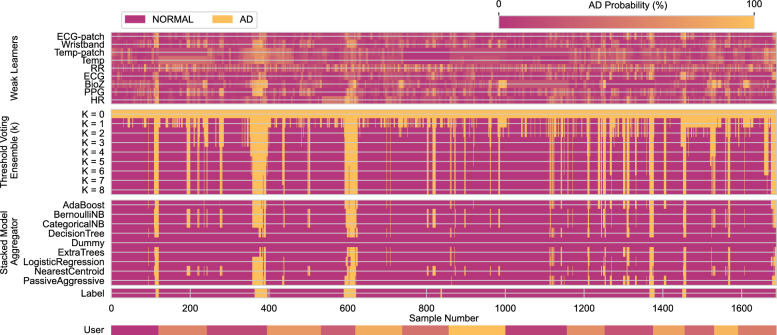 Figure 9
Peer Reviews
No public reviews on file for this paper yet. If you reviewed it on a platform where reviews are public (OpenReview, ICLR, NeurIPS, ICML), you can paste yours below so the community can read it here.
Videos
No videos yet. Explain this paper in a talk, walkthrough, or lecture? Add one.
Taxonomy
TopicsSpinal Cord Injury Research · Non-Invasive Vital Sign Monitoring · Prosthetics and Rehabilitation Robotics