Ecology and demographic structure of an extinct ibex population in late Upper Palaeolithic Italian Alps
Elena Armaroli, Francesco Fontani, Rocco Iacovera, Elisabetta Cilli, Adriana Latorre, Donata Luiselli, Sara Silvestrini, Gabriele Terlato, Giampaolo Dalmeri, Alex Fontana, Nicola Nannini, Hubert Vonhof, Lucio Calcagnile, Gianluca Quarta, Rossella Duches, Eugenio Bortolini

TL;DR
This study explores the ecology and human interactions with an extinct ibex population in the Italian Alps during the late Upper Palaeolithic period.
Contribution
The study provides the first multidisciplinary analysis of Late Palaeolithic ibex teeth, including ancient DNA sequences and ecological insights.
Findings
Most ibex were local despite human presence.
Significant dietary differences were found between sexes.
Riparo Dalmeri belongs to an extinct branch of the ibex mtDNA phylogeny.
Abstract
Alpine Upper Palaeolithic contexts exhibit specialised subsistence strategies, heavily dependent on Capra ibex. Among them, the rock shelter Riparo Dalmeri stands out, with C. ibex dominating faunal remains across all occupation phases, spanning the Pleistocene-Holocene transition. This evidence positions Riparo Dalmeri as a key site for exploring the interaction between human groups and C. ibex during this period of significant climatic and cultural shifts in human evolution. Here, we present the first multidisciplinary study on Late Palaeolithic C. ibex teeth from Riparo Dalmeri, integrating direct radiocarbon dating, stable isotope (δ13C, δ18O) and 87Sr/86Sr analyses, proteomic, and aDNA data. We generated the earliest aDNA sequences for C. ibex and contextual evidence on mobility, seasonality, and sex ratios. We found that most C. ibex were local to the area despite consistent human…
Genes, proteins, chemicals, diseases, species, mutations and cell lines named across the full text — each resolved to its canonical identifier and authoritative record.
Click any figure to enlarge with its caption.
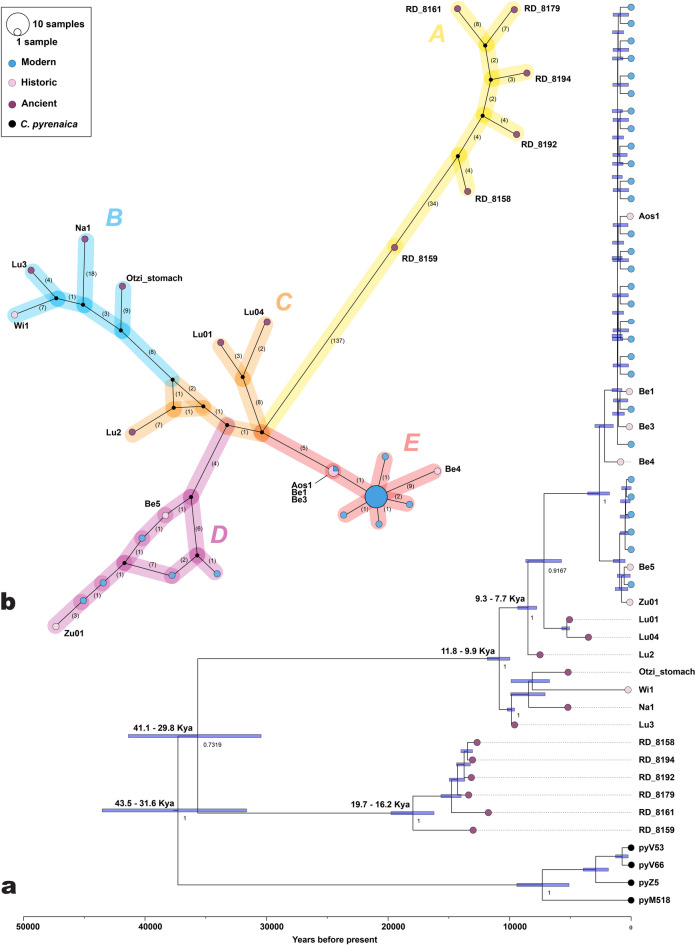 Figure 10
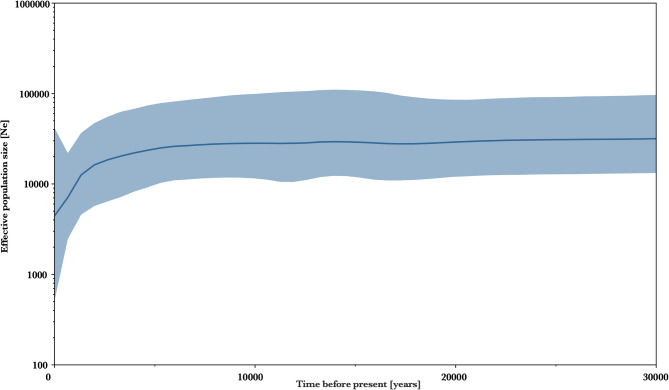 Figure 11
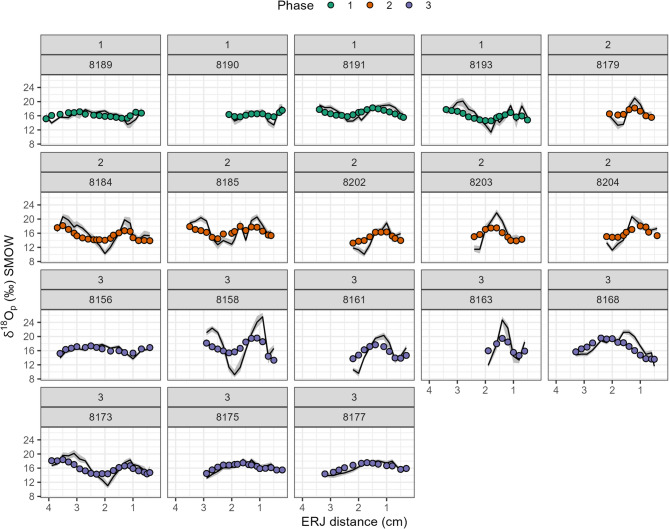 Figure 12
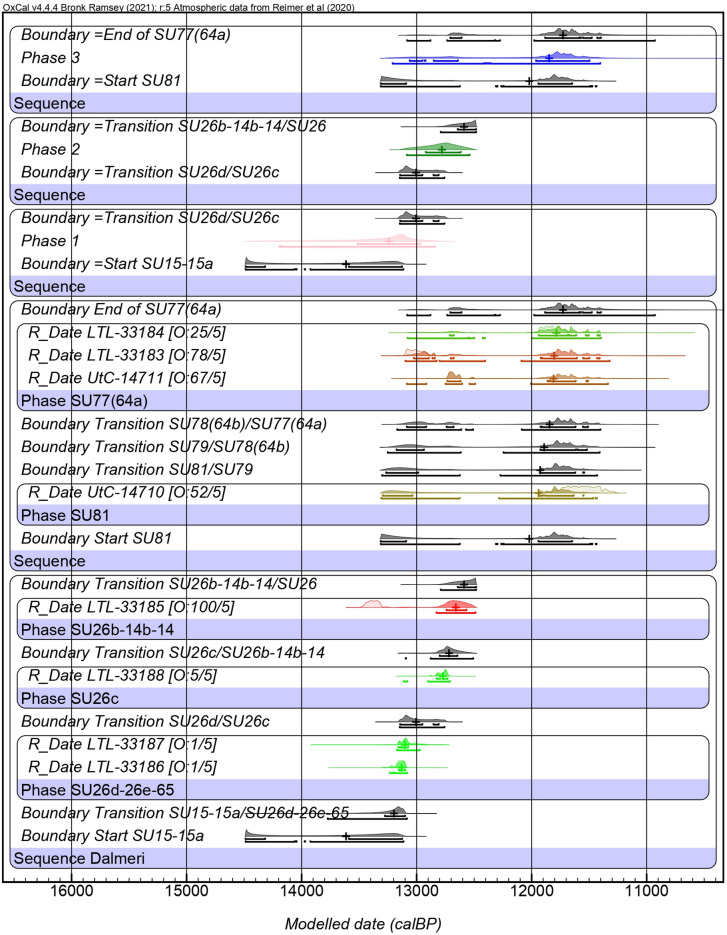 Figure 1
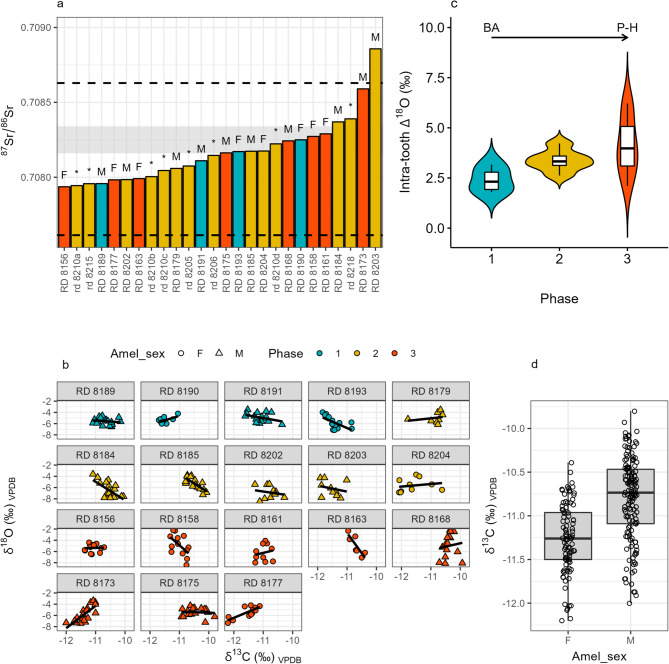 Figure 2
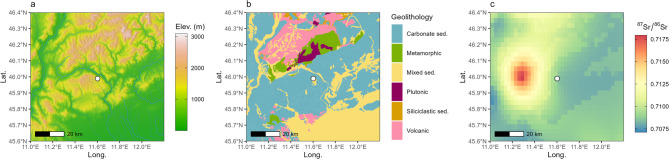 Figure 3
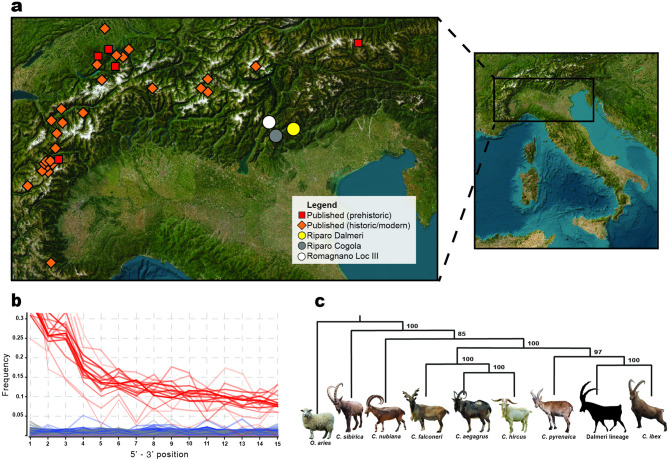 Figure 4
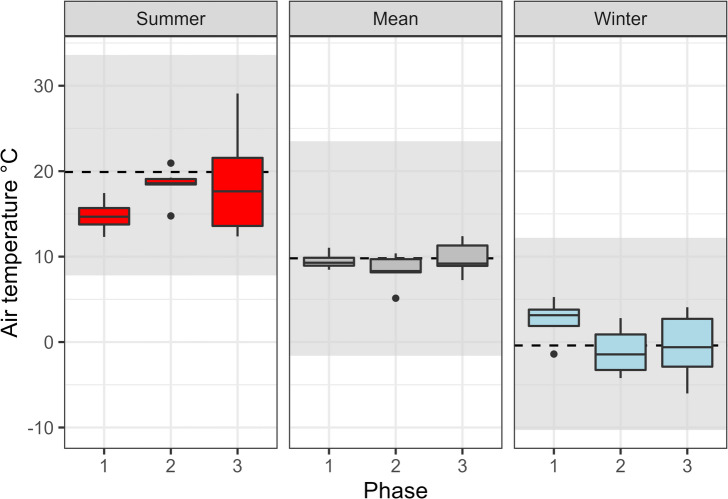 Figure 5
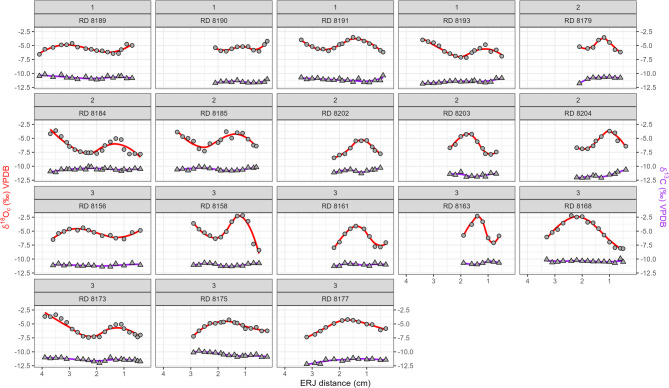 Figure 6
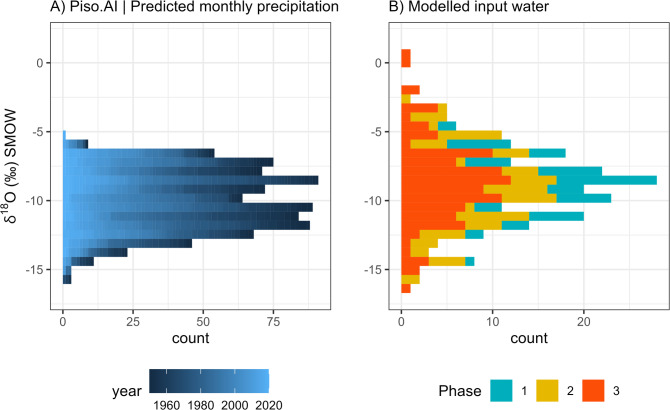 Figure 7
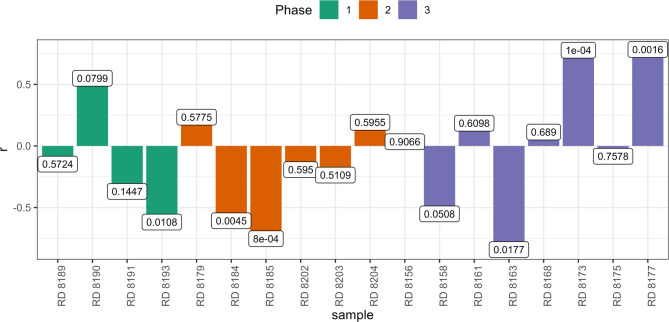 Figure 8
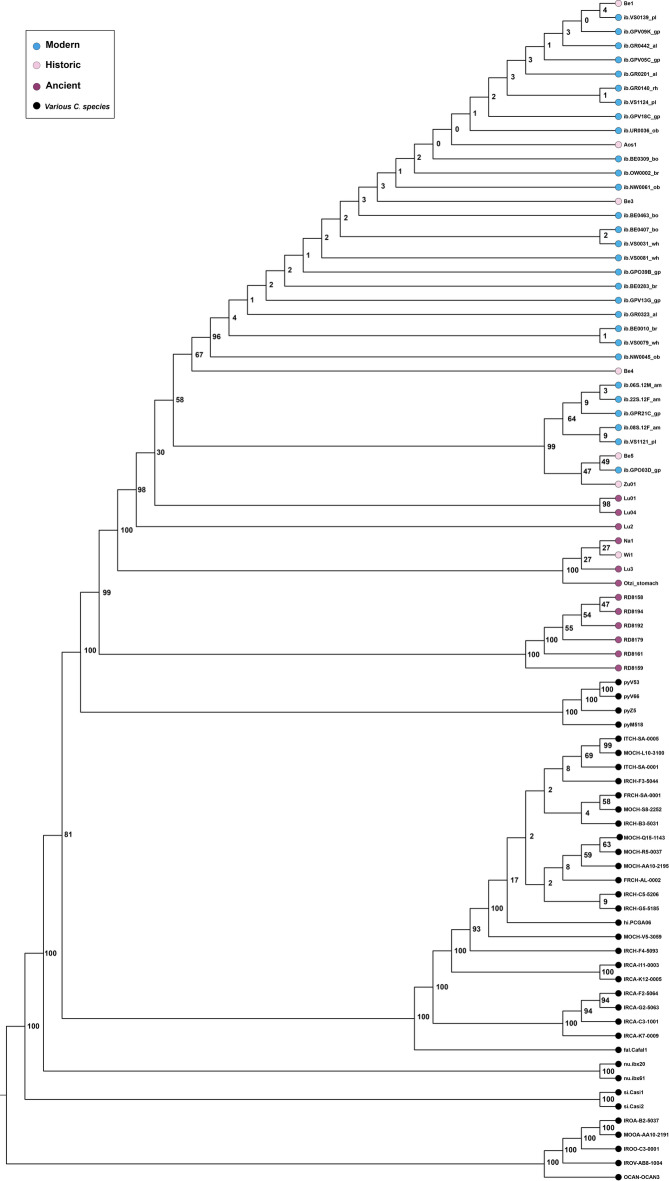 Figure 9
Peer Reviews
No public reviews on file for this paper yet. If you reviewed it on a platform where reviews are public (OpenReview, ICLR, NeurIPS, ICML), you can paste yours below so the community can read it here.
Videos
No videos yet. Explain this paper in a talk, walkthrough, or lecture? Add one.
Taxonomy
TopicsPleistocene-Era Hominins and Archaeology · Archaeological and Geological Studies · Evolution and Paleontology Studies