Anti-HCV NS2-3 potential of selected plant bioactive compounds revealed by docking, simulation and DFT
Clement I. Mboto, Elizabeth N. Mbim, Uwem O. Edet, Moses Lugos, Mohnad Abdalla, Wilfred O. Ndifon, Eno E. Ebenso, Samuel. I. Udo, Henry O. Egharevba, Uwem E. George, Mohamed H El-Sayed, Sami Fatehi Abdalla

TL;DR
This study explores plant compounds that may inhibit a key HCV protein, suggesting potential safer treatments for hepatitis C.
Contribution
The study identifies non-toxic plant-derived compounds with promising anti-HCV activity through computational methods.
Findings
Selected compounds obeyed Lipinski's rule and showed no toxicity.
Isopropyl thiophosphondiamide showed the most stable binding to the HCV NS2-3 protein.
DFT calculations revealed moderate stability and high reactivity of the compounds.
Abstract
Presently, there is no vaccine for hepatitis C virus (HCV) and available drugs present with adverse effects that have prompted the search for newer and safer alternatives. The present study evaluated the anti-HCV potential of selected bioactive compounds from Jatropha tanjorensis and Solanum nigrum against HCV non-structural (NS2-3) protein. The selected bioactive compounds (3-methoxy-4-methylaniline, 2,2’-Azoxybis[3-methylpyridine], isopropyl thiophosphondiamide, and squalene) were screened for compliance with Lipinski’s role five (LRF) and toxicity using the MCULE tool. Furthermore, the ligands were docked against the NS2-3 (2hd0) protein with ledipasvir, and a co-crystal as controls using the Autodock Vina tool. Docking scores were generated using the London dG scoring function. Following docking, a 200 nanosecond (nsec) simulation run was performed using the Schrodinger Desmond…
Genes, proteins, chemicals, diseases, species, mutations and cell lines named across the full text — each resolved to its canonical identifier and authoritative record.
Click any figure to enlarge with its caption.
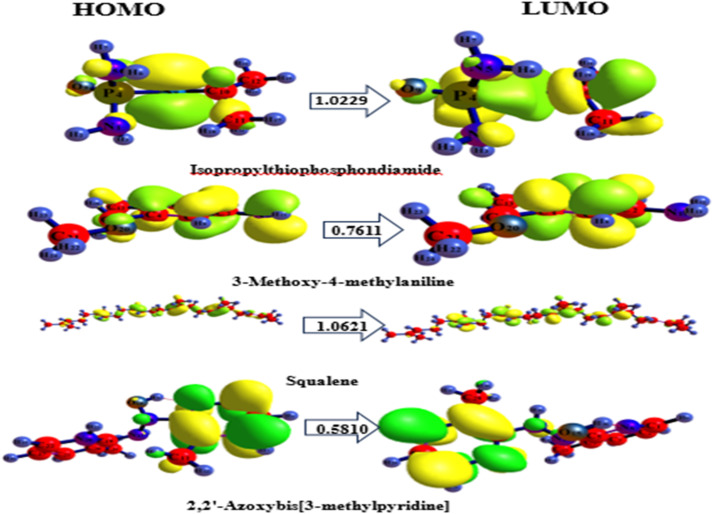 Figure 1
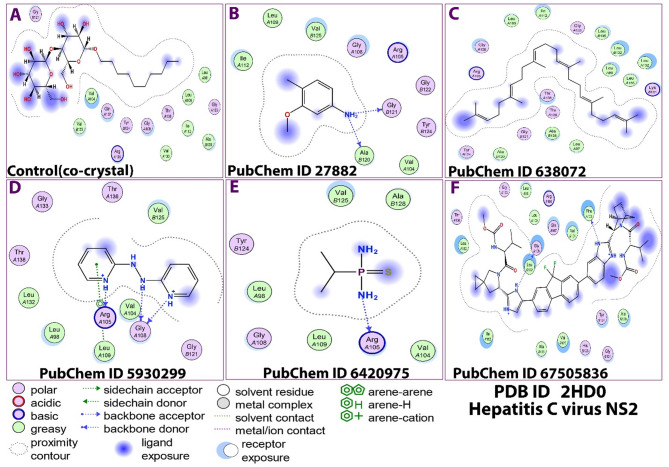 Figure 2
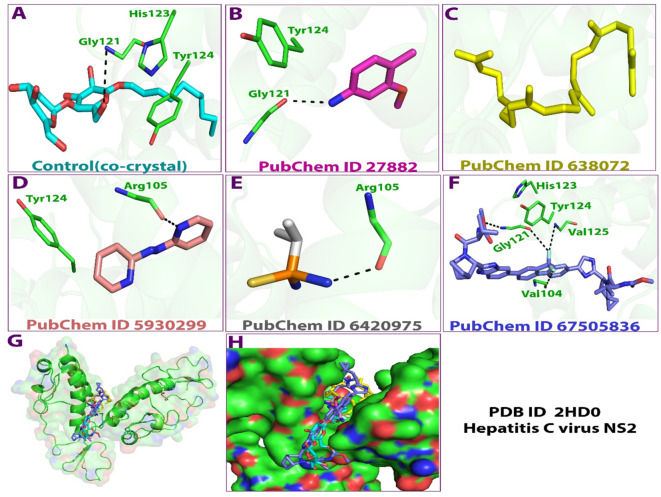 Figure 3
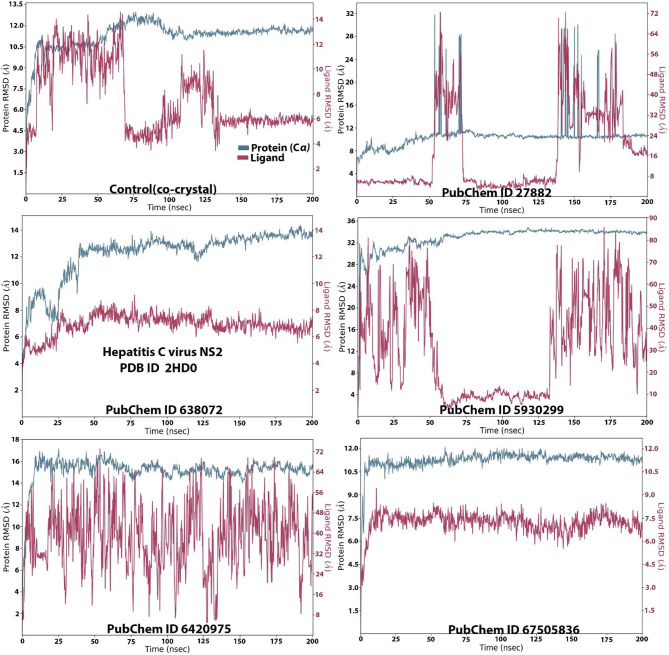 Figure 4
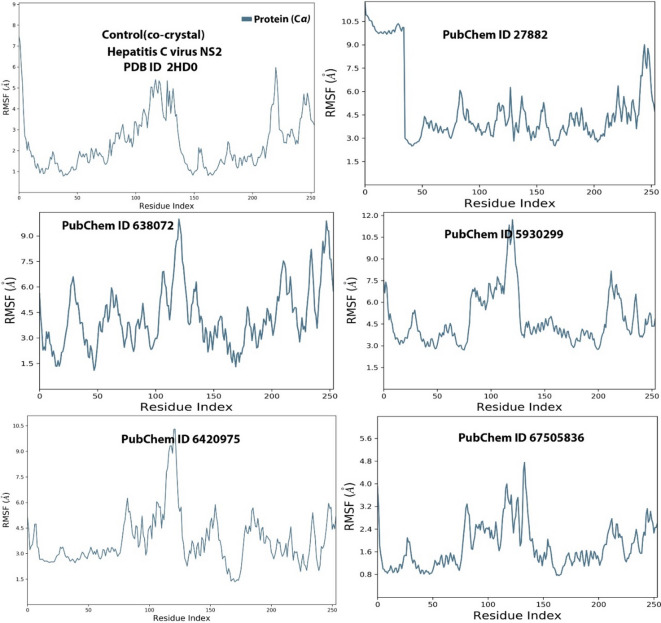 Figure 5
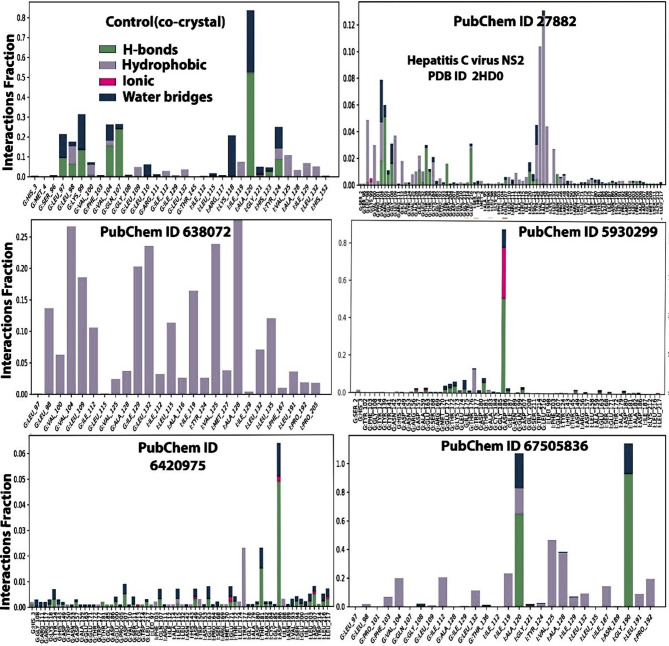 Figure 6
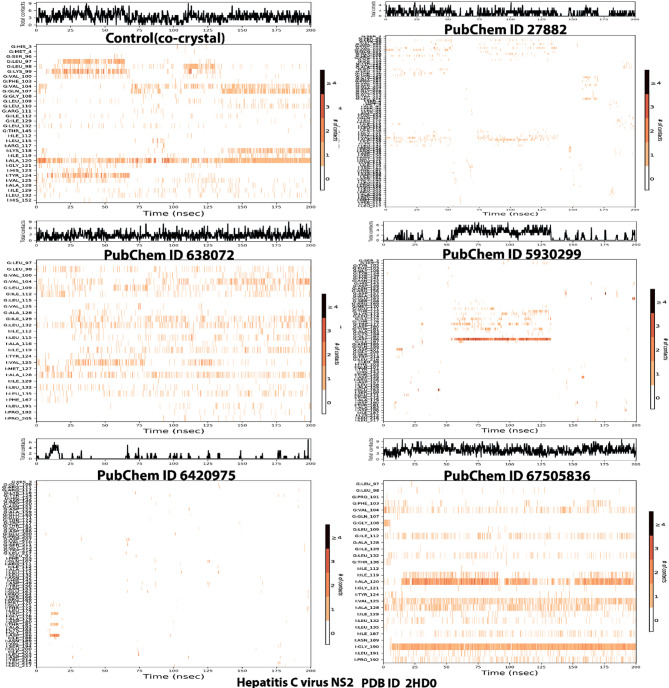 Figure 7
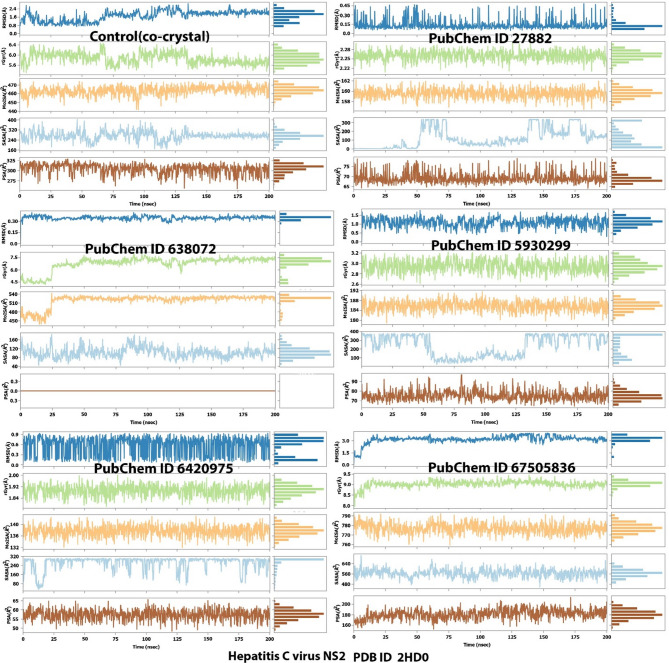 Figure 8
Peer Reviews
No public reviews on file for this paper yet. If you reviewed it on a platform where reviews are public (OpenReview, ICLR, NeurIPS, ICML), you can paste yours below so the community can read it here.
Videos
No videos yet. Explain this paper in a talk, walkthrough, or lecture? Add one.
Taxonomy
TopicsComputational Drug Discovery Methods · Diverse Scientific Research Studies · Hepatitis C virus research