Deep learning using electroencephalogram (EEG) data for diagnosing and predicting SSRI response in major depressive disorder
Sebastian Olbrich, Natalia Jaworska, Sara de la Salle, Verner Knott, Pierre Blier, Martin Brunovsky, Tobias Welt, Mateo de Bardeci, Cheng Teng-Ip

TL;DR
This study uses deep learning on EEG data to diagnose depression and predict response to antidepressants, offering a more objective and personalized approach to treatment.
Contribution
The novel application of deep learning to EEG data for both diagnosing MDD and predicting SSRI treatment response is presented.
Findings
EEG-based deep learning models achieved 67.5% accuracy in detecting MDD and 79% accuracy in predicting SSRI response.
Frontal and parietal alpha activity were identified as key EEG markers for both tasks.
Model-guided SSRI selection could increase treatment response from 50% to 70%, with a number needed to treat of five.
Abstract
Major Depression (MDD) is a potentially life-threatening condition that ranks among the diseases with the highest global burden. Despite its prevalence, current diagnostic methods remain largely subjective, and first-line treatments exhibit high rates of non-responders. This study investigates the application of deep learning (DL) algorithms to electroencephalogram (EEG) data for the MDD-diagnosis and prediction of treatment outcomes following the administration of selective serotonin reuptake inhibitors (SSRIs), using six large, independent datasets with a total of n = 146 for healthy subjects and n = 203 for patients. DL models were trained on one portion of the datasets and tested on unseen data from different subjects. To interpret the classification features, Gradient-weighted Class Activation Mapping (Grad-CAM) was applied. The models achieve an average accuracy of 67.5% (best…
Genes, proteins, chemicals, diseases, species, mutations and cell lines named across the full text — each resolved to its canonical identifier and authoritative record.
Click any figure to enlarge with its caption.
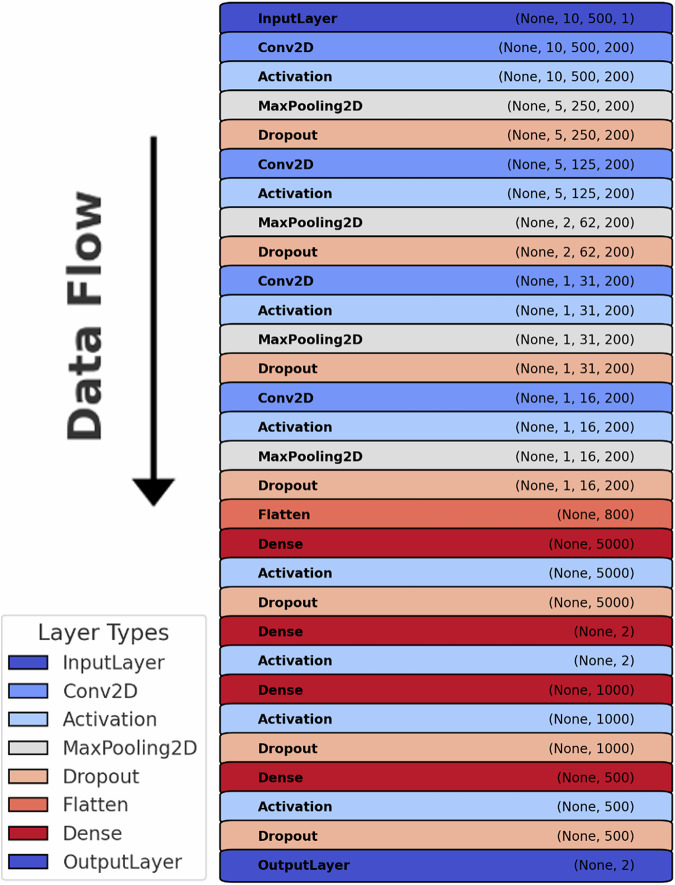 Figure 1
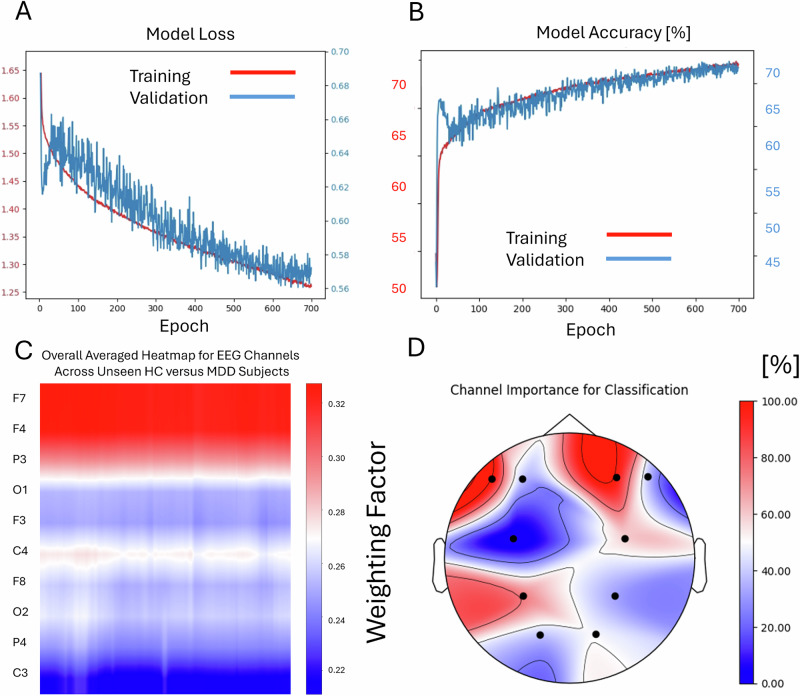 Figure 2
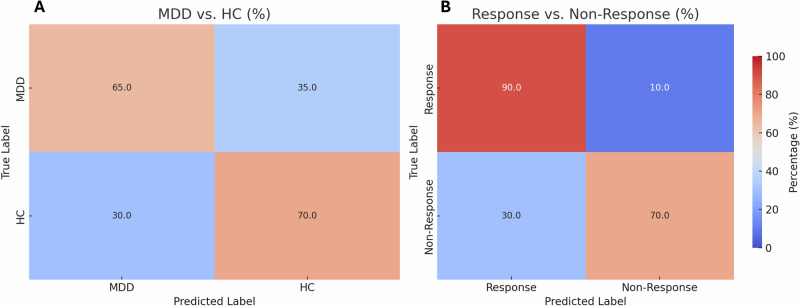 Figure 3
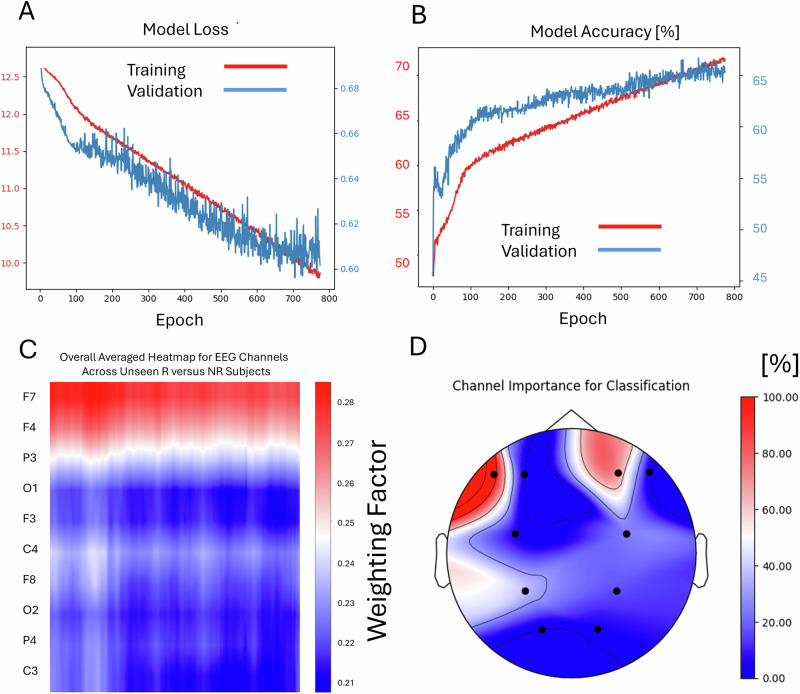 Figure 4
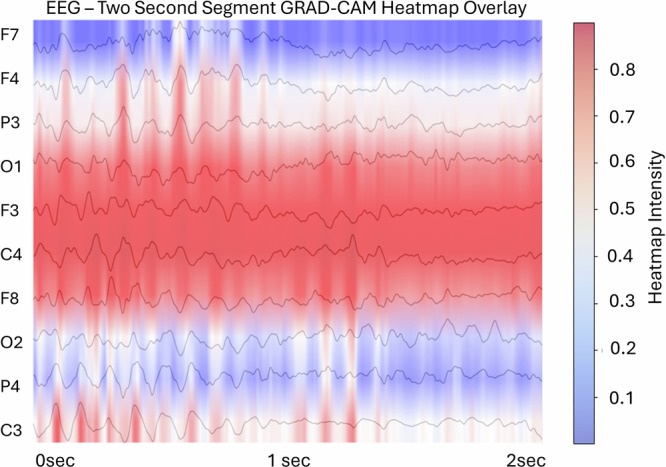 Figure 5
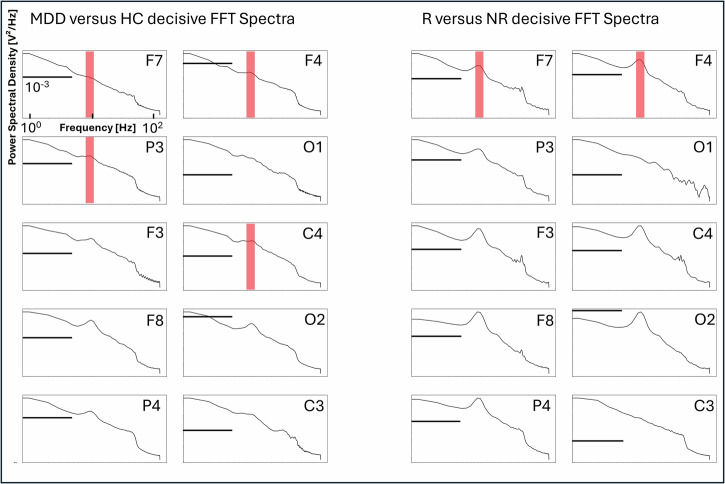 Figure 6
Peer Reviews
No public reviews on file for this paper yet. If you reviewed it on a platform where reviews are public (OpenReview, ICLR, NeurIPS, ICML), you can paste yours below so the community can read it here.
Videos
No videos yet. Explain this paper in a talk, walkthrough, or lecture? Add one.
Taxonomy
TopicsEEG and Brain-Computer Interfaces · Functional Brain Connectivity Studies · Emotion and Mood Recognition