Pegcetacoplan in idiopathic and familial pediatric C3 glomerulopathy
Elena Román Ortiz, Marina Sáez Bello, Andrea Reparaz Suevos, Marisa Perez Ebri, Francisco Aguilar Bacallado, Pilar LLopis Salvia, Mónica Climente Martí, Santiago Rodriguez de Córdoba

TL;DR
This study shows that pegcetacoplan, a C3 inhibitor, effectively treats pediatric C3 glomerulopathy, improving kidney function and reducing proteinuria without serious side effects.
Contribution
The study presents the first pediatric cases successfully treated with pegcetacoplan for C3 glomerulopathy.
Findings
Pegcetacoplan significantly reduced proteinuria within one month in all three pediatric patients.
After six months, patients showed improved kidney function and remission of nephrotic syndrome.
Treatment was well-tolerated with no serious adverse events reported.
Abstract
C3 glomerulopathy (C3G) and immune complex-mediated membranoproliferative glomerulonephritis (IC-MPGN) represent a continuous spectrum of a glomerular disease driven by dysregulation of the complement and characterized by C3 deposition alone or associated with immunoglobulins. Despite the significant burden and poor prognosis associated with these conditions, no therapies have been approved for their treatment in children. In this observational study, we present three pediatric cases that span the clinical and pathogenic spectrum of C3G/IC-MPGN, including multi-resistant nephrotic syndrome with clear terminal pathway activation, familial genetic C3G with early anti-C3 intervention, and multi-resistant nephrotic syndrome of unclear etiology, likely related to IC. All three patients were successfully treated with the C3/C3b inhibitor pegcetacoplan, that inhibited C3, blocked C3…
Genes, proteins, chemicals, diseases, species, mutations and cell lines named across the full text — each resolved to its canonical identifier and authoritative record.
Click any figure to enlarge with its caption.
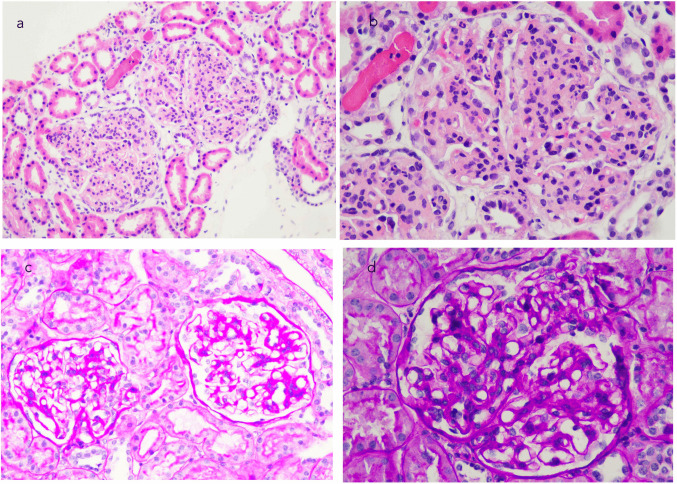 Figure 1
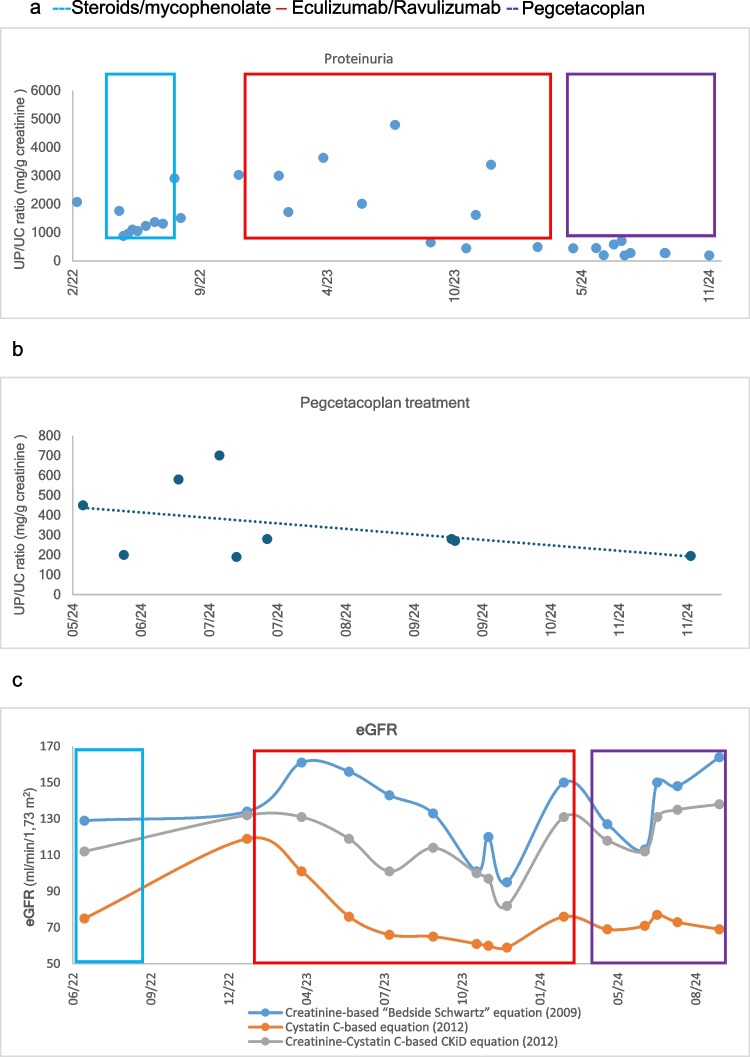 Figure 2
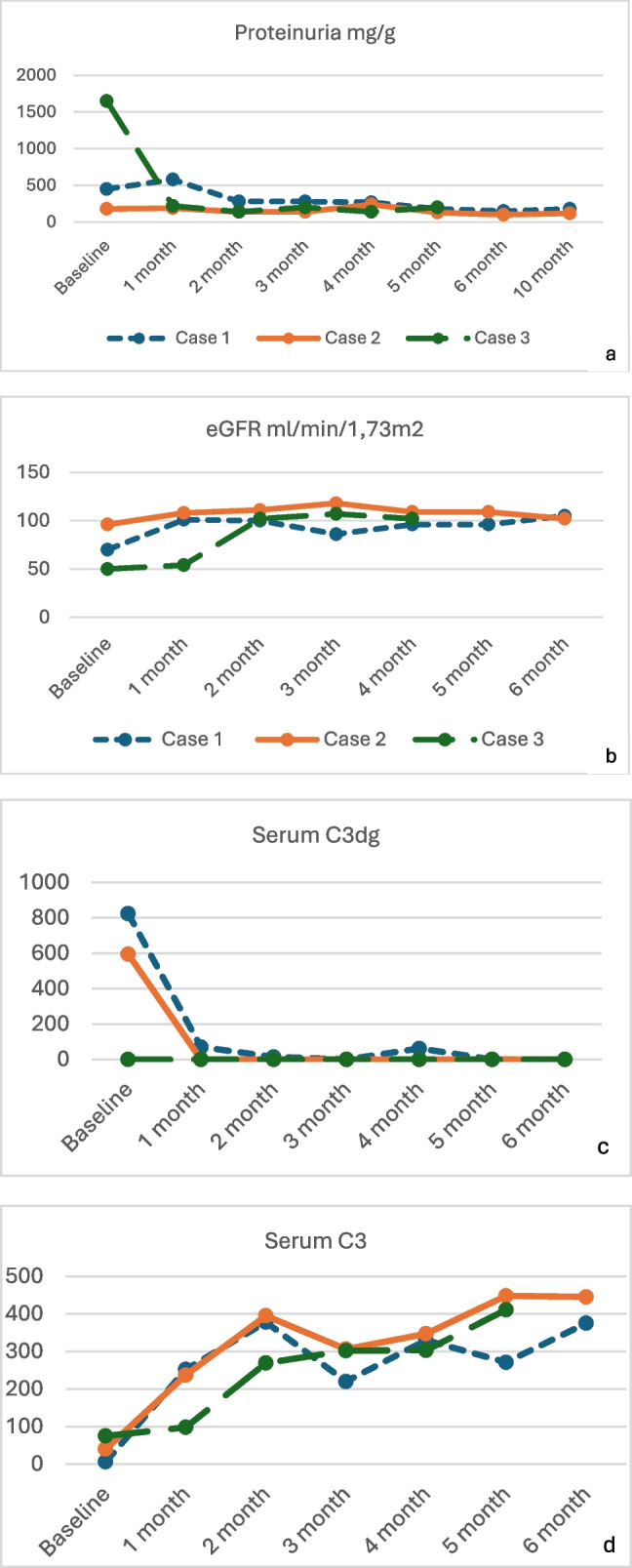 Figure 3
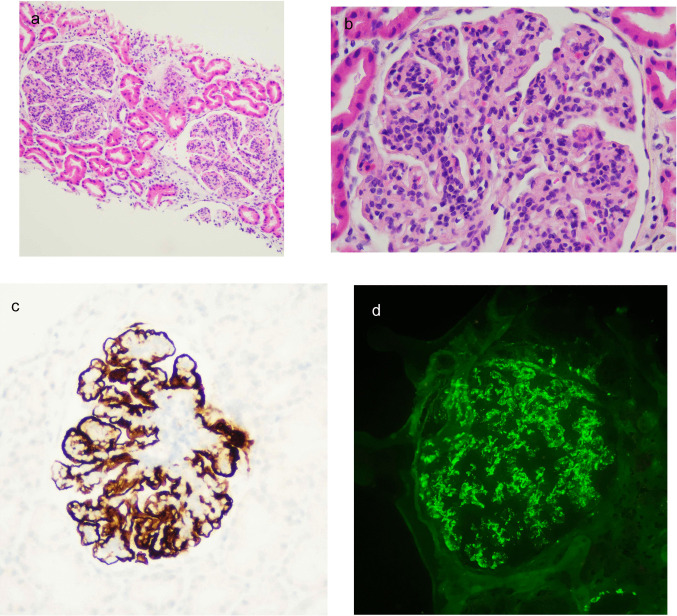 Figure 4
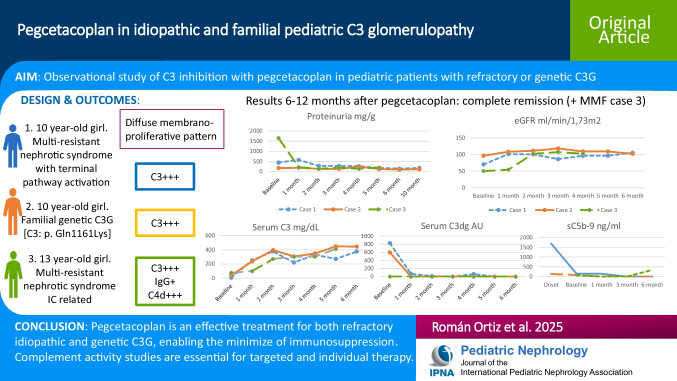 Figure 5
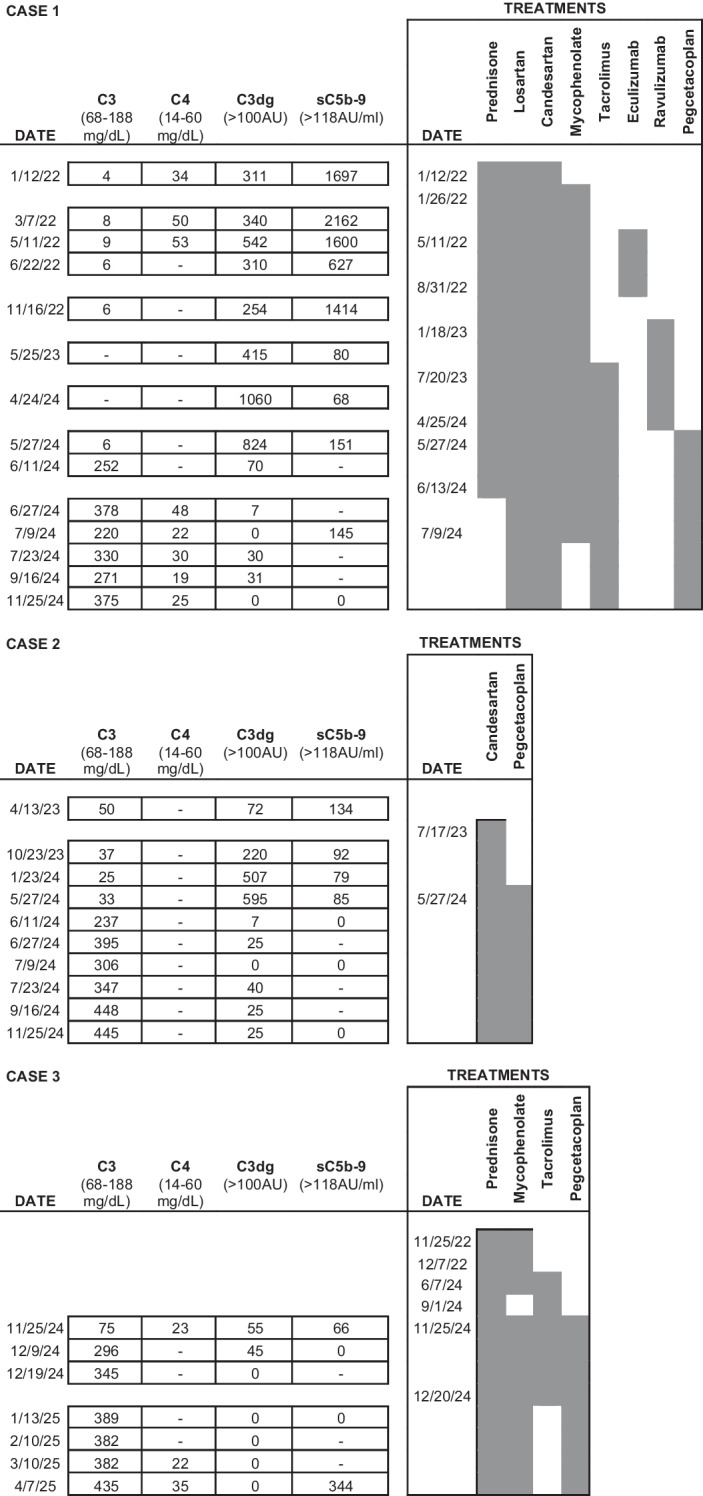 Figure 6
Peer Reviews
No public reviews on file for this paper yet. If you reviewed it on a platform where reviews are public (OpenReview, ICLR, NeurIPS, ICML), you can paste yours below so the community can read it here.
Videos
No videos yet. Explain this paper in a talk, walkthrough, or lecture? Add one.
Taxonomy
TopicsComplement system in diseases · Coagulation, Bradykinin, Polyphosphates, and Angioedema · Peripheral Neuropathies and Disorders