Loss of miR-122 promotes cell migration and poor prognosis in triple-negative breast cancer treated by neoadjuvant chemotherapy
Mauricio Flores-Fortis, Isidro X. Perez-Añorve, Carlos C. Patiño-Morales, Ernesto Soto-Reyes, Claudia H. Gonzalez-De la Rosa, Joaquin Manzo-Merino, Arturo Aguilar-Rojas, Nicolas Villegas, Elena Arechaga-Ocampo

TL;DR
Low levels of miR-122 in triple-negative breast cancer are linked to faster cancer return after treatment and increased cell movement.
Contribution
This study reveals miR-122 loss promotes migration and poor outcomes in TNBC after chemotherapy by modulating BORIS expression.
Findings
Low miR-122 levels in TNBC patients correlate with tumor recurrence after neoadjuvant chemotherapy.
miR-122 inhibits cell migration and BORIS expression in TNBC cells.
BORIS promotes a metastatic-related gene expression profile in miR-122-deficient TNBC tumors.
Abstract
MicroRNAs (miRNAs) are short non-coding RNAs that regulate gene expression post-transcriptionally. miR-122 is abnormally expressed in breast cancer, functioning as both a tumor suppressor and oncomiR, however, its role in triple-negative breast cancer (TNBC) remains unclear. In this study we investigate the molecular mechanism of miR-122 in TNBC patients undergoing neoadjuvant chemotherapy (NAC). We analyzed the expression of miR-122 and its clinical association in TNBC patients from TCGA and KM-plotter datasets. Functional analysis was performed by modulating miR-122 levels in TNBC cells through antagomiR transfections for knockdown assays, and mimic-miR-122 assays, followed by RT-qPCR, immunoblotting, cell viability and migration assays. Downregulation of miR-122 in TNBC patients is associated with tumor recurrence but not with pathologic complete response after NAC. Low miR-122…
Genes, proteins, chemicals, diseases, species, mutations and cell lines named across the full text — each resolved to its canonical identifier and authoritative record.
Click any figure to enlarge with its caption.
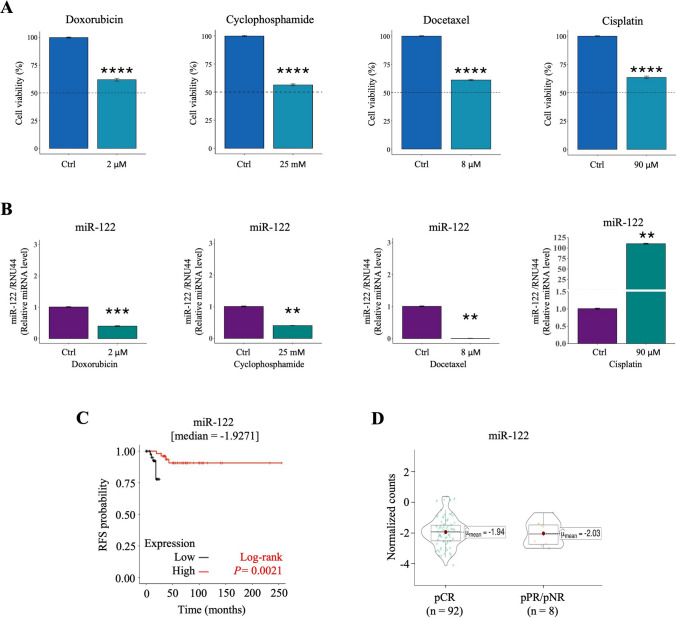 Figure 1
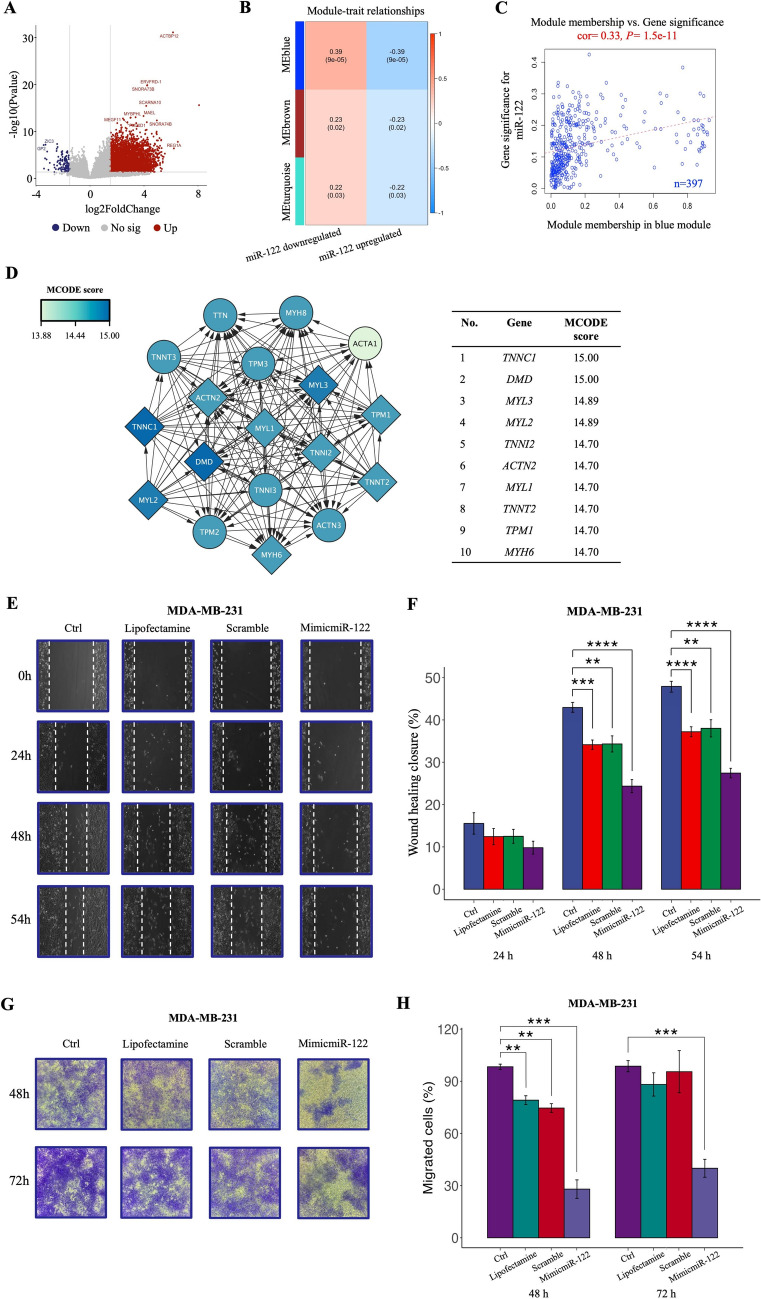 Figure 2
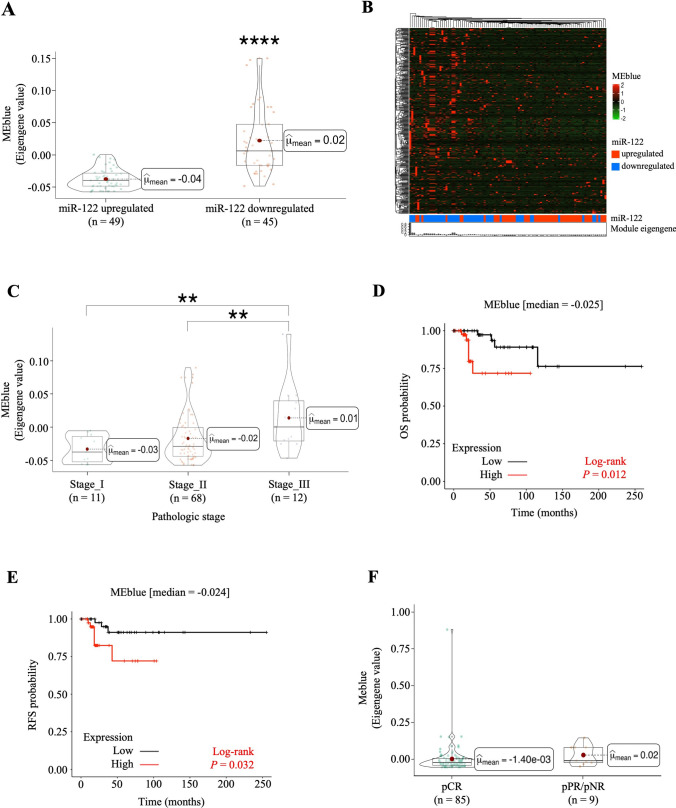 Figure 3
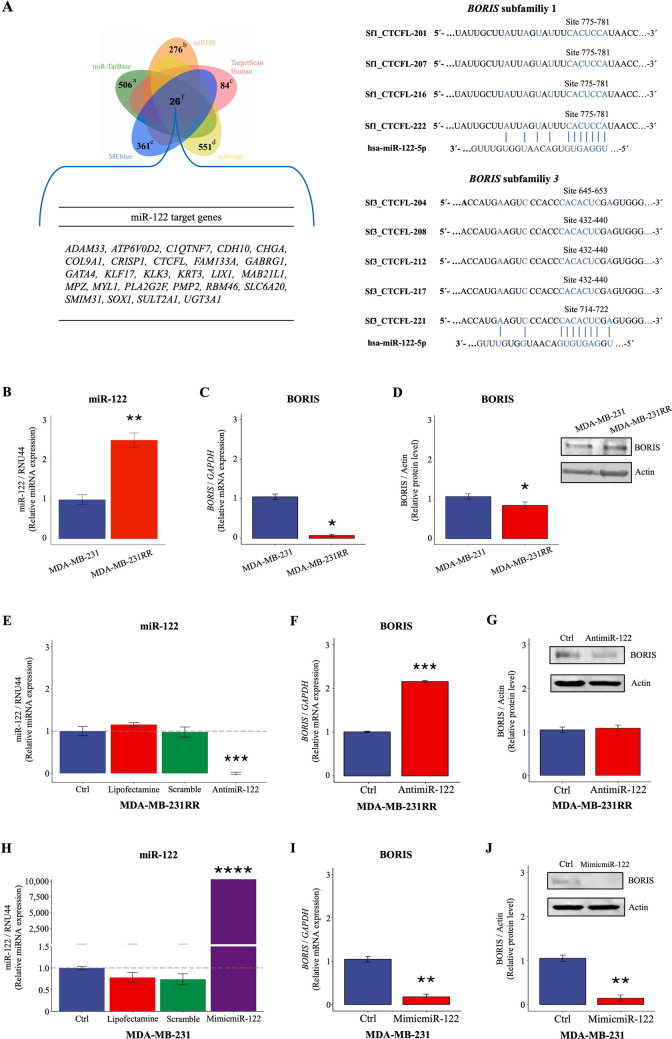 Figure 4
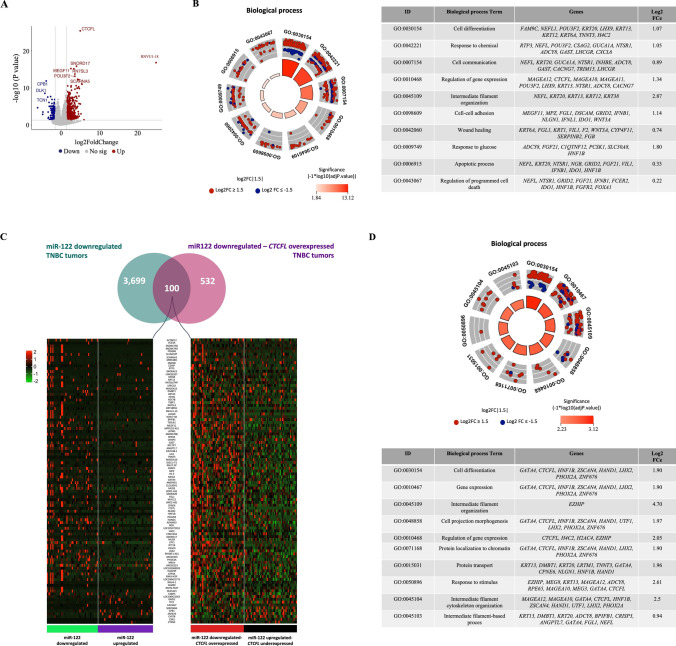 Figure 5
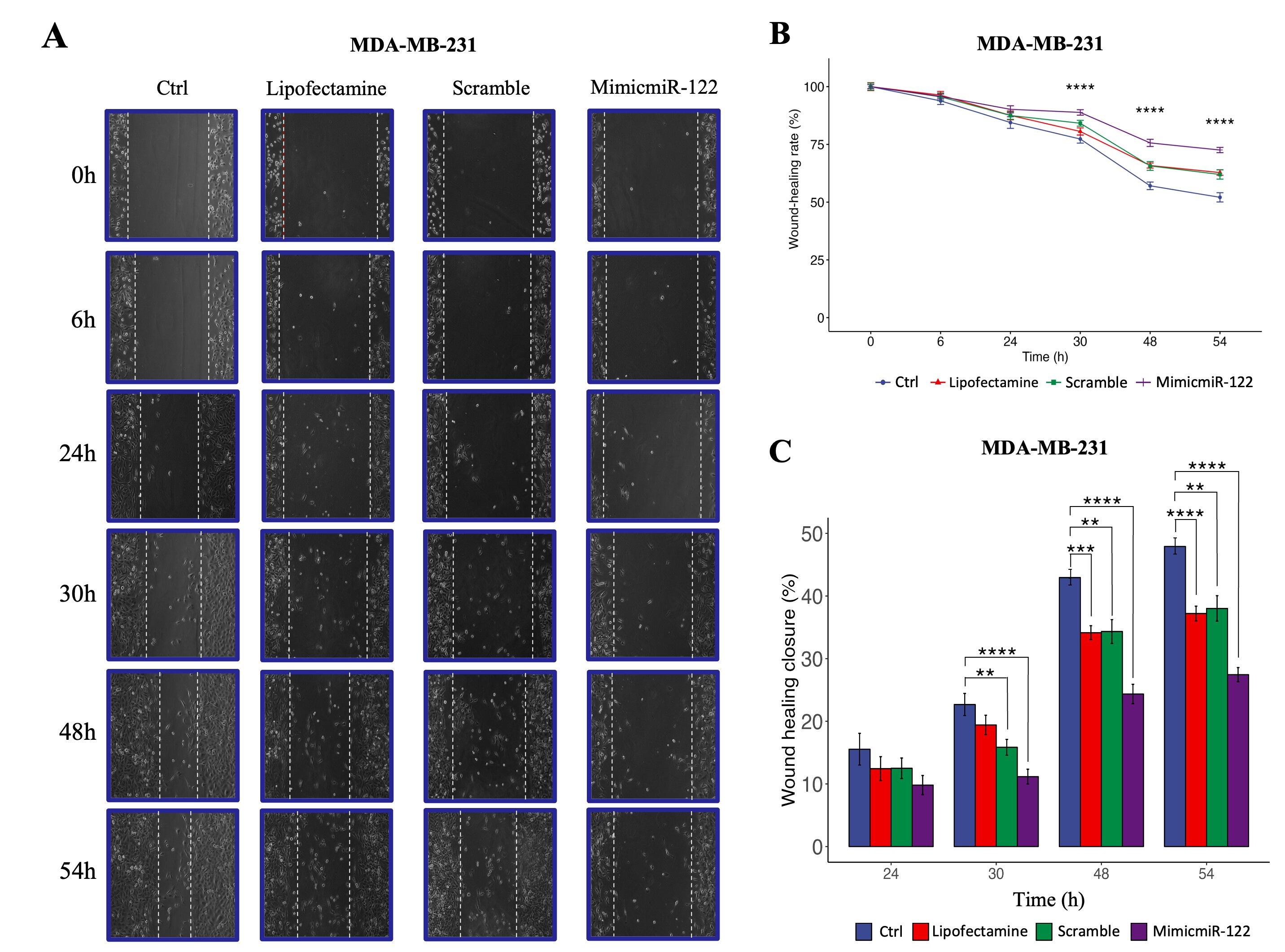 Figure 6
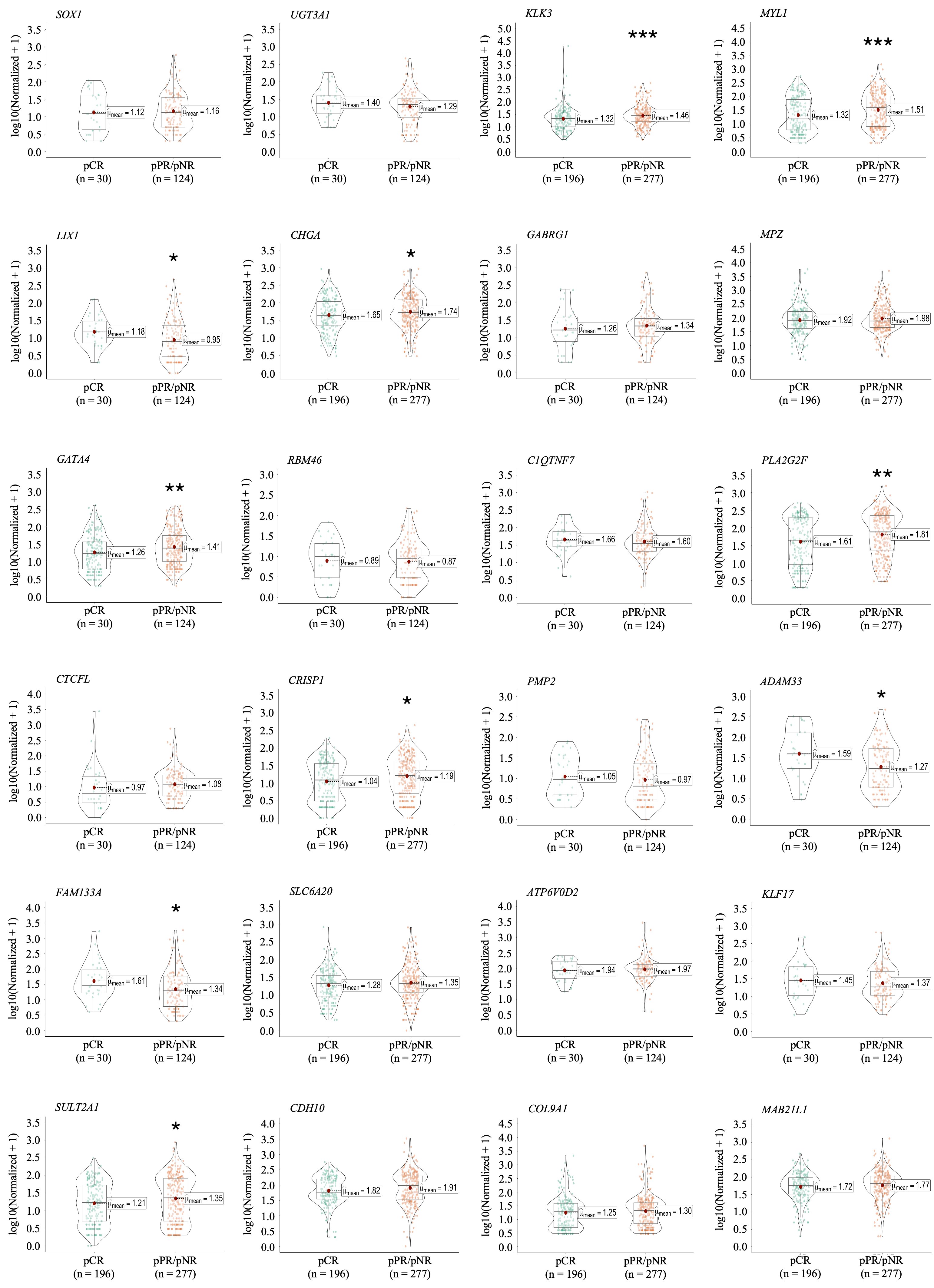 Figure 7
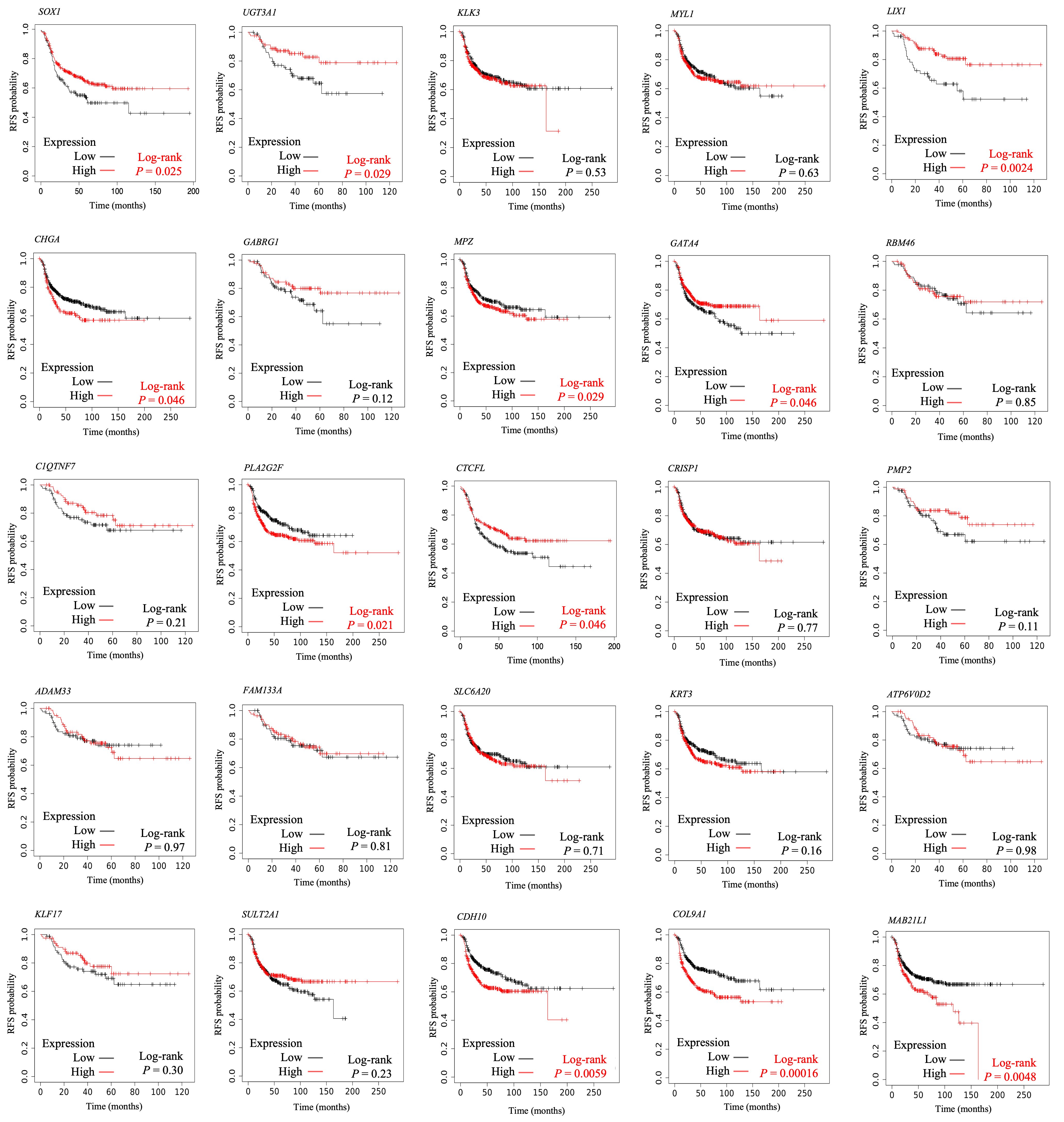 Figure 8
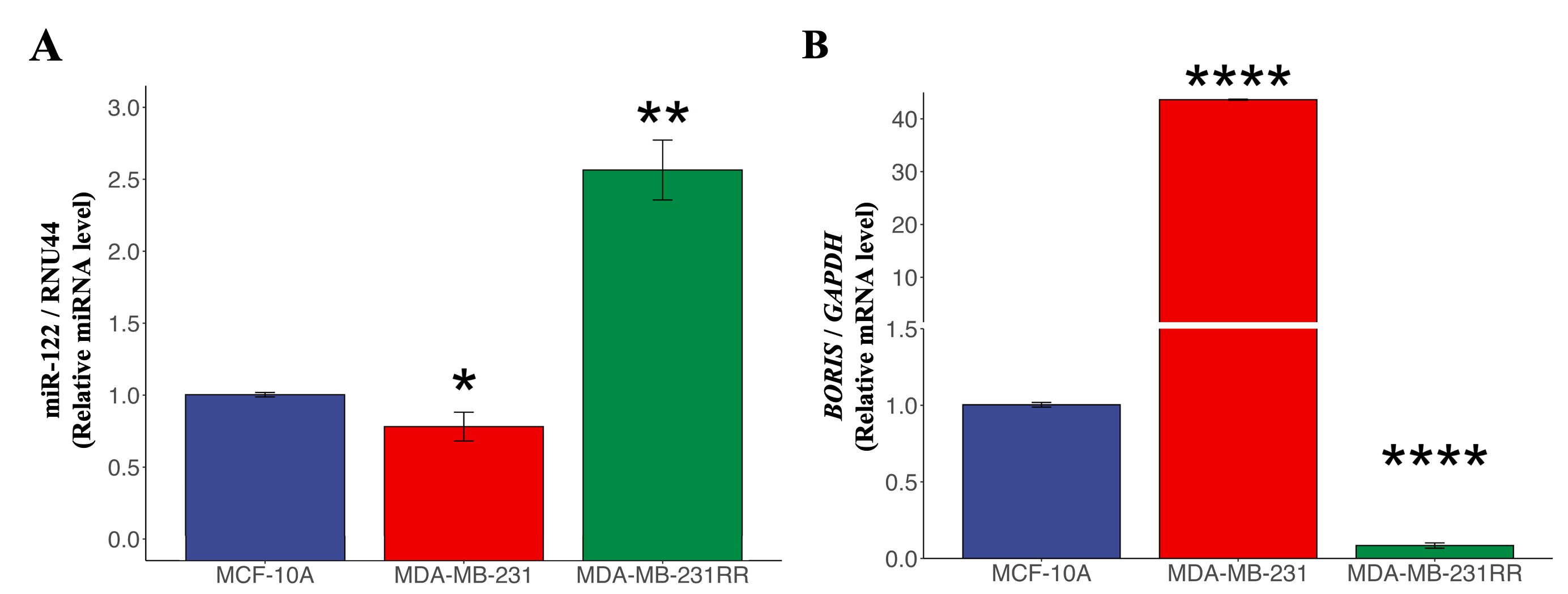 Figure 9
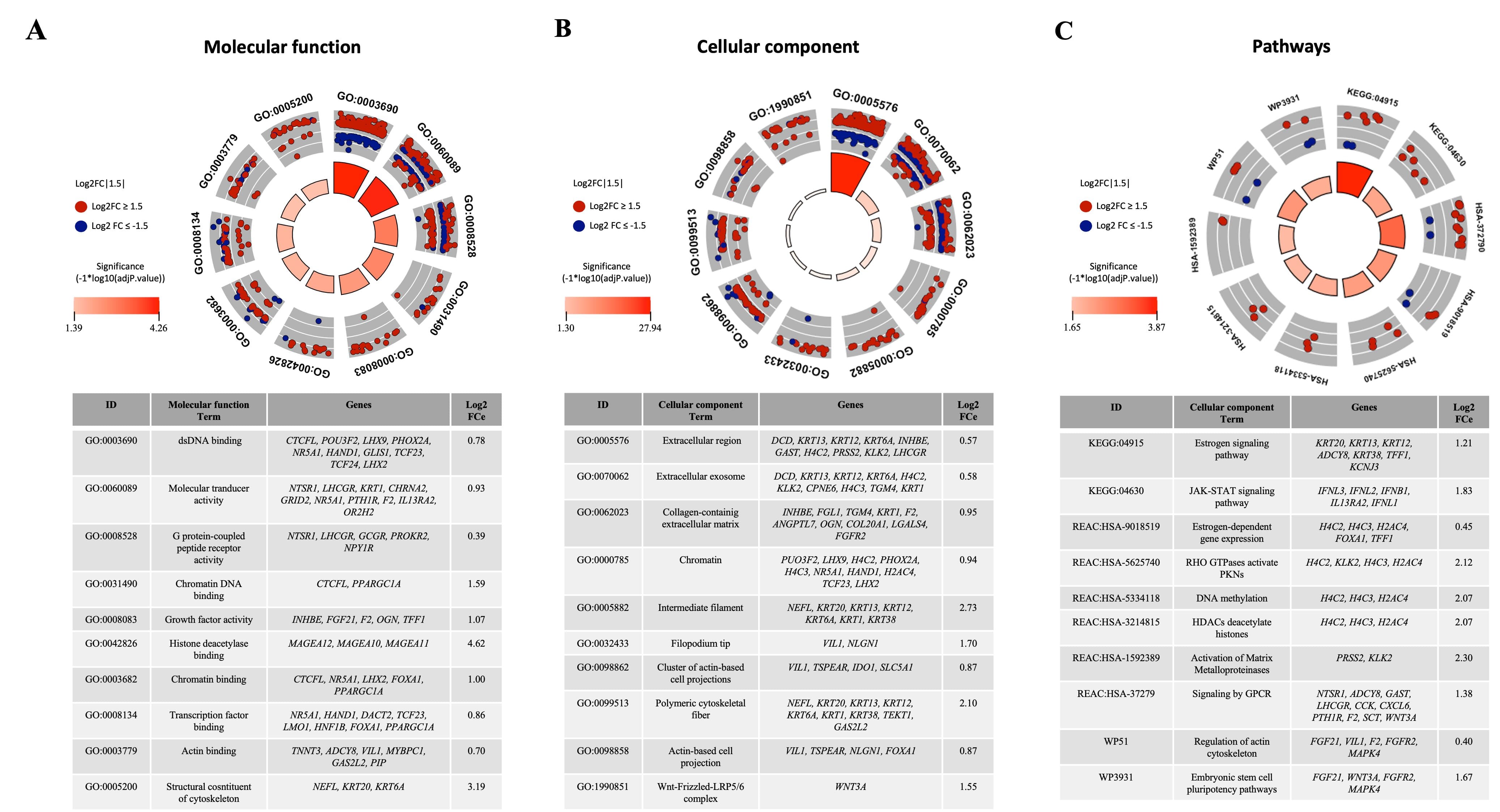 Figure 10
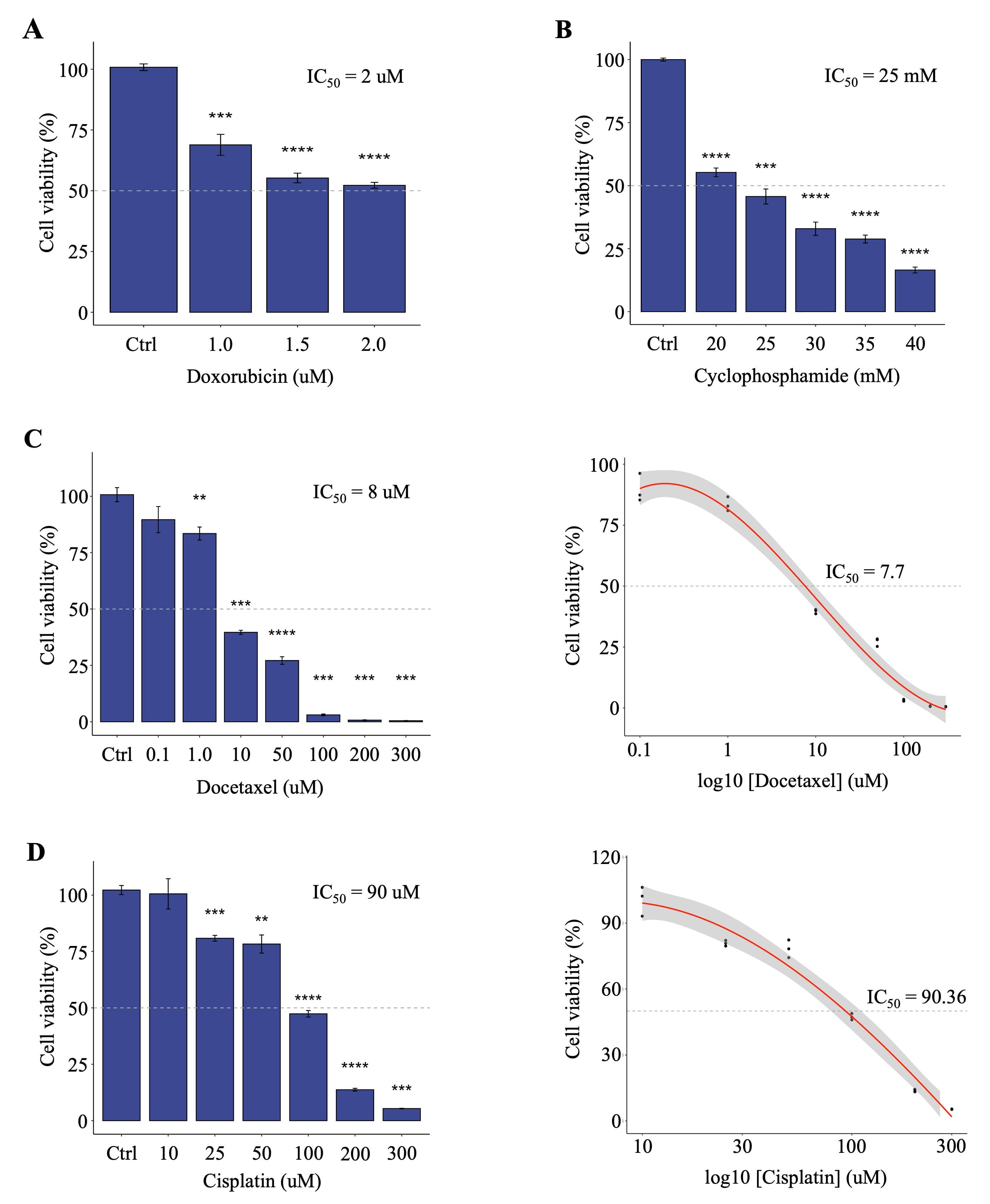 Figure 11
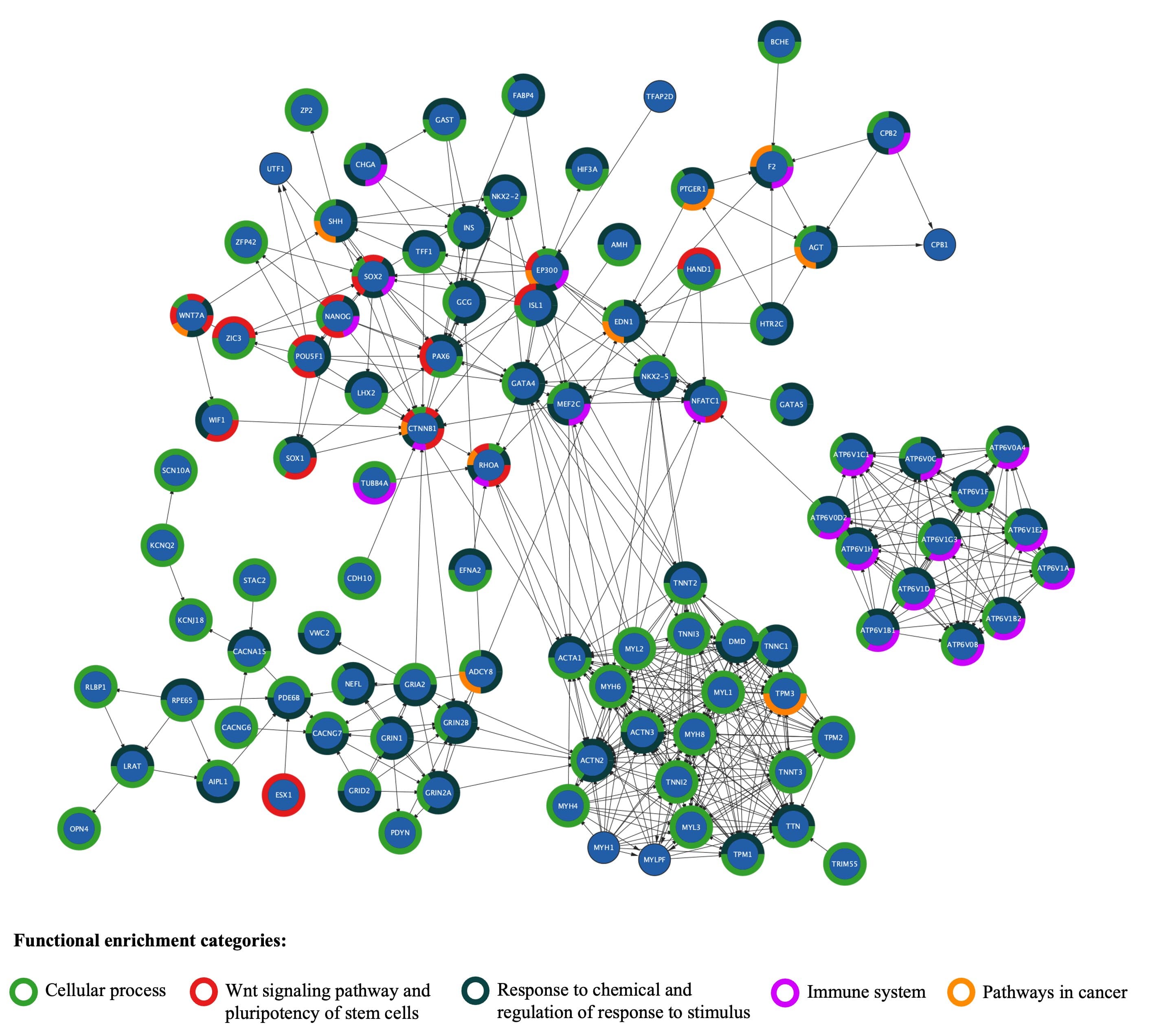 Figure 12
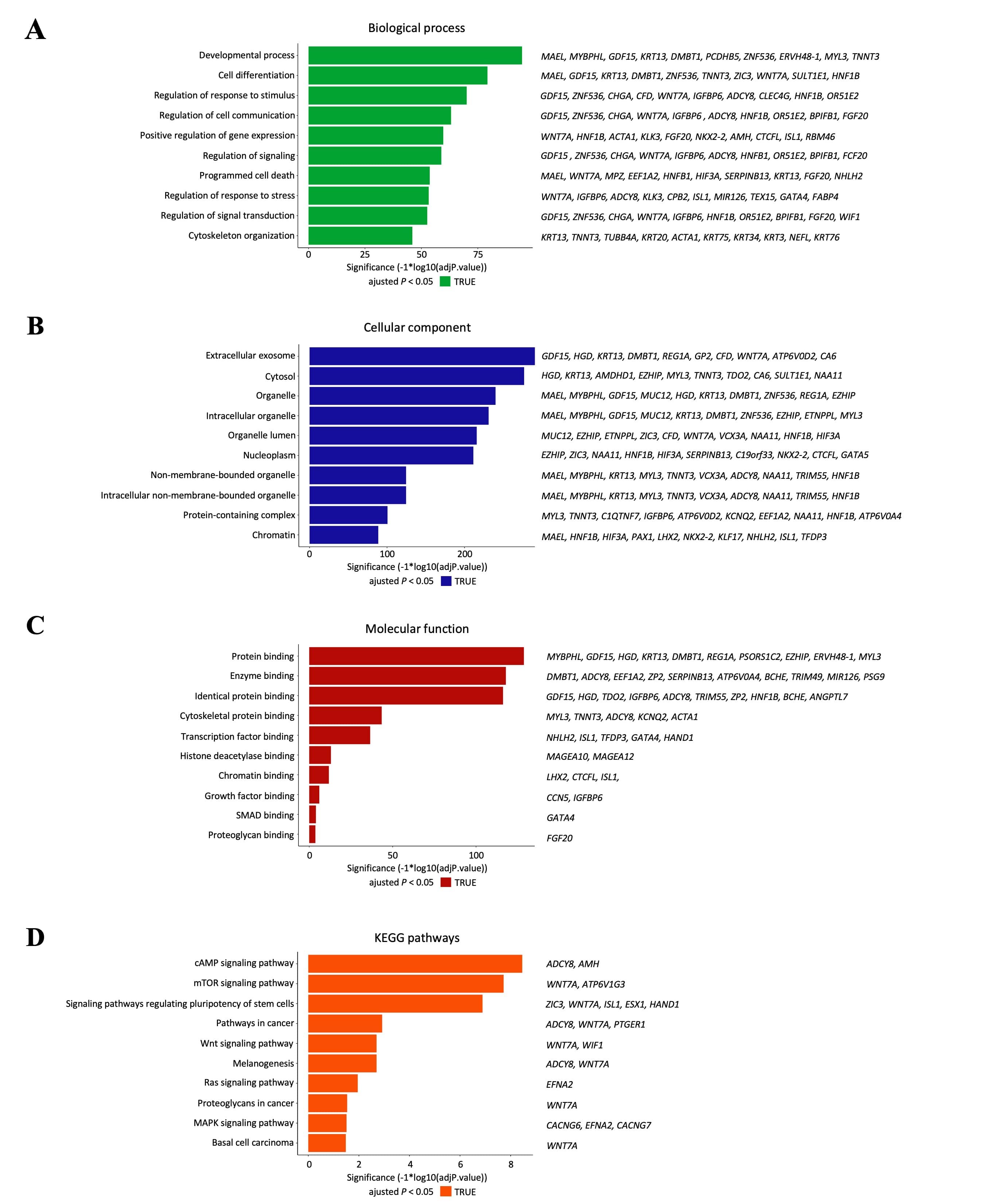 Figure 13
Peer Reviews
No public reviews on file for this paper yet. If you reviewed it on a platform where reviews are public (OpenReview, ICLR, NeurIPS, ICML), you can paste yours below so the community can read it here.
Videos
No videos yet. Explain this paper in a talk, walkthrough, or lecture? Add one.
Taxonomy
TopicsMicroRNA in disease regulation · Cancer-related molecular mechanisms research · Circular RNAs in diseases