Development and Validation of a Novel Stenosis Model for Percutaneous Transluminal Angioplasty Training of the Internal Carotid Artery
N. Ramdani, A. A. Kyselyova, N. MacMillan, N. T. Ngo, J. Schmiech, M. Wagner, K. Schulte, D. Krause, F. Flottmann, L. Meyer, M. Bester, J. Fiehler, H. Guerreiro

TL;DR
This paper introduces a new 3D-printed model for training in a medical procedure to treat artery narrowing in the neck, showing it works well for realistic practice.
Contribution
A novel 3D-printed stenosis model for PTA training in the internal carotid artery is developed and validated.
Findings
Experienced participants performed the procedure faster and with lower radiation doses.
The model was rated as realistic and feasible for training purposes.
No significant difference in contrast volume used was found between experience groups.
Abstract
The rising demand for endovascular stroke therapy highlights the need for standardized training environments. Studies have shown the positive impact of simulator-based training for neurointerventional procedures. Given the frequent use of percutaneous transluminal angioplasty (PTA) of the internal carotid artery (ICA) in acute settings, specialized simulation training is crucial. This study evaluates the feasibility of a custom-made ICA stenosis model for PTA simulation. Internally developed 3D-printed circular clamps were attached to patient-based 3D printed ICA models and integrated into a previously described realistic whole-body neurovascular simulation model HANNES (Hamburg Anatomic Neurointerventional Endovascular Simulator) to simulate a proximal ICA stenosis. Participants (N = 5) of varying experience levels each performed three PTA procedures. Fluoroscopy time, radiation…
Genes, proteins, chemicals, diseases, species, mutations and cell lines named across the full text — each resolved to its canonical identifier and authoritative record.
Click any figure to enlarge with its caption.
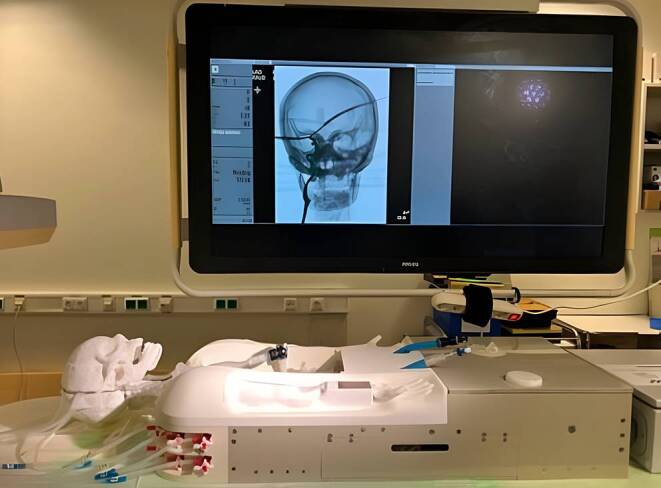 Figure 1
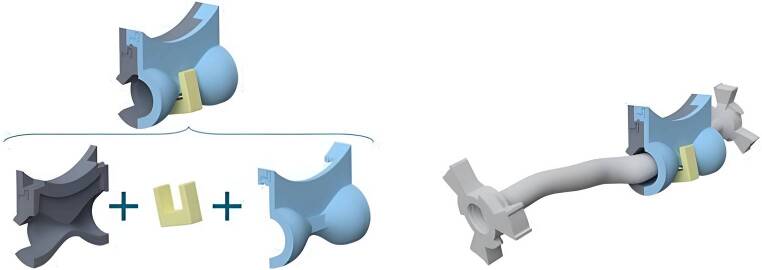 Figure 2
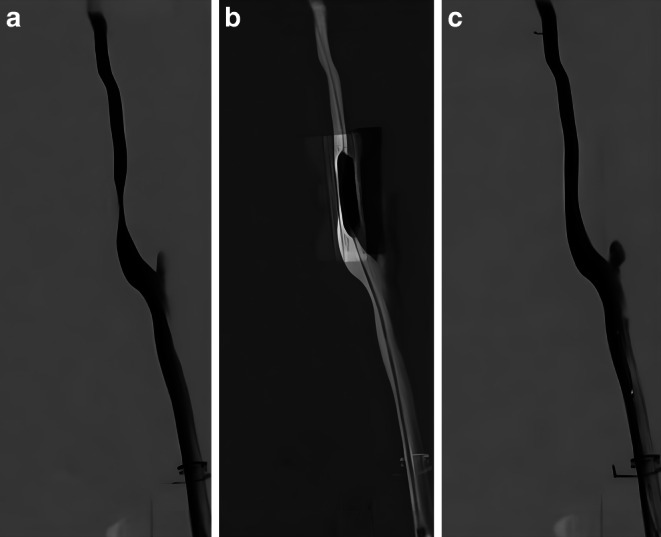 Figure 3
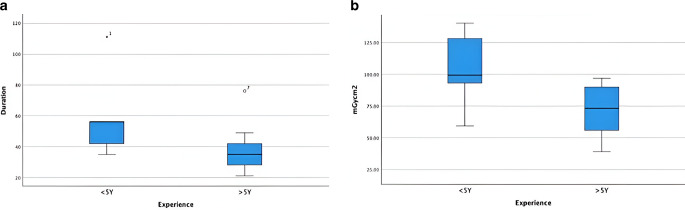 Figure 4
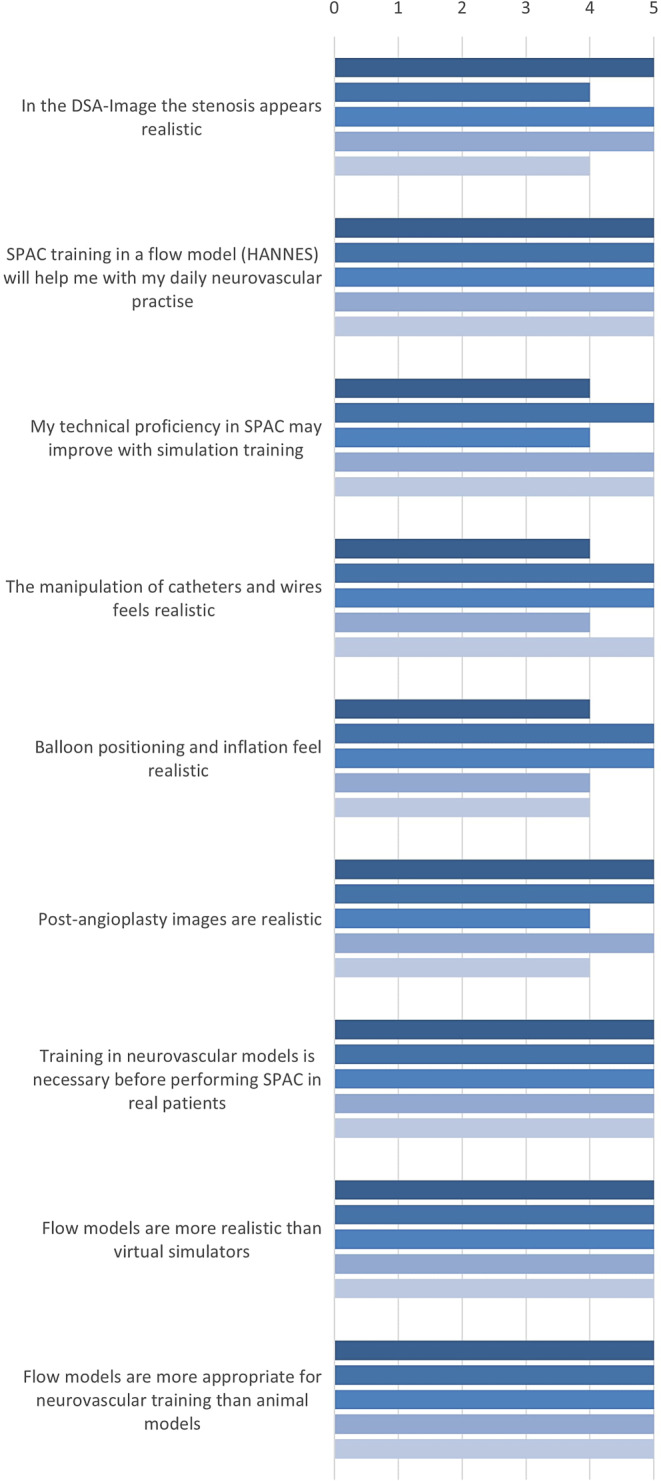 Figure 5
Peer Reviews
No public reviews on file for this paper yet. If you reviewed it on a platform where reviews are public (OpenReview, ICLR, NeurIPS, ICML), you can paste yours below so the community can read it here.
Videos
No videos yet. Explain this paper in a talk, walkthrough, or lecture? Add one.
Taxonomy
TopicsCerebrovascular and Carotid Artery Diseases · Acute Ischemic Stroke Management · Intracranial Aneurysms: Treatment and Complications