Hypoxemia-induced TIGIT expression in obstructive sleep apnea is reversible with continuous positive airway pressure
Paula Pérez-Moreno, Elena Díaz-García, Cristina López-Fernández, Aldara García-Sánchez, Eva Mañas, Laura Pozuelo-Sánchez, María Torres-Vargas, Elisabet Martínez-Cerón, Raquel Casitas, Raúl Galera, María Fernández Velasco, Luis del Peso, Francisco García-Río

TL;DR
This study shows that low oxygen levels in sleep apnea increase TIGIT, an immune checkpoint, and that this effect can be reversed with CPAP treatment.
Contribution
The study demonstrates that TIGIT expression in OSA is reversible with CPAP and linked to hypoxemia via HIF-1α.
Findings
TIGIT expression on T cells is elevated in OSA patients and correlates with hypoxemia indicators.
In vitro hypoxemia models confirm HIF-1α's role in upregulating TIGIT expression.
One year of CPAP treatment significantly reduces TIGIT expression in OSA patients.
Abstract
Obstructive Sleep Apnea (OSA) is a prevalent syndrome characterized by intermittent hypoxemia and elevated risk of comorbidities, including cancer. In this context, the immune response may contribute to tumor evasion though immune checkpoints. Herein, we investigate the TIGIT immune checkpoint in OSA patients and its association with hypoxemia. We recruited 94 severe OSA patients without cancer evidence and 92 control subjects to study the TIGIT receptors and their ligands in T cells and monocytes, respectively. Furthermore, we examined the role of hypoxemia – particularly the involvement of HIF-1α (hypoxia inducible factor-1α) - using a combination of in vitro models. Moreover, we evaluated the effect of one year of standard therapy with CPAP (continuous positive airway pressure) in OSA patients. Our data suggests that the TIGIT expression increase on T cells from OSA patients and is…
Genes, proteins, chemicals, diseases, species, mutations and cell lines named across the full text — each resolved to its canonical identifier and authoritative record.
Click any figure to enlarge with its caption.
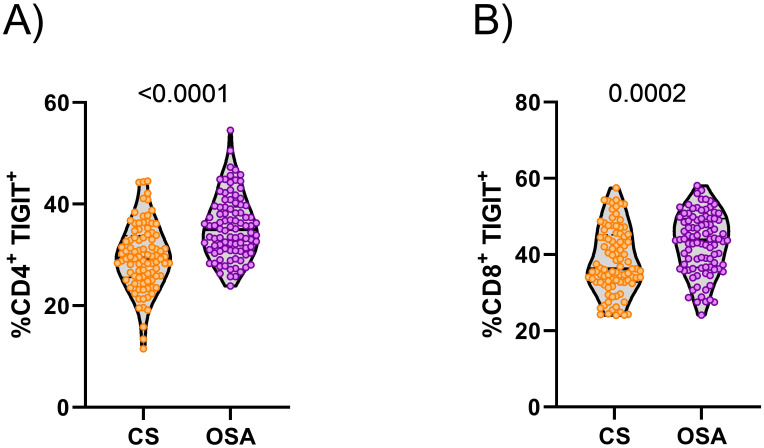 Figure 1
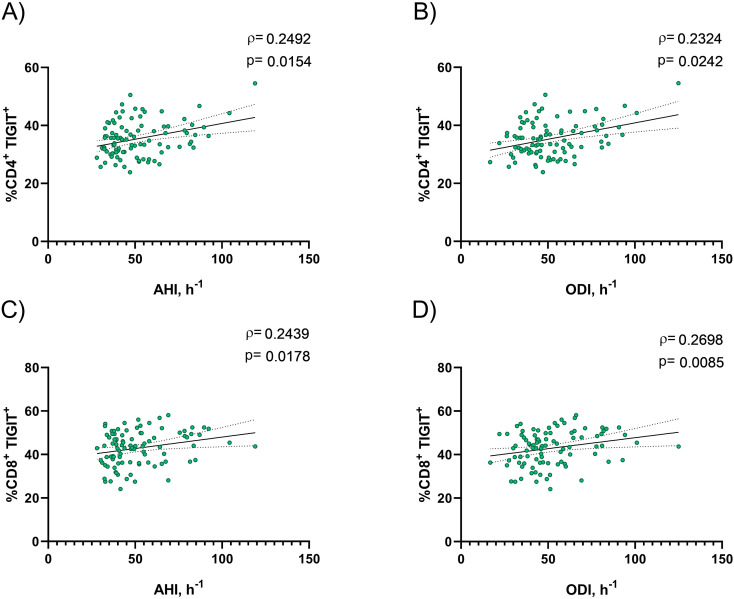 Figure 2
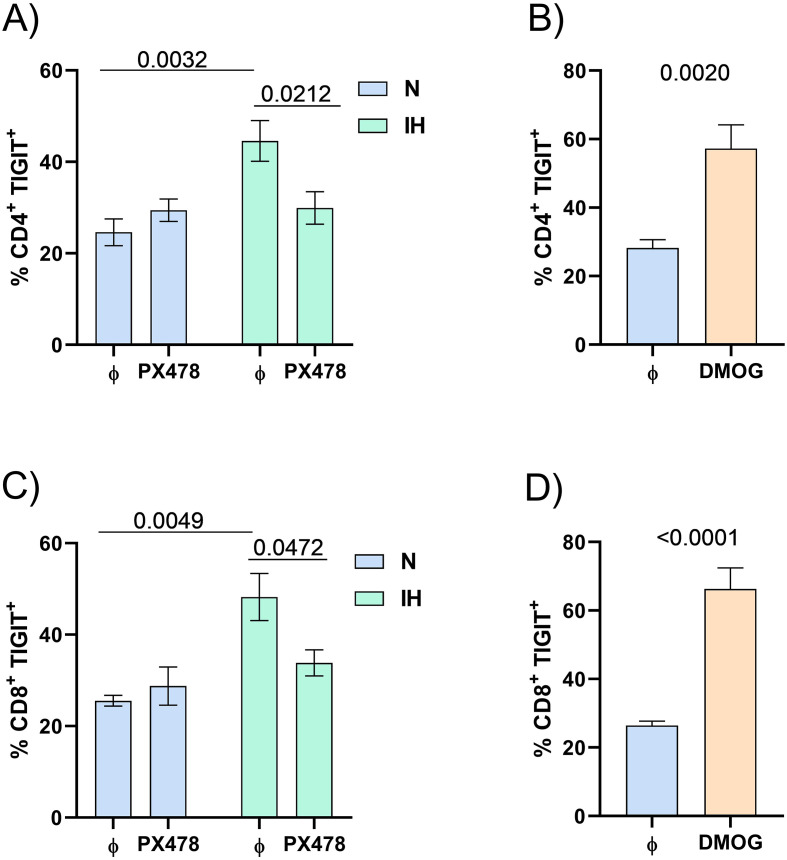 Figure 3
 Figure 4
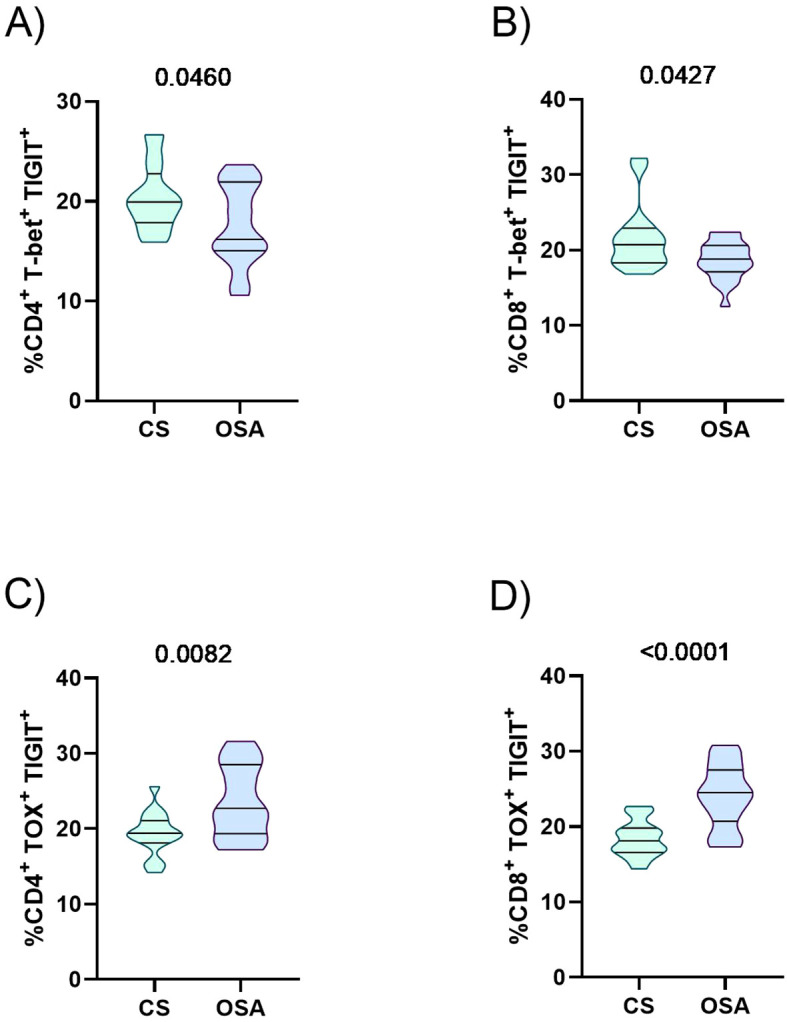 Figure 5
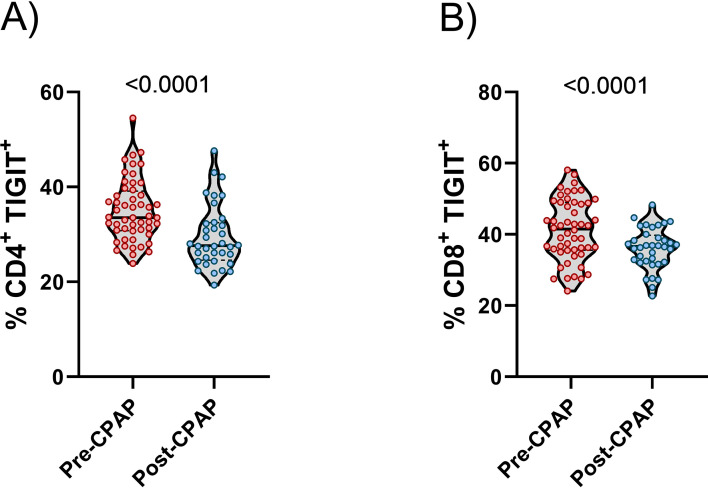 Figure 6
Peer Reviews
No public reviews on file for this paper yet. If you reviewed it on a platform where reviews are public (OpenReview, ICLR, NeurIPS, ICML), you can paste yours below so the community can read it here.
Videos
No videos yet. Explain this paper in a talk, walkthrough, or lecture? Add one.
Taxonomy
TopicsPhagocytosis and Immune Regulation · Immune Cell Function and Interaction · Cancer, Hypoxia, and Metabolism