Outcome-Based Self-Directed Learning (OBSDL) in Pharmacology in the Indian Context: A Convergent Mixed-Method Study
Shalini Chandra, Anju Saxena, Pooja Agrawal, Tripti Waghmare, Sujata Singh, Iram Shaifali

TL;DR
This study explores how outcome-based self-directed learning improves pharmacology education for medical students in India.
Contribution
It introduces a mixed-method approach to implement and evaluate OBSDL in pharmacology education within the Indian context.
Findings
OBSDL significantly improved posttest scores in selected pharmacology topics.
Thematic analysis revealed key SDL skills like self-learning, metacognition, and collaboration.
Strong consensus among experts was achieved for lesson plan validation.
Abstract
Background: The outcome-based self-directed learning (OBSDL) allows students to achieve course outcomes (COs) in pharmacology. We aimed to implement and enhance the ability of self-directed learning (SDL) among medical undergraduates. SDL can appear in the classroom. By leveraging OBSDL as an extension to SDL, we can create a more meaningful learning experience for students that will last beyond the regurgitation of memorized content. The alignment of the curricular framework, implementation of lesson plans, sharing of SLOs, guidance for resources, and robust assessment all contribute to the achievement of OBSDL. A combination of teaching methodologies should be practiced and complemented to facilitate learning among students in competency-based medical education (CBME). Objectives: This study aimed to implement SDL sessions to align the curricular framework with selected pharmacology…
Genes, proteins, chemicals, diseases, species, mutations and cell lines named across the full text — each resolved to its canonical identifier and authoritative record.
Click any figure to enlarge with its caption.
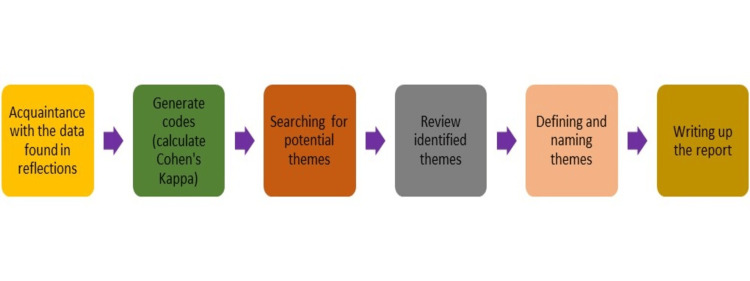 Figure 1
| Parameter | 1st contact session | 2nd contact session |
| Name of competency | Skeletal muscle relaxants | Skeletal muscle relaxants |
| Knowledge (K)† | Yes | Yes |
| Knowledge-how (KH)† | Yes | Yes |
| Show (S)† | No | No |
| Show how (SH)† | No | No |
| No. of learners | 54 | 54 |
| Year of instruction | 2nd phase MBBS | 2nd phase MBBS |
| SLOs and guidance for resources | Yes | Yes |
| Teaching strategy chosen | SGD | Flipped classroom |
| Duration of session (min) | 60 | 120 |
| Introduction‡ | Yes | – |
| Formation of groups and briefing‡ | Yes | – |
| Small group discussion (SGD)‡ | – | Yes |
| Case-based discussion‡ | – | Yes |
| Quiz‡ | – | Yes |
| Clarification of doubts‡ | Yes | Yes |
| Student perception‡ | – | Yes |
| Attendance‡ | Yes | Yes |
| Teaching aid – Audio visual aids | Yes | Yes |
| Reading material provided | Yes | Yes |
| Infrastructure required | Pharmacology lab with seating arrangement | Pharmacology lab with seating arrangement |
| Student preparation for 2nd session | Yes | No |
| Assessment method chosen | 5 MCQs (pretest) | Posttest (5 MCQs) will be conducted after completing all modules of SDL |
| Perception | – | Yes |
| Parameter | 1st contact session | 2nd contact session |
| Name of the competency | Pharmacotherapy of glaucoma | Pharmacotherapy of glaucoma |
| Knowledge (K)† | Yes | Yes |
| Knowledge-how (KH)† | Yes | Yes |
| Show (S)† | No | No |
| Show-how (SH)† | No | No |
| No. of learners | 54 | 54 |
| Year of instruction | 2nd phase MBBS | 2nd phase MBBS |
| SLOs and guidance for resources | Yes | Yes |
| Teaching strategy chosen | SGD | Jigsaw |
| Duration of session (min) | 60 | 120 |
| Pretest (MCQs/OSPE)‡ | Yes | No |
| Formation of groups and briefing‡ | Yes | No |
| Jigsaw/small group activity‡ | No | Yes |
| Group discussion and clarifying doubts‡ | Yes | No |
| Group presentations‡ | No | Yes |
| Student perception‡ | No | Yes |
| Attendance‡ | Yes | Yes |
| Teaching aid–audiovisual aids | Yes | Yes |
| Reading material provided | No | Yes |
| Infrastructure required | Pharmacology lab with seating arrangement | Pharmacology lab with seating arrangement |
| Student preparation for 2nd session | Yes | No |
| Assessment method chosen | 5 MCQs (pretest) | Posttest (5 MCQs) after completion of SDL modules |
| Perception | No | Yes |
| Parameter | 1st contact session | 2nd contact session |
| Name of the competency | Communication skills | Communication skills |
| Knowledge (K)† | Yes | Yes |
| Knowledge-how (KH)† | Yes | Yes |
| Show (S)† | No | No |
| Show-how (SH)† | Yes | Yes |
| No. of learners | 54 | 54 |
| Year of instruction | 2nd phase | 2nd phase |
| SLOs and guidance on resources | Yes | Yes |
| Teaching strategy chosen | SGD | Role play |
| Duration of session (min) | 120 | 120 |
| Pretest‡ | Yes | No |
| Formation of groups and briefing‡ | Yes | No |
| Allotment of scenarios and group discussion‡ | Yes | No |
| Explaining principles of communication‡ | No | Yes |
| Demonstration role play by faculty‡ | No | Yes |
| Role plays by student groups‡ | No | Yes |
| Brainstorming and feedback‡ | No | Yes |
| Student perception‡ | No | Yes |
| Attendance‡ | Yes | Yes |
| Teaching aid-audiovisual aids | Yes | Yes |
| Reading material provided | No | No |
| Infrastructure required | Pharmacology lab with seating arrangement | Pharmacology lab with seating arrangement |
| Student preparation for 2nd session | Yes | No |
| Assessment method chosen | Pretest OSPE with checklist | Posttest OSPE with checklist after SDL |
| Perception | No | Yes |
| Parameter | Single contact session |
| Name of the competency | Management of common poisoning |
| Knowledge (K)† | Yes |
| Knowledge-how (KH)† | Yes |
| Show (S)† | No |
| Show-how (SH)† | No |
| No. of learners | 54 |
| Year of instruction | 2nd phase MBBS |
| SLOs and guidance on resources | No |
| Teaching strategy chosen | Interactive large group teaching followed by SGD |
| Duration of session (min) | 60 |
| Pretest (MCQs/OSPE)‡ | Yes |
| Introductory session on self-paced learning‡ | Yes |
| Student-led group discussion using devices‡ | Yes |
| Attendance‡ | Yes |
| Teaching aid–audiovisual aids | Yes |
| Reading material provided | No |
| Infrastructure required | Pharmacology lab with seating arrangement |
| Student preparation (posttest) | Yes |
| Assessment method chosen | 5 MCQs |
| Perception | No |
| Delphi round | Kendall’s coefficient of concordance (W) | χ 2 | p-value | Fliess kappa coefficient (K) | Z | p-value |
| Lesson plan 1 (SMR) | W = 0.443 | 35.88 | <0.001 | K = 0.370 | 7.44 | <0.001 |
| Lesson plan 2 (PG) | W = 0.450 | 36.45 | <0.001 | K = 0.378 | 7.49 | <0.001 |
| Lesson plan 3 (CS) | W = 0.445 | 36.04 | <0.001 | K = 0.372 | 7.60 | <0.001 |
| Lesson plan 4 (MCP) | W = 0.532 | 43.09 | <0.001 | K = 0.435 | 8.74 | <0.001 |
| Competency | Pretest | Posttest | t | p-value |
| SMR | 0.413 ± 0.404 | 1.53 ± 0.355 | -25.92 | <0.001 |
| PG | 0.545 ± 0.407 | 1.48 ± 0.414 | -19.85 | <0.001 |
| CS | 0.356 ± 0.412 | 1.4 ± 0.411 | -19.95 | <0.001 |
| MCP | 0.857 ± 0.492 | 1.52 ± 0.401 | -22.41 | <0.001 |
| Parameter | Codes | Themes | Sample Representative comments | |||||||
| Lesson plan | Introduces important objectives | Self-learning skills | Metacognition | “Lesson plan for SDL was very useful for me as it gives opportunity to learn in a structured way” | ||||||
| Organize learning | ||||||||||
| Preparation for classes | ||||||||||
| Self-reading | ||||||||||
| Decreased class boredom | ||||||||||
| Flipped classroom | Self-learning | Self-learning skills | Metacognition | Collaborative learning | Application | “It is easier to understand that the topic is read at least twice then discussion in class makes it more informative for us” | ||||
| Effective learning | ||||||||||
| Better comprehension | ||||||||||
| Peer learning | ||||||||||
| Increased participation | ||||||||||
| Application of knowledge | ||||||||||
| Jigsaw | Engagement | Self-learning skills | Collaboration | Social constructivism | Heutagogy | Metacognition | Group dynamics | “Firstly nervous but I could easily understand to the Jigsaw method after teacher has explained” | ||
| Teamwork | ||||||||||
| Active learning | ||||||||||
| Joyful learning | ||||||||||
| Communication | ||||||||||
| Uneven participation | ||||||||||
| Distractions | ||||||||||
| Time management | ||||||||||
| Interesting way of learning | ||||||||||
| Critical thinking | ||||||||||
| Role play | Effective | Collaboration | Experiential Learning | Andragogy | Behaviorism | “Atmosphere during role play was non-threatening and non-judgmental” | ||||
| Interesting | ||||||||||
| Peer learning | ||||||||||
| Joyful learning | ||||||||||
| Theoretical knowledge | ||||||||||
| Nonjudgemental | ||||||||||
| Nonthreatening atmosphere | ||||||||||
| Casual approach | ||||||||||
| Self-paced learning | Self-control | Autodidactism | Heutagogy | Behaviorism | “I am happy to study by my own" | |||||
| Self-concept | ||||||||||
| Self-discipline | ||||||||||
| Proactive | ||||||||||
| Less complicated topic | ||||||||||
| Intersession period | Innovative | Experiential learning | Constructivism | Mentoring | Autodidactism | “Faculty involvement and guidance during this period was very helpful” | ||||
| Understanding concepts | ||||||||||
| Curiosity | ||||||||||
| Self-control | ||||||||||
| Expert guidance | ||||||||||
| Increased bonding | ||||||||||
| Group learning | ||||||||||
| Time management | ||||||||||
| Active participation | ||||||||||
| Overall experience with OBSDL | Active learning | Self-learning skills | Metacognition | Autonomy | Collaboration | Lifelong learning skills | Application | Mentoring | Effective learning | “SDL can be a supplemented way of teaching for few topics” |
| Time management | ||||||||||
| Problem-solving skills | ||||||||||
| Delightful peer learning and teaching | ||||||||||
| Long-term retention of information | ||||||||||
| Cooperative faculties | ||||||||||
| Collaborative effort | ||||||||||
| Application of Knowledge | ||||||||||
| Assessment drives learning | ||||||||||
| Critical thinking | ||||||||||
| Self-management | ||||||||||
| Self-monitoring | ||||||||||
| Motivation | ||||||||||
| Mentor | ||||||||||
Peer Reviews
No public reviews on file for this paper yet. If you reviewed it on a platform where reviews are public (OpenReview, ICLR, NeurIPS, ICML), you can paste yours below so the community can read it here.
Videos
No videos yet. Explain this paper in a talk, walkthrough, or lecture? Add one.
Taxonomy
TopicsProblem and Project Based Learning · Innovations in Medical Education · Innovative Teaching Methods
Introduction
Pharmacology is frequently viewed as a challenging area of study for medical undergraduates and is frequently regarded as a challenging subject to learn. Teaching pharmacology demands a variety of methods that include interactive lectures, tutorials, small-group discussions, demonstrations, case scenario-based learning, flipped classroom sessions, and self-directed learning (SDL), and it is difficult to impart the knowledge of skills like prescription writing and adverse reporting, which are required in learning pharmacology, by using only traditional teaching methods. Traditional teaching methods do not adequately prepare students to comprehend the subject's concepts and rational therapies. Undergraduates lack the necessary skills to apply pharmacology principles in later stages of the medical curriculum [1]. It demands a great effort and planning from both teachers and students in order to achieve course outcomes (COs) [2]. In the discipline of pharmacology, where theoretical knowledge must be seamlessly integrated with rational drug use and patient care, the attainment of COs is pivotal to ensure competent and safe medical practice [3]. The National Medical Council (NMC), India, has emphasized competency-based medical education (CBME), where the alignment of competencies with teaching-learning methods and assessment strategies is a must to achieve outcomes [4, 5].
The pharmacology education is constantly evolving and is in a phase of rapid development [6]. Lifelong learning habits allow students to keep learning throughout their careers and are crucial for updating themselves with the fast-growing medical knowledge. SDL is one of the approaches, mandated in CBME since 2019, that can achieve the goal of lifelong learning and also helps to reduce the number of demotivated medical graduates, thus empowering undergraduates to achieve COs [7].
The curriculum planners advocate for the frequent use of SDL to cultivate lifelong learning skills among medical undergraduates. The SDL approach is one choice for a teaching strategy that fits with core competencies, like prescription writing and prescription auditing. As a result, SDL functions as a teaching-learning approach to acquire subject-topic knowledge as an immediate outcome and as a goal to become a lifelong learner [8]. The teacher's job is not to impart knowledge; rather, it is to facilitate learning. They ensure that the learner remains consistent with the specified learning objective [9]. NMC has allotted 10 academic hours to SDL in the subject of pharmacology. SDL is mandated within CBME in India; however, routine SDL implementation in undergraduate pharmacology is often inconsistent and not systematically aligned to COs and assessment strategies, limiting its potential to support structured competency attainment. Creating an SDL method that matches the desired outcomes is important for making SDL in pharmacology teaching more consistent, effective, and impactful by improving alignment between learner-driven activities, predefined COs, and assessment strategies within the CBME framework. A mixed-method approach was chosen to evaluate the learning thoroughly by combining objective data like scores with students' personal thoughts and experiences about the intervention. While a sequential design could explain earlier collected numbers with later qualitative data, this study used a convergent mixed-method design because both types of data were gathered at the same time and combined during analysis to better understand the results.
With this background, the present study was aimed at implementing and evaluating an outcome-based self-directed learning (OBSDL) approach for selected pharmacology competencies among second-phase (second professional year) Bachelor of Medicine and Bachelor of Surgery (MBBS) students, assessing short-term learning outcomes and student perceptions using a convergent mixed-method design. The objectives of the OBSDL approach were as follows: to implement SDL sessions that align with the curricular framework, to implement lesson plans in SDL sessions, and to obtain student perception on SDL.
Materials and methods
Ethical approval was provided by the Institutional Ethics Committee in compliance with the Helsinki Declaration for Ethical Principles of Medical Research Involving Human Subjects (IEC/RMCH/21/2025/JAN, dated January 24, 2025). All students were informed about the nature and purpose of the study, and participation was entirely voluntary. Written informed consent was obtained from each participant. The confidentiality and anonymity of participants were not revealed. In this convergent mixed study, quantitative (pre-post scores) and qualitative (open-ended responses) data were collected during the same phase; qualitative findings were used to support and contextualize observed score changes and explore participants’ perceptions, and integration occurred at the interpretative level by using qualitative insights to complement and elaborate on the quantitative results.
Participants and sample size
Sample Size
The study involved 162 second-phase MBBS students from the 2023-2024 batch. The minimum sample size was 153, which was calculated using Cochran's formula for proportions. The formula is n = N / (1 + N * MOE²), where N is the total number of medical students, MOE is the margin of error (0.05), and n is the desired sample size [10].
The study was conducted during 10 SDL hours allotted to pharmacology. SDL is conducted in three batches thrice a week. A total of 162 students were divided randomly (lottery method) into three batches, each batch having 54 students. All faculty members of pharmacology were informed about the nature and purpose of the study. Verbal consent was obtained from all the faculty. As a part of the student development program conducted in the pharmacology department, all students were aware of the necessary SDL skills. Topics such as principles of adult learning, group dynamics, search strategies, search engines, medical subject headings (MeSH) words, Boolean operators, and the basics of communication skills were taught to students as soon as they entered phase 2 of MBBS in pharmacology.
The steps for the intervention are as follows: step 1, selection of competency and development of module; step 2, development and validation of lesson plan; step 3, actual conduct of the session; step 4, student perception; and step 5, end-of-module assessment.
Step 1: Selection of Competencies and Development of Module
Nominal group testing was used to select competencies for SDL. Each student was asked to give their suggested list of four topics for the SDL session. The students were free to discuss with their colleagues to choose the topics. All the participants were asked to proceed to rank the topics according to priority as 1st, 2nd, 3rd, and 4th. Participants discussed the rationale for their choices of topic. This facilitated the understanding and identification of diverse ideas and approaches by each participant. The rank for each topic received was summed up, and the topic with the highest total ranking was selected as the final decision for the development of the module. The module was drafted by the first author (professor and head, also Medical Education Unit (MEU) coordinator, Advanced Course in Medical Education (ACME), and a Foundation for Advancement of International Medical Education and Research (FAIMER) fellow). The draft module was shared with the other three senior faculties of pharmacology (professor rank, all trained in medical education technologies (MET) and resource faculties for the same) for review. The other three experts (all trained in MET) were from different colleges. Finally, the module was submitted to the curricular committee for final approval. The module consists of a lesson plan, specific learning objectives (SLOs), and teaching, learning, and assessment methods for each chosen competency. Resources for learning were also identified. A total of 15 pretest and 15 posttest multiple-choice questions (MCQs) were finalized for the 1st, 2nd, and 4th competencies, and three objective structured practical examination (OSPE) stations with checklists were designed for the 3rd competency. The following four competencies were chosen: (1) skeletal muscle relaxants (SMR), (2) pharmacotherapy of glaucoma (PG), (3) management of common poisoning (MCP), and (4) communication skills (CS).
Step 2: Development and Validation of the Lesson Plan
The lesson plan was developed based on the CBME guidelines and “The Kemp's Instructional Design Model” [4,11]. A lesson plan is a detailed outline developed to structure an educational intervention, which includes the name of the competency, domain, and level of learning; the number of learners; the year of instruction; SLOs; resources required to learn; the teaching method chosen; the duration of the session; the breakup of the session; teaching aids required; infrastructure required; prior student preparation required or not; the assessment method chosen; or any other relevant activity. Lesson plans varied from topic to topic with different teaching strategies. Lesson plans were shared with students one week before the conduct of the SDL activity. The validation of the lesson plan was initially done by nominal testing followed by the Delphi method, taking the consensus from 10 experts. Seven content experts were within the department of pharmacology, and three were from other colleges. All experts were trained in MET. After four Delphi rounds, the lesson plan for each SDL session was finalized. Kendall's coefficient of concordance test (W) and Fleiss' kappa were analyzed to indicate the consensus reached by experts [11].
Step 3: Actual Conduct of the Session (Two Contact Sessions and an Intersession Period of One-Week Gap Between Two Contact Sessions)
1st contact session: A total of 54 students in each batch were divided into seven groups with one facilitator allotted to each group. A pretest was conducted. Each MCQ had three distractors and one correct option. There was no negative marking for incorrect responses. A brief instruction was given to the participants about what was expected of them. These students were provided with the SLOs and guidance for reference books to refer to. They were asked to come prepared for the next contact session after one week of intersession period.
Intersession period of one week duration: A WhatsApp group of students with a facilitator was created for each group. This period was utilized to clarify any doubts. Facilitators helped the students identify more resources. Students were allowed to meet their facilitators personally. This was followed by a second contact session.
Second contact session: It included more personalized teaching and learning, better use of class time, and flexible technology and allowed students to take more responsibility for their own learning. The students were encouraged to work and discuss with the group members, with a faculty member acting as facilitator. Teaching approaches and assessment methods varied with the competencies. The flipped classroom for SMR, the Jigsaw method for PG, role play for CS, and self-paced learning for MCP were chosen as teaching-learning methods for SDL [8]. Students' perceptions were obtained. Assessment was conducted in the form of MCQs (according to Bloom's level of learning) and OSPE (showing which level). The pretest was conducted before the start of each SDL session, and the posttest was conducted after the completion of the SDL module.
Step 4: Student Perception
Student perspective on each SDL session was assessed by responses obtained after asking structured open-ended questions. Perceptions were obtained in groups after every 2nd contact session for SMR, PG, and CS. For MCP, perception was obtained after the 1st contact session (no 2nd contact session for MCP). Each group had one facilitator asking structured open-ended questions and noting the responses verbatim. “Please reflect on the teaching methodology used in the SDL sessions,” and “mention advantages and challenges with the method used” were the questions asked. At the end of the SDL module, an overall reflection about OBSDL was obtained. Thematic analysis was performed by a two-person analysis team who had prior experience in qualitative research [12]. Responses were analyzed by reading all the written verbatim. Frequently used representative comment words or phrases were identified that may indicate key findings. The key findings were given independent primary codes by the two coders. The primary codes with similar concepts were merged, and final codes were decided in order to find themes or patterns. The codes generated and representative comments were then reviewed by all the authors to ensure credibility. Reliability and validity of thematic analysis were done by calculating intercoder reliability statistics (Cohen’s kappa) to assess the level of agreement between two coders.
Step 5: End-of-Module Assessment
A posttest having 15 MCQs of varied levels of Bloom's taxonomy was given for SMR, PG, and MCP, and three OSPE stations were designed for CS.
Statistical analysis
Statistical analysis was performed using Jamovi (version 2.7). Data normality was assessed using the Shapiro-Wilk test. Validity of the lesson plans was evaluated using Kendall’s coefficient of concordance and Fleiss’ kappa coefficient. To compare pre-test scores in different skills, we used repeated-measures analysis of variance (ANOVA) with a Greenhouse-Geisser adjustment, and then pre- and posttest scores were compared using the paired t-test. Qualitative responses were analyzed using thematic analysis, and interrater agreement between two coders was assessed using Cohen’s kappa.
Results
Of the 162 students in the cohort, 156 were present throughout all SDL sessions and were included in the analysis. The performance of the assessments was tabulated in a spreadsheet. The normality of the data was checked using the Shapiro-Wilk test, and it was normally distributed (p > 0.05). Data analysis was done using Jamovi (version 2.7). Tables 1-4 represent lesson plans. Lesson plans for two contact sessions were prepared for SMR, PG, and CS, and one contact session for MCP, respectively. Each lesson plan has a different teaching-learning strategy and was provided with all necessary instructions.
Table 5 represents the validity of the lesson plan. The findings from Kendall’s coefficient of concordance indicate a progressive improvement in expert agreement across the four Delphi rounds. Finally, the level of agreement was moderate across all lesson plans, reflecting a higher level of concordance among the panel. Fleiss' kappa coefficient (K) also indicates moderate agreement.
Assessment questions for pretest and posttest
The questions reflected varied levels of Bloom's taxonomy and Miller's pyramid. Repeated measures ANOVA with Greenhouse-Geisser, followed by post hoc analysis using Bonferroni, revealed that mean pretest scores differed statistically significantly between different competencies (p < 0.001). The mean pretest score was statistically significantly increased from SMR to glaucoma (p < 0.001), from SMR to poisoning (p < 0.001), from glaucoma to CS (p < 0.001), from glaucoma to poisoning (p < 0.001), and from CS to management of poisoning (p < 0.001).
Table 6 represents the mean scores of the pretest and posttest obtained by students. The difference between the performances of students before and after going through the above teaching modalities was assessed using a paired t-test. Results are shown as mean ± standard deviation. The p-value of data entry was calculated using Jamovi (version 2.7). A p-value of less than 0.05 was deemed statistically significant. All learning methods were effective, as indicated by the significant increase in posttest scores compared to pretest scores.
Figure 1 represents the process of thematic analysis. The researcher followed a 16-item checklist to ensure complete thematic analysis [12].
Process of thematic analysis
Table 7 represents thematic analysis. Thematic analysis initially revealed 61 codes of all SDL activities, including lesson plans, flipped classrooms, jigsaw, role play, self-paced learning, intersession periods, and overall OBSDL. Five primary codes were discarded following a review by two coders due to redundancy or insufficient iteration over the data. Cohen's kappa was 0.672, which indicated substantial agreement between the two raters.
Discussion
CBME emphasizes that Indian medical graduates function as lifelong learners and have a continuous commitment to improve knowledge and skills [4]. Teaching pharmacology in this context is an art that transfers knowledge from instructor to student using a competent teaching-learning exchange process to impart required knowledge and skills. A combination of teaching methodologies should be practiced and complemented to facilitate learning among students [13].
SDL has gained importance in the medical curriculum since its formal inception in CBME, besides traditional teaching. Fixed hours of SDL have been allotted to different subjects. Numerous studies have compared SDL to traditional lectures, with some of these studies demonstrating that self-learning groups achieved better results than groups who received lectures, while other studies have found no difference between SDL and traditional classroom teaching [14]. The researchers in this study did not aim to compare SDL to traditional lectures, but rather framed an outline to achieve the outcome in SDL at its full potential. Since both the teaching methods are beneficial, suited in different contexts, and have merits and demerits of their own. They should be utilized complementarily and not contradictively. For medical students, SDL is a beneficial and effective learning tool. Undergraduate students are getting SDL education in a variety of modalities, and multiple studies have shown how successful SDL is at improving student readiness and interest. The several SDL modalities included in different medical curricula work well if the objectives are achievable and feasible, allowing students to use SDL methods under conditions where independent study is required [14]. While SDL is challenging to implement, the researchers in this study have tailored the strategy for SDL according to the requirements of the competency and SLOs to enhance the applicability and impact in achieving COs in the discipline of pharmacology. In order to achieve COs, curriculum alignment is deemed essential. A proper framework in the form of a lesson plan for SDL had been developed and implemented. This strategy is supported by Du Toit-Brits et al., who stated that faculties must also be able to effectively create lesson plans, identify learning objectives, and develop inspirational methods in order to gain maximum benefit from SDL [15]. Many educational concepts and methodologies have emphasized the value of organized lesson planning, especially in the context of outcome-based education [16].
On thematic analysis, it was observed that metacognition and self-learning skills were promoted by the lesson plan. Learners were more focused and confident in class. Many studies have concurred with this observation that, when students are aware of the intended objectives of the lesson, they are more likely to plan, track, and assess their learning outcomes, improving academic performance, motivation, and satisfaction, as well as encouraging cognitive processing [17].
A successful teaching approach should be designed to enable learners to assimilate and apply the knowledge they have learned. The emphasis should not only be on the content but also on the process of delivering the material as well [18].
The researchers in this study have employed diverse teaching strategies based on the nature of the competencies to be imparted through SDL. Flipped classroom, Jigsaw, role play, and self-paced learning methods were used to teach SMRs, PG, CS, and MCP, respectively. With the flipped classroom model, the majority of the teacher-centered education takes place outside of the classroom, allowing students to explore topics independently and use classroom time to clear up any confusion and engage in more student-centered learning activities [11]. Numerous student-centric learning activities could be conducted in class during flipped teaching, like problem-solving exercises, case discussions, presentations, and group discussions [19]. Similarly, in our study, case-based discussions in small groups, quizzes, and solving doubts were conducted during classroom learning in a flipped classroom. Numerous research corroborated our thematic analysis findings that flipped classrooms are a useful strategy for improving student metacognition, collaborative learning, increasing engagement in class, increasing the likelihood that students will participate in interactive sessions, lessening anxiety about exams, and achieving better results [20].
Our study's Jigsaw results are consistent with a study by Wani et al., who found that both SDL and Jigsaw sessions improved posttest scores, demonstrating the value of active learning techniques in raising students' academic achievement. Differing with respect to the design of this study, Wani et al. had compared Jigsaw with SDL; however, in this study, Jigsaw was utilized as a teaching tool for SDL during class because the constructivist theory of SDL and the adult learning principle serve as the foundation for Jigsaw, an active learning technique. Wani et al. also concurred that the best results might be obtained from an integrated paradigm that uses SDL to encourage autonomous preparation first, then Jigsaw sessions to reinforce knowledge through peer teaching [10]. Our findings are also congruent with those of a few other studies that aimed to investigate the effects of Jigsaw [21]. Thematic analysis revealed that collaboration and the heutagogy approach, like learner autonomy, capacity, and capability is essential to the success of the Jigsaw technique, which is further validated by other research that the Jigsaw method encourages a sense of responsibility for both individual and group members' collective learning [21,22]. Each student and group member learns independently in this method and enhances their understanding, communication, teamwork, and interest in uninteresting topics, which supports its use as a teaching strategy in SDL [23]. Despite numerous benefits, the Jigsaw method also offered several limitations as embedded in social constructivism. A few representative comments, like “My communication ability is not good,” “My few friends are not willing to participate actively,” depicted the challenges of this teaching tool. Similar observations were mentioned by Wani et al. in their study [10].
Another teaching tool for SDL used in our study was role play. Role play is suited for teaching soft skills to students and professionals [24]. Similarly, the researchers in the current study also employed this technique in imparting good CS. Collaboration, experiential learning, andragogy, and behaviorism were key themes identified. Role play, when properly planned and executed, has favorable aspects of joyful learning and significantly increases the cognitive, emotional, and psychomotor domains [24]. In our study, a brief overview of communication was imparted to students that ensured everyone had a similar understanding of the content, and role play exercises were carefully tailored to meet SLOs, which is well-supported by other studies that lectures combined with practical components had the most significant positive impact on the improvement of CS [25]. This experiential learning approach not only enhances comprehension but also fosters a genuine interest in this subject, thereby enhancing student engagement throughout the learning journey and demonstrating a change in behavior, which is also observed in the other studies [26]. Thus, role play should be a priority in the current medical curriculum to promote a learning attitude and CS [27].
Self-paced learning was also one of the SDL teaching approaches used in this study. Autodidactism, heutagogy, and behaviorism were themes that emerged, encouraging learners to learn independently. A few representative comments of students, like “It’s easy to read easy and less complicated topics by myself” and “self-study of complicated topic is somewhat difficult,” revealed that this form of learning is preferred for less complicated topics, which require lower-order thinking skills. This observation is well-supported by the study of Babu et al. [18]. This reveals that the dependence on self-paced learning to deliver information cannot be advisable. This also depends on the topics involved because some of them require the application of knowledge for clinical and practical purposes. Certain topics needed an additional effort and guidance from facilitators as well [28]. However, self-paced learning transforms students into adult learners, which is a central component of SDL [18].
In this study, the intersession period between two contact sessions was one week, which was utilized for self-study to discuss any queries related to the topic with the facilitators. The facilitators were available both offline (during college hours) and on WhatsApp (online). Similar guidelines are mentioned by Charokar et al. and Anshu et al. [8,9]. The one-week duration of the intersession period was well-supported by Charokar et al. that the duration of the intersession period should not be more than 14 days, as it decreases the focus about SDL topic [8]. Experiential learning, constructivism, mentoring, and autodidactism were themes identified, all of which are necessary skills for SDL, which students perceived throughout the SDL activities.
Assessment was conducted to analyze the achievement of outcomes. Pretest at the beginning of each SDL session and posttests at the end of all SDL sessions were analyzed. The pretest MCQ results indicated that there were significant statistical differences (p < 0.001) in the baseline knowledge between all four competencies, which indicated that the students were already self-directed for a few topics, and they had read the topic before it was formally taught through SDL, and their readiness for SDL is high. This could have been possible because of the student development program, which is conducted in the department of pharmacology as a routine after the commencement of the second year MBBS, in which students are sensitized about various strategies of SDL, which attributed to higher initial motivation to self-study and perform better. The improvement in posttest scores following SDL sessions confirms the effectiveness of active learning strategies in enhancing students' academic performance and achieving COs. This finding aligns with existing literature, which emphasizes the superiority of interactive, student-centered approaches over didactic lectures in promoting knowledge acquisition and retention among medical undergraduates, which is helpful in achieving COs [29].
To achieve SDL outcomes, trained faculties are the keystone, for which a robust training program for teachers and students are must [8]. Akin to this, all researchers in this study were trained in MET and rigorously conducted student and faculty development programs regarding SDL in the institute.
Overall, in OBSDL, the themes of self-learning skills receive the greatest attention from students, followed by metacognition, autonomy, collaboration, lifelong learning skills, application, and mentoring. All of these are essential SDL skills that learners acquire during SDL, and the role of the facilitator is well-perceived with the theme mentoring. Lesson plans for different topics, SLOs, guidance to access the right resources, and post-SDL assessment were very beneficial in achieving outcomes. No singular, universal method is applicable to all circumstances and learners. This study has important limitations. First, the evaluation used a single-group pre-post design without a control or comparator group; therefore, the observed score improvements cannot be attributed solely to the OBSDL approach, as alternative explanations such as maturation, concurrent learning activities, testing effects, and instructor influence may have contributed. Second, the intervention was implemented in a single institution and within one academic cohort, which limits external validity and generalizability to other settings with different curricula, faculty expertise, or learner profiles. Third, outcomes were assessed over a short period and focused primarily on immediate performance gains; longer-term retention, transfer to clinical application, and sustained SDL behaviors were not measured. Fourth, the effect sizes were not provided, making it hard to understand how important the improvements were in real-life terms, not just in statistics. Finally, the qualitative component relied on open-ended student responses and may be subject to response and social desirability bias, and facilitator involvement in implementation could introduce expectancy effects despite standardization efforts. Future studies should involve multiple centers with comparison groups, report effect sizes to measure the educational impact, and include long-term follow-ups to better determine how effective and sustainable the results are and how widely they can be applied. The implementation of many strategies in varied combinations, both in the classroom and online, benefits learners in achieving COs. The main goal of this study is to motivate health professionals to create outcome-focused strategies in their organizations to effectively support SDL in line with CBME.
Conclusions
The current study shows that using OBSDL methods in undergraduate pharmacology is possible and leads to better short-term learning results in our environment. The study results also show that students made significant short-term score improvements in specific pharmacology skills when using an outcome-aligned OBSDL approach, along with positive perceptions reflected in the qualitative themes. These study results support the idea of using OBSDL as part of a hands-on learning approach for teaching pharmacology that fits with the CBME framework. However, broader applicability should be interpreted cautiously because this was a single-center, single-department study, and the evaluation focused on short-term outcomes without a control/comparator group. Subsequent research ought to investigate long-term retention and practical application, utilize comparator designs across various institutions, and integrate structured satisfaction metrics, such as Likert-scale-based feedback from students and faculty, to enhance the evaluation of acceptability and scalability.
The reference list from the paper itself. Each links out to its DOI / PubMed record.
- 1Effect of one minute preceptor (OMP) model in learning of core competencies in Pharmacology J Educ Technol Health Sci Chandra S Ahsan M Chandra S Shaifali I Koul RK 495652018
- 2Strategies to inspire students' engagement in pharmacology courses Pharmacy (Basel) Rubaiy HN 70920213381038410.3390/pharmacy 9020070 PMC 8103257 · doi ↗ · pubmed ↗
- 3Assessing the alignment of pharmacotherapeutics course outcomes with topic outcomes Am J Pharm Educ Vera N Young L Sweet L 65458320193106515210.5688/ajpe 6545 PMC 6498205 · doi ↗ · pubmed ↗
- 4Competency based undergraduate curriculum for the Indian medical graduate Indian J Community Med 7 2025 Sharma R Bakshi H Kumar P 7780442018 https://www.nmc.org.in/information-desk/for-colleges/ug-curriculum/10.4103/ijcm.IJCM_206_19PMC 662525731333280 · doi ↗ · pubmed ↗
- 5Competency‑based medical education for Indian undergraduates: where do we stand?APIK J Int Med Gehlawat M Thumati G Samala P Alekhya CL Shailaja A Sharma A 712122024
- 6Multidimensional evaluation of teaching strategies for pharmacology based on a comprehensive analysis involving 21,269 students Front Pharmacol Xiao CL Ren H Chen HQ Liu WH Luo ZY Li WR Luo JQ 1145456142023 https://www.frontiersin.org/journals/pharmacology/articles/10.3389/fphar.2023.11454563700699610.3389/fphar.2023.1145456 PMC 10050581 · doi ↗ · pubmed ↗
- 7Module to facilitate self-directed learning among medical undergraduates: development and implementation J Educ Health Promot Patra S Khan AM Upadhyay MK Sharma R Rajoura OP Bhasin SK 231920203320992310.4103/jehp.jehp_125_20PMC 7652079 · doi ↗ · pubmed ↗
- 8Self-directed learning theory to practice: a footstep towards the path of being a life-long learner J Adv Med Educ Prof Charokar K Dulloo P 1351441020223591051310.30476/JAMP.2022.94833.1609 PMC 9309162 · doi ↗ · pubmed ↗