Venezuelan equine encephalitis virus: novel live-attenuated vaccines for inducing complete protective immunity
Kenneth C. Elliott, David Saunders, Joseph J. Mattapallil

TL;DR
This paper discusses the development of new live-attenuated vaccines for Venezuelan equine encephalitis virus to improve safety and effectiveness over existing options.
Contribution
The paper introduces novel live-attenuated VEEV vaccine candidates currently in clinical development.
Findings
VEEV can cause severe disease and has high mortality when aerosolized.
Current vaccines like TC-83 have safety and immunogenicity issues.
New vaccine candidates like V4020 and V3526 show promise in preclinical and clinical studies.
Abstract
Venezuelan equine encephalitis virus (VEEV) is a mosquito-borne alphavirus that causes severe neuroinflammation and fatal infections in some people. Numerous outbreaks of VEEV have been reported in Latin America in the past century. Though mosquito-borne, studies have demonstrated that aerosolized VEEV infections lead to significantly higher mortality rates in animal models, suggesting that VEEV, if aerosolized, could cause widespread infections. There are currently no FDA-approved vaccines against VEEV, though TC-83, a live-attenuated strain of VEEV, has been tested as an investigational new drug in laboratory personnel and at-risk health workers. Its use, however, has been associated with severe adverse events and variable immunogenicity. Novel live-attenuated vaccines such as the V4020, V3526, VRC-WEVVLP03-00VP, 68U201/IRES1, and others are under development to overcome some of the…
Genes, proteins, chemicals, diseases, species, mutations and cell lines named across the full text — each resolved to its canonical identifier and authoritative record.
Click any figure to enlarge with its caption.
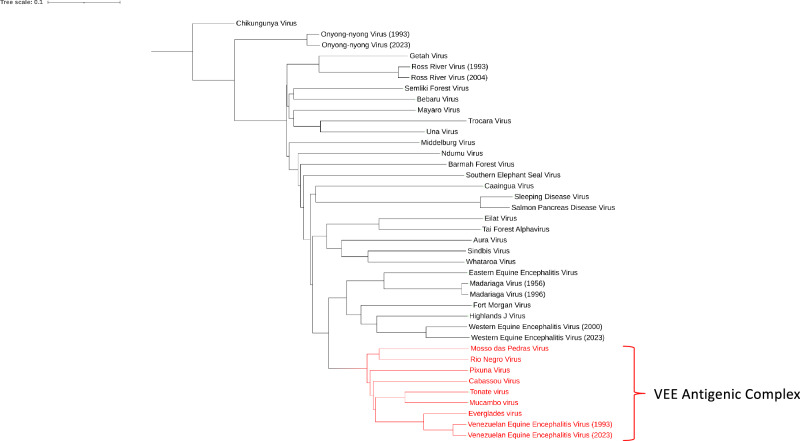 Figure 1
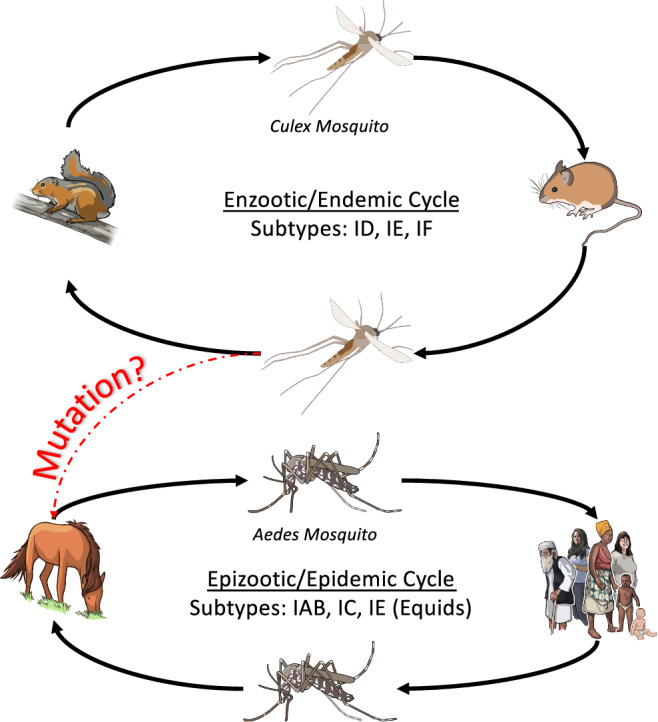 Figure 2
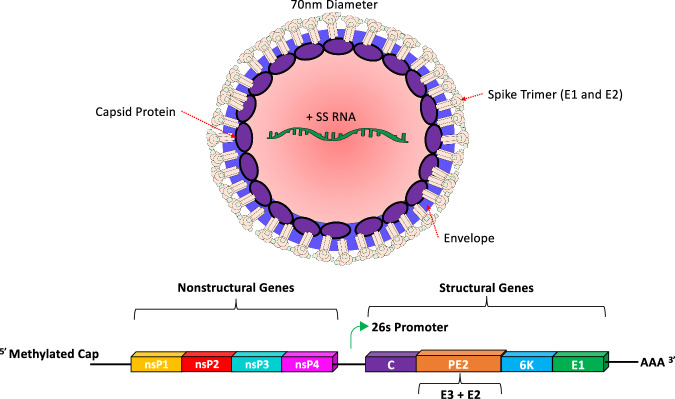 Figure 3
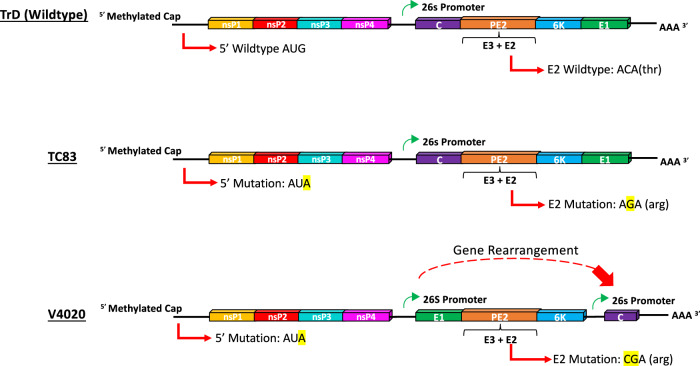 Figure 4
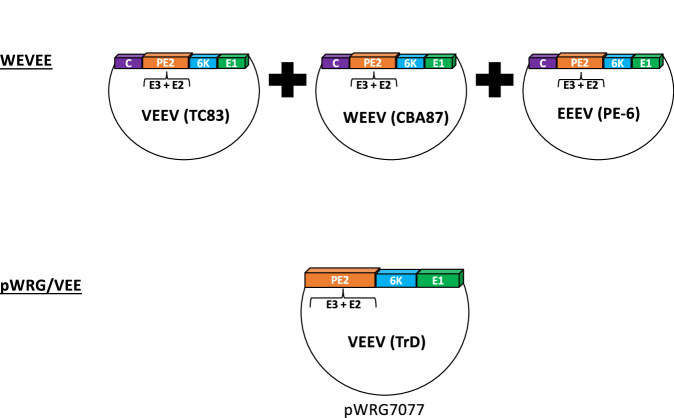 Figure 5
Peer Reviews
No public reviews on file for this paper yet. If you reviewed it on a platform where reviews are public (OpenReview, ICLR, NeurIPS, ICML), you can paste yours below so the community can read it here.
Videos
No videos yet. Explain this paper in a talk, walkthrough, or lecture? Add one.
Taxonomy
TopicsMosquito-borne diseases and control · Malaria Research and Control · Viral Infections and Outbreaks Research
Introduction
Venezuelan equine encephalitis virus (VEEV) is a re-emerging alphavirus that causes severe disease in humans and animals^1^. Large numbers of infections in both humans and equines (horses, donkeys, and mules) have been extensively documented, with a significant potential for future outbreaks^2–4^. Despite this, there are currently no effective vaccines or treatments to prevent or control outbreaks. VEEV transmission includes an endemic and an epidemic cycle, with Culex mosquitoes and small mammals involved in endemic transmission, whereas the transmission and circulation of epidemic VEEV to humans and horses are primarily driven by Aedes mosquitoes^5–9^.
The first major outbreak of VEEV was reported in horses in Colombia and Venezuela between 1936 and 1943. While anecdotal reports of human infections date back to 1952, official documentation of human fatalities was not available until the 1962–1972 outbreak^2^. The outbreaks between 1962 and 1972 included a series of massive epizootic and epidemic outbreaks that started in La Guajira, Colombia, in 1962 and then spread across countries in South and Central America, Mexico, and the continental US. Since then, the largest outbreak of VEEV in humans was reported in 1994–1995, during which an estimated 100,000 people were infected in Colombia and Venezuela, along with many horses. Although the fatality rates in humans were less than 1% during the 1995 outbreak, an estimated 8% of Colombia’s entire horse population is believed to have died from infection, raising the possibility of a wider spillover to humans^10^. Other studies in preclinical models suggest that aerosolized VEEV could lead to significantly higher mortality rates than mosquito-transmitted infections^11,12^. While VEEV outbreaks in the past have been primarily due to spill over into human and equine populations, the virus’s stability, low infectious dose, and potential for aerosolization have raised significant concerns about its ability to cause widespread infections worldwide. Other equine encephalitis viruses, such as Western equine encephalitis virus (WEEV) and Eastern equine encephalitis virus (EEEV), have also been shown to cause CNS pathology in experimental animal models following aerosol challenge^13–16^. Given its potential to rapidly spread, the National Institute of Allergy and Infectious Diseases (NIAID) designated VEEV as a biodefense priority pathogen, underscoring the need for the development of efficacious vaccines and countermeasures. Early attempts led to the development of the TC-83 and C-84 vaccines. The TC-83 is a live-attenuated VEEV vaccine used as an investigational new drug that was recommended for use in laboratory workers and at-risk personnel working with the wild-type virus^17^. Since its initial use, the TC-83 vaccine has been associated with severe adverse reactions and a lack of seroconversion in up to 20% of vaccinees, which, along with the potential for reversion, has raised significant concerns over its continued use as a vaccine^17–20^. Unlike the live-attenuated TC-83 vaccine, the C-84 vaccine is a formalin-fixed version of the TC-83 vaccine, which was, however, found to be poorly immunogenic in humans^17^. There are currently no FDA-approved VEEV vaccines for use in humans or animals, though several are in preclinical or early clinical trials. In this review, we provide an in-depth look at VEEV and the novel vaccine strategies that are currently under clinical development.
Epidemiology
VEEV is a member of the Togaviridae family and belongs to the Alphavirus genus that includes chikungunya virus, WEEV, and EEEV (Fig. 1). The VEEV antigenic complex (VEEAC; Fig. 1) is comprised of a group of closely related alphaviruses that are grouped into 6 antigenic subtypes, namely, I–VI, that cause encephalitis-like disease in humans and horses^1^. VEEV belongs to the antigenic subtype I that includes 5 variants, namely, IAB, IC, ID, IE, and IF, with the other alphaviruses belonging to the antigenic subtypes II (Everglades virus), IIIA (Mucambo virus), IIIB (Tonate virus), IV (Pixuna virus), V (Cabassou virus), and VI (Rio Negro virus). The VEEV subtypes IAB and IC were primarily responsible for the major outbreaks in humans and horses, with the other subtypes largely restricted to rodents and mosquitoes^1,2,20^. Horses typically act as amplifying hosts for VEEV IAB and IC subtypes, whereas humans are considered dead-end hosts for any VEEV type. VEEV IAB and IC produce high viremias in horses that promote further mosquito transmission of the virus in epidemic/urban cycles. Interestingly, unlike VEEV, horses are not seen as amplifying hosts for WEEV and EEEV^21^. Studies have shown that subtypes IAB and IC likely descended from the ID subtype, whereas subtypes IE and IF were distinct from this group^22^. Anishchenko et al. reported that the IC subtype of VEEV that was responsible for the 1992–1993 outbreak in western Venezuela emerged from an ID subtype through a series of mutations, whereas a single mutation in the E2 protein from Thr → Arg at position 213 was sufficient for enhancing virulence and replicative capacity in horses^23^.Fig. 1Alphavirus phylogenetic tree based on full genome sequences.The phylogenetic tree was created by obtaining complete nucleotide reference sequences from NCBI Virus. Clustal Omega “Multiple Sequence Alignment” was used to align sequences, and the Clustal Omega “Simple Phylogeny” was used to calculate distances and generate the phylogenetic tree. iTOL Interactive Tree of Life was used to visualize the tree and add color to highlight the VEE Antigenic Complex (Red).
VEEV transmission includes an endemic cycle in which the virus circulates between Culex mosquitoes (Cx. portesi, Cx. cedecei, Cx. vomerifer, Cx. pedroi, Cx. taeniopus, and Cx. adamesi) and small rodents such as the spiny rats (Proechimys spp.), cotton rats (Sigmodon spp.), and rice rats (Oryzomys spp.)^5,7,9^, and an epidemic cycle in which VEEV circulates between infected Aedes mosquitoes, humans, and horses (Fig. 2). Interestingly, Aedes mosquitoes (Ae. taeniorynchus and Ae. sollicitans) serve as the primary vectors for VEEV transmission to humans and horses during epidemic cycles, suggesting that specific VEEV subtypes have likely evolved strategies to maintain their lifecycle within Aedes mosquitoes^8^. In particular, the PE2 gene has been shown to have a modest effect on the ability of VEEV subtypes to infect Aedes mosquitoes^6^. Unlike the Culex and Aedes mosquitoes, the Psorophora genus of mosquitoes (i.e., Psorophora columbiae) was shown to be susceptible to both endemic (IE) and epidemic (IAB) subtypes, suggesting that Psorophora mosquitoes may serve as an important link between the endemic and epidemic cycles^24,25^. Though both endemic and epidemic subtypes of VEEV can cause severe disease in horses and humans, only the epidemic strains have been shown to replicate efficiently enough in horses to sustain the epidemic cycle.Fig. 2. Basic outline of the VEEV host cycle.The enzootic/endemic cycle is continuous in the wild, typically circulating between small mammals and Culex mosquitoes. The spill over into an epizootic/epidemic cycle is hypothesized to occur when mutations occur in the endemic strains that allow for infection of Aedes mosquitoes, humans, and equids. Images used were obtained from the NIH BIOART source.
Outbreaks of VEEV have been frequently documented in both humans and horses, dating back to 1936 and as recently as 1996^3,4^. The first recorded outbreak occurred in Colombia between 1935 and 1943. Another outbreak was reported between 1942 and 1946 in Peru and Ecuador, largely restricted to horses. The first human cases of VEEV infection were officially diagnosed in Colombia in 1952 due to the prevalence of human encephalitis cases. Less than a decade later, a short-lived outbreak was reported in Colombia and Venezuela between 1962 and 1964 that was the first reported large-scale infection with human fatalities numbering over 25,000 confirmed cases and 156 deaths. Following this outbreak, an epidemic VEEV outbreak occurred between 1969 and 1972 that started in the border areas of Guatemala and El Salvador and spread north into Mexico, with over 50,000 fatalities in horses and 93 fatal cases in humans^2^. During its peak, the outbreak spread to horses and humans in Texas, though fatalities were primarily restricted to horses^26^. A smaller outbreak in western Venezuela occurred between 1992 and 1993 that preceded the large-scale outbreak of 1995, which resulted in ~75,000 reported human cases with 300 deaths, along with an estimated loss of 8% of Colombia’s equine population that was thought to be driven by an increase in vector densities associated with rainfall and humid conditions^10^.
Structure and replication
VEEV is an enveloped, positive-sense, single-stranded RNA virus with an ~11.5 kb genome that encodes 4 nonstructural genes, nsP1–nsP4, and 5 structural genes, E1, E2, E3, 6K, and C (Fig. 3). Infection is initiated when the surface glycoprotein E2 binds to the LDLRAD3 (Low-Density Lipoprotein Receptor Class A Domain-Containing 3) receptor^27–29^ on the surface of host cells.Fig. 3. Cartoon drawing of VEEV virion and genome structure.VEEV is part of the Togaviridae family and the Alphavirus genus. The positive-sense, single-stranded genome is ~11.5 kb long and encodes 4 non-structural and 5 structural proteins. Only three of the structural proteins (C, E2, E1) are thought to be represented in an individual virion, although there is some evidence of E3 being present in small amounts. Typically, E3 serves as a chaperone for E2 and is cleaved off in the Golgi during processing. The 6K protein is a viroporin that plays a key role in virus assembly and budding. The nonstructural proteins have a wide variety of functions during replication: nsP1 caps the viral genome; nsP2 cleaves the viral polyproteins; nsP3 acts as a scaffolding protein and contributes to the formation of the viral replication complex; and nsP4 is the RNA-dependent RNA polymerase.
In the cell cytoplasm, viral genome expression starts with the translation of the polyprotein p1234, which is cleaved by the viral protease nsP2 into nsP4 and p123^30–32^. The nsP4 and p123 together form the early replication complex to synthesize the negative-sense RNA strands^33^, whereas positive-sense RNA synthesis occurs when all 4 nsps are cleaved. Negative-sense strand synthesis partially stops once nsP1 is cleaved, and the remaining nonstructural proteins, p23, and nsP4, transition to form the initial replication complex, where negative-sense RNA continues to be synthesized alongside positive-sense RNA. Cleavage of p23 to nsP2 and nsP3 leads to the maturation of the replication complex, where only positive-sense genomic and subgenomic RNAs are synthesized.
Within the replication complex, the nsP1 protein is responsible for capping the viral genome and protecting it from cellular nucleases^34^, nsP2 acts a viral cysteine protease that cleaves the translated nonstructural polyprotein into individual units^35^ and plays a role in assembling the VEEV replication complex^36^, nsP3 acts as a scaffolding protein that associates with other nonstructural proteins to form the viral replication complex^32,37^, and associates with cellular proteins to form cytoplasmic complexes that aid in infection^38^. The nsP4 protein is the viral RNA-dependent RNA polymerase that mediates the synthesis of the positive and negative strands of the viral genome, which is essential for VEEV to replicate effectively^39^.
The subgenomic RNA that encodes the structural proteins C, E3, E2, 6K, and E1 is translated into a polyprotein. Following autocatalytic cleavage of the newly synthesized capsid, the envelope proteins E1 and E2 undergo post-translational modification in the endoplasmic reticulum (ER) and are expressed on the cell membrane as trimeric spikes^40–42^. Interestingly, the E2 protein is synthesized from the precursor protein PE2, which contains both the E2 and E3 proteins (Fig. 3), and is proteolytically cleaved in the trans-Golgi by furin to generate mature E2 and E3 proteins^41,43^. Though the exact function of E3 is not clear, the 7 kDa E3 glycoprotein is thought to stabilize the E1–E2 heterodimer in the Golgi prior to the release of virions by budding^44^. Others have suggested that E3 likely serves as the signal sequence for E2^45^ or may be secreted from infected cells^43,46,47^. Although the role of E3 in viral replication still needs to be clarified, induction of E3-specific antibodies, though non-neutralizing, has been shown to suppress VEEV replication and protect mice from lethal challenge, suggesting a role for E3 in viral pathogenesis^48^. The capsid assembles as a nucleoprotein complex in the cytoplasm that encases the genome before release of intact, mature virions from the cell surface by budding^40–42^. The capsid also plays an important role in pathogenesis by inhibiting the transport of various host proteins into the nucleus and blocking cellular transcription, which, in turn, leads to cell cycle arrest^49^. During the budding process, the 6K protein functions as a viroporin, which plays a key role in virus assembly and budding from the infected cells^50^.
Pathogenesis
Infection is usually characterized by acute viremia that peaks between days 2 and 3 and lasts for a week. VEEV has been shown to infect myeloid cells, such as dendritic cells and macrophages, allowing it to spread to and replicate within local lymphoid tissues^51^. Replication in the lymphoid tissues is accompanied by rapid viremia followed by systemic dissemination to the CNS either through retrograde neuronal transport^52^ or through the blood-brain barrier^53,54^. Charles et al., using mouse models, reported that VEEV could infect the CNS via the olfactory bulb and the trigeminal nerve^55^, suggesting that multiple mechanisms may play a role in VEEV entry into the CNS.
Initial infection is associated with febrile illness, including fever, myalgia, chills, mouth ulcers, vomiting, sore throat, leukopenia, and diarrhea, within 1–4 days after infection, which usually resolves within a week. However, more serious neurological complications have been reported primarily in children and older adults^56^ with CNS-related symptoms lasting up to 6 weeks after onset of infection^2^. Due to limited surveillance, the number of asymptomatic and undiagnosed cases is hard to determine, though some studies suggest that VEEV infections likely account for up to 10% of cases diagnosed as dengue in Latin America^57^.
The neurological symptoms described during the 1995 Colombian outbreak included confusion, hallucinations, gait abnormalities, hemiparesis, acute convulsions, focal seizures, stupor, encephalitis, coma, and, in some cases, death. In fatal human cases of VEEV, pathologies were reported in the lungs, lymphoid tissues, and liver with CNS lesions that included edema, congestion, hemorrhage, vasculitis, and meningitis/encephalitis^58,59^. During the peak of the 1995 Colombian outbreak, a significant increase in spontaneous abortions was reported during the month of September at the Riohacha hospital in La Guajira city, where the average number of abortions/month was twice the monthly average that was recorded between 1992 and 1995 prior to the outbreak; 40 abortions/month as compared to ~18 abortions/month^10^. Wide-spread testing data are not available, likely due to limited resources. Of the 10 women who were tested, however, only one was found to be seropositive for VEEV.
In horses, experimental infection with VEEV was associated with acute viremia, which was followed by death between 6 and 9 days. Clinical signs included blindness, wild behavior, circling, depression, fever, ulcers, leucopenia, reduced appetite, abnormal chewing movements, and a decrease in hematocrit counts^60,61^. Signs of viral encephalitis were detectable within 6 days after infection, with edema, focal hemorrhages, and neuronophagia found in fatal cases, accompanied by high viral loads in areas such as the cerebral cortex and cerebellum^60–62^. VEEV was readily detectable in body fluids such as saliva, blood, and feces^60^.
Host immunity
Host adaptive immune responses have been shown to play a critical role in protection against VEEV infection, especially in cases of symptomatic infections, though the exact immune correlate of protection remains unclear. As with other arboviruses^63–66^, neutralizing antibodies (nAb) are thought to be a critical correlate of protection against VEEV infection. However, preclinical studies suggest that nAb responses may not be sufficient to prevent neurovirulence and CNS pathology in the absence of an effective T cell response^59,67–69^.
Paessler et al.^68^, examined the protective efficacy of a chimeric VEEV vaccine in B and T cell-deficient mice and compared them with wild-type (WT) mice. Vaccination was found to fully protect WT mice from lethal VEEV infection, whereas mice lacking the αβ T cell receptor (TCR) and a majority of μMT mice that lacked the immunoglobulin heavy chain experienced severe and lethal encephalitis, suggesting that T cells are essential for protection as compared to nAb responses. Passive transfer of VEEV-specific αβ+ T cells was found to protect αβ TCR-deficient mice from challenge. Likewise, Taylor et al.^59^, reported that αβ TCR-deficient mice experienced persistent CNS infection and inflammation following vaccination with the live-attenuated TC-83 vaccine, as compared to WT mice, suggesting that αβ TCR + T cells play a critical role in viral control. Other studies have suggested that CD4 + T cells are more effective at controlling VEEV infection in the CNS than CD8 + T cells^67,69^.
In contrast to the above studies, Kafai et al.^70^, demonstrated that a VEEV-specific monoclonal nAb isolated from mice and humans effectively blocked multiple steps in viral replication, including attachment, fusion, and viral release from infected cells, and protected these mice from infection following aerosol challenge with VEEV. Tretyakova et al.^71^, reported that non-human primates vaccinated with a live-attenuated VEEV vaccine engineered to prevent reversion induced high levels of VEEV-specific nAb, which correlated with a lack of viremia after aerosol challenge, as compared to unvaccinated animals. Other studies in NHP models have demonstrated the efficacy of VEEV-specific monoclonal nAb in significantly reducing viremia following VEEV challenge^67^. Interestingly, vaccination of B cell-deficient μMT mice with the live-attenuated TC-83 vaccine protected against aerosol challenge with VEEV only when combined with passive transfer of VEEV-specific antibodies, suggesting that both B and T cell responses were essential for protection against infection, neurovirulence, and neuropathogenesis^72^. Yun et al.^69^, reported that treatment of αβ TCR-deficient mice with VEEV-specific nAb prior to intranasal challenge was associated with increased survival rates, though it did not prevent neuropathogenesis and lethal encephalitis, whereas adoptive transfer of VEEV-specific CD4 + T cells protected these mice from severe encephalitis and mortality.
Taken together, these studies suggest that vaccines that can induce both VEEV-specific nAb and T cell responses could effectively prevent or clear CNS infections and protect against lethal disease and mortality associated with VEEV.
Vaccine development and protective immunity
Given the lack of clearly defined correlates of protection, most preclinical and clinical vaccine development efforts have focused on inducing a combination of both potent nAb and T cell responses (Tables 1 and 2). There are currently no FDA-approved vaccines to protect against VEEV. However, a live-attenuated VEEV strain, TC-83, derived from the WT VEEV Trinidad Donkey (TrD) strain after repeated passaging through guinea pig heart cells, was approved for at-risk laboratory workers under FDA-approved protocols^73^. Attenuation was driven by a genetic mutation from guanine (G) to adenine (A) residue at position 3 in the 5′ UTR, along with an amino acid substitution from threonine to arginine at position 120 in the E2 envelope glycoprotein that attenuates replication and pathogenesis as compared to the prototypic WT TrD strain^74–76^. TC-83 was shown to produce smaller plaque sizes as compared to the TrD strain in vitro, and though both TC-83 and TrD show similar in vitro growth kinetics and cytopathic effects, the TrD strain has a higher capacity to replicate and produce more infectious virus^74,77^. TC-83 has been shown to be more sensitive to IFIT1, an interferon-stimulated gene, as compared to the TrD strain due to the mutation in the 5′ UTR that contributes to its in vivo attenuation^76,78^. Others have reported that TC-83 was cleared from the CNS by day 7 after infection in mice, whereas infection with the TrD strain was lethal at this timepoint^73^. The attenuated nature of TC-83 was the driving force behind its development as a potential vaccine candidate against VEEV.Table 1VEEV vaccines in clinical trialsPlatformVaccine namePhaseClinical trial #Known parameters and trial statusLAVV40201NCT07088822Current Status: Not yet recruitingIVC-842NCT03531242 NCT00582088Dosage: 0. 1 ml (i.d) or 0.5 ml (s.c) of 9.5–10 log10 pfu/mlRoute: Intradermal or subcutaneousSafety: Mild local and systemic reactionsImmunogenicity: High titer nAb in non-immune subjects; boosted in subjects with pre-existing nAb titers^106^Current status: Not yet recruiting (NCT03531242), Unknown (NCT00582088)LAVTC-832NCT00582504 NCT03051386Dosage: Single dose (10^5^ PFU)Route: Intradermal in trial 1 and subcutaneous in trial 2Safety: AE in ~20% of vaccinees, virus sheddingImmunogenicity: ~80% subjects had nAb titers^18^Current status: UnknownLAVV35261NCT00109304Dosage: 125 and 25 PFURoute: SubcutaneousSafety: Mild to moderate AE, virus sheddingImmunogenicity: High titer nAb titersCurrent status: WithdrawnVLPWEVEE1NCT03879603Dosage: 2 doses of 6, 30, or 60 μg at week 0 and week 8Route: IntramuscularSafety: Safe and well-tolerated, mild AEImmunogenicity: ~90% subjects had nAb titers^103^Current status: CompletedDNApWRG/VEE1NCT01984983Dosage: 0.5 mg, 2.0 mg (i.m.), 0.08 mg, 0.3 mg (i.d.)Route: Intramuscular or intradermalSafety: Safe and tolerableImmunogenicity: 100% in i.m., 62.5–87.5% i.d^105^.Current status: CompletedIV inactivated vaccine, LAV live-attenuated vaccine, VLP virus-like particle vaccine, DNA iDNA Vaccine, i.m. intramuscular, i.d. intradermal, s.c. subcutaneous.Table 2. Selected preclinical live-attenuated VEE vaccine candidatesVaccine nameVaccine descriptionResults from developmentMedigen, USAV4020Two attenuating mutations from TC-83, E2-120 mutation genetically stabilized, genome rearranged, and subgenomic promoter duplicatedModel: Mice^107^Dosage: 10^4^ PFU/mLRoute: SubcutaneousSafety: No adverse reactionsEfficacy: 100% protectionModel: NHP^71^Dosage: 10^4^ PFURoute: Subcutaneous, intramuscularSafety: No adverse reactionsEfficacy: Challenge by aerosol, protection with reduced viremia.UTMB, USASIN/VEEChimeric virus, nsP1-4 from Sindbis virus, C-E3-E2-6K-E1 from VEEVModel: Mice^108^Dosage: 5 × 10^5^ PFURoute: SubcutaneousSafety: Improved over TC-83Efficacy: Protection observed.UTMB, USAVEEV/IRES68U201/IRESv1Subgenomic promoter replaced with IRES to express C-E3-E2-6K-E1Model: NHP^95^Dosage: 10^5^ PFURoute: SubcutaneousSafety: No adverse reactions.Efficacy: Inhaled challenge dose of 4 × 10^4^ pfu/animal, protection with reduced viremia.UMD, USAPRFmAblation of −1 programmed ribosomal frameshift between 6K and E1Model: Mice^109^Dosage: 10^5^ PFU/mLRoute: AerosolSafety: Attenuating effect of PRFm virus noted.Efficacy: ND
In vivo studies have demonstrated that the TC-83 vaccine induces a robust immune response in both animals and humans^17,73,79–81^. Experimental vaccination of horses with TC-83 was found to induce nAb responses in ~87% of vaccinated animals by 1-month post-vaccination, with responses persisting in ~73% of the animals at 1-year post-vaccination^80^. Likewise, a single subcutaneous dose of TC-83 vaccination in human laboratory workers induced PRNT_80_ titers of ≥1:20 in >80% of vaccinees. A subset of laboratory workers, including responders and non-responders, received a second vaccination with the formalin-fixed version of TC-83, known as C-84, and 76% of non-responders and 100% of responders exhibited PRNT_80_ titers of ≥1:20^17^. Interestingly, Fillis et al.^17^, reported that sera from laboratory workers vaccinated with the TC-83 vaccine displayed higher neutralization titers against the epidemic (IA, IB, and IC) strains of VEEV than against the endemic strains, suggesting that TC-83 vaccination did not likely induce high nAb titers against heterologous strains. However, TC-83 vaccination was found to protect mice against lethal infection from both epidemic and endemic strains of VEEV, suggesting that cellular immune responses may have contributed to protection against both strains of VEEV, as nAb profiles in mice were similar to those reported in humans^81^. Others have reported similar differences in the ability of sera from TC-83 vaccinees to neutralize the ID, IE, II, III, and IV subtypes of endemic VEEV strains^79^. TC-83 vaccination has been reported to induce mucosal B cell responses that correlated with protection from aerosol challenge when mice were challenged early after vaccination, compared with a late challenge^82–85^. Peripheral blood mononuclear cells obtained from TC-83-vaccinated human subjects displayed significant lymphocyte activation after in vitro stimulation with whole inactivated TC-83 virus, suggesting that vaccination induced a robust cellular immune response^86^. Others have reported that TC-83 vaccination was associated with activation of CD4 + T cells along with an IgG2a subtype, suggesting that vaccination induced a predominantly Th-1 type T cell response as compared to a more muted CD8 + T cell response^85,87,88^.
Since its initial use in a limited number of laboratory workers and human volunteers, adverse reactions ranging from headache, myalgia, malaise, sore throat, nausea, minor EKG abnormalities, fever, teratogenicity, and anorexia^17–19^ were reported in a number of TC-83 vaccinees. Others have suggested that the TC-83 vaccine virus could potentially be transmitted by mosquitoes, though there is limited evidence to support this hypothesis in humans. Pedersen et al.^89^, demonstrated that TC-83 could be isolated from mosquitoes found in areas surrounding equids that had been vaccinated with the TC-83 vaccine, whereas Turrell et al.^90^, demonstrated that TC-83 replicated in mosquitoes that could transmit the virus to hamsters, suggesting that mosquitoes could potentially spread the TC-83 infection within the human population. These factors, along with reports of poor immunogenicity in some volunteers and the potential for reversion to a lethal phenotype, have limited further clinical development of the TC-83 as an effective VEEV vaccine.
V4020 is a live-attenuated vaccine candidate derived from the TC-83 strain that was generated by engineering changes in the viral genome to prevent reversion by adding a second mutation in the E2 protein and rearranging the structural genes by moving the gene encoding for the capsid protein to the end of the genome (Fig. 4) without compromising immunogenicity. Cynomolgus macaques vaccinated with V4020 displayed significantly higher titers of VEEV-specific nAb responses without any adverse effects that correlated with protection from lethal aerosol challenge with VEEV^71^. Microneedle vaccination of rabbits with a single dose of V4020 vaccine induced VEEV-specific PRNT_80_ titers of 640 at day 21 post-vaccination with no signs of reactogenicity^91^. Centers et al.^92^, reported that mice vaccinated with V4020, either subcutaneously or intramuscularly, showed decreased reactogenicity compared with the parental TC-83 strain. Additionally, unlike the TC-83 vaccine, which was readily detectable in the cerebral cortex, cerebellum, and spinal cord of vaccinated mice at 6 days post-infection, V4020 was undetectable in the CNS of vaccinated mice, suggesting that V4020 had a significantly better safety profile than the TC-83 vaccine^92^. Likewise, Johnson et al.^93^, reported that intracranial inoculation of BALB/c mice with V4020 resulted in little or no replication and lower levels of inflammation compared with the TC-83 vaccine. Additionally, the V4020 vaccine remained safe even after 5 passages in mouse brains, compared with TC-83, which became lethal after 3 passages, suggesting greater attenuation of V4020^93^. Taken together, the above studies suggest that the V4020 vaccine is a novel and potentially safe alternative to the TC-83 vaccine that could induce complete immunity and protect against a lethal challenge.Fig. 4. Cartoon illustration of live-attenuated vaccine genomes and attenuating features compared to the wild-type virus.TC-83 is a live-attenuated virus vaccine that was created by passaging the wild-type VEEV Trinidad Donkey (TrD) strain in guinea pig heart cells to attenuate the virus. The resulting attenuating features were found to be point mutations in the viral 5′ untranslated region (AUG → AUA) and the E2 encoding gene, the latter of which causing an amino acid substitution in E2 at position 120 (Threonine → Arginine). V4020 is also a live-attenuated vaccine derived from the TC-83 vaccine but contains additional, rationally designed attenuations. The introduction of a second point mutation in the E2 encoding gene (ACA → CGA instead of ACA → AGA) made reversion or pseudoreversion extremely unlikely compared to the TC-83 vaccine. Additionally, the structural genes have been rearranged, with the capsid moved to the 3’ end and placed under its own 26S promoter, which has previously been shown to attenuate viruses.
In addition to the V4020 vaccine, several other experimental vaccine candidates have been developed to overcome the limitations associated with the TC-83 vaccine. Rossi et al. demonstrated that 68U201/IRES1, a vaccine derived from an attenuated endemic strain (IE) of VEEV by inserting an internal ribosomal entry site (IRES) upstream of the structural polyprotein open reading frame, protected mice against lethal challenge and protected NHP against febrile disease after a homologous challenge^94,95^. Notably, 68U201/IRES1 failed to productively infect mosquitoes, suggesting that the vaccine virus could not be transmitted by mosquitoes to others^94^. Chen et al. described a replicon vaccine encoding the structural proteins of VEEV, WEEV, and EEEV that protected mice from aerosol and subcutaneous challenge, though its efficacy was somewhat limited in the NHP model^96^. The V3526 live-attenuated vaccine was derived from the VEEV-IA/B TrD strain through mutagenesis of the furin cleavage site, along with a second mutation in the E1 protein, which was shown to protect both NHP and mice from aerosol challenge with IA/B and IE strains of VEEV^97–99^. Additionally, Turrel et al.^100^, demonstrated that V3526 vaccinated hamsters resisted lethal TrD infection transmitted by Aedes taeniorhynchus that were inoculated with the TrD strain of VEEV. On the other hand, Rao et al. reported that the adverse impact of V3526 on public health and the environment, and the potential for transmission were low^101^. A chimeric vaccine derived from Sindbis virus (family Togaviridae, genus Alphavirus) that expressed structural proteins from different VEEV strains was reported to protect mice and hamsters from lethal challenge^102^.
The WEVEE vaccine (VRC-WEVVLP073-00-VP) is a virus-like particle (VLP) vaccine that combines the VLPs for EEEV, WEEV, and VEEV, encoding the structural genes (C-E3-E2-6K-E1) for each virus (Fig. 5). In Phase 1 clinical trials (NCT03879603), the vaccine was found to be safe and induced nAb responses against all three viruses^103^. The pWRG/VEE vaccine is a DNA vaccine encoding the structural genes E3, E2, 6K, and E1 of VEEV and has been demonstrated to be efficacious in both mice and rabbits, and in reducing morbidity and viremia in the NHP model^104^. In Phase 1 trials (NCT01984983), the vaccine was found to be safe and induced VEEV-specific nAb responses^105^.Fig. 5. Cartoon illustration of genomes used for the WEVEE and pWRG/VEE vaccine.WEVEE is a mix of EEEV, WEEV, and VEEV VLP’s encoding the structural genes (C-E3-E2-6K-E1) for each virus. Similarly, the pWRG/VEE vaccine is a DNA vaccine based on the pWRG7077 backbone that encodes the VEEV structural proteins E3, E2, 6 K, and E1.
In summary, VEEV remains a major concern given its potential for large-scale outbreaks. The TC-83 vaccine is the only vaccine approved for limited use among laboratory workers. However, concerns of variable immunogenicity, potential for reversion, and adverse reactions have limited further clinical development of the TC-83 vaccine. There remains an urgent need to develop a safe and efficacious vaccine for human use. Novel vaccines such as the V4020, V3526, along with the VLP-based WEVEE and pWRG/VEE vaccines have been shown to be highly immunogenic and efficacious, suggesting that these vaccines, if successful, could potentially fill a critical clinical need.
The reference list from the paper itself. Each links out to its DOI / PubMed record.
- 1Phelps, A. L. et al. Susceptibility and lethality of western equine encephalitis virus in Balb/c mice when infected by the aerosol route. Viruses 9, 10.3390/v 9070163 (2017).10.3390/v 9070163 PMC 553765528654007 · doi ↗ · pubmed ↗
- 2Negi, V., Miller, A. S. & Kuhn, R. J. Advances in viroporin function and structure: a comparative analysis of alphavirus 6k with well-characterized viroporins. Viruses 17, 868 (2025).10.3390/v 17060868 PMC 1219765040573459 · doi ↗ · pubmed ↗
- 3Salimi, H. et al. Encephalitic alphaviruses exploit caveola-mediated transcytosis at the blood-brain barrier for central nervous system entry. m Bio 11, 10.1128/m Bio.02731-19 (2020).10.1128/m Bio.02731-19PMC 701864932047126 · doi ↗ · pubmed ↗
- 4Valiant, W. G. et al. Human serum with high neutralizing antibody titres against both Zika and dengue virus shows delayed in vitro antibody dependent enhancement of dengue virus infection. Open Forum Infect. Dis.5, ofy 151 (2018).10.1093/ofid/ofy 151PMC 604198730019003 · doi ↗ · pubmed ↗
- 5Kafai, N. M. et al. Neutralizing antibodies protect mice against Venezuelan equine encephalitis virus aerosol challenge. J. Exp. Med.219, 10.1084/jem.20212532 (2022).10.1084/jem.20212532 PMC 919504735297953 · doi ↗ · pubmed ↗
- 6Berge, T. O. B., I. S. & Tigertt, W. D. Attenuation of Venezuelan equine encephalomyelitis virus by in vitro cultivation in guinea-pig heart cells. Am. J. Epidemiol.73, 209–218 (1961).
- 7Tretyakova, I., Tomai, M., Vasilakos, J. & Pushko, P. Live-attenuated VEEV vaccine delivered by i DNA using microneedles is immunogenic in rabbits. Front. Trop. Dis.3, 10.3389/fitd.2022.813671 (2022).10.3389/fitd.2022.813671 PMC 1058374937854093 · doi ↗ · pubmed ↗
- 8Centers, A. et al. V 4020 Venezuelan equine encephalitis vaccine: mitigating neuroinvasion and reversion through rational design. Viruses 17, 10.3390/v 17081136 (2025).10.3390/v 17081136 PMC 1239069440872849 · doi ↗ · pubmed ↗