Remimazolam-based anesthesia with intraoperative motor evoked potential monitoring in a patient with Leigh syndrome undergoing scoliosis surgery: a case report
Takahiro Kuwabara, Takahiro Tamura, Masashi Takakura, Tasuku Fujii, Kanako Ozeki, Koichi Akiyama

TL;DR
A 16-year-old with Leigh syndrome successfully underwent scoliosis surgery using remimazolam anesthesia and motor evoked potential monitoring.
Contribution
First reported use of remimazolam with MEP monitoring in a Leigh syndrome patient undergoing scoliosis surgery.
Findings
Remimazolam-based anesthesia was feasible for a patient with Leigh syndrome requiring MEP monitoring.
Intraoperative MEP signals were attenuated but remained monitorable.
The patient recovered without complications despite transient oxygenation issues.
Abstract
We present a case of scoliosis surgery performed under general anesthesia with remimazolam in a 16-year-old patient with Leigh syndrome (LS), a subtype of mitochondrial encephalomyopathy. Anesthetic management in such patients is challenging because of the risks of malignant hyperthermia with inhalational agents and propofol infusion syndrome, and because many of these patients present with impaired consciousness and respiratory compromise, anesthetic management becomes extremely difficult. To date, very few reports have described remimazolam use in LS, and none have described cases requiring intraoperative motor-evoked potential (MEP) monitoring. A patient diagnosed with LS at 7 months of age underwent corrective scoliosis surgery. Anesthesia was induced and maintained using remimazolam supplemented with opioids and muscle relaxants. Some intraoperative MEP signals were attenuated but…
Genes, proteins, chemicals, diseases, species, mutations and cell lines named across the full text — each resolved to its canonical identifier and authoritative record.
Click any figure to enlarge with its caption.
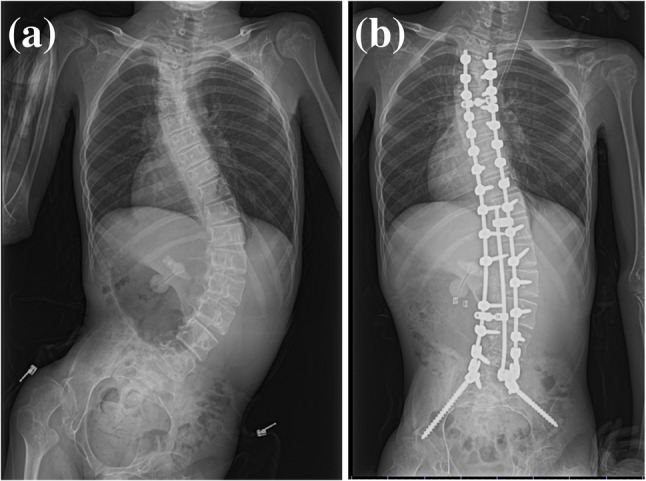 Figure 1
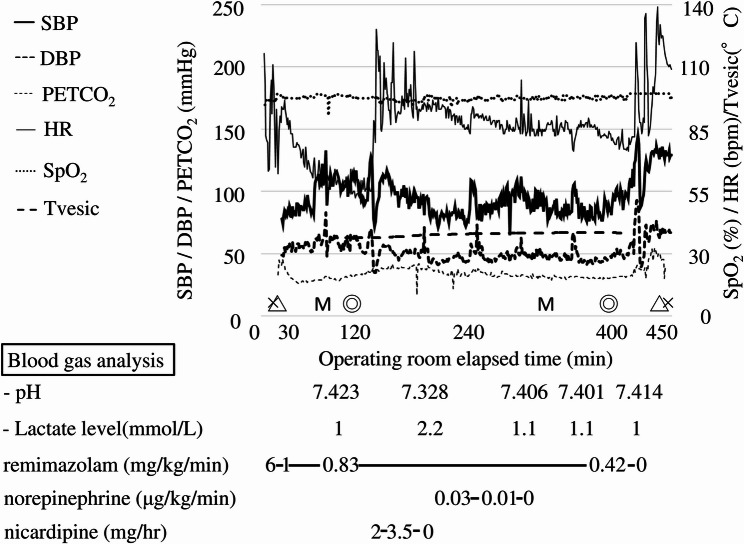 Figure 2
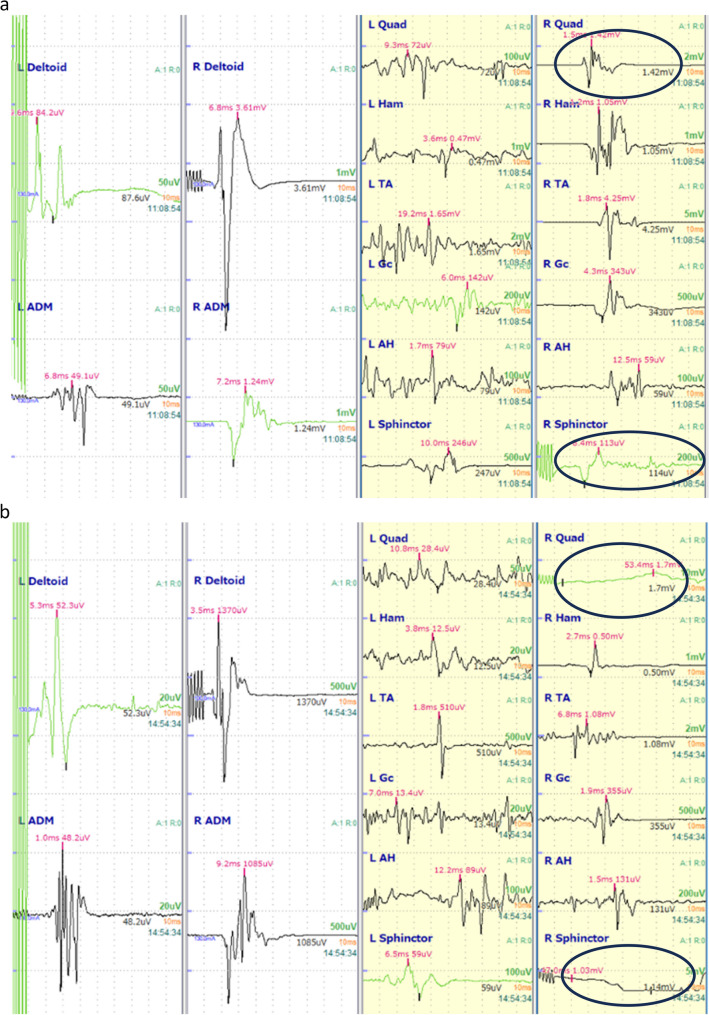 Figure 3
Peer Reviews
No public reviews on file for this paper yet. If you reviewed it on a platform where reviews are public (OpenReview, ICLR, NeurIPS, ICML), you can paste yours below so the community can read it here.
Videos
No videos yet. Explain this paper in a talk, walkthrough, or lecture? Add one.
Taxonomy
TopicsMitochondrial Function and Pathology · Ion channel regulation and function · Epilepsy research and treatment