Dynamic neurocognitive adaptation: childhood and adult-midlife engagement associated with later-life brain structure and cognition in older adults with and without mild cognitive impairment
Filippo Cieri, Jessica Z. K. Caldwell, Dietmar Cordes, Chad L. Cross

TL;DR
The study shows that childhood and midlife activities like cognitive, physical, and creative engagement are linked to better brain structure and cognition in older adults, even those with mild cognitive impairment.
Contribution
The study introduces the dynamic Neurocognitive Adaptation (dNA) framework as a multidimensional, time-resolved model of resilience in aging.
Findings
Childhood cognitive engagement is associated with stronger semantic fluency and larger brain volumes in cingulate and temporal regions.
Midlife engagement correlates with thicker orbitofrontal cortex and larger lingual volumes in later life.
No mediation or moderation by sex, education, or diagnosis was observed in the associations between engagement and brain outcomes.
Abstract
Resilience in aging—the capacity to maintain cognition and function despite neuropathology—has been described through cognitive reserve, brain reserve, and maintenance. The dynamic Neurocognitive Adaptation (dNA) framework expands these constructs by defining resilience as a lifelong process of adaptive engagement across cognitive, physical, creative, and social domains that shape neural integrity and cognitive outcomes over time. Fifty-eight older adults (39 cognitively normal, 19 with mild cognitive impairment) completed neuropsychological testing, amyloid assessment, and structural MRI. The dNA scale quantified engagement across seven life-course time windows. Hierarchical multiple regressions examined domain- and time-specific associations between dNA scores and cortical thickness or regional volumes (FreeSurfer 7.3.2), controlling for age, sex, education, and diagnosis.…
Genes, proteins, chemicals, diseases, species, mutations and cell lines named across the full text — each resolved to its canonical identifier and authoritative record.
Click any figure to enlarge with its caption.
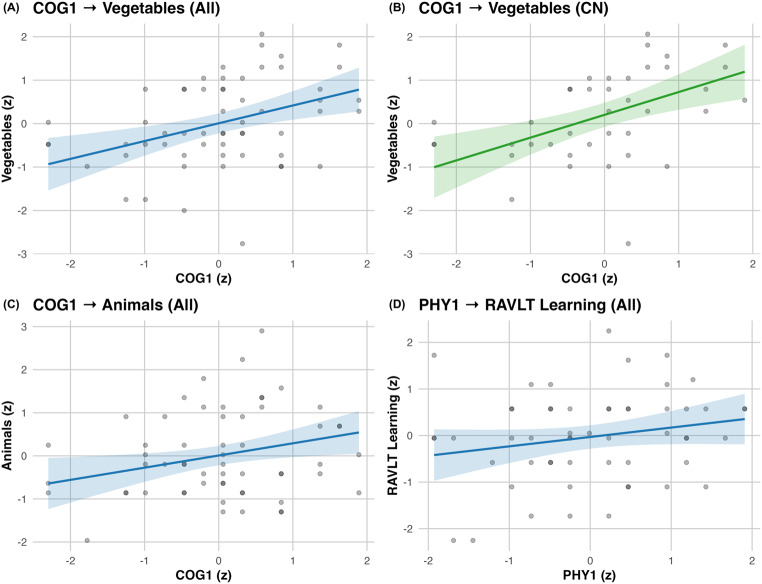 Figure 1
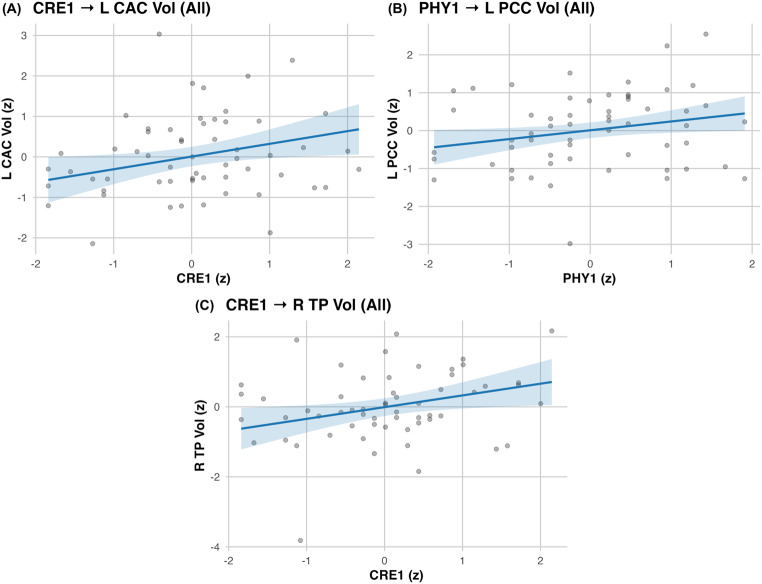 Figure 2
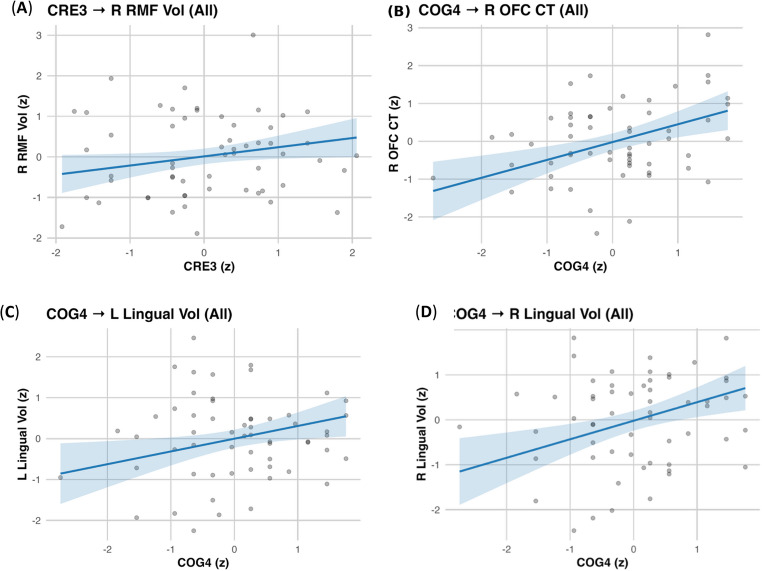 Figure 3
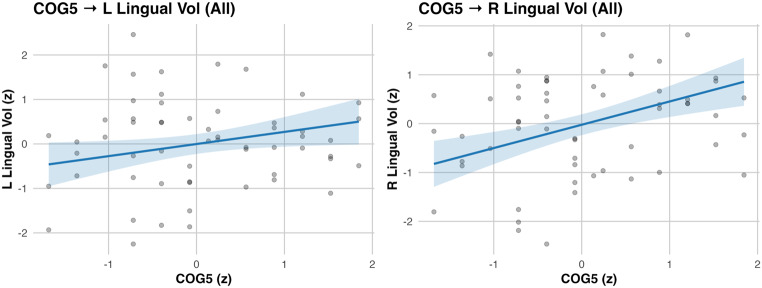 Figure 4
Peer Reviews
No public reviews on file for this paper yet. If you reviewed it on a platform where reviews are public (OpenReview, ICLR, NeurIPS, ICML), you can paste yours below so the community can read it here.
Videos
No videos yet. Explain this paper in a talk, walkthrough, or lecture? Add one.
Taxonomy
TopicsDementia and Cognitive Impairment Research · Cognitive Functions and Memory · Older Adults Driving Studies