The Experience of a Tertiary Reference Center in Central Anatolia with Children Carrying ZAP-70 Variants, Including Two Novel Variants
Serdar Göktaş, Ozlem Kalaycik Sengul, Şerife Erdem, Hatice Eke Güngör, Royala Babayeva, Sevgi Bilgic-Eltan, Turan Güzel, Koray Dörterler, Meino Rohlfs, Alper Özcan, Ebru Yilmaz, Musa Karakukcu, Haluk Himmet Akar, Elif Karakoc-Aydiner, Ahmet Özen, Muhsin Elmas, Türkan Patiroğlu

TL;DR
This study reports on children with ZAP-70 deficiency, including two new genetic variants, and highlights the importance of functional analysis for diagnosis and treatment.
Contribution
The study identifies two novel ZAP70 variants and emphasizes functional analysis for variant classification in ZAP-70 deficiency.
Findings
Two previously unreported ZAP70 variants were identified in patients with ZAP-70 deficiency.
Functional analyses showed impaired TCR signaling and reduced IL-2 production in patients with novel variants.
Clinical outcomes varied widely, even among siblings with the same variant, suggesting genetic or environmental modifiers.
Abstract
Zeta-chain-associated protein kinase 70 (ZAP-70) deficiency, a rare form of combined immunodeficiency (CID), is caused by homozygous or compound heterozygous variants in the ZAP70 gene. ZAP-70, a tyrosine kinase, plays a key role in T-cell receptor (TCR) signaling, which is critical for T cell activation. ZAP-70 deficiency manifests clinically in a variety of ways, including recurring respiratory infections and cutaneous manifestations. This study describes the clinical, genetic, and immunological characteristics of four Turkish, two Syrian, and one Azerbaijani patient with ZAP-70 deficiency, including two novel variants. Among seven patients diagnosed with ZAP-70 deficiency, two previously unreported ZAP70 variants were identified. Functional analyses performed in four patients—including three with novel variants—demonstrated impaired TCR-induced proliferation, reduced Interleukin 2…
Genes, proteins, chemicals, diseases, species, mutations and cell lines named across the full text — each resolved to its canonical identifier and authoritative record.
Click any figure to enlarge with its caption.
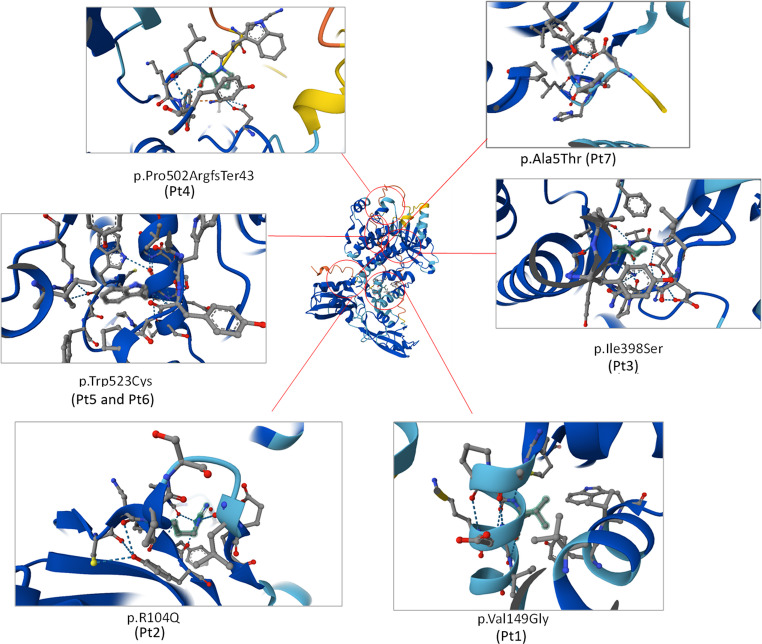 Figure 1
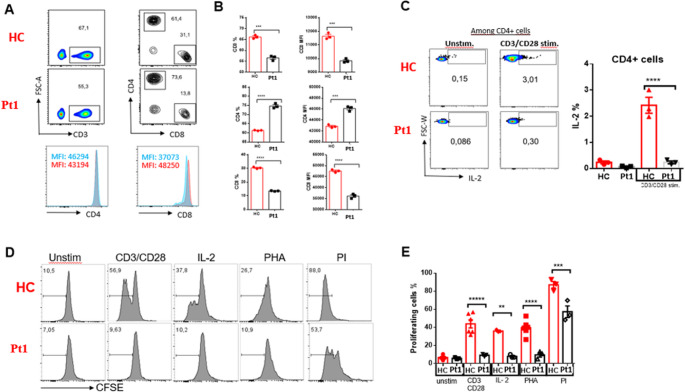 Figure 2
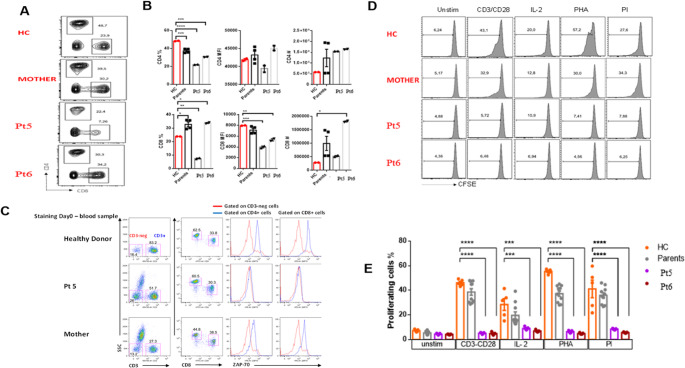 Figure 3
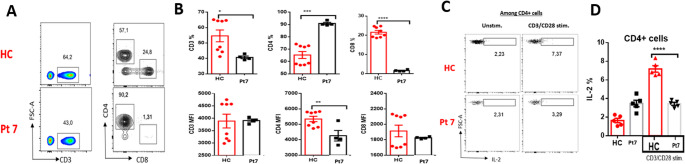 Figure 4
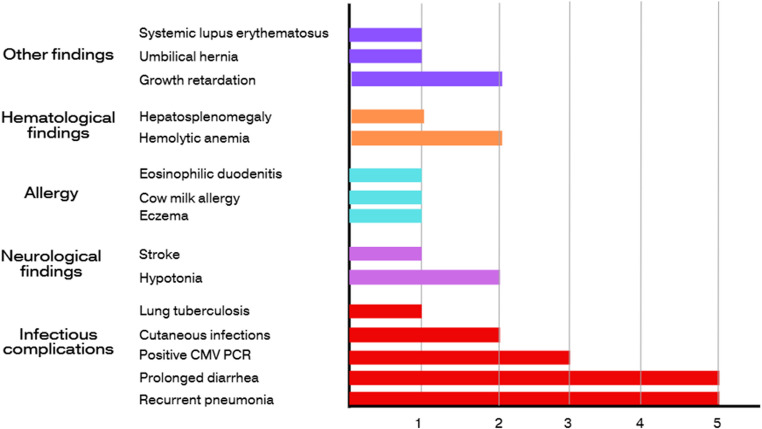 Figure 5
Peer Reviews
No public reviews on file for this paper yet. If you reviewed it on a platform where reviews are public (OpenReview, ICLR, NeurIPS, ICML), you can paste yours below so the community can read it here.
Videos
No videos yet. Explain this paper in a talk, walkthrough, or lecture? Add one.
Taxonomy
TopicsImmunodeficiency and Autoimmune Disorders · T-cell and B-cell Immunology · Blood disorders and treatments