An LLM chatbot to facilitate primary-to-specialist care transitions: a randomized controlled trial
Xinge Tao, Shuya Zhou, Kai Ding, Sairan Li, Yanzeng Li, Boyou Wu, Qirui Huang, Wangyue Chen, Muzi Shen, En Meng, Xiaowang Chen, Hong Hu, Jinchao Zhang, Jie Zhou, Lei Zou, Libing Ma, Shasha Han

TL;DR
An LLM chatbot helped patients prepare for specialist visits, reducing consultation time and improving communication and satisfaction.
Contribution
A co-designed LLM chatbot improved care transitions by reducing consultation time and enhancing communication in a randomized trial.
Findings
PreA-only group had 28.7% shorter consultation times compared to the No-PreA group.
Physician-perceived care coordination improved by 113.1% in the PreA-only group.
Patient-reported communication ease increased by 16.0% in the PreA-only group.
Abstract
Patient-facing large language models (LLMs) hold potential to streamline inefficient transitions from primary to specialist care. We developed the preassessment (PreA), an LLM chatbot co-designed with local stakeholders, to perform the general medical consultations for history-taking, preliminary diagnoses, and test ordering that would normally be performed by primary care providers and to generate referral reports for specialists. PreA was tested in a randomized controlled trial involving 111 specialists from 24 medical disciplines across two health centers, where 2,069 patients (1,141 women; 928 men) were randomly assigned to use PreA independently (PreA-only), use it with staff support (PreA-human), or not use it (No-PreA) before specialist consultation. The trial met its primary end points with the PreA-only group showing significantly reduced physician consultation duration (28.7%…
Genes, proteins, chemicals, diseases, species, mutations and cell lines named across the full text — each resolved to its canonical identifier and authoritative record.
Click any figure to enlarge with its caption.
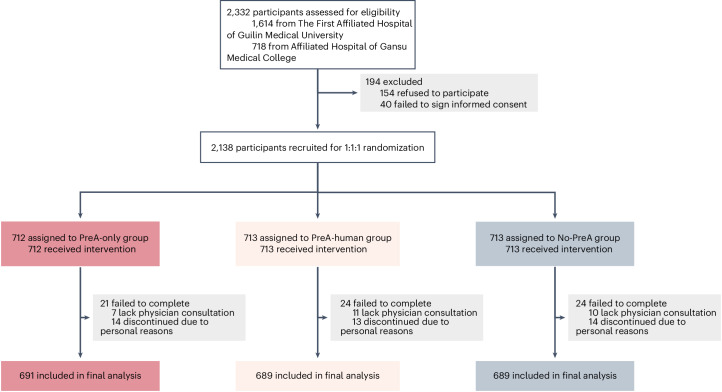 Figure 1
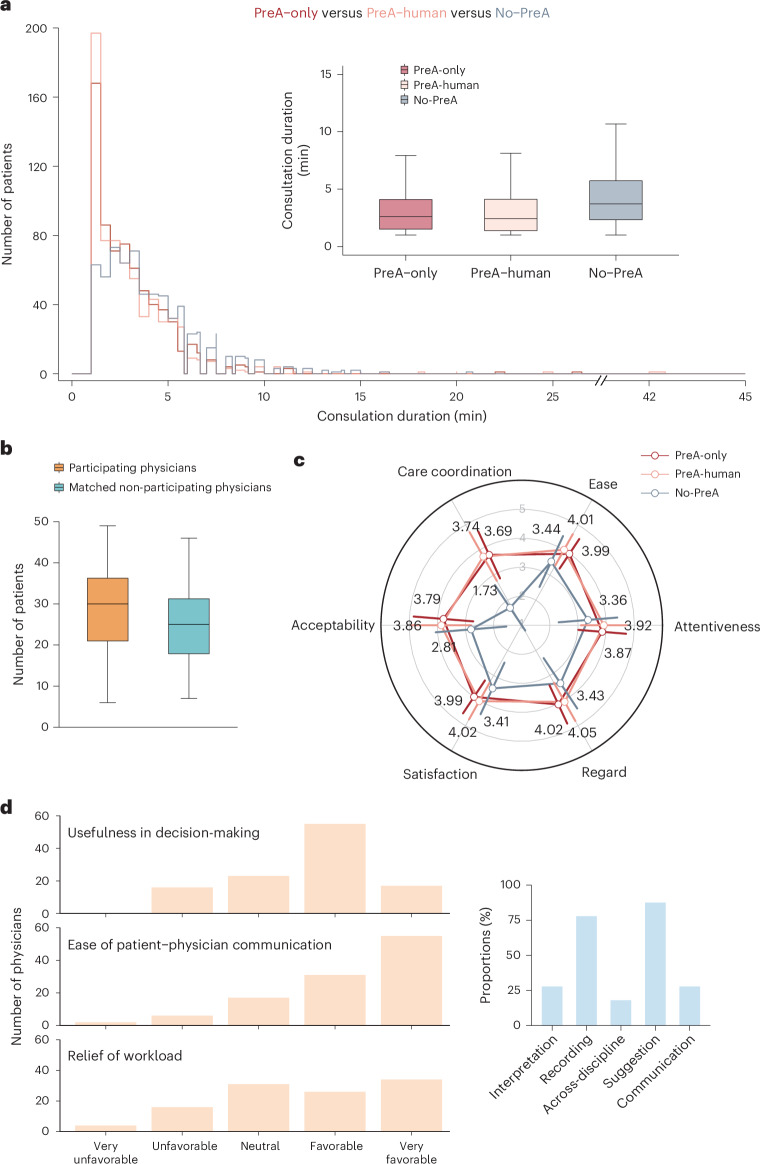 Figure 2
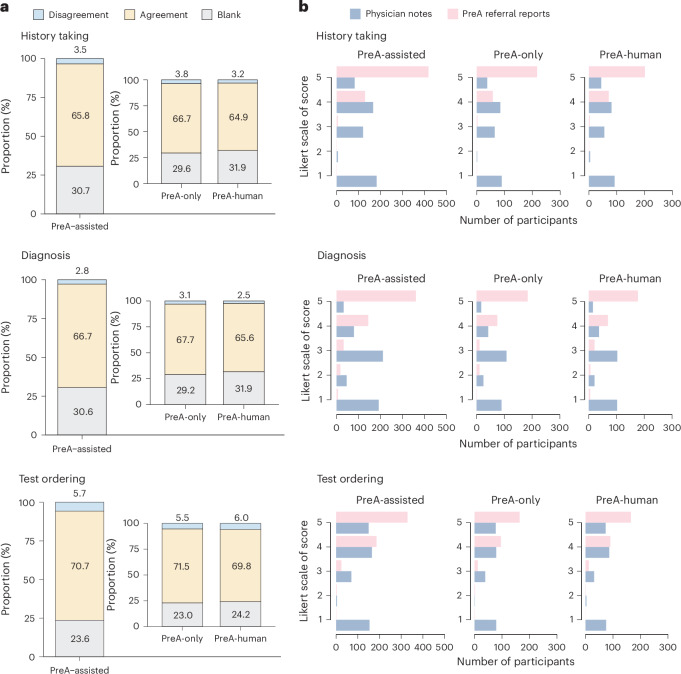 Figure 3
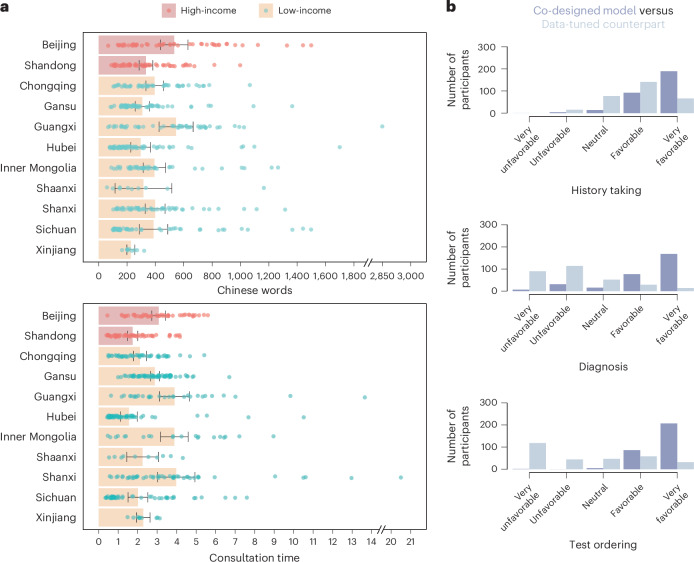 Figure 4
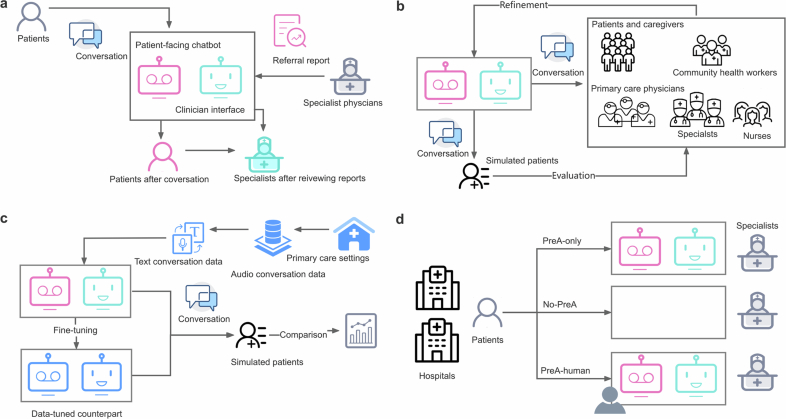 Figure 5
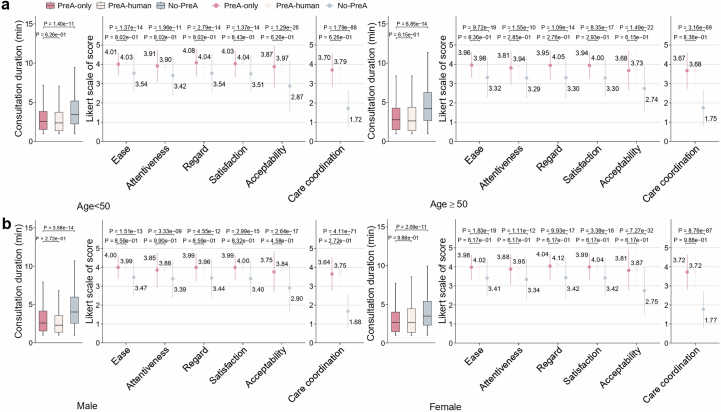 Figure 6
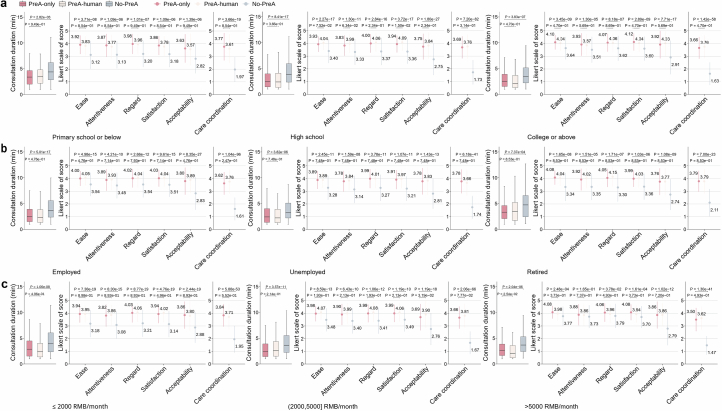 Figure 7
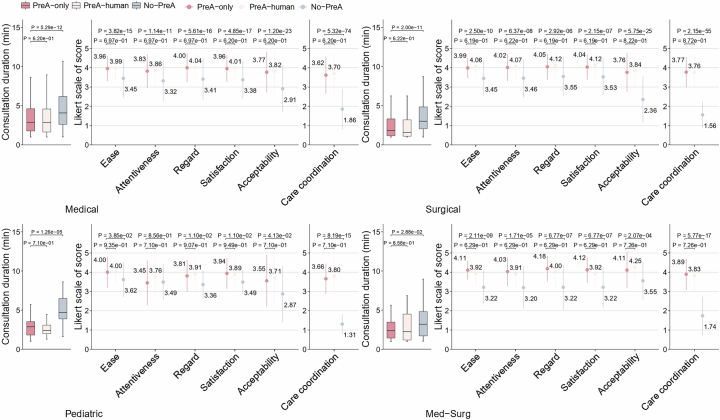 Figure 8
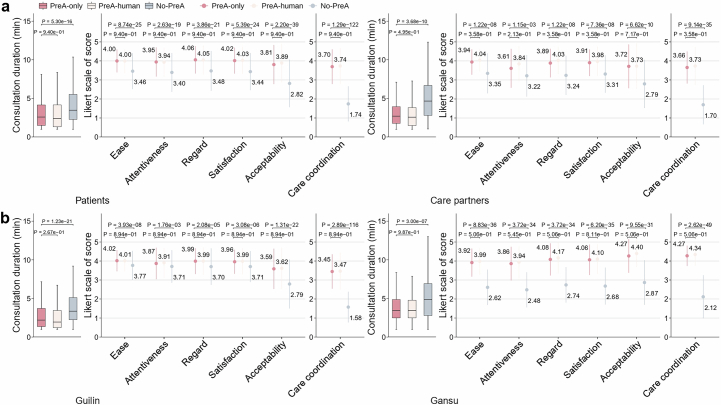 Figure 9
 Figure 10
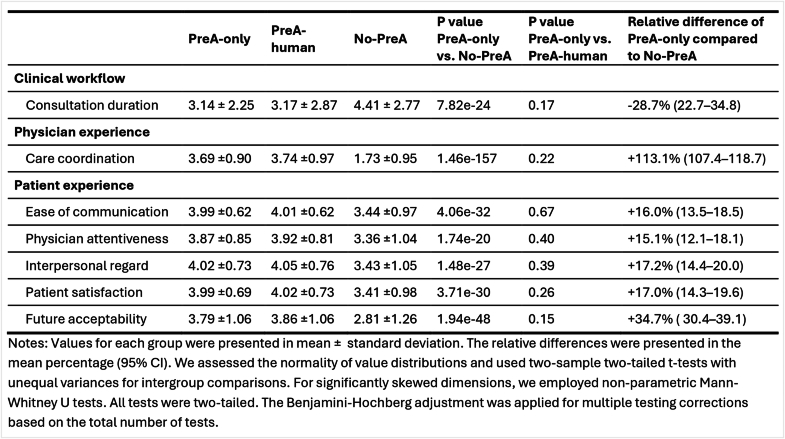 Figure 11
 Figure 12
Peer Reviews
No public reviews on file for this paper yet. If you reviewed it on a platform where reviews are public (OpenReview, ICLR, NeurIPS, ICML), you can paste yours below so the community can read it here.
Videos
No videos yet. Explain this paper in a talk, walkthrough, or lecture? Add one.
Taxonomy
TopicsArtificial Intelligence in Healthcare and Education · Digital Mental Health Interventions · Electronic Health Records Systems