Hip Dislocation With Femoral Short Neck in Spondyloepiphyseal Dysplasia Treated by Open Reduction and Valgus Osteotomy: A Case Report
Akitoshi Sakuma, Jun Kakizaki, Yasuhiro Oikawa

TL;DR
A child with a rare bone disorder had successful hip surgery using a specific technique to stabilize the joint.
Contribution
The case highlights the effectiveness of femoral valgus osteotomy in treating hip dislocation in SEDC.
Findings
Hip dislocation was corrected using open reduction and valgus osteotomy.
Stabilization was achieved with hip spica casting after surgery.
The approach suggests valgus osteotomy is essential for SEDC-related hip issues.
Abstract
Spondyloepiphyseal dysplasia congenita (SEDC) often involves hip deformity and dislocation. We present a case of an eight-year-old boy with bilateral femoral head deformity and hip dislocation treated by open reduction and femoral valgus osteotomy. Surgery was performed via an anterior approach. After removal of obstructive factors, reduction was only maintained at 30° adduction, necessitating valgus osteotomy to stabilize the hip. Postoperative fixation was achieved with hip spica casting. This case suggests that femoral valgus osteotomy may be essential to maintain reduction in SEDC-associated hip dislocation.
Genes, proteins, chemicals, diseases, species, mutations and cell lines named across the full text — each resolved to its canonical identifier and authoritative record.
Click any figure to enlarge with its caption.
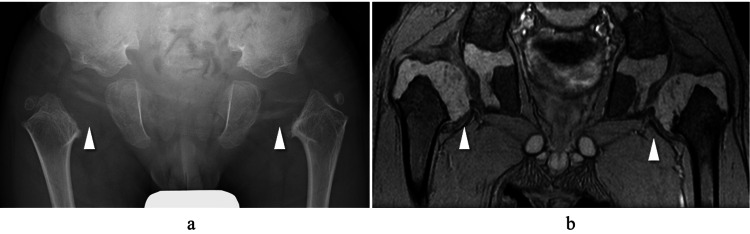 Figure 1
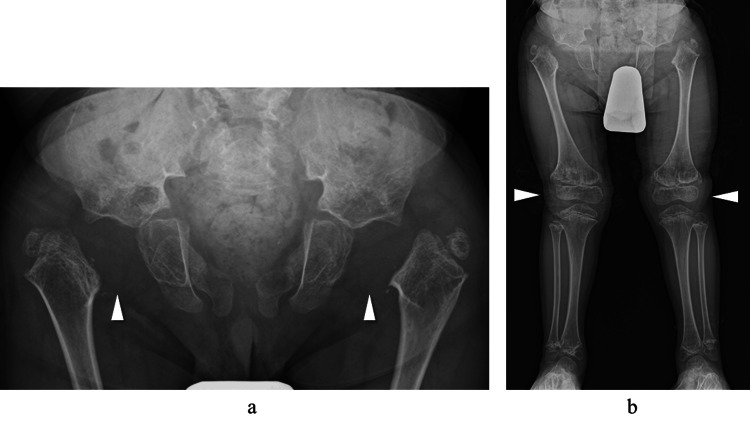 Figure 2
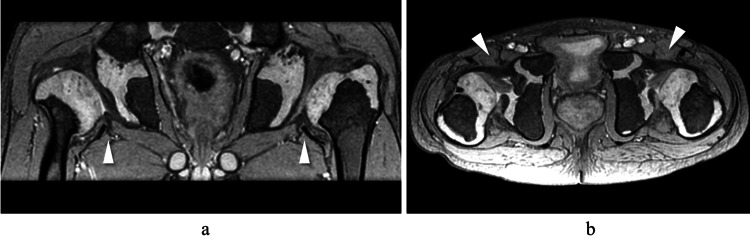 Figure 3
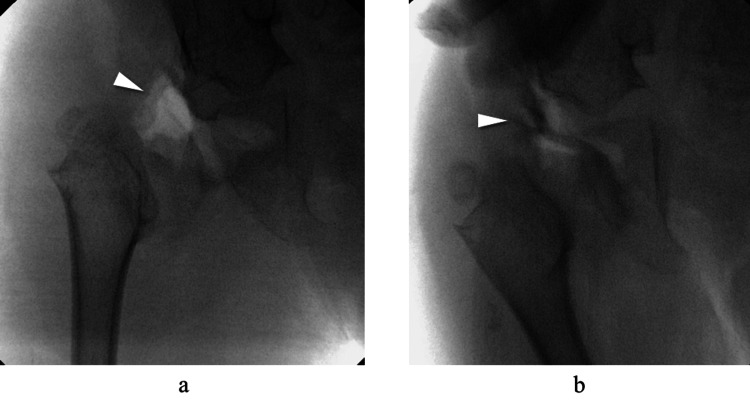 Figure 4
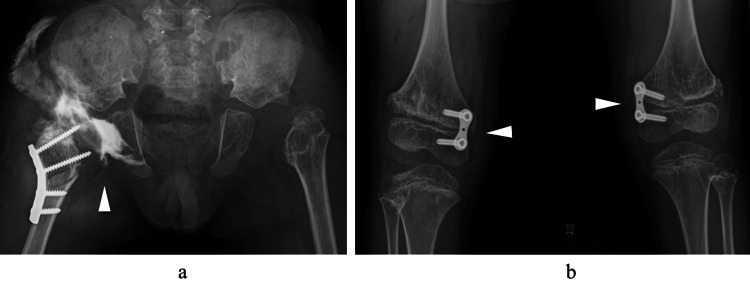 Figure 5
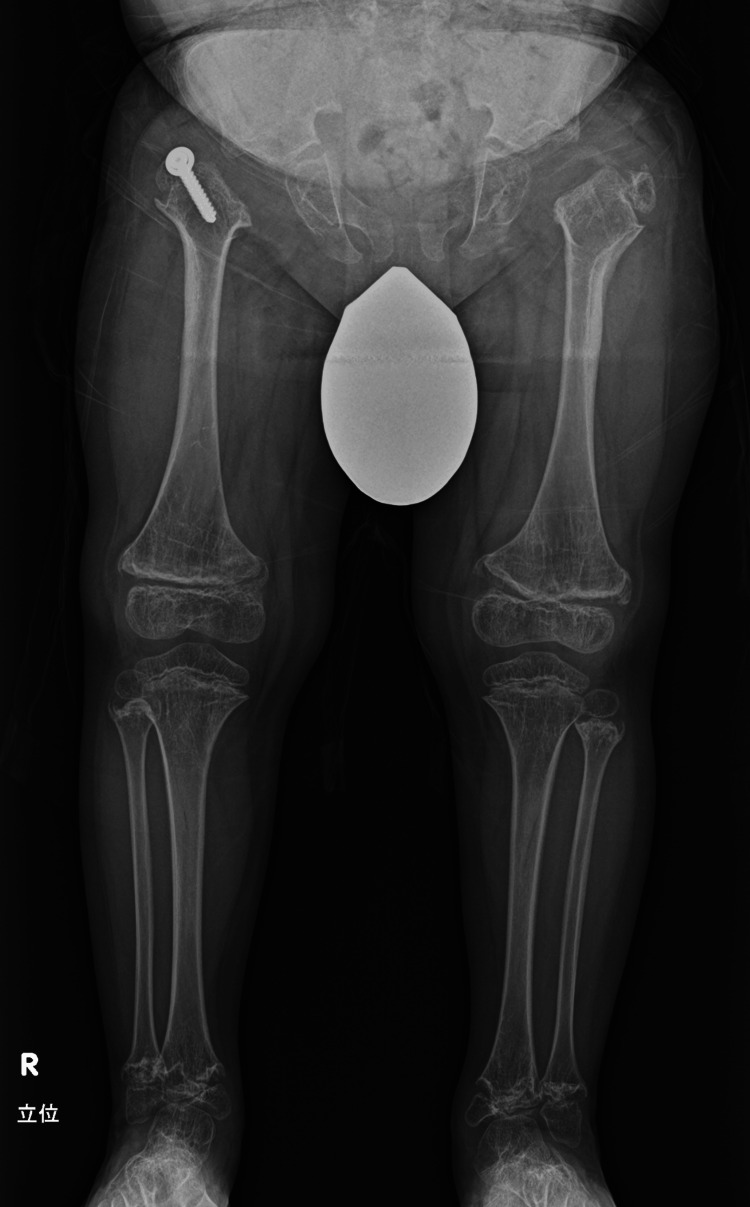 Figure 6
Peer Reviews
No public reviews on file for this paper yet. If you reviewed it on a platform where reviews are public (OpenReview, ICLR, NeurIPS, ICML), you can paste yours below so the community can read it here.
Videos
No videos yet. Explain this paper in a talk, walkthrough, or lecture? Add one.
Taxonomy
TopicsConnective tissue disorders research · Hip disorders and treatments · Bone fractures and treatments