Simultaneous serological assessment of four zoonotic rickettsiae among dogs near the United States-Mexico border
Francesca Rubino, Sarah A. Hamer, Andres M. López-Pérez, Samantha Schuchman, Kailyn Lozano, Alexandra Saffold, Mario A. Rodríguez-Pérez, Nadia A. Fernández-Santos, Janet Foley

TL;DR
This study tested 779 dogs near the U.S.-Mexico border for four rickettsial pathogens and found varying regional exposure patterns, highlighting dogs as indicators of human disease risk.
Contribution
A novel multiplex assay enabled simultaneous detection of antibodies to four zoonotic rickettsiae in dogs, revealing co-infection patterns and geographic distribution.
Findings
41.2% of dogs were seroreactive to at least one rickettsial pathogen.
Rickettsia felis had the highest seroprevalence (19.3%), followed by R. massiliae (15.7%), R. typhi (14.5%), and R. rickettsii (9.8%).
Co-seroreactivity was common between R. typhi and R. felis but limited between R. rickettsii and R. massiliae.
Abstract
Obligately intracellular rickettsiae cause a broad spectrum of disease in humans and animals, ranging from mild illness to life-threatening infections. Multiple species co-circulate along the southern United States of America–northern Mexico border, yet their seroprevalence in susceptible hosts remains incompletely understood. Dogs serve as key amplifying hosts for several of these pathogens, including Rickettsia rickettsii and Rickettsia massiliae, and have been shown to be infected by flea-borne Rickettsia typhi and Rickettsia felis. To better characterize exposure and potential co-infection patterns, we conducted a large binational seroepidemiologic study of 779 dogs from urban households and shelter settings across seven subregions along both sides of the border. Using a custom multiplex micro-immunofluorescence assay, we simultaneously screened for antibodies to R. rickettsii, R.…
Genes, proteins, chemicals, diseases, species, mutations and cell lines named across the full text — each resolved to its canonical identifier and authoritative record.
Click any figure to enlarge with its caption.
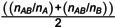 Figure 1
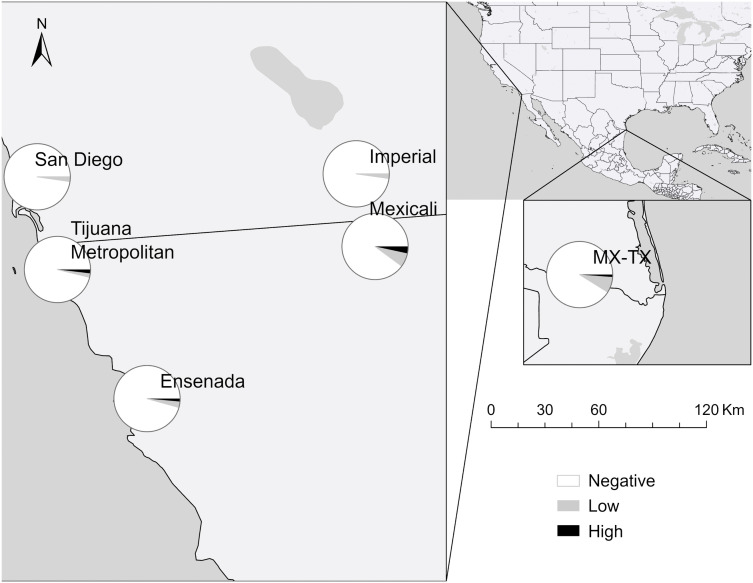 Figure 2
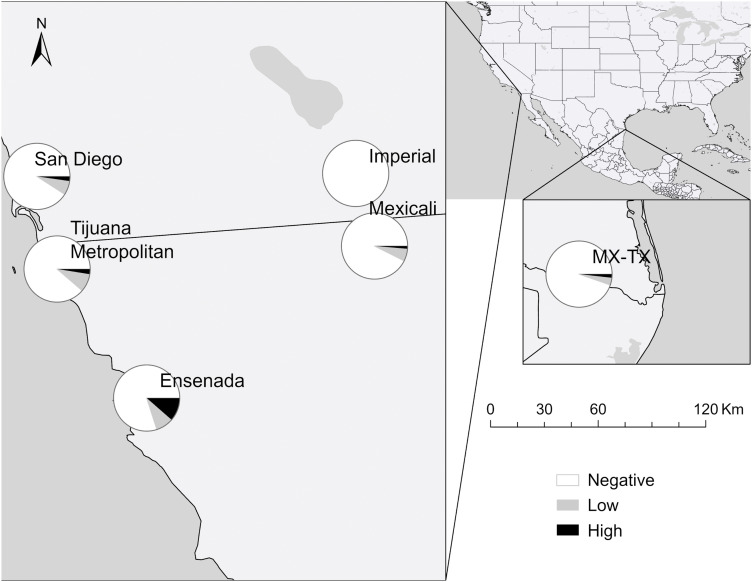 Figure 3
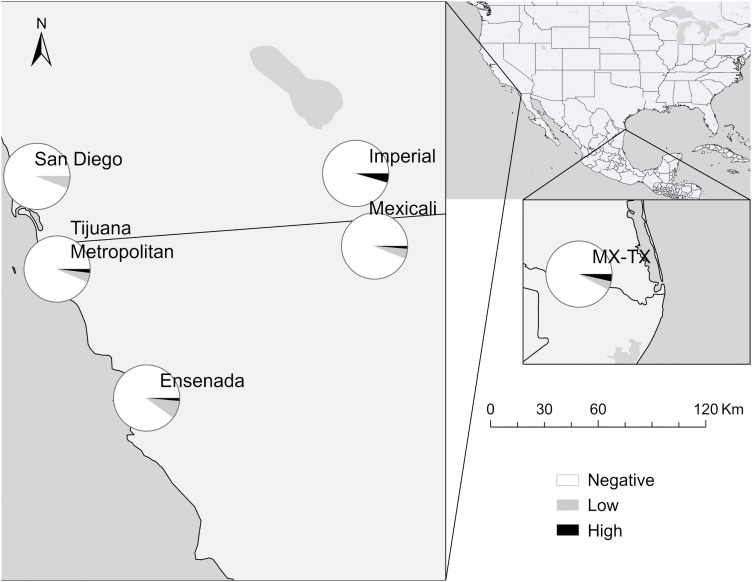 Figure 4
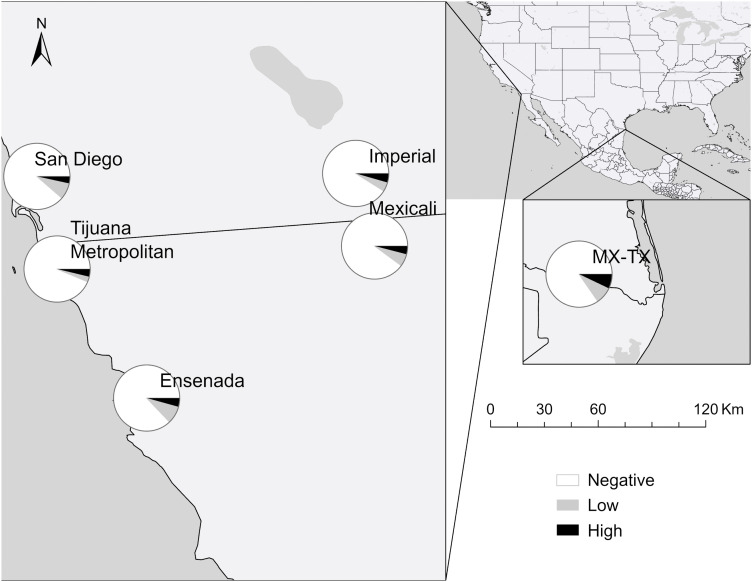 Figure 5
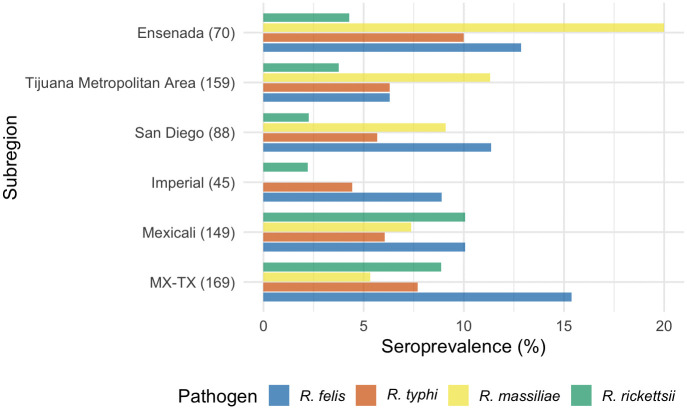 Figure 6
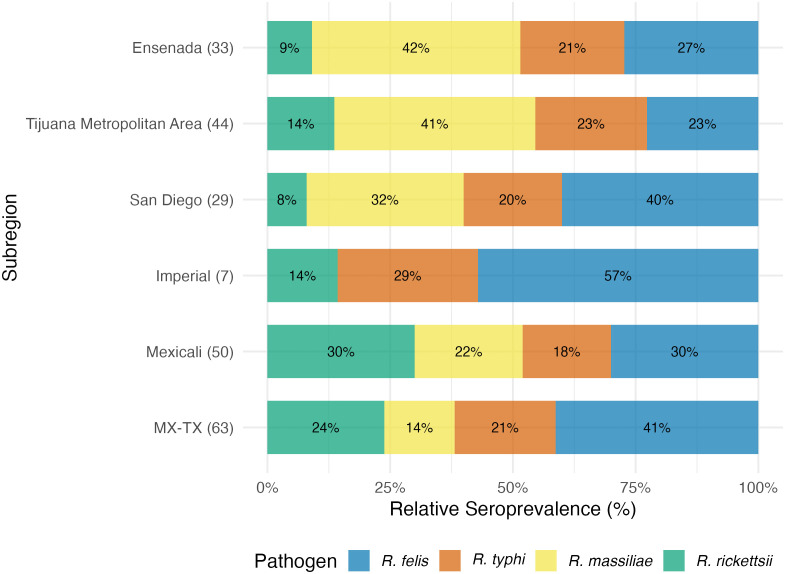 Figure 7
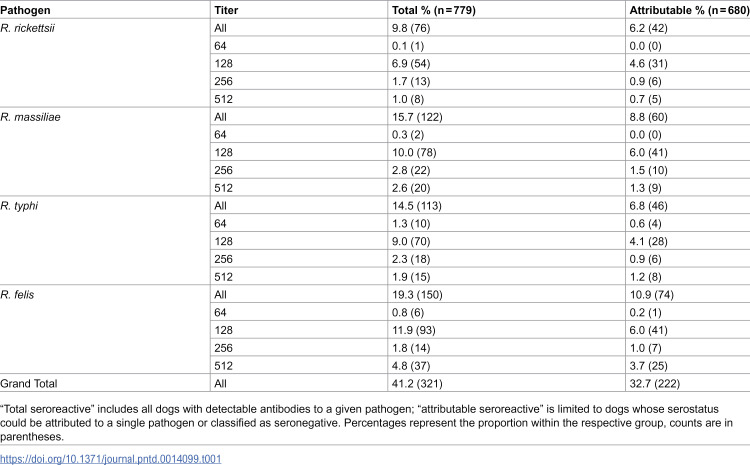 Figure 8
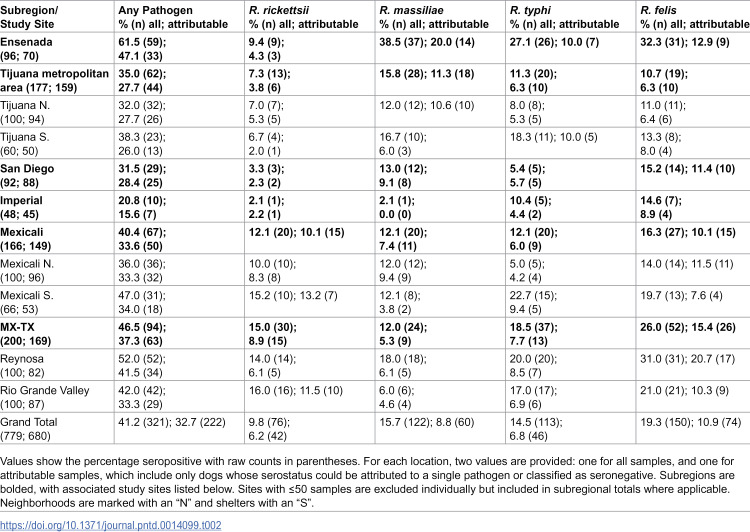 Figure 9
Peer Reviews
No public reviews on file for this paper yet. If you reviewed it on a platform where reviews are public (OpenReview, ICLR, NeurIPS, ICML), you can paste yours below so the community can read it here.
Videos
No videos yet. Explain this paper in a talk, walkthrough, or lecture? Add one.
Taxonomy
TopicsVector-borne infectious diseases · Leptospirosis research and findings · Parasites and Host Interactions