Seroprevalence and preventive practices of dengue and chikungunya among school children in Bangkok: Gaps in prevention and vaccination strategies
Thitiya Yakasaem, Thidarat Jupimai, Nattapong Jitrungruengnij, Napaporn Chantasrisawad, Ekasit Kowitdamrong, Padet Siriyasatien, Sunthorn Sunthornchart, Nattinee Isarankura Na Ayudaya, Paveena Angkhananukit, Pitsamai Ruansil, Kanchana Nakhapakorn, Eric Daudé, Alexandre Cebeillac

TL;DR
This study finds that many school children in Bangkok have been exposed to dengue and some to chikungunya, but preventive measures like repellent use and larval control are lacking.
Contribution
The study provides new seroprevalence data for dengue and chikungunya among Bangkok school children and identifies gaps in preventive practices.
Findings
Dengue seroprevalence was 28.1% among children aged 10–15 in Bangkok.
Only 14.8% of participants consistently used mosquito repellent.
Chikungunya seroprevalence was 6.3%, indicating an emerging trend.
Abstract
Dengue and chikungunya, both transmitted by Aedes mosquitoes, continue to pose significant public health concerns in Thailand, particularly during the rainy season. Despite ongoing vector control efforts, the incidence of infection remains high, with an increasing trend observed in chikungunya. This underscores the need for additional control measures, including vaccination, to reduce disease burden and morbidity. This study aims to assess the seroprevalence of dengue and chikungunya infections among children aged 10–15 years in Bangkok and to evaluate the knowledge, attitudes, and practices (KAP) related to mosquito-borne disease prevention. A cross-sectional descriptive study was conducted across 12 schools in Bangkok. Children aged 10–15 years were included. Seroprevalence was determined using rapid diagnostic tests (Abbott DENGUE IgG/IgM and Citest Chikungunya IgG/IgM) based on the…
Genes, proteins, chemicals, diseases, species, mutations and cell lines named across the full text — each resolved to its canonical identifier and authoritative record.
Click any figure to enlarge with its caption.
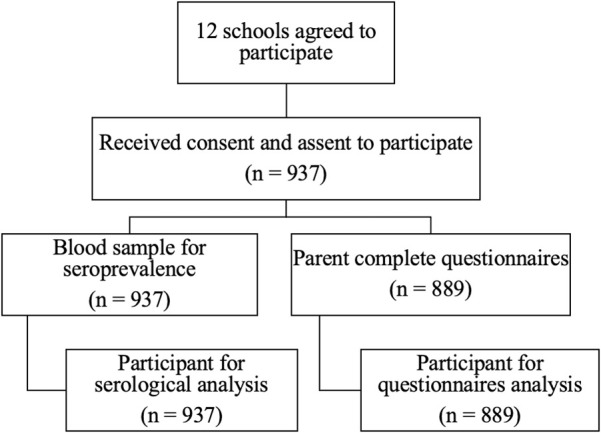 Figure 1
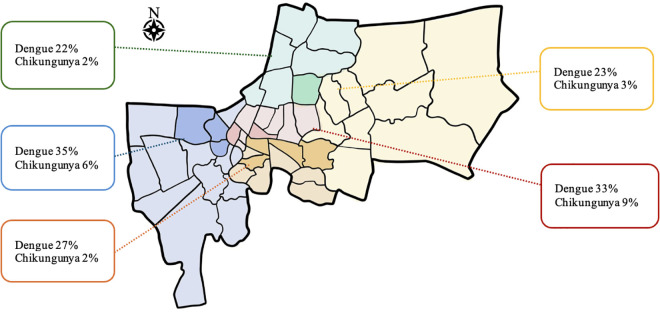 Figure 2
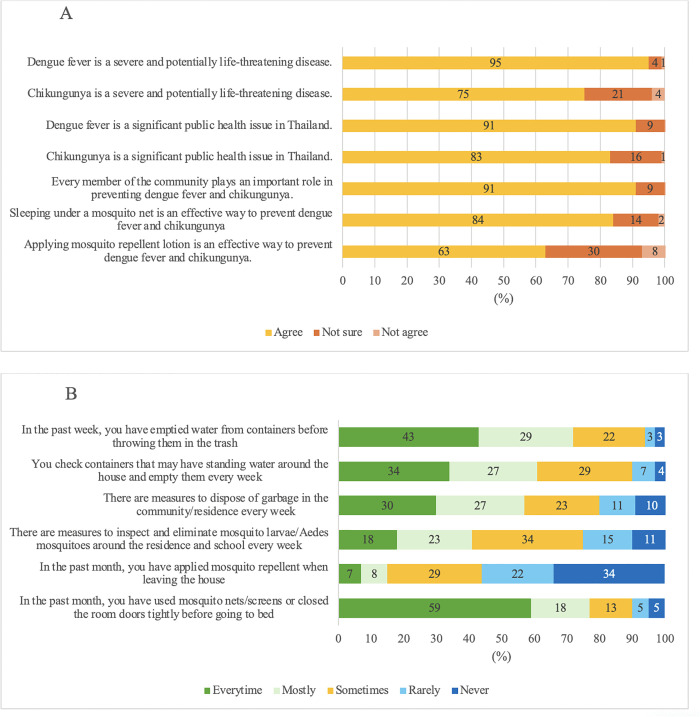 Figure 3
 Figure 4
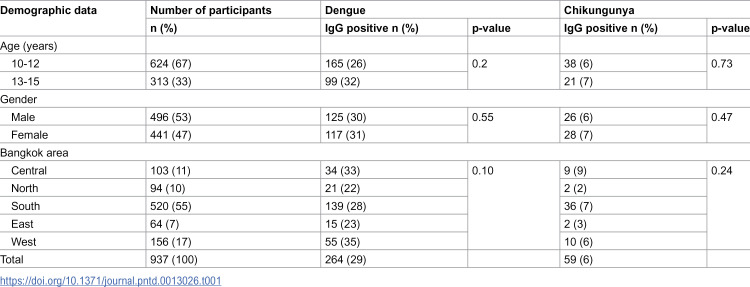 Figure 5
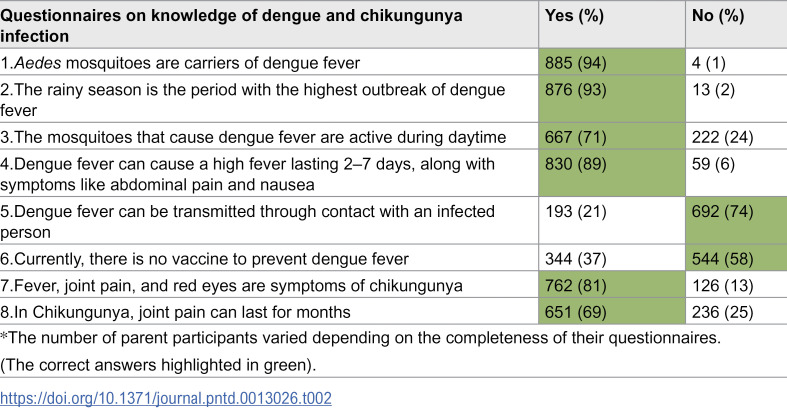 Figure 6
Peer Reviews
No public reviews on file for this paper yet. If you reviewed it on a platform where reviews are public (OpenReview, ICLR, NeurIPS, ICML), you can paste yours below so the community can read it here.
Videos
No videos yet. Explain this paper in a talk, walkthrough, or lecture? Add one.
Taxonomy
TopicsMosquito-borne diseases and control · Malaria Research and Control · Viral Infections and Outbreaks Research