Population-based ultrasound prevalence and risk factors for cystic echinococcosis in endemic Kazakhstan
Gulziya Ismailova, Majid Fasihi Harandi, Shokan Kaniyev, Zhanna Shapiyeva, Daniyar Mukazhanov, Bolatbek Baimakhanov, Adriano Casulli

TL;DR
A study in Kazakhstan found that 0.34% of people in rural areas have a parasitic disease called cystic echinococcosis, with children being most affected, and identified dog ownership and poor hygiene as key risk factors.
Contribution
This study provides the first population-based ultrasound prevalence data and identifies specific risk factors for cystic echinococcosis in endemic regions of Kazakhstan.
Findings
The prevalence of cystic echinococcosis was 0.34%, with 82.1% of cases in young people aged 9–14 years.
Dog ownership, failure to deworm dogs, and feeding raw offal to dogs were significant risk factors for infection.
92.85% of detected cysts were active, indicating ongoing transmission in the studied communities.
Abstract
Cystic echinococcosis (CE), caused by Echinococcus granulosus sensu lato, remains a significant public health concern in endemic areas of Kazakhstan. Despite global control efforts, CE persists due to insufficient deworming of dogs, the absence of control programs, and low public awareness. A cross-sectional study was conducted between September 2023 and June 2024 in 51 remote villages across two endemic regions of Kazakhstan. Participants underwent abdominal ultrasound screening and completed a structured questionnaire to assess potential risk factors. Cyst staging was performed according to the WHO - Informal Working Group on Echinococcosis guidelines. Statistical analyses included both univariate and multivariate models to identify significant predictors of infection. The prevalence of CE was 0.34%, with higher rates observed in young people (82.1%) than in adults (17.9%),…
Genes, proteins, chemicals, diseases, species, mutations and cell lines named across the full text — each resolved to its canonical identifier and authoritative record.
Click any figure to enlarge with its caption.
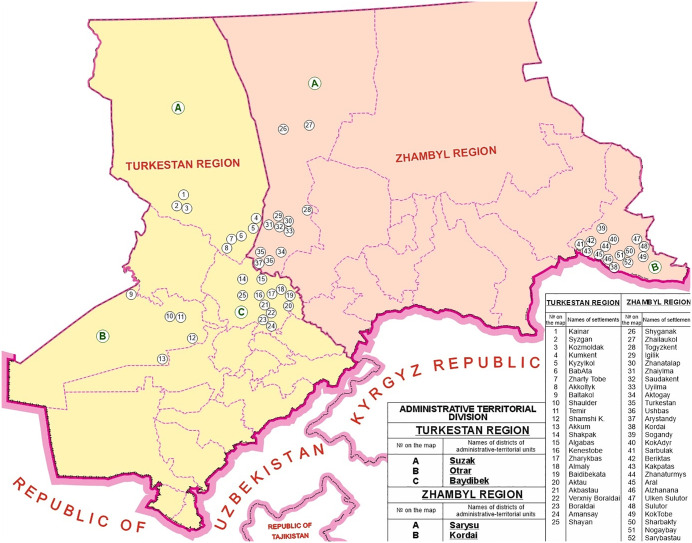 Figure 1
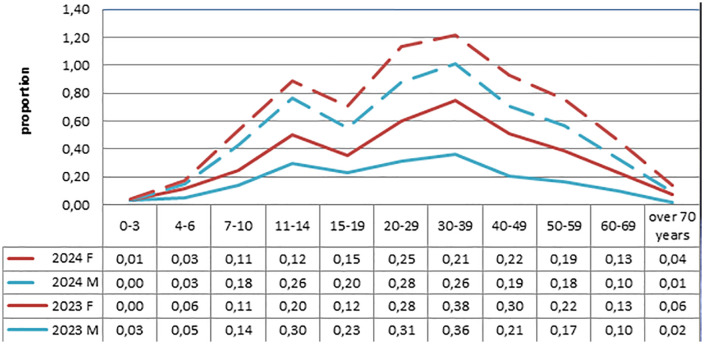 Figure 2
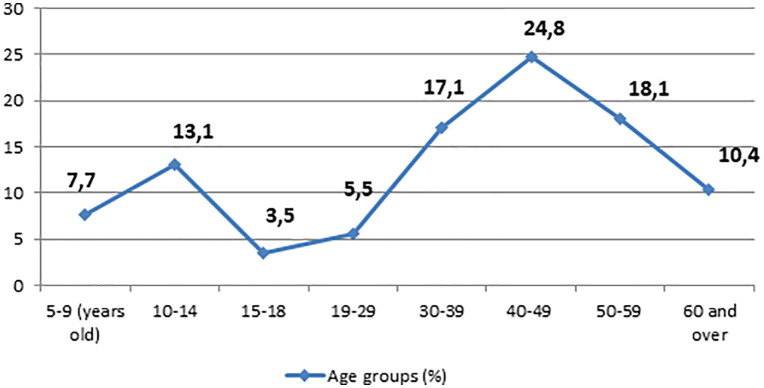 Figure 3
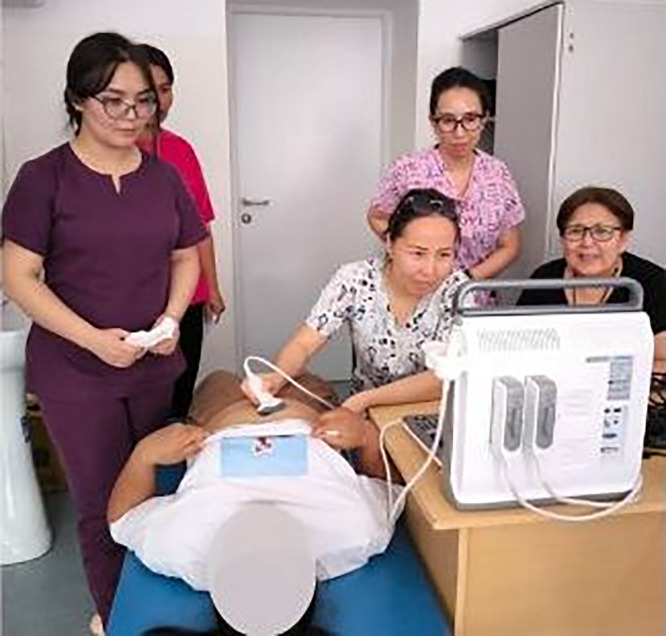 Figure 4
 Figure 5
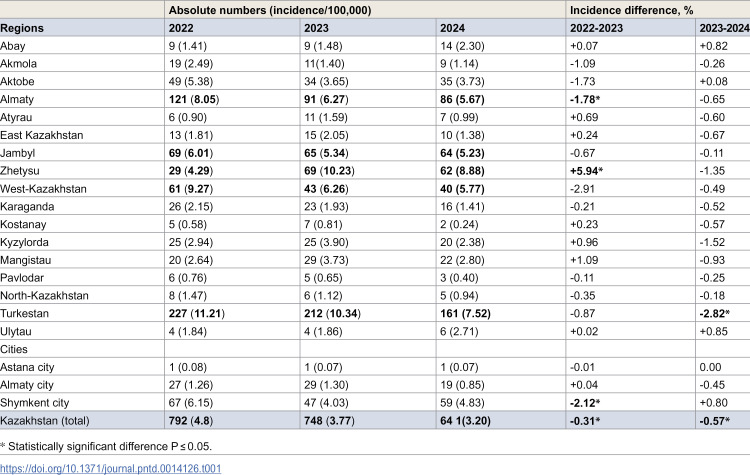 Figure 6
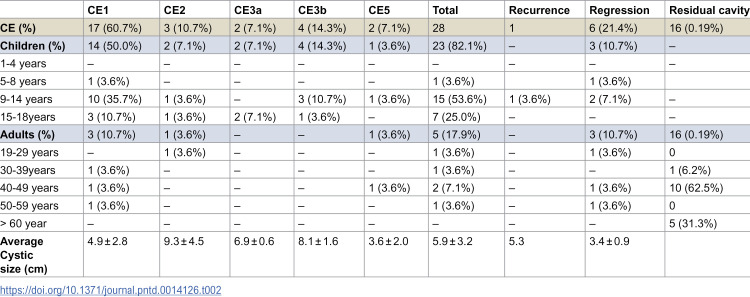 Figure 7
 Figure 8
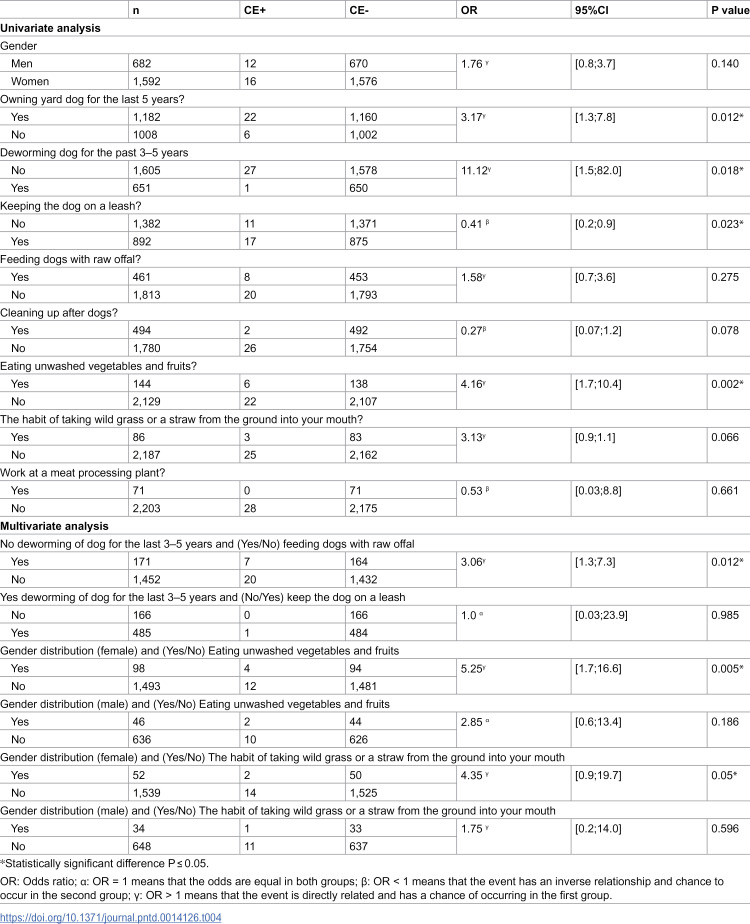 Figure 9
Peer Reviews
No public reviews on file for this paper yet. If you reviewed it on a platform where reviews are public (OpenReview, ICLR, NeurIPS, ICML), you can paste yours below so the community can read it here.
Videos
No videos yet. Explain this paper in a talk, walkthrough, or lecture? Add one.
Taxonomy
TopicsParasitic infections in humans and animals · Mercury impact and mitigation studies · Insects and Parasite Interactions