A prospective cohort study to describe the morphology of buboes in patients with bubonic plague using ultrasound imaging
Josephine Bourner, Reena Dwivedi, Rindra Vatosoa Randremanana, Lisy Hanitra Razananaivo, Elise Pesonel, Esteban Garcia-Gallo, Elizabeth Joekes, Théodora Mayouya-Gamana, Elisée Randriambolamanana Fanomezantsoa, Aly Ny Aina Minoarisoa, Ezra Rajoeliarivelo

TL;DR
This study used ultrasound to examine buboes in bubonic plague patients and found that their size and shape don't reliably reflect treatment progress.
Contribution
The first longitudinal ultrasound study of buboes in confirmed bubonic plague cases, revealing their morphology and measurement challenges.
Findings
Bubo size and morphology did not correlate with clinical improvement during treatment.
Digital calliper measurements significantly overestimated bubo size compared to ultrasound.
Newly trained clinicians could reliably measure size but struggled with interpreting internal structures.
Abstract
Bubonic plague, caused by Yersinia pestis, is characterised by painful, enlarged lymph nodes (“buboes”). Despite centuries of clinical recognition, bubo morphology has been described only through observation and palpation. This study aimed to characterise the sonographic features of buboes over time in confirmed bubonic plague and evaluate the validity of digital calliper measurements compared to ultrasound. We conducted a prospective cohort study at three rural health centres in Madagascar between January and March 2024. Participants with suspected bubonic plague underwent ultrasound imaging and digital calliper measurements of enlarged lymph nodes at inclusion (D1), and follow-up on D4 and D11. Bubo size and morphology were assessed by clinicians – who received targeted ultrasound training for the study – using portable ultrasound devices, with expert radiologist oversight. Neither…
Genes, proteins, chemicals, diseases, species, mutations and cell lines named across the full text — each resolved to its canonical identifier and authoritative record.
Click any figure to enlarge with its caption.
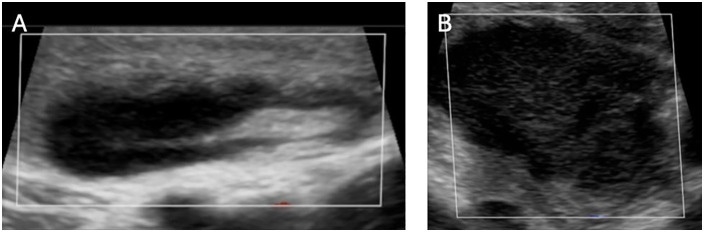 Figure 1
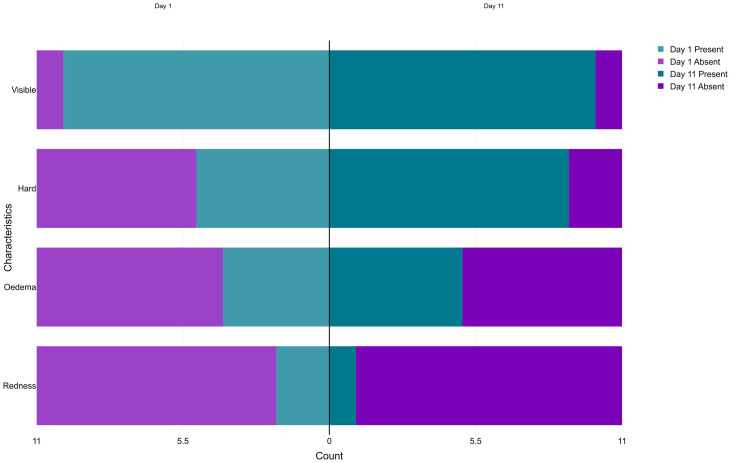 Figure 2
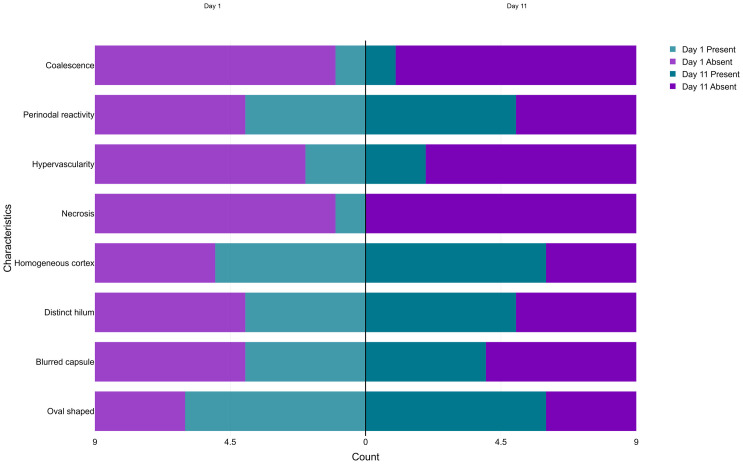 Figure 3
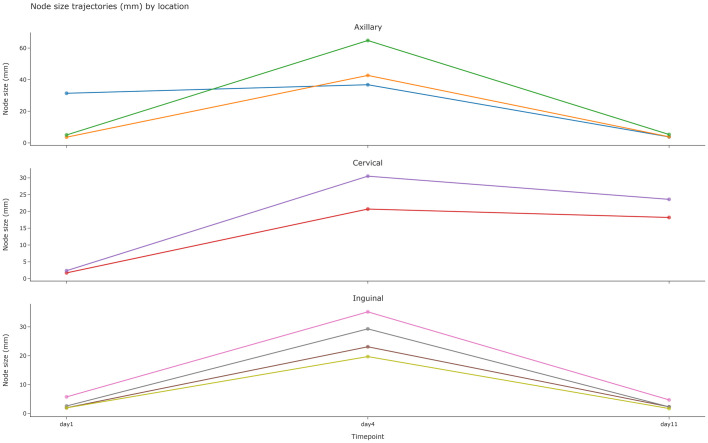 Figure 4
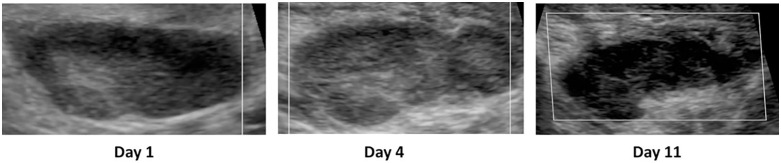 Figure 5
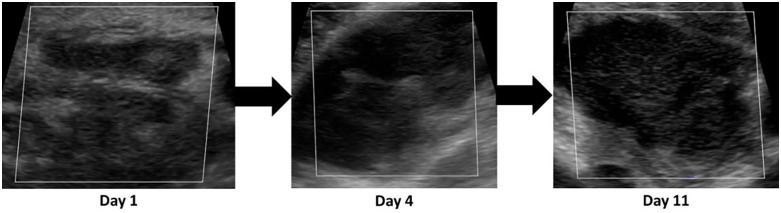 Figure 6
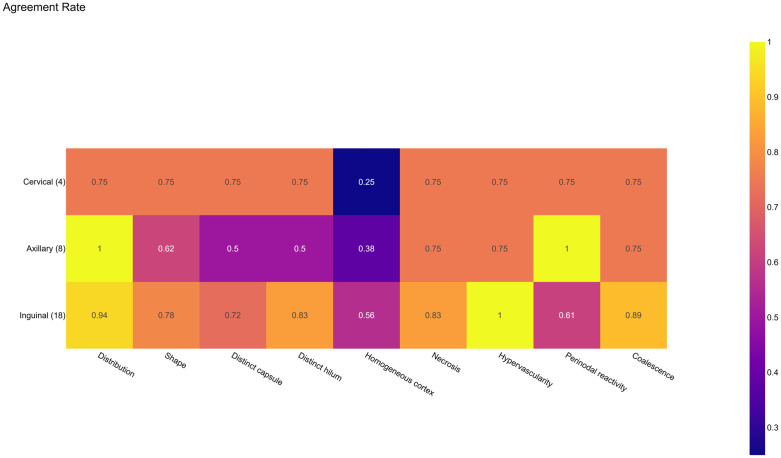 Figure 7
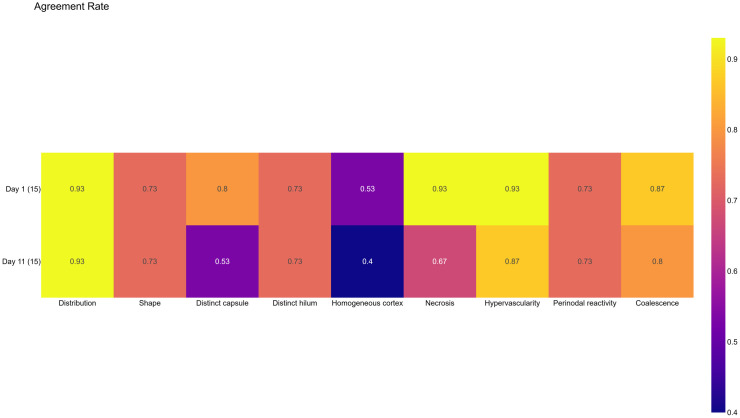 Figure 8
 Figure 9
 Figure 10
 Figure 11
Peer Reviews
No public reviews on file for this paper yet. If you reviewed it on a platform where reviews are public (OpenReview, ICLR, NeurIPS, ICML), you can paste yours below so the community can read it here.
Videos
No videos yet. Explain this paper in a talk, walkthrough, or lecture? Add one.
Taxonomy
TopicsYersinia bacterium, plague, ectoparasites research · Leprosy Research and Treatment · Bacterial Infections and Vaccines