Dense and distributed neuropeptide network in the nerve net of Hydra vulgaris
Johanna De La Cruz Rothenfusser, Luis Alfonso Yáñez-Guerra, Felix Teufel, Rafael Yuste, Eduardo Jardón-Valadez, Eduardo Jardón-Valadez, Eduardo Jardón-Valadez

TL;DR
This study reveals a complex chemical communication network in Hydra, showing that neuropeptides can coordinate behavior without a centralized brain.
Contribution
The discovery of a dense and distributed neuropeptide network in Hydra vulgaris, suggesting ancient origins of chemical signaling in nervous systems.
Findings
Hydra has 61 putative neuropeptides and 65 neuropeptide-specific GPCRs, forming a rich chemical communication network.
Ectodermal neurons act as hubs in the neuropeptide network, enabling organism-wide coordination.
Computational models show the network can support stable activity patterns, similar to attractor neural networks.
Abstract
Neuroscience has long emphasized synaptic transmission and physical wiring as the substrate of brain function and behavior. However, an additional layer of connectivity — a “chemical connectome” formed by neuropeptide-GPCR signaling — has been increasingly recognized in animals such as C. elegans, Drosophila, and the cnidarian Nematostella vectensis. To further explore neuropeptide networks in basal metazoans, we analyzed the genome and transcriptome of the freshwater cnidarian Hydra vulgaris. Hydra offers unique experimental advantages: a simple nerve net, robust regenerative capacity, a well described behavioral repertoire, and tractable whole-body calcium imaging that allows mapping of neural and muscle activity, and cell type identity, in an integrated manner. This makes Hydra a powerful system to investigate how neuropeptidergic signaling shapes neuronal ensembles and behavior.…
Genes, proteins, chemicals, diseases, species, mutations and cell lines named across the full text — each resolved to its canonical identifier and authoritative record.
Click any figure to enlarge with its caption.
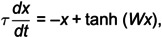 Figure 1
 Figure 2
 Figure 3
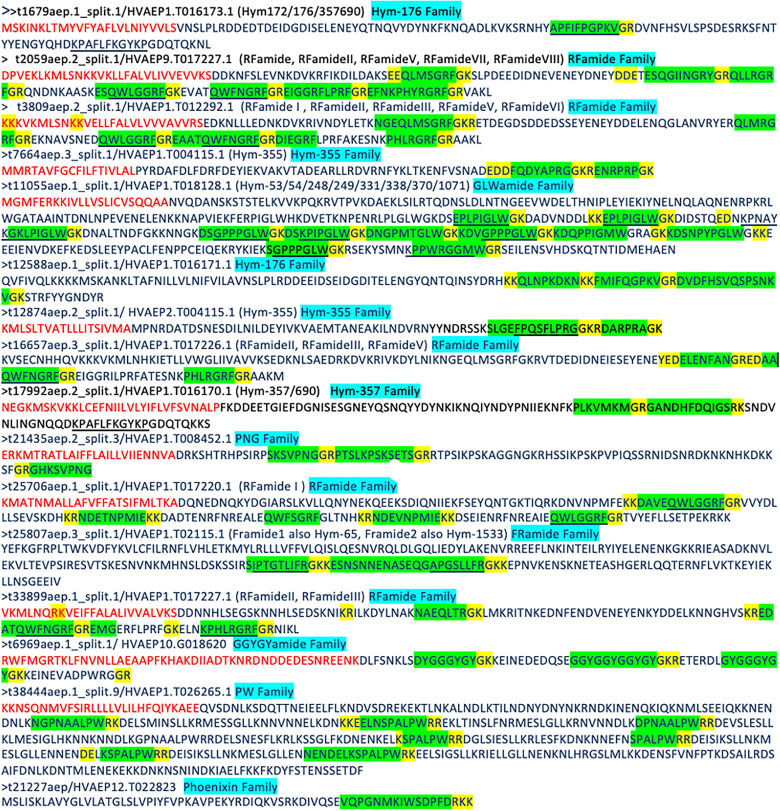 Figure 4
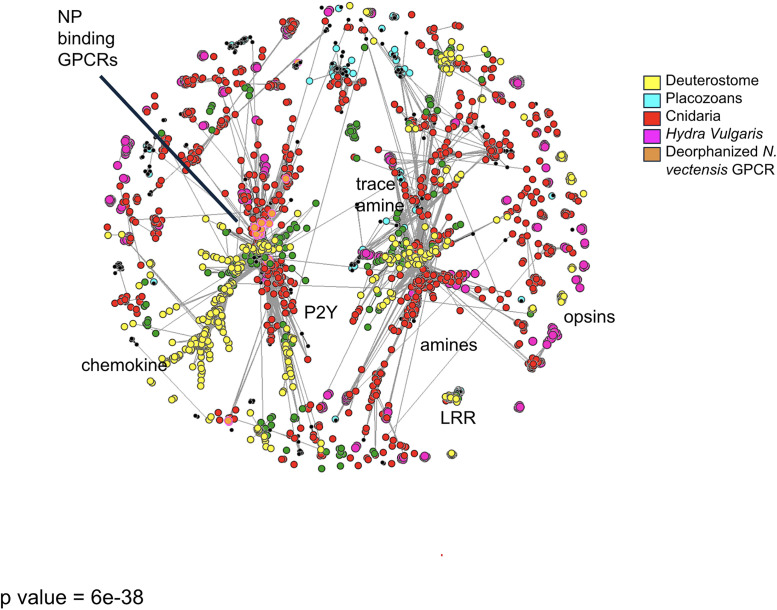 Figure 5
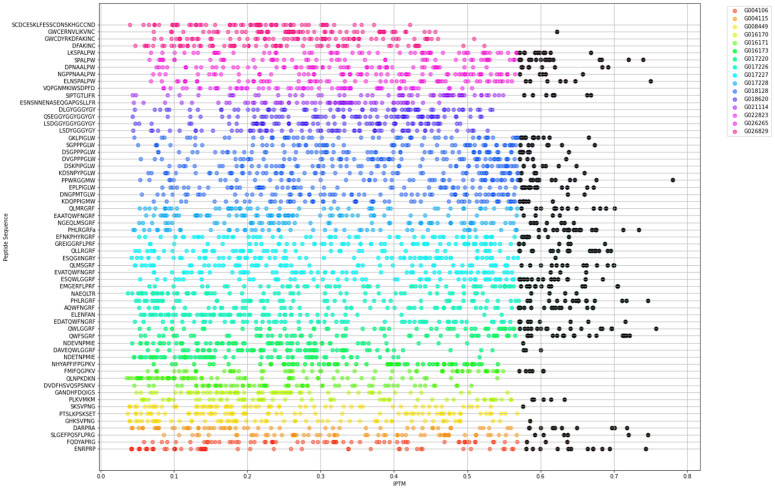 Figure 6
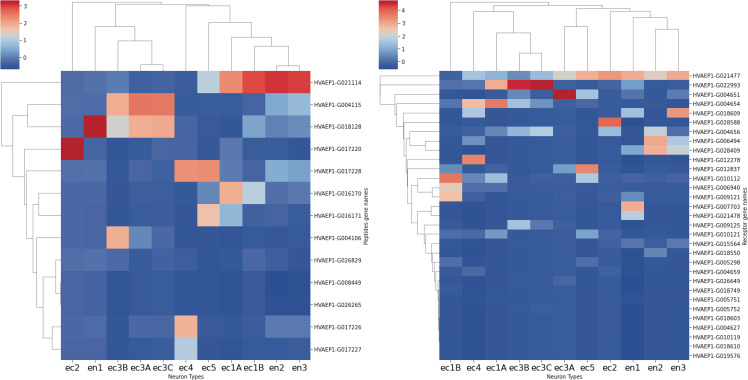 Figure 7
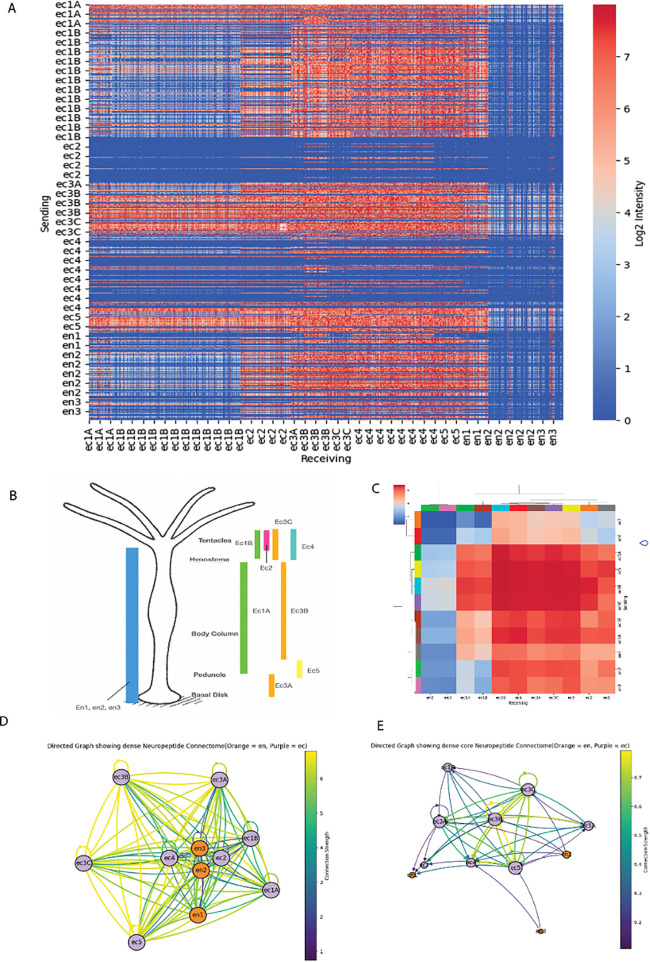 Figure 8
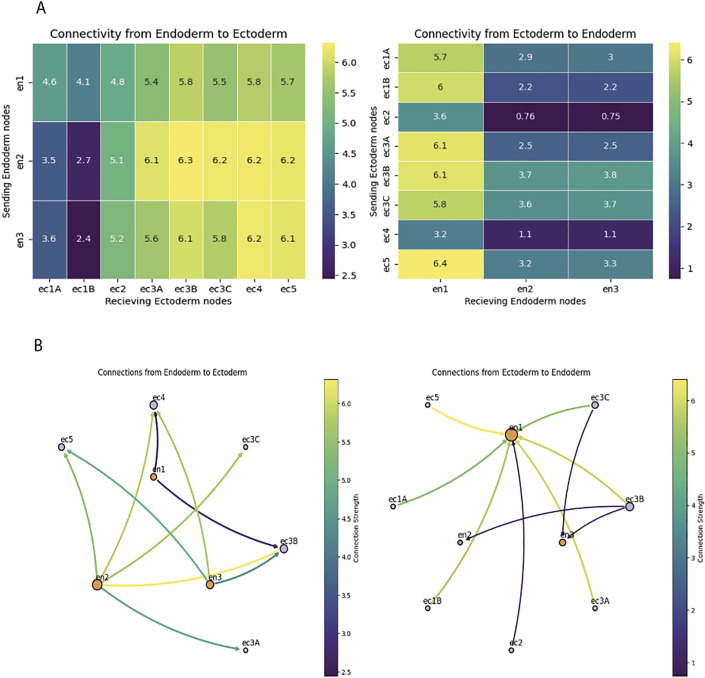 Figure 9
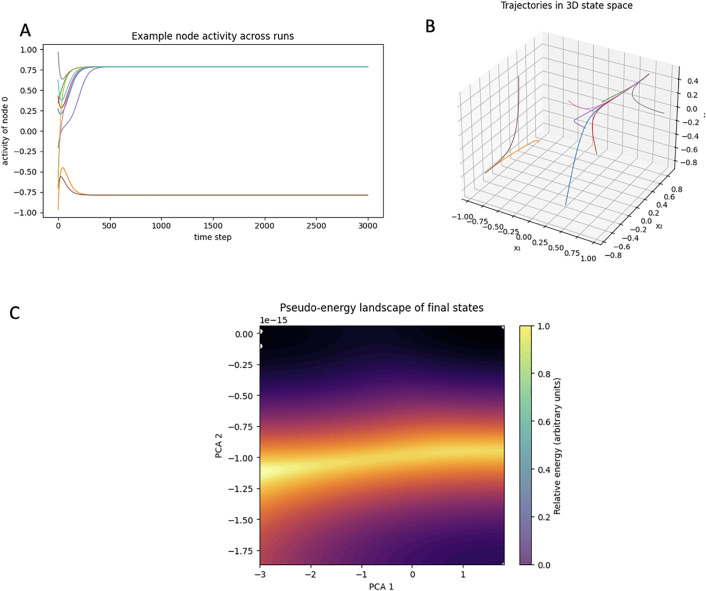 Figure 10
Peer Reviews
No public reviews on file for this paper yet. If you reviewed it on a platform where reviews are public (OpenReview, ICLR, NeurIPS, ICML), you can paste yours below so the community can read it here.
Videos
No videos yet. Explain this paper in a talk, walkthrough, or lecture? Add one.
Taxonomy
TopicsMarine Invertebrate Physiology and Ecology · Neurobiology and Insect Physiology Research · Cephalopods and Marine Biology