The effect of cold ischemia time on hypoxia, EMT, and apoptosis pathways in normal colon mucosa
Katarzyna Duzowska, Mikołaj Opiełka, Kinga Drężek-Chyła, Anna Kostecka, Monika Horbacz, Jarosław Skokowski, Olga Rostkowska, Jarosław Kobiela, Leszek Kalinowski, Jan P. Dumanski, Arkadiusz Piotrowski, Marcin Jąkalski, Natalia Filipowicz, Yingkun Xu, Aniruddha Datta

TL;DR
This study shows that the time between tissue removal and freezing affects gene activity in colon tissue, potentially mimicking cancer traits and affecting research results.
Contribution
The study identifies specific gene expression changes due to cold ischemia time, linking them to cancer-related pathways like hypoxia, apoptosis, and EMT.
Findings
44 genes were differentially expressed after 60 minutes of cold ischemia compared to immediate freezing.
Prolonged cold ischemia altered pathways related to apoptosis, hypoxia, EMT, and cancer progression.
Two gene modules were identified, one downregulating apoptosis-related genes and another linked to apoptosis and metabolism.
Abstract
Cold ischemia time (CIT), the interval between tissue excision and preservation, is a critical preanalytical variable that profoundly impacts gene expression profiles. Variability in CIT can lead to inconsistent transcriptomic results, making study interpretation challenging and undermining reproducibility in biomedical research. Our study aimed to evaluate the impact of CIT on the expression of cancer-related genes, particularly these involved in hypoxia, apoptosis, and epithelial-to-mesenchymal transition (EMT). We performed RNA sequencing on 54 normal colon mucosa samples from nine patients undergoing colorectal cancer surgeries, freezing samples at predefined intervals ranging from 0 to 60 minutes. A total of 44 differentially expressed genes (DEGs) (p < 0.05) were identified when comparing samples frozen immediately (T0) with those frozen after 60 minutes (T5). These DEGs were…
Genes, proteins, chemicals, diseases, species, mutations and cell lines named across the full text — each resolved to its canonical identifier and authoritative record.
Click any figure to enlarge with its caption.
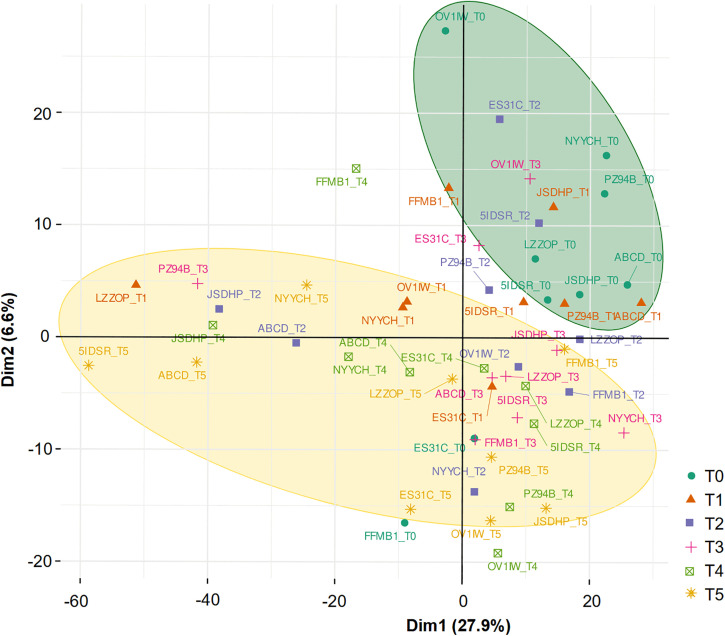 Figure 1
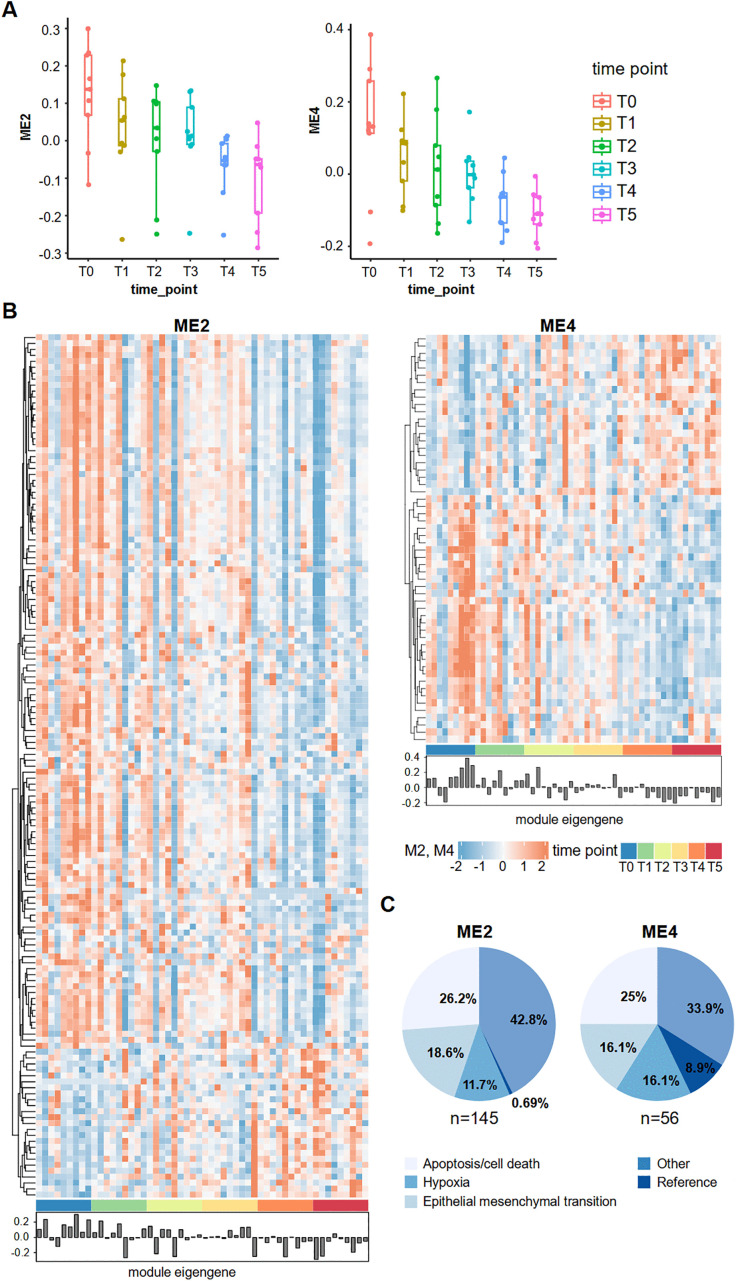 Figure 2
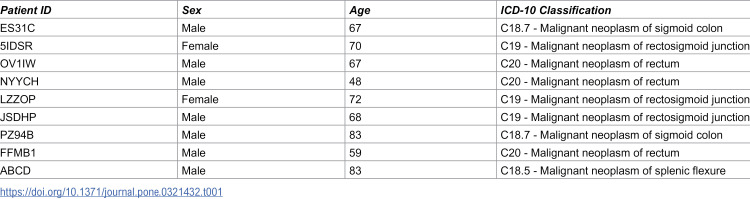 Figure 3
Peer Reviews
No public reviews on file for this paper yet. If you reviewed it on a platform where reviews are public (OpenReview, ICLR, NeurIPS, ICML), you can paste yours below so the community can read it here.
Videos
No videos yet. Explain this paper in a talk, walkthrough, or lecture? Add one.
Taxonomy
TopicsCancer, Hypoxia, and Metabolism · Molecular Biology Techniques and Applications · Cancer Cells and Metastasis