A virtual screening and molecular dynamics approach in search of novel antibiotic chemotypes
Tahira Noor, Daniel C. Schultz, Yuting Zhai, Hannah E. Snoke, Suyeun Noh, Gustavo Seabra, Richard E. Lee, Kwangcheol Casey Jeong, Chenglong Li, Abdul Rauf Siddiqi, Otávio Augusto Chaves, Otávio Augusto Chaves, Otávio Augusto Chaves

TL;DR
This paper explores new antibiotic candidates by targeting a conserved site on a bacterial enzyme, using virtual screening and molecular simulations to identify promising compounds.
Contribution
The study identifies novel pterin-site inhibitors of DHPS through virtual screening and molecular dynamics, offering potential new antibiotic chemotypes.
Findings
Compounds 8802 and 7034 were identified as potential pterin-site inhibitors of DHPS.
Synthesized analogues LST-1 and LST-2 showed favorable binding to the pterin site.
Compound 8802 demonstrated superior antibacterial activity and favorable physicochemical properties.
Abstract
Due to the constantly evolving threat of antibiotic resistance, there is a dire need for novel antibacterial agents. Dihydropteroate synthase (DHPS) is a key bacterial enzyme which has been targeted for nearly a century as a means of selective treatment of microbial infections and exhibits two orthosteric binding sites – the p-aminobenzoic acid (pABA) site and the pterin site. The former is the target of sulfonamides, the earliest class of synthetic antibiotics, and its mutant forms have conferred resistance to this drug class, diminishing its utility in the clinic. Conversely, the pterin site, which is highly conserved across bacterial species, is purported to be less tolerant of mutations, rendering it an attractive target for novel antibiotics. Inspired by this, we conducted a large virtual screen of more than 450,000 compounds from commercial databases, identifying compounds 8802…
Genes, proteins, chemicals, diseases, species, mutations and cell lines named across the full text — each resolved to its canonical identifier and authoritative record.
Click any figure to enlarge with its caption.
 Figure 1
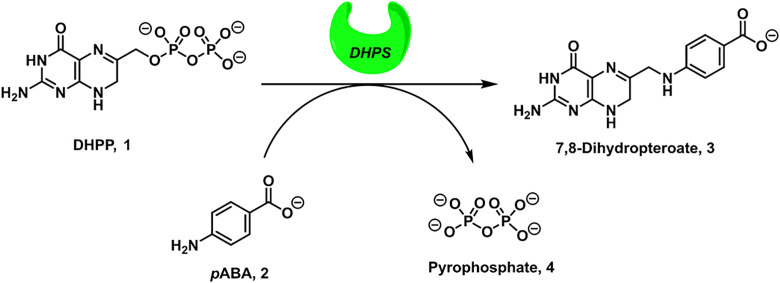 Figure 2
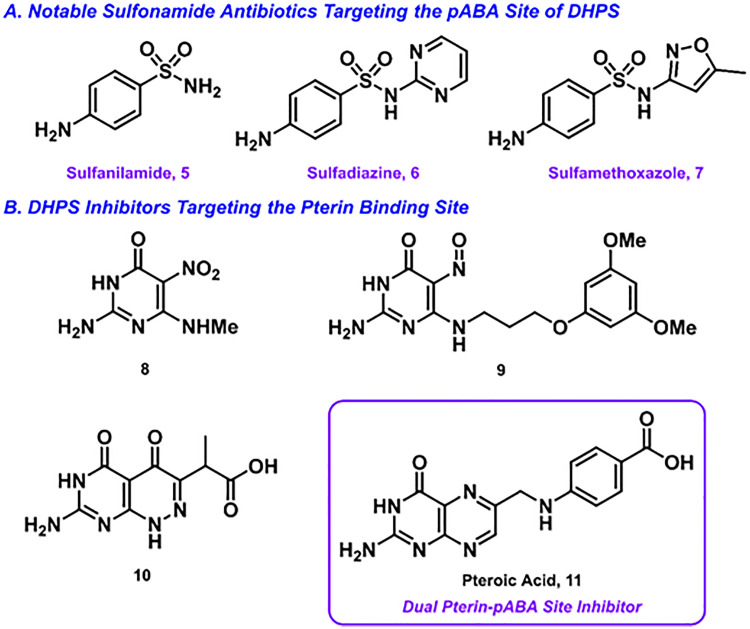 Figure 3
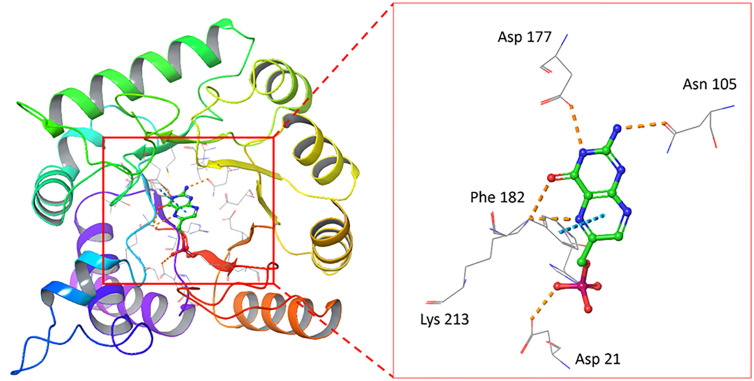 Figure 4
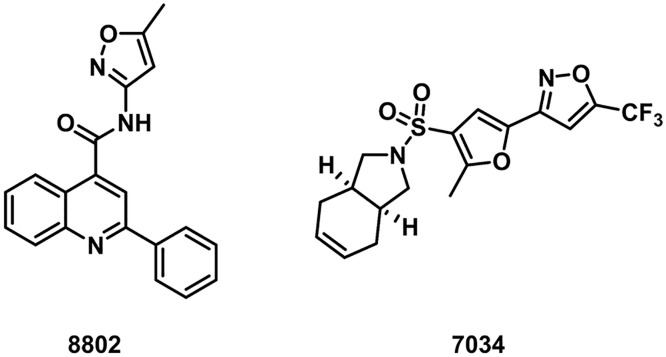 Figure 5
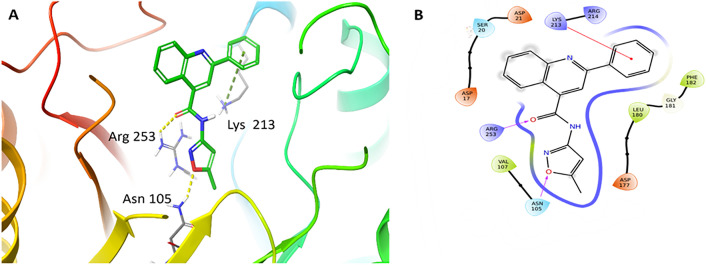 Figure 6
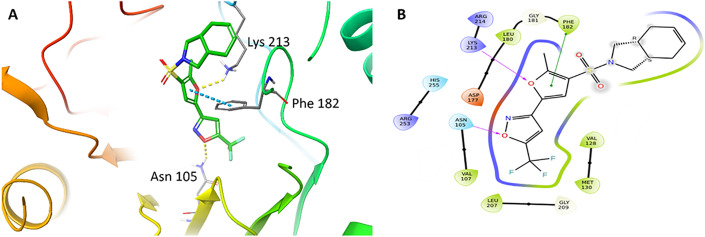 Figure 7
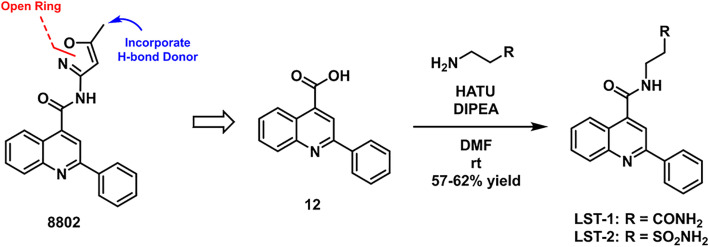 Figure 8
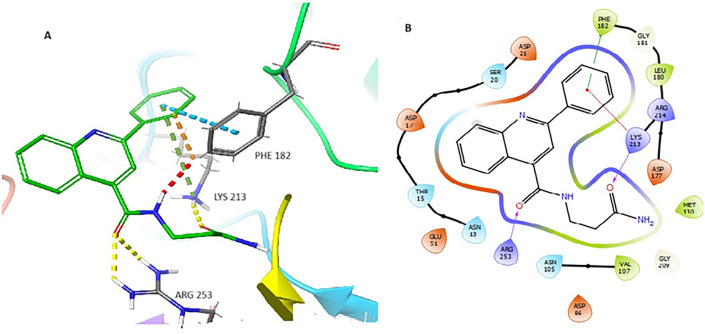 Figure 9
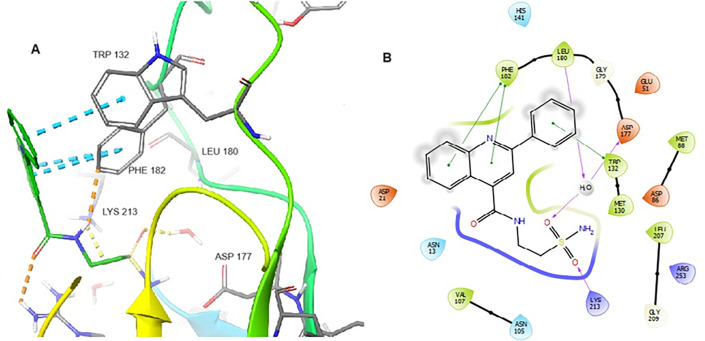 Figure 10
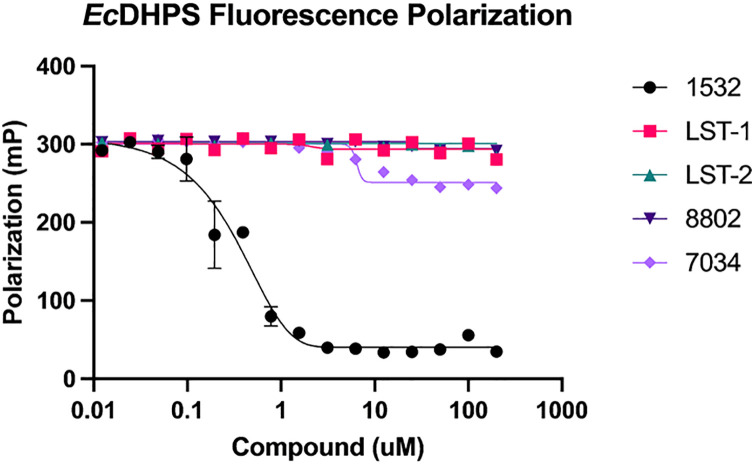 Figure 11
 Figure 12
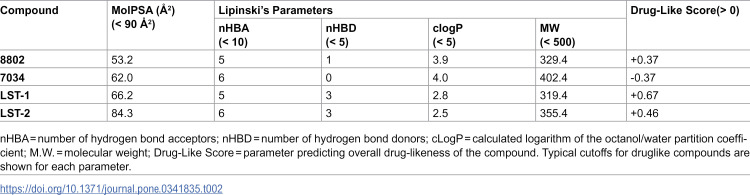 Figure 13
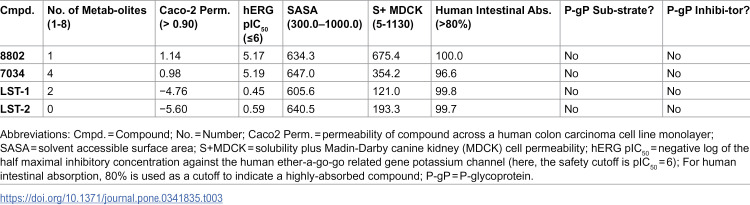 Figure 14
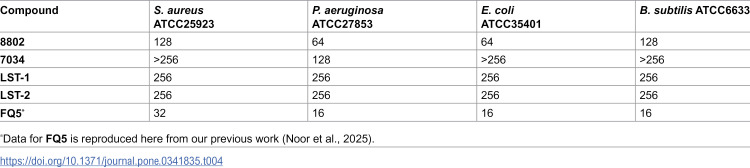 Figure 15
Peer Reviews
No public reviews on file for this paper yet. If you reviewed it on a platform where reviews are public (OpenReview, ICLR, NeurIPS, ICML), you can paste yours below so the community can read it here.
Videos
No videos yet. Explain this paper in a talk, walkthrough, or lecture? Add one.
Taxonomy
TopicsBiochemical and Molecular Research · Metabolism and Genetic Disorders · HIV/AIDS drug development and treatment