Thrombin activity confinement and dense granule release drive the dynamics of arterial thrombus
Efim S. Bershadsky, Dmitry Y. Nechipurenko

TL;DR
A new computational model explains how thrombin activity and platelet granule release control the structure and growth of arterial blood clots.
Contribution
A 3D computational model reveals how thrombin confinement and dense granule depletion regulate thrombus dynamics and structure.
Findings
Thrombus core size is regulated by thrombin transport and platelet activation thresholds.
ADP concentration dynamics and granule pool depletion explain three-stage thrombus growth.
The model explains reduced thrombus core size in Hermansky-Pudlak syndrome and hemostasis in penetrating injuries.
Abstract
The mechanisms driving spatial heterogeneity of arterial thrombus and its three-stage dynamics are poorly understood. To investigate the potential principles regulating the size of the thrombus core and shell we developed a 3D continuum computational model that describes thrombus heterogeneity, thrombin-induced platelet dense granule secretion and clot propagation through thrombin and ADP-induced platelet activation. The continuum model predicted that spatial confinement of the thrombus core was a result of thrombin transport and a threshold-like dependence of platelet activation on thrombin concentration. This new model recapitulated three-stage dynamics observed in vivo and explained it with a burst-like ADP concentration dynamics due to the confinement of thrombus core propagation and rapid dense granule pool depletion within the core. The maximal shell size in silico was regulated…
Genes, proteins, chemicals, diseases, species, mutations and cell lines named across the full text — each resolved to its canonical identifier and authoritative record.
Click any figure to enlarge with its caption.
 Figure 1
 Figure 2
 Figure 3
 Figure 4
 Figure 5
 Figure 6
 Figure 7
 Figure 8
 Figure 9
 Figure 10
 Figure 11
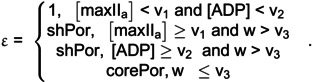 Figure 12
 Figure 13
 Figure 14
 Figure 15
 Figure 16
 Figure 17
 Figure 18
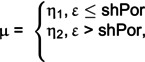 Figure 19
 Figure 20
 Figure 21
 Figure 22
 Figure 23
 Figure 24
 Figure 25
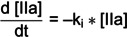 Figure 26
 Figure 27
 Figure 28
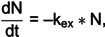 Figure 29
 Figure 30
 Figure 31
 Figure 32
 Figure 33
 Figure 34
 Figure 35
 Figure 36
 Figure 37
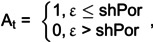 Figure 38
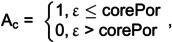 Figure 39
 Figure 40
 Figure 41
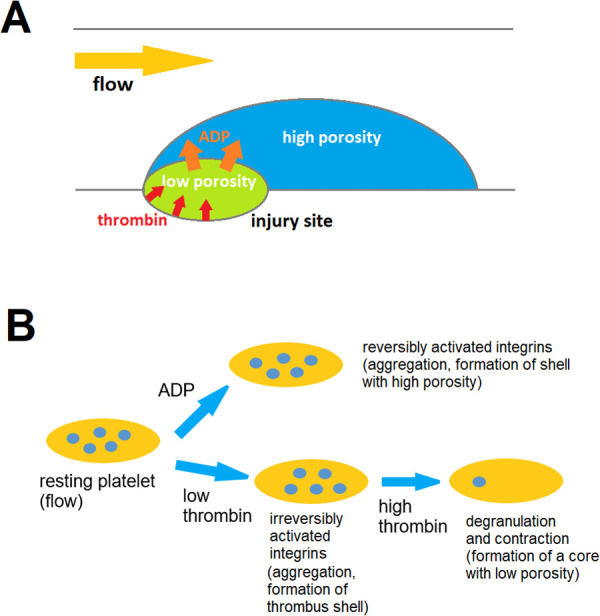 Figure 42
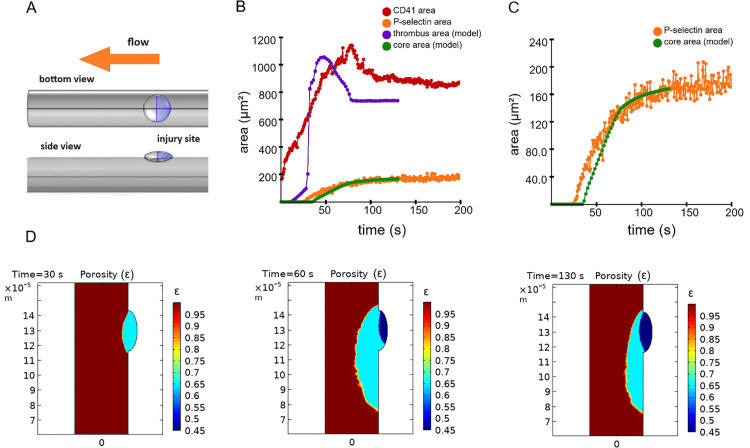 Figure 43
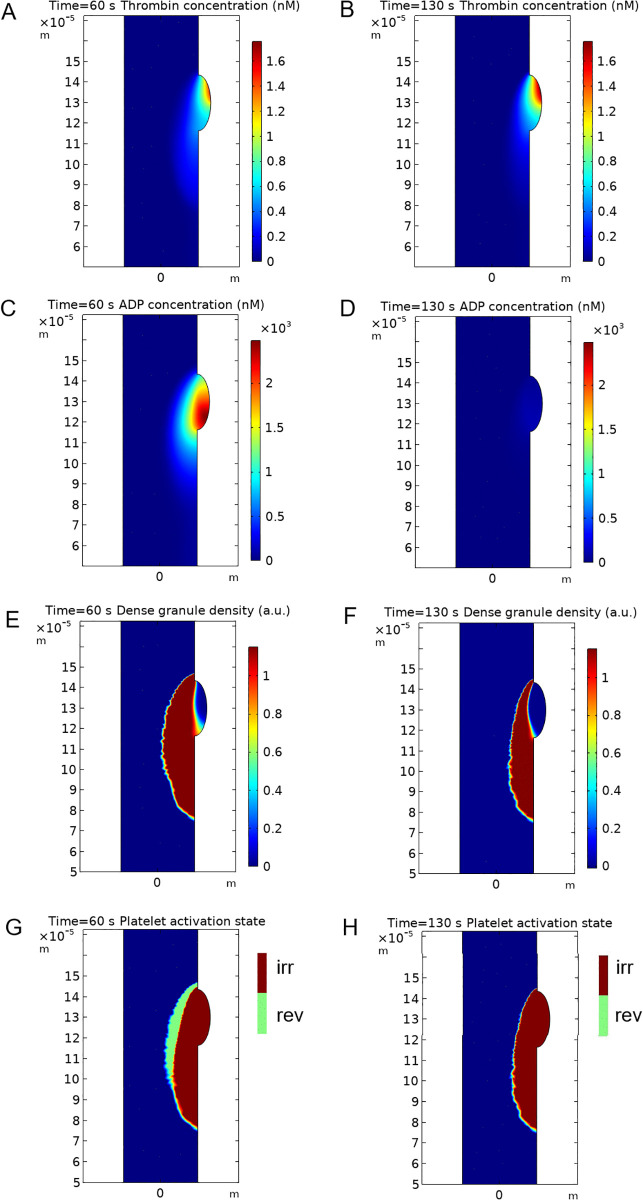 Figure 44
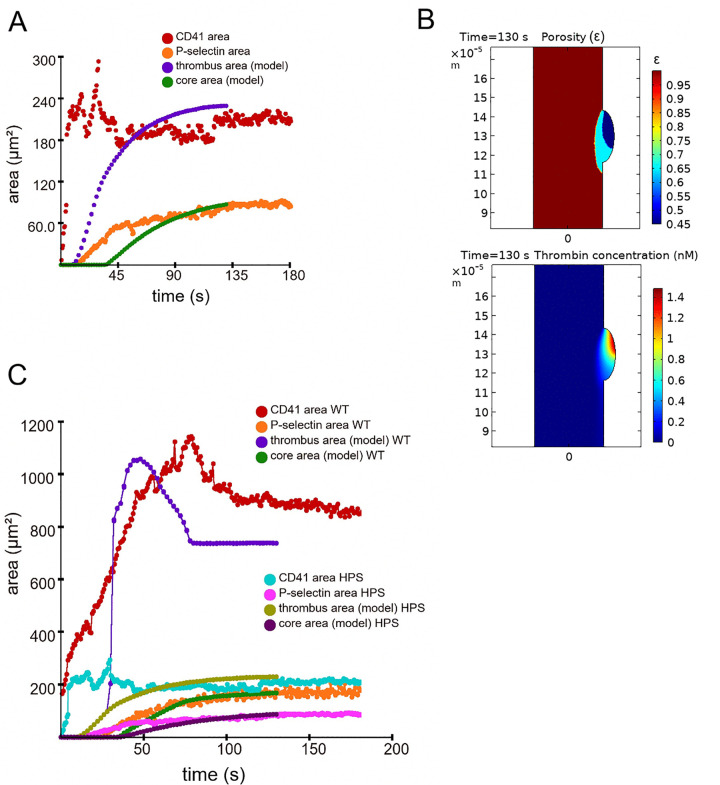 Figure 45
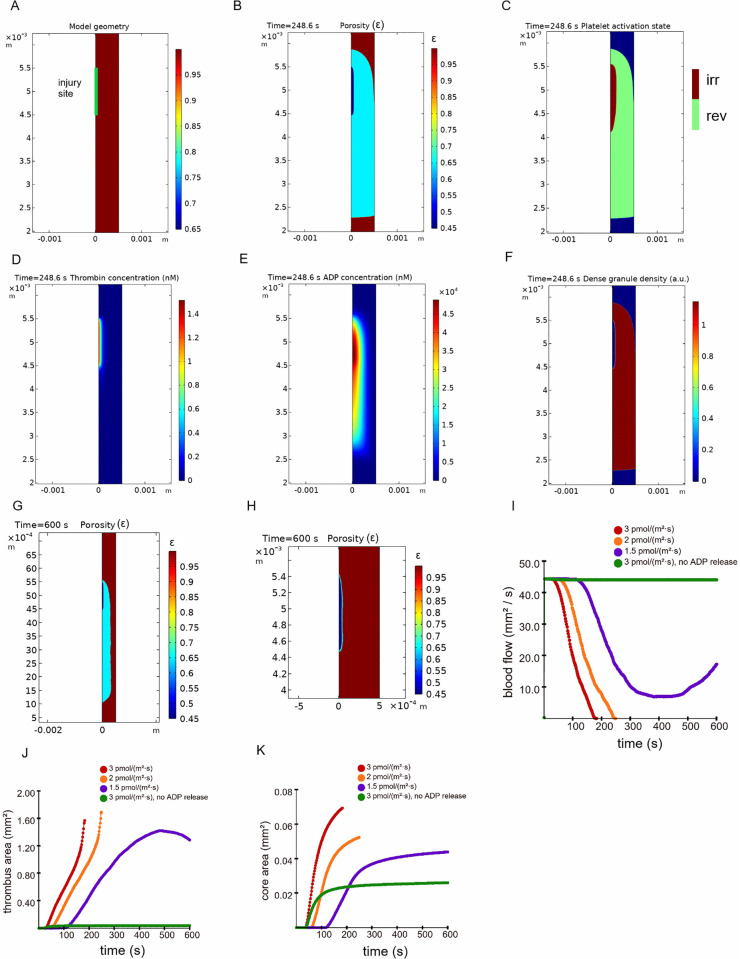 Figure 46
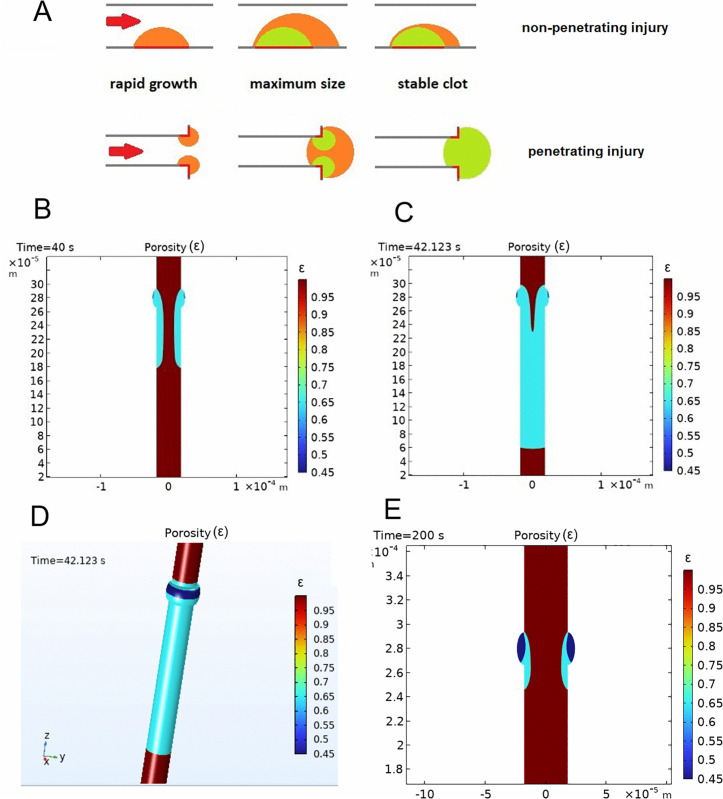 Figure 47
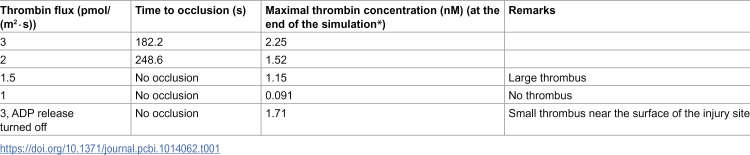 Figure 48
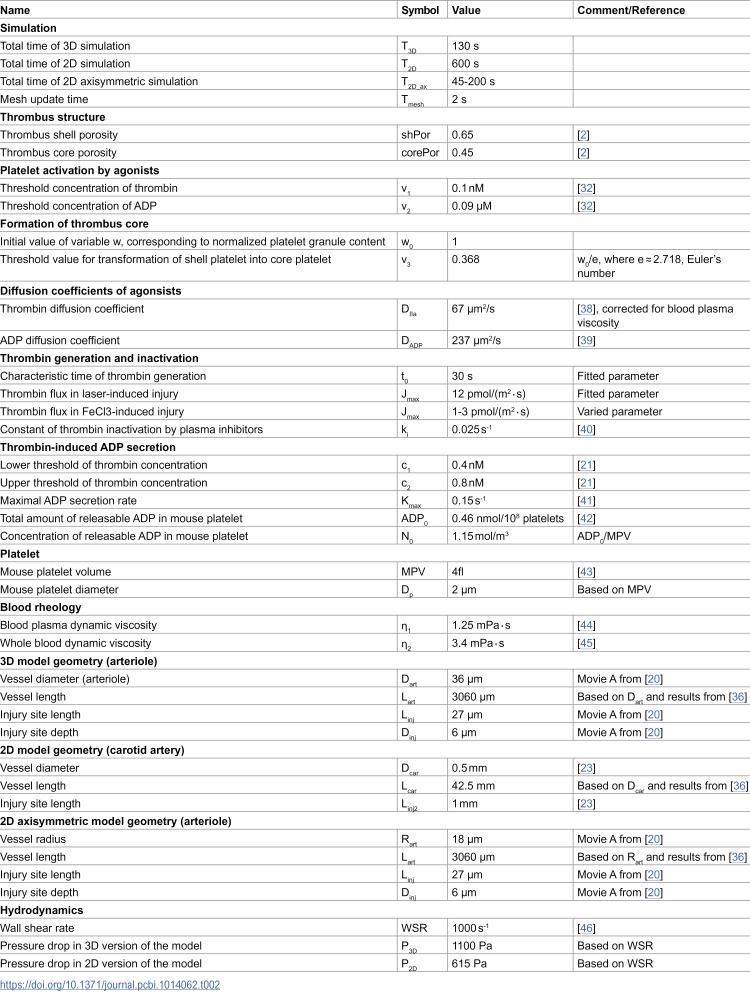 Figure 49
Peer Reviews
No public reviews on file for this paper yet. If you reviewed it on a platform where reviews are public (OpenReview, ICLR, NeurIPS, ICML), you can paste yours below so the community can read it here.
Videos
No videos yet. Explain this paper in a talk, walkthrough, or lecture? Add one.
Taxonomy
TopicsPlatelet Disorders and Treatments · Cerebrovascular and Carotid Artery Diseases · Cell Adhesion Molecules Research