Higher temperatures are associated with increased risk of police violence: A nationwide county-level study in the United States, 2013–2024
Jiacheng Zou, Kun Hou, Xia Xu, Zhen Wang

TL;DR
Higher temperatures in the U.S. are linked to increased risk of police violence, with potential public health and social stability impacts.
Contribution
Quantifies the association between temperature and police violence risk using nationwide data and panel regression models.
Findings
Each 1°C rise in monthly average temperature is linked to increased death rates in areas with low precipitation and large populations.
Projected additional deaths from police violence due to temperature changes by 2050 could reach 479 under high emissions scenarios.
Spatiotemporal variation in temperature effects was observed, with higher risks in certain states and during 2024.
Abstract
Ambient temperature has been demonstrated to be associated with a variety of violent or conflict events. However, few studies have so far linked temperature to the risk of police violence, where the quantitative estimate of the temperature effect is still unclear. In this study, we comprehensively explore the relationship between temperature variations and police violence risk based on a series of panel regression models with high-dimensional fixed effects in the United States. The results indicate a generally positive association between temperature and the police violence, with higher temperatures corresponding to elevated risks. The heterogeneity analysis exhibits that lower levels of precipitation and larger population sizes are associated with increased risks of police violence. Specifically, under the conditions of less than 50 mm precipitation and a population of larger than 5…
Genes, proteins, chemicals, diseases, species, mutations and cell lines named across the full text — each resolved to its canonical identifier and authoritative record.
Click any figure to enlarge with its caption.
 Figure 1
 Figure 2
 Figure 3
 Figure 4
 Figure 5
 Figure 6
 Figure 7
 Figure 8
 Figure 9
 Figure 10
 Figure 11
 Figure 12
 Figure 13
 Figure 14
 Figure 15
 Figure 16
 Figure 17
 Figure 18
 Figure 19
 Figure 20
 Figure 21
 Figure 22
 Figure 23
 Figure 24
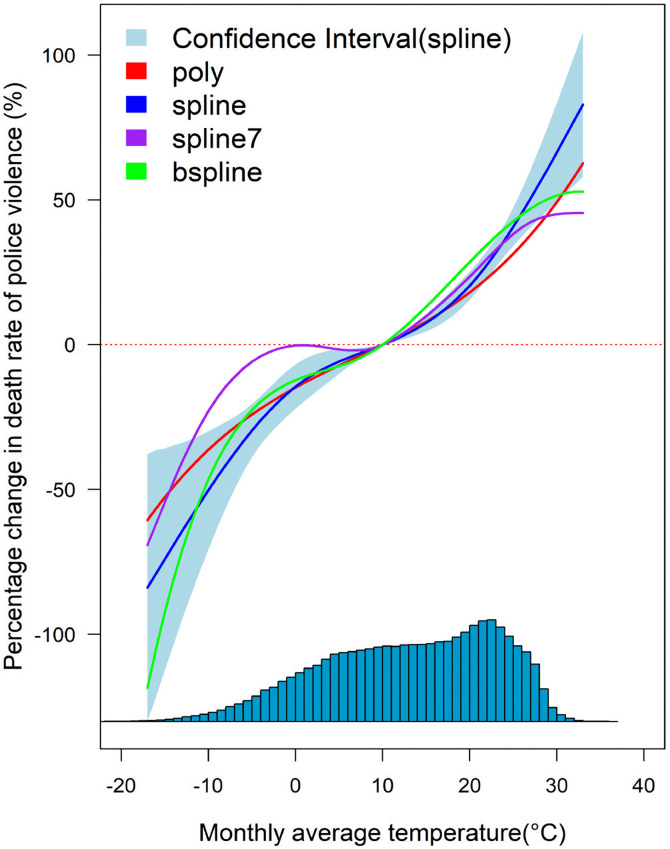 Figure 25
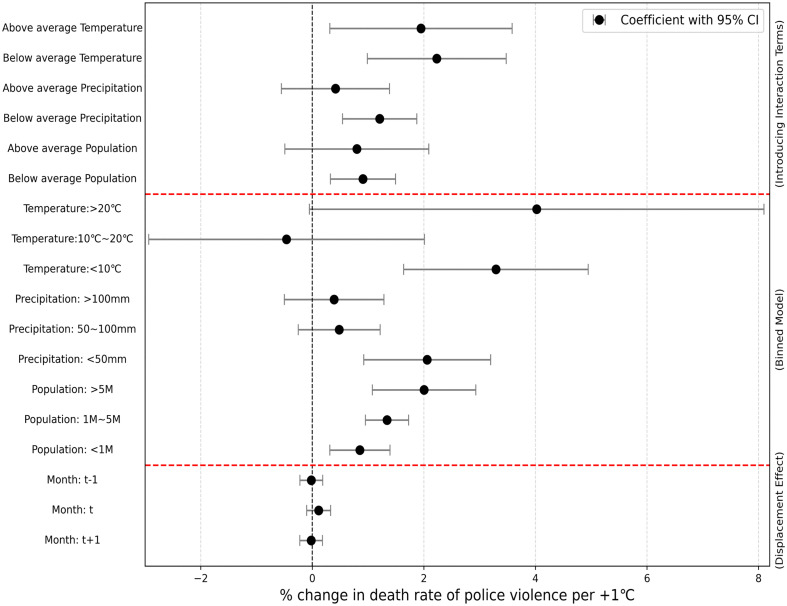 Figure 26
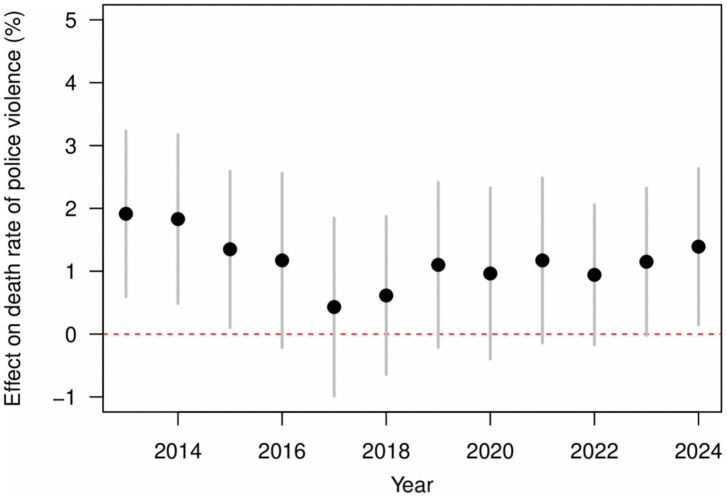 Figure 27
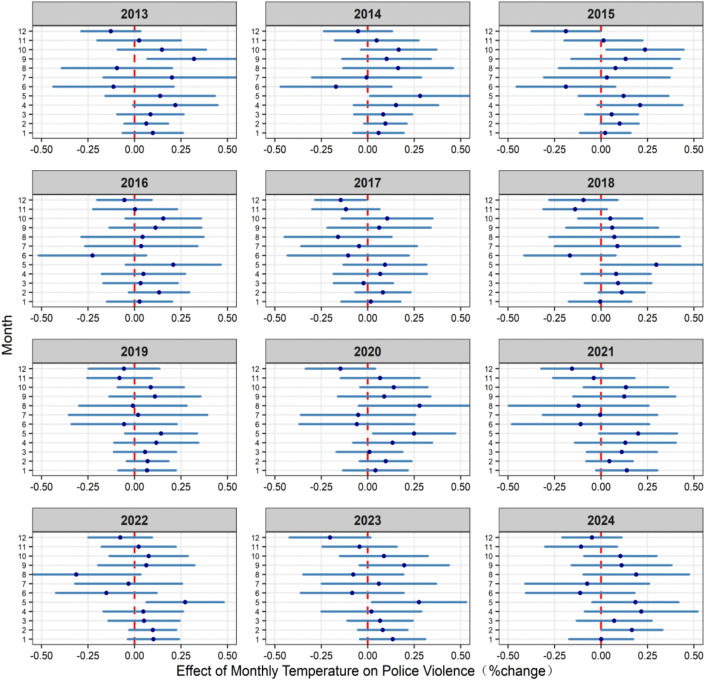 Figure 28
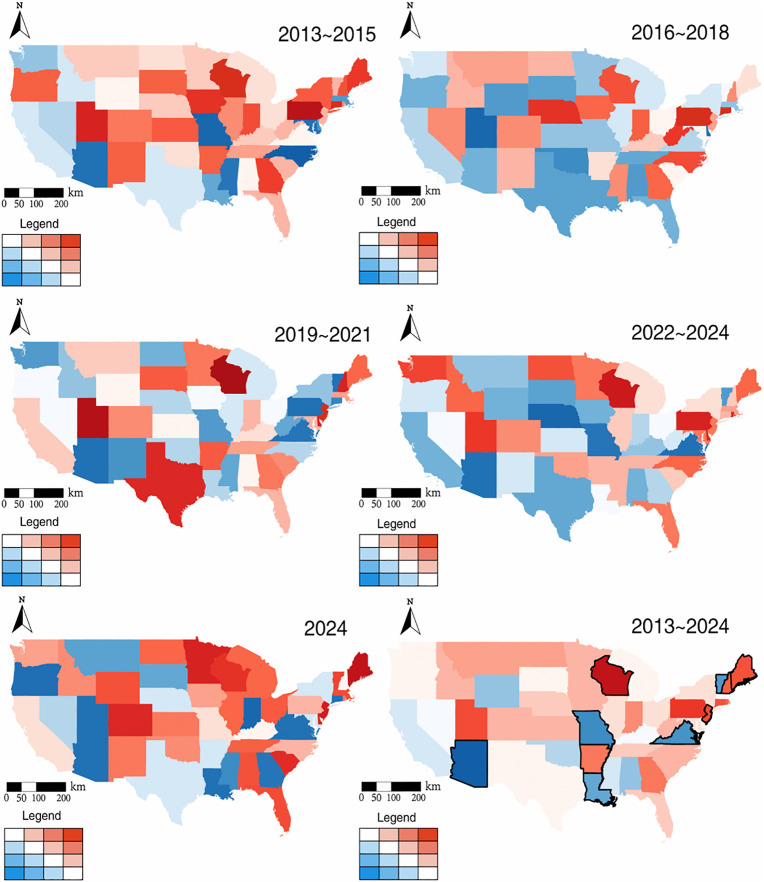 Figure 29
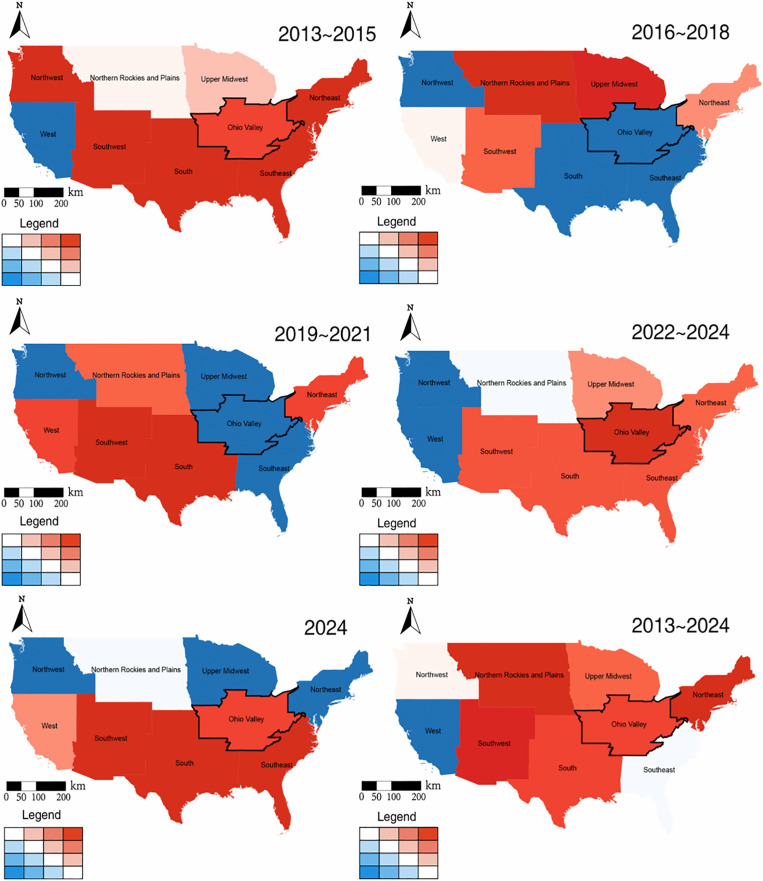 Figure 30
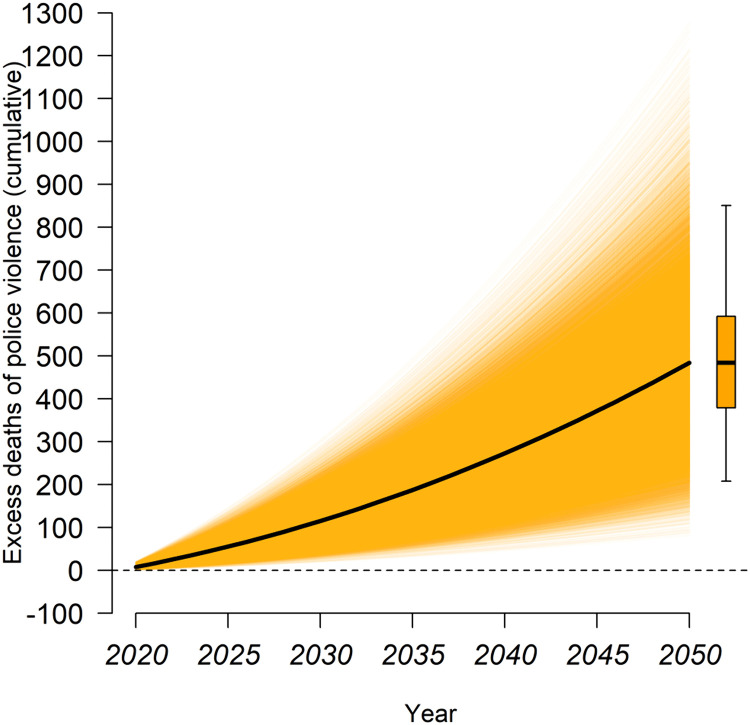 Figure 31
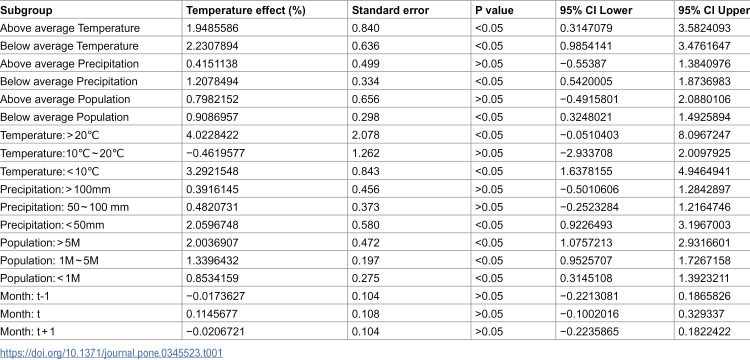 Figure 32
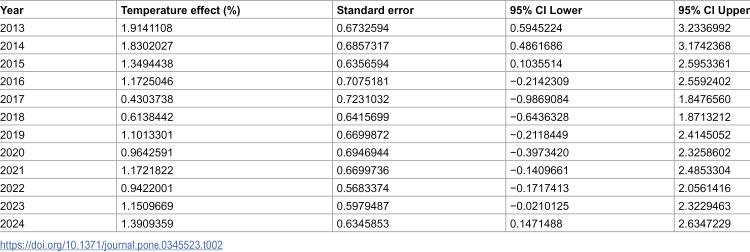 Figure 33
Peer Reviews
No public reviews on file for this paper yet. If you reviewed it on a platform where reviews are public (OpenReview, ICLR, NeurIPS, ICML), you can paste yours below so the community can read it here.
Videos
No videos yet. Explain this paper in a talk, walkthrough, or lecture? Add one.
Taxonomy
TopicsClimate Change and Health Impacts · Transboundary Water Resource Management · Wildlife Conservation and Criminology Analyses