Differentiated impact of social and non-social content in Alexithymia: A facial thermal infrared imaging study
Lucas De Zorzi, Eduardo S. Martínez-Velázquez, Jacques Honoré, Henrique Sequeira

TL;DR
This study uses thermal imaging and heart rate data to show how people with cognitive and affective alexithymia react differently to social and non-social emotional stimuli.
Contribution
The study demonstrates distinct autonomic responses in cognitive and affective alexithymia using facial thermal imaging and heart rate variability.
Findings
Cognitive alexithymia (CA) showed higher social phobia and depression scores compared to affective alexithymia (AA).
Non-alexithymic (NA) individuals exhibited HRV modulation to social stimuli, while CA and AA did not.
Thermal responses differed between CA and AA for non-social stimuli, with CA showing decreased nose temperature.
Abstract
Alexithymia, a difficulty in processing and expressing emotions, is associated with socio-emotional challenges and altered autonomic responses. This raises the question of whether cognitive (CA) and affective (AA) alexithymia can be differentiated based on parasympathetic and sympathetic indices. This study explores the reactivity of CA and AA individuals to social and non-social emotional stimuli. Participants, categorized as non-alexithymic (NA), CA, or AA based on the Toronto Alexithymia Scale and Bermond-Vorst Alexithymia Questionnaire, completed assessments on empathy, social phobia, depression, and anxiety. They viewed images from the International Affective Picture System (IAPS), varying in emotional (unpleasant, neutral, and pleasant) and social (with humans, without humans) content, and evaluated them at the end of the experiment. Heart rate variability (HRV) and facial…
Genes, proteins, chemicals, diseases, species, mutations and cell lines named across the full text — each resolved to its canonical identifier and authoritative record.
Click any figure to enlarge with its caption.
 Figure 1
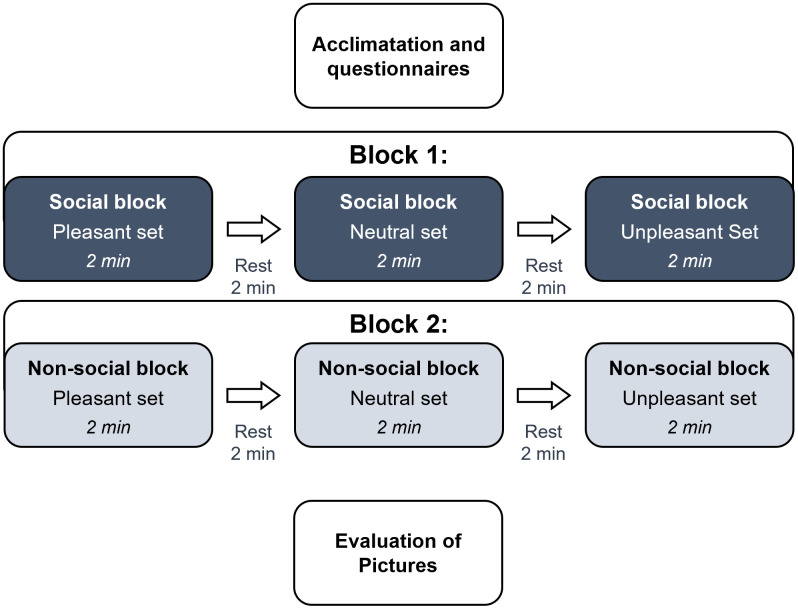 Figure 2
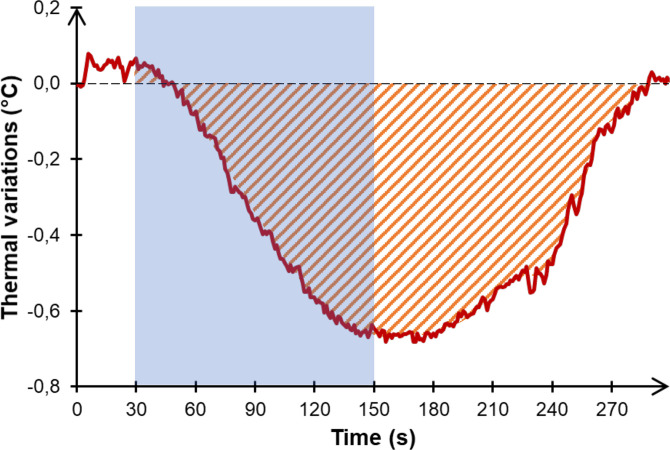 Figure 3
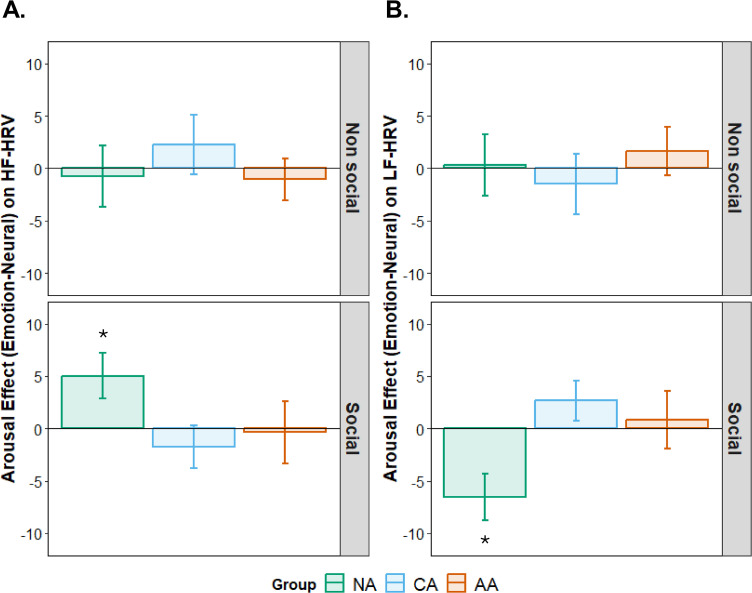 Figure 4
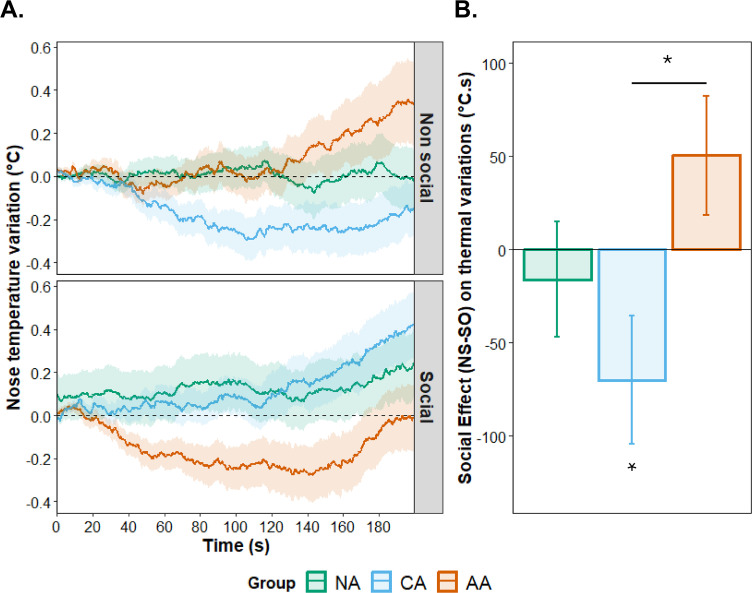 Figure 5
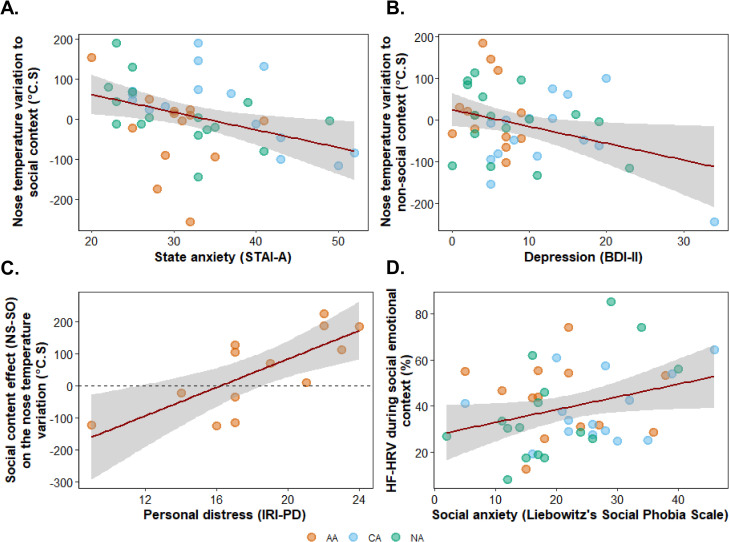 Figure 6
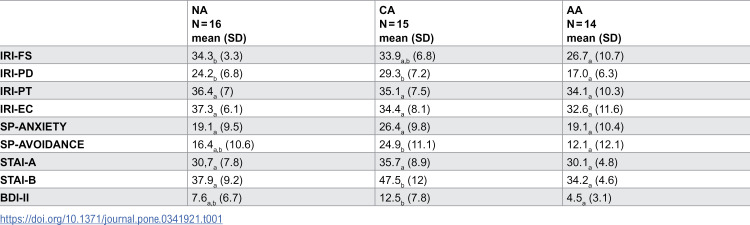 Figure 7
Peer Reviews
No public reviews on file for this paper yet. If you reviewed it on a platform where reviews are public (OpenReview, ICLR, NeurIPS, ICML), you can paste yours below so the community can read it here.
Videos
No videos yet. Explain this paper in a talk, walkthrough, or lecture? Add one.
Taxonomy
TopicsPsychosomatic Disorders and Their Treatments · Infrared Thermography in Medicine · Emotion and Mood Recognition