Effects of attachment designs on clear aligner tooth movement: A finite element analysis
Khaled Alsharif, Peter Ngan, Guoqiang Guan, Egon Mamboleo, Abdelhak Ouldyerou, Ali Merdji, Osama M. Mukdadi, Mohmed Isaqali Karobari, James Cray, James Cray

TL;DR
This study uses computer modeling to show how different attachment shapes in clear aligners affect tooth movement and stress in the mouth.
Contribution
The study introduces a finite element analysis comparing various attachment shapes and configurations to optimize clear aligner treatment outcomes.
Findings
Flat-shaped attachments (rectangular and trapezoidal) caused greater tooth movement but increased stress in the periodontal ligament and bone.
Dual attachments improved root movement and symmetry but increased strain.
Curved attachments spread forces more evenly but reduced movement efficiency.
Abstract
This study investigates the impact of different attachment shapes and configurations on the displacement, stress, and strain profiles of maxillary first molar during clear aligner-based orthodontic treatment. A subject-specific 3D maxillary model was developed from CBCT imaging, incorporating cortical and trabecular bone, periodontal ligament (PDL), teeth, attachments, and aligner geometry. Five attachment shapes square, rectangle, trapezoid, ellipse, and semicircle were analyzed in single and dual (buccal-lingual) configurations across four clinically relevant movements: mesialization, intrusion, extrusion, and rotation. Finite-element simulation results indicated that flat-shaped attachments (rectangular and trapezoidal) generated the greatest crown displacement but induced higher PDL strain (up to 0.390 mm/mm) and localized bone stress (7.11 MPa), particularly at the root apex and…
Genes, proteins, chemicals, diseases, species, mutations and cell lines named across the full text — each resolved to its canonical identifier and authoritative record.
Click any figure to enlarge with its caption.
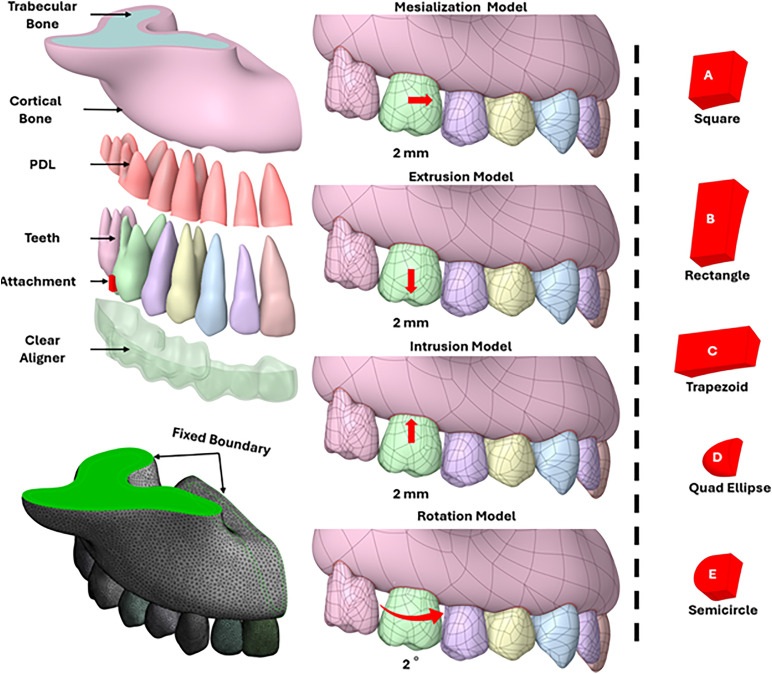 Figure 1
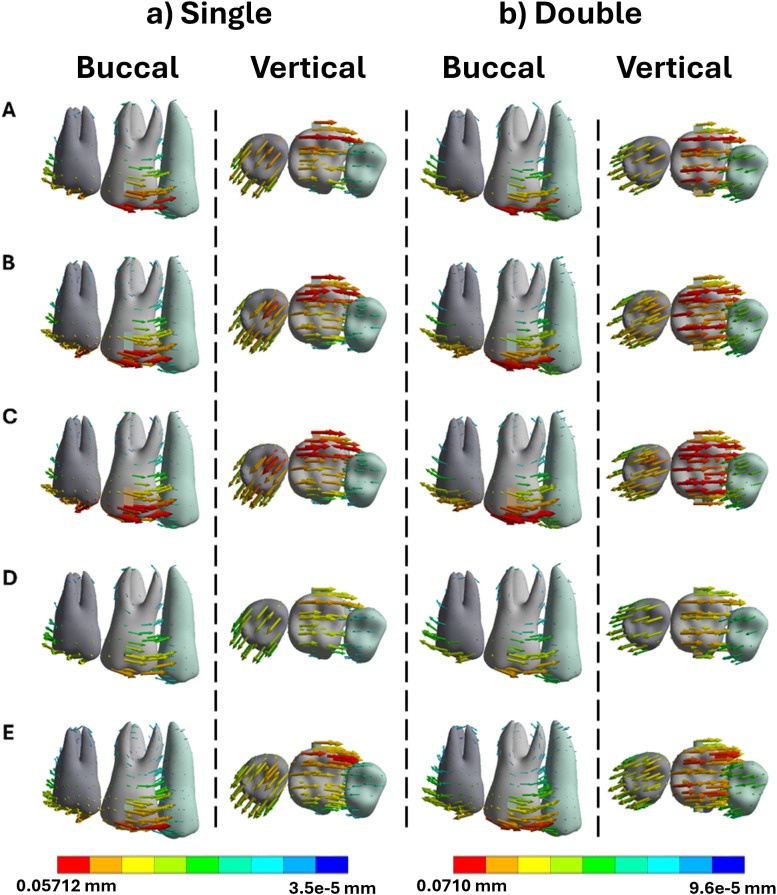 Figure 2
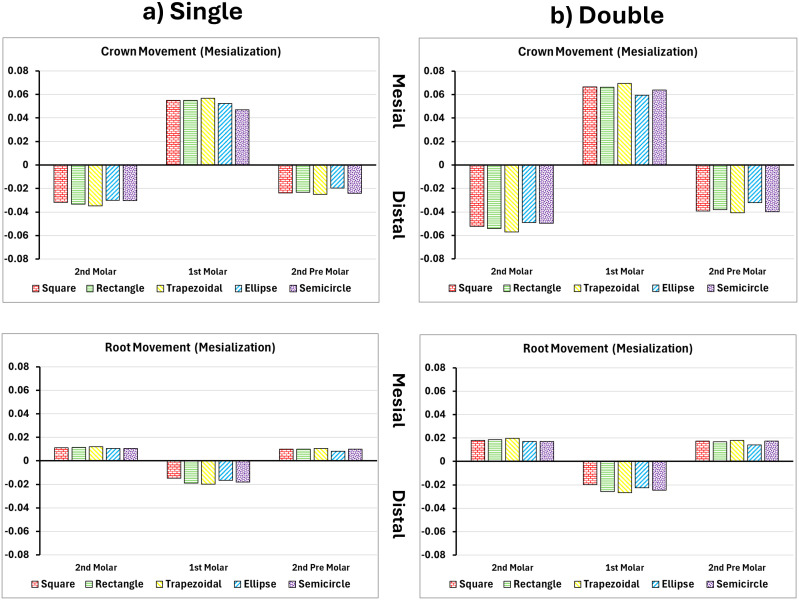 Figure 3
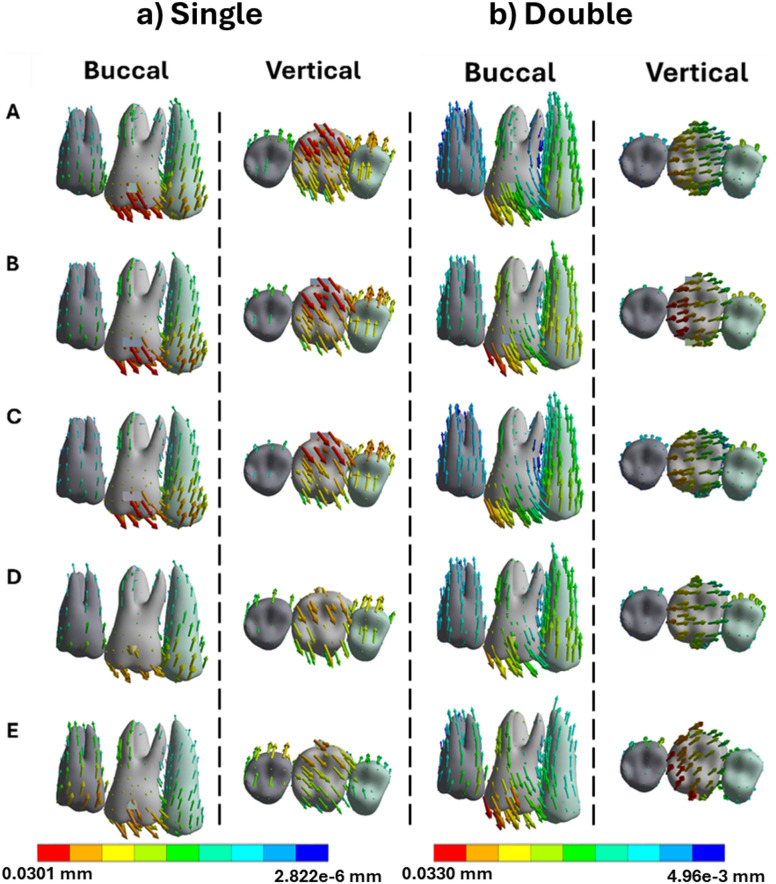 Figure 4
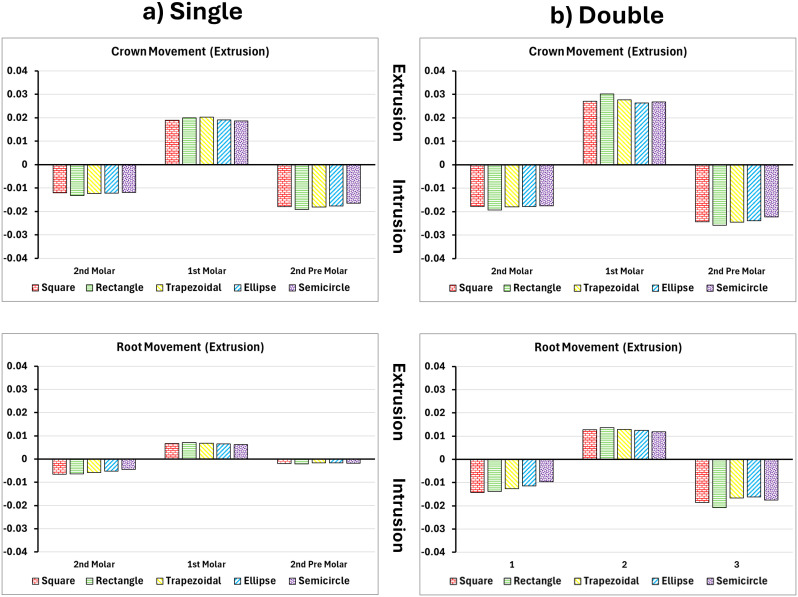 Figure 5
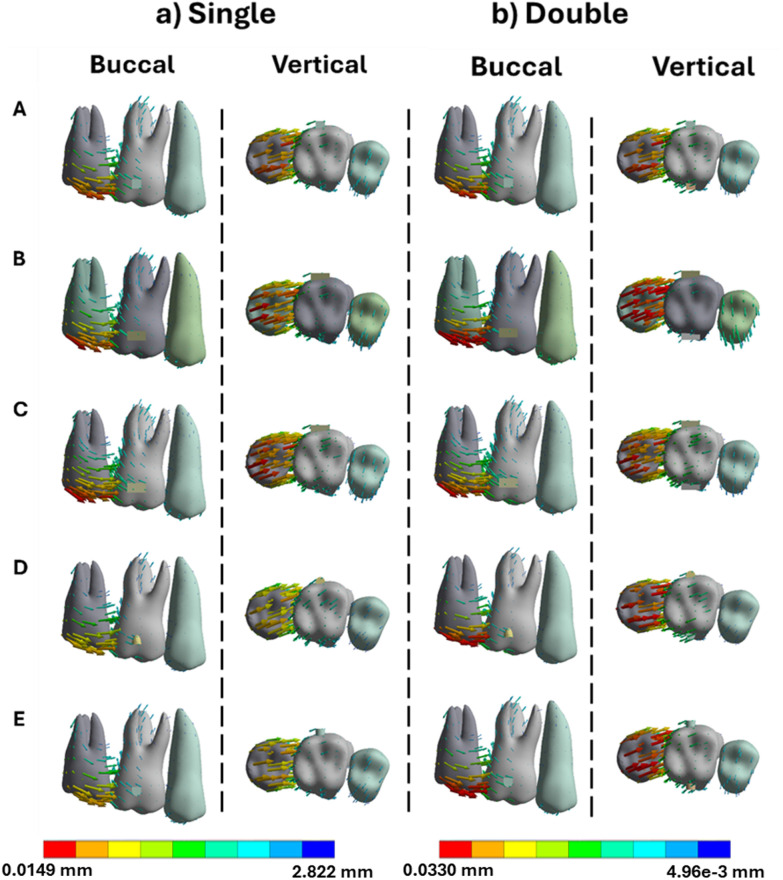 Figure 6
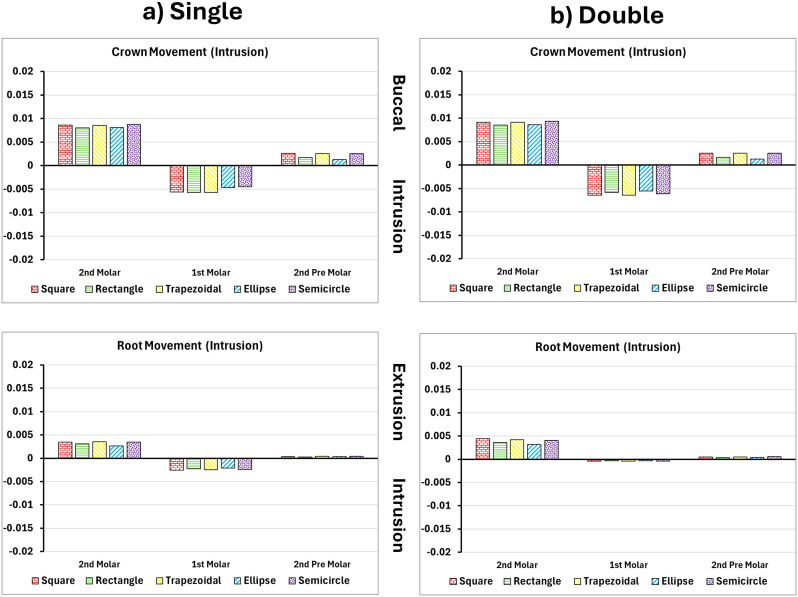 Figure 7
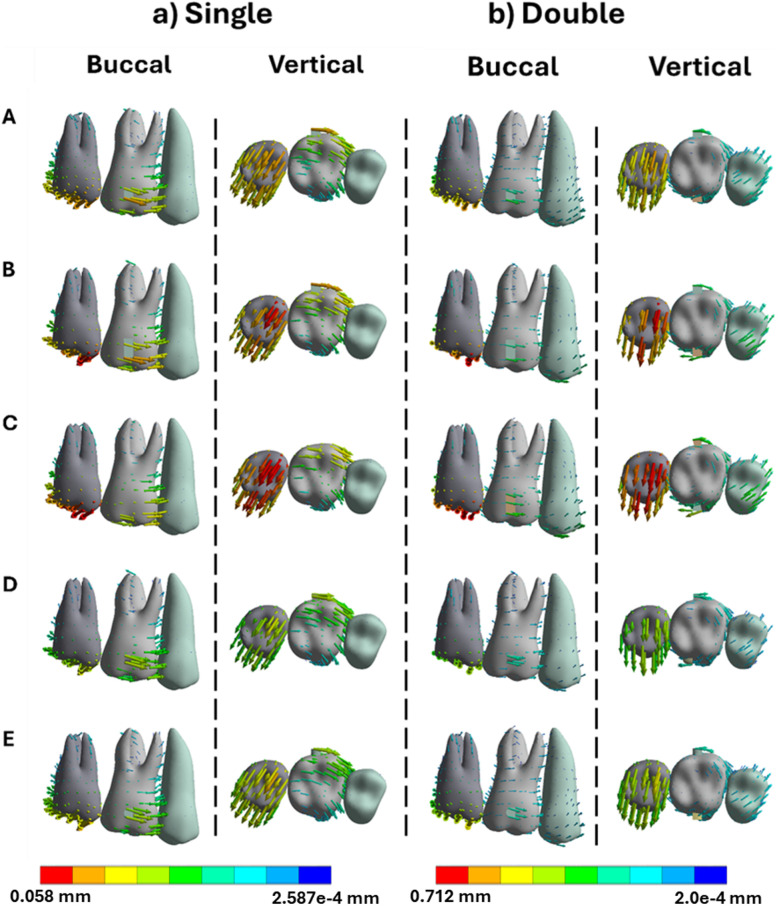 Figure 8
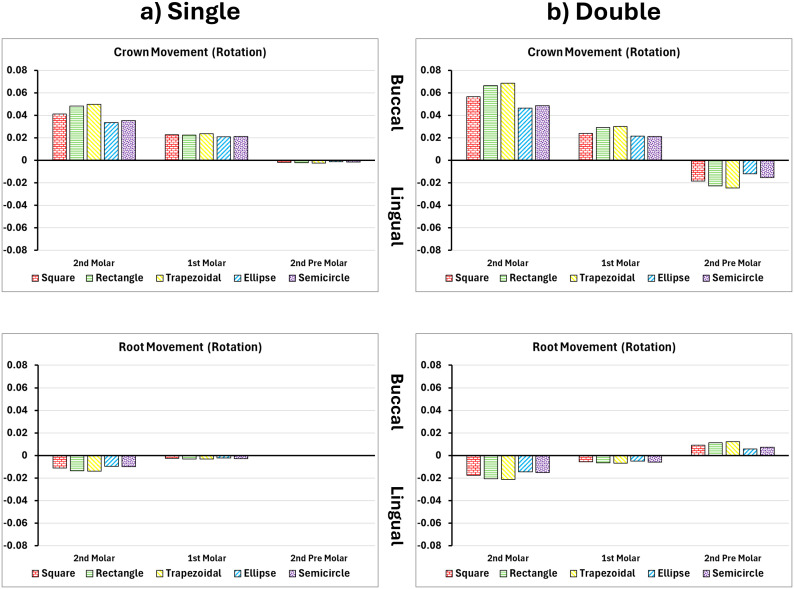 Figure 9
 Figure 10
 Figure 11
 Figure 12
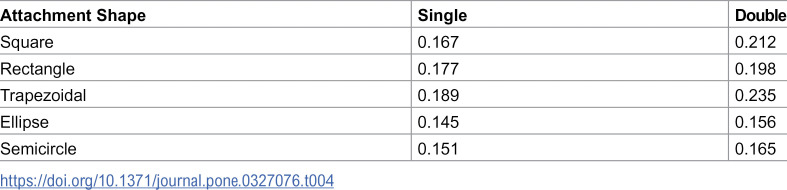 Figure 13
Peer Reviews
No public reviews on file for this paper yet. If you reviewed it on a platform where reviews are public (OpenReview, ICLR, NeurIPS, ICML), you can paste yours below so the community can read it here.
Videos
No videos yet. Explain this paper in a talk, walkthrough, or lecture? Add one.
Taxonomy
TopicsOrthodontics and Dentofacial Orthopedics · Temporomandibular Joint Disorders · dental development and anomalies