Quantitative profiling of lifespan-dependent cell-cell communication potential reveals dynamic ligand-receptor network shifts across mouse tissues
Boyong Wei, Evan P. Troendle, David A. Simpson, Alan W. Stitt

TL;DR
This study uses single-cell RNA sequencing to track how cell communication changes in mouse organs across different life stages, revealing dynamic shifts in ligand-receptor interactions.
Contribution
The study introduces a new framework and SE score to quantify dynamic ligand-receptor communication changes across lifespan and tissues.
Findings
Dynamic, organ-specific ligand-receptor interaction patterns were observed across development, adulthood, and ageing.
CD44 and ITGB1 showed highly dynamic changes across timepoints and organs, suggesting key roles in age-dependent communication.
A curated dataset of ligand-receptor pairs and their predicted changes was generated for multiple organs and life stages.
Abstract
Cell-to-cell communication (CCC) is a tightly regulated process essential for tissue development and homeostasis, but can become dysregulated during ageing. While CCC is inherently complex and remains incompletely characterised, advances in single-cell RNA sequencing (scRNA-seq) have enabled large-scale, unbiased inference of intercellular interactions which offers broad-spectrum information that complements traditional protein-based assays. Unlike these targeted assays, transcriptomic approaches enable systematic inference and exploration of both known and potentially novel ligand-receptor (LR) interactions. In this study, we applied LIgand-receptor ANalysis frAmework (LIANA), which integrates multiple inference methods to derive consensus CCC predictions, to scRNA-seq data for four mouse organs (liver, lung, heart, and kidney), spanning key life stages: post-natal development,…
Genes, proteins, chemicals, diseases, species, mutations and cell lines named across the full text — each resolved to its canonical identifier and authoritative record.
Click any figure to enlarge with its caption.
 Figure 1
 Figure 2
 Figure 3
 Figure 4
 Figure 5
 Figure 6
 Figure 7
 Figure 8
 Figure 9
 Figure 10
 Figure 11
 Figure 12
 Figure 13
 Figure 14
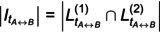 Figure 15
 Figure 16
 Figure 17
 Figure 18
 Figure 19
 Figure 20
 Figure 21
 Figure 22
 Figure 23
 Figure 24
 Figure 25
 Figure 26
 Figure 27
 Figure 28
 Figure 29
 Figure 30
 Figure 31
 Figure 32
 Figure 33
 Figure 34
 Figure 35
 Figure 36
 Figure 37
 Figure 38
 Figure 39
 Figure 40
 Figure 41
 Figure 42
 Figure 43
 Figure 44
 Figure 45
 Figure 46
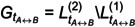 Figure 47
 Figure 48
 Figure 49
 Figure 50
Peer Reviews
No public reviews on file for this paper yet. If you reviewed it on a platform where reviews are public (OpenReview, ICLR, NeurIPS, ICML), you can paste yours below so the community can read it here.
Videos
No videos yet. Explain this paper in a talk, walkthrough, or lecture? Add one.
Taxonomy
TopicsSingle-cell and spatial transcriptomics · Gene Regulatory Network Analysis · Pluripotent Stem Cells Research