Prevalence and characteristics of scoliosis among ethiopian schoolchildren aged 6–15 Years: A school-based cross-sectional study
Reta Wakoya, Mekbeb Afework, Alemayehu Worku, Firaol Dandena, Stefano Bolongaro, Timothy Nunn

TL;DR
This study finds a low scoliosis prevalence in Ethiopian schoolchildren, suggesting that nationwide screening may not be needed.
Contribution
The study provides the first population-level data on scoliosis in Ethiopian schoolchildren using radiographic confirmation.
Findings
Scoliosis prevalence was 0.066% after radiographic confirmation, much lower than typical school-based screening estimates.
Congenital scoliosis was the most common type, with male predominance in mild and very severe cases.
Nationwide school screening is not recommended; instead, focus should be on improving diagnostic and referral systems.
Abstract
Scoliosis is a progressive spinal deformity that often develops during childhood and adolescence. In Ethiopia, population-level prevalence data are scarce, and school-based screening, though practical, may overestimate cases without radiographic confirmation. Understanding its distribution and severity is critical for guiding clinical and public health strategies. To estimate the prevalence of scoliosis among Ethiopian schoolchildren, characterize its types and severity, and examine associations with clinical and anthropometric variables. A cross-sectional school-based screening was conducted from March 2024 to June 2025 across 42 public primary schools in six regions. Children aged 6–15 years were screened using the Adam’s Forward Bend Test and scoliometer; suspected cases (ATR ≥ 7°) were referred for radiographic confirmation. Prevalence estimates and associations were analyzed…
Genes, proteins, chemicals, diseases, species, mutations and cell lines named across the full text — each resolved to its canonical identifier and authoritative record.
Click any figure to enlarge with its caption.
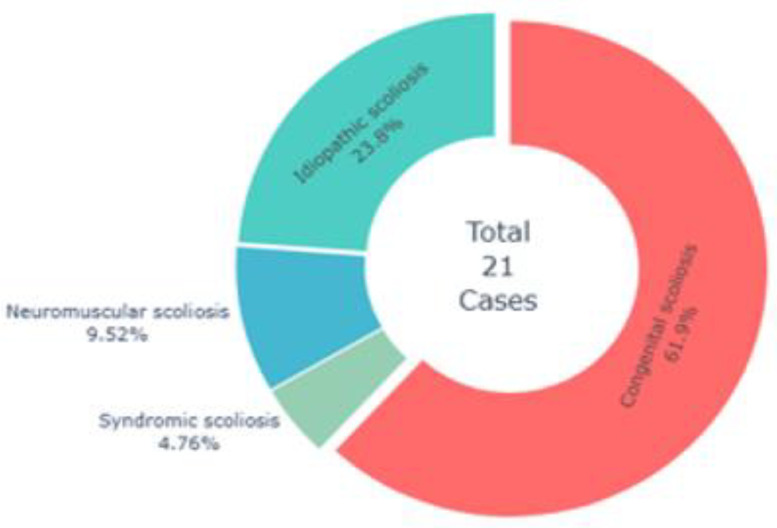 Figure 1
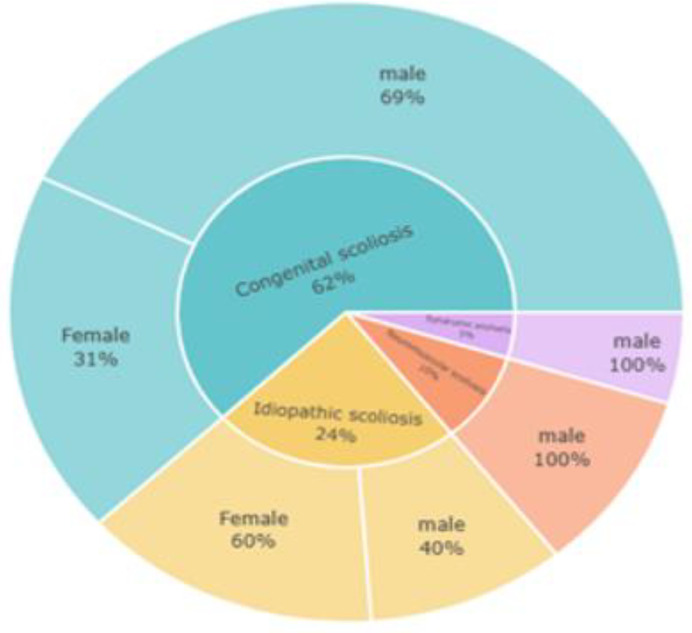 Figure 2
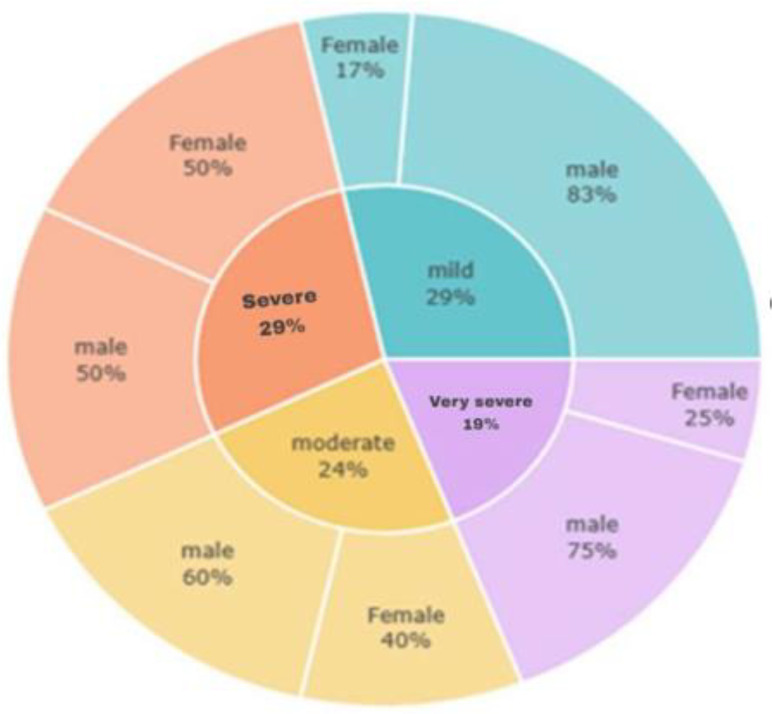 Figure 3
 Figure 4
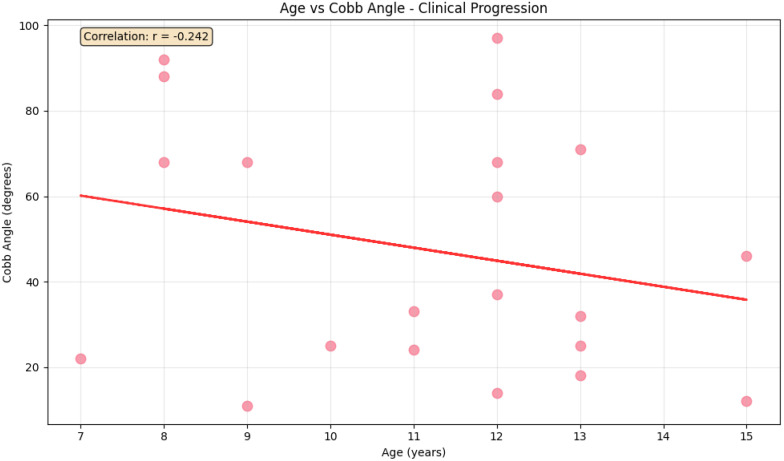 Figure 5
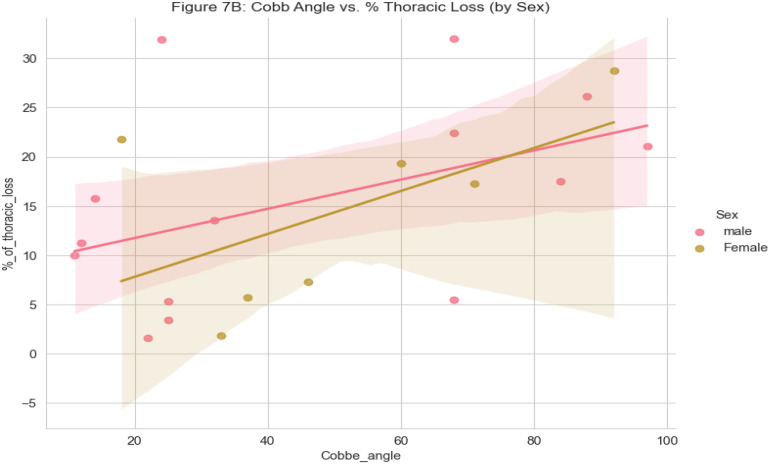 Figure 6
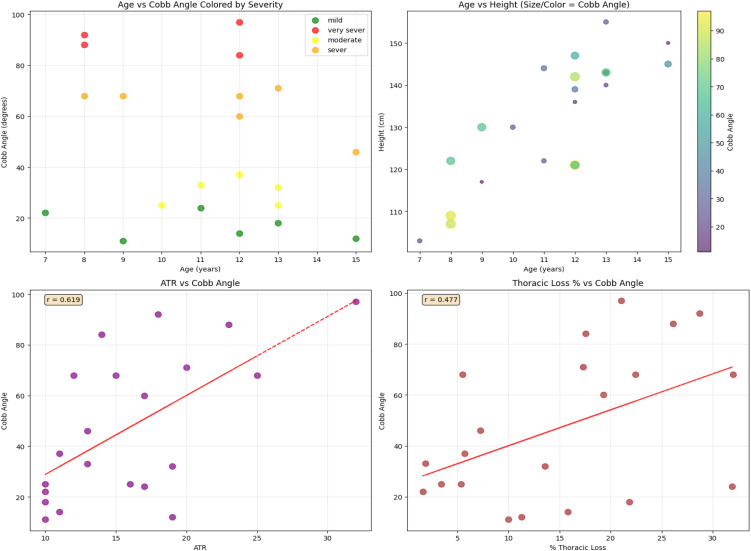 Figure 7
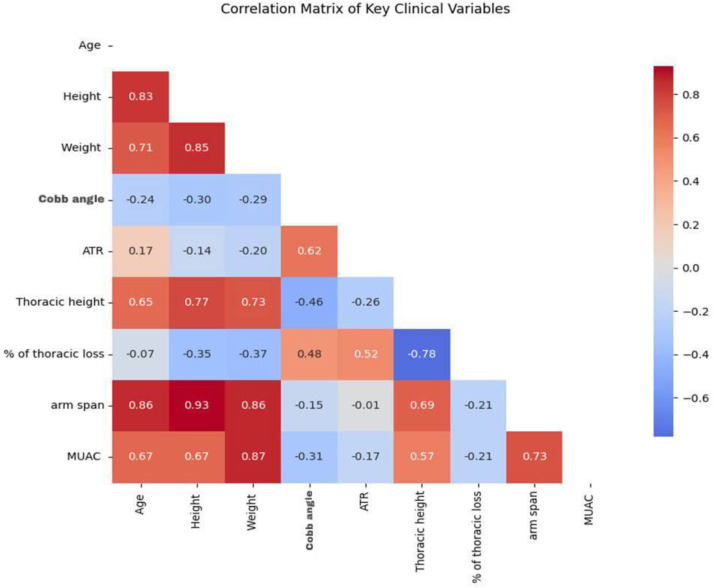 Figure 8
 Figure 9
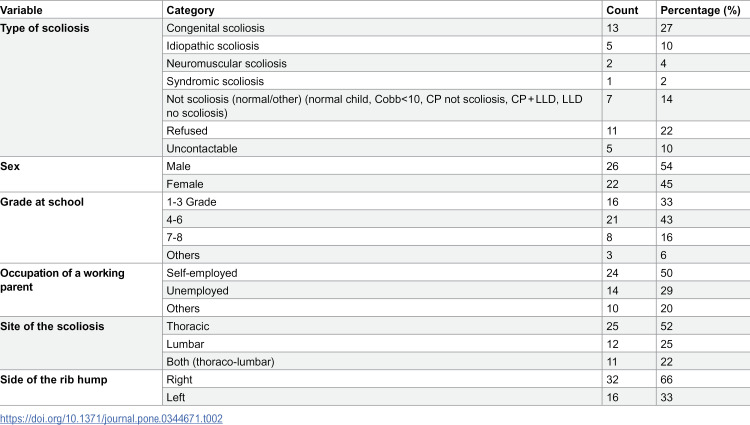 Figure 10
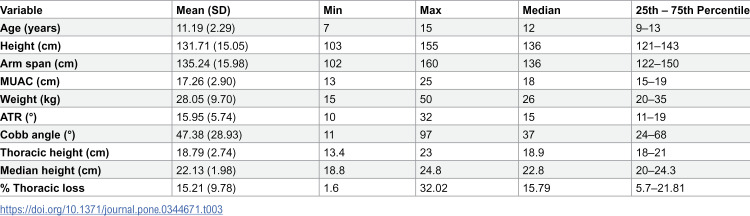 Figure 11
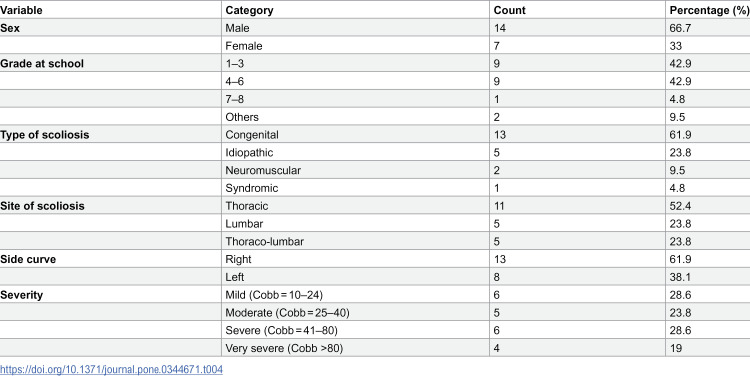 Figure 12
Peer Reviews
No public reviews on file for this paper yet. If you reviewed it on a platform where reviews are public (OpenReview, ICLR, NeurIPS, ICML), you can paste yours below so the community can read it here.
Videos
No videos yet. Explain this paper in a talk, walkthrough, or lecture? Add one.
Taxonomy
TopicsScoliosis diagnosis and treatment · Hip disorders and treatments · Spinal Fractures and Fixation Techniques