The lived experience of adolescents with X-linked hypophosphataemia treated with burosumab at end of skeletal growth: a mixed-methods analysis
Vrinda Saraff, Pedro Arango Sancho, Justine Bacchetta, Annemieke M. Boot, Christine Burren, Amish Chinoy, Poonam Dharmaraj, Maria Amelia Gómez Llorente, Juan David González Rodríguez, Iva Gueorguieva, Elin Haf Davies, Wesley Hayes, Sandra Komarzynski, Héctor Ríos Duro

TL;DR
This study explores how adolescents with a rare genetic disorder feel and function while on a specific treatment before their bones stop growing.
Contribution
The study provides new insights into adolescents' lived experiences with XLH and burosumab treatment at the end of skeletal growth.
Findings
Low median symptom severity scores for pain, stiffness, and fatigue were reported.
Symptoms were often triggered by physical activity but rarely disrupted daily life.
Some adolescents experienced emotional concerns related to treatment transition.
Abstract
X-linked hypophosphataemia is a rare, genetic, lifelong disorder caused by phosphate-regulating endopeptidase homologue X-linked pathogenic variants and, if left untreated, is associated with a progressive accumulation of musculoskeletal manifestations. Burosumab is a fully human monoclonal antibody that targets circulating fibroblast growth factor 23 and directly inhibits its activity, thereby correcting the abnormal phosphate homoeostasis in people with X-linked hypophosphataemia (XLH). The efficacy and safety of burosumab has been demonstrated in a programme of clinical trials in children and adults. Few data describe the experience of adolescents with XLH receiving burosumab treatment before and after skeletal growth ends. This prospective, multicentre, mixed-methods study described the lived experience of adolescents with XLH treated with burosumab at the end of skeletal growth…
Genes, proteins, chemicals, diseases, species, mutations and cell lines named across the full text — each resolved to its canonical identifier and authoritative record.
Click any figure to enlarge with its caption.
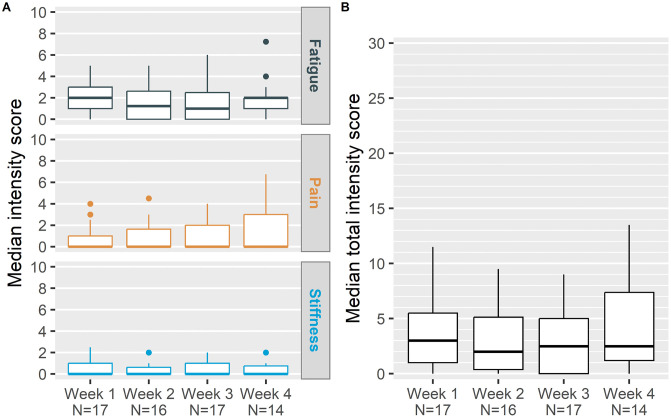 Figure 1
 Figure 2
 Figure 3
 Figure 4
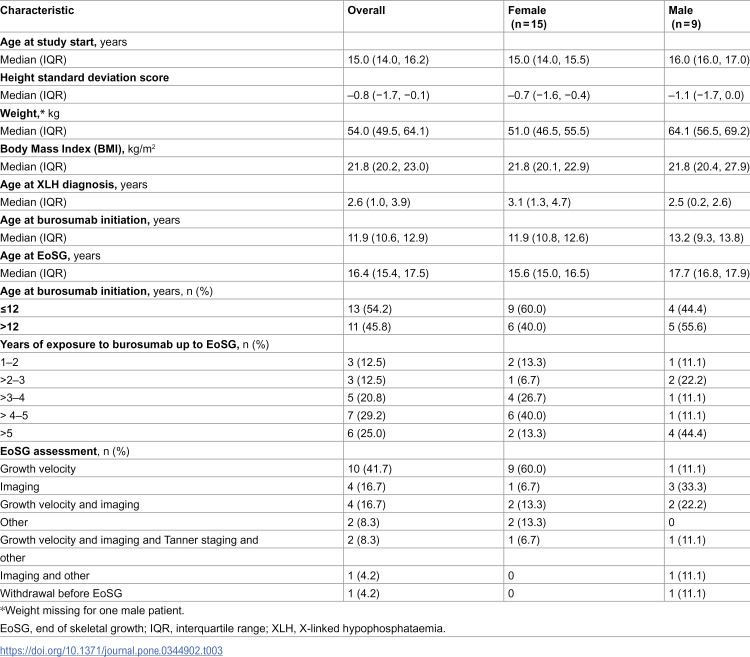 Figure 5
 Figure 6
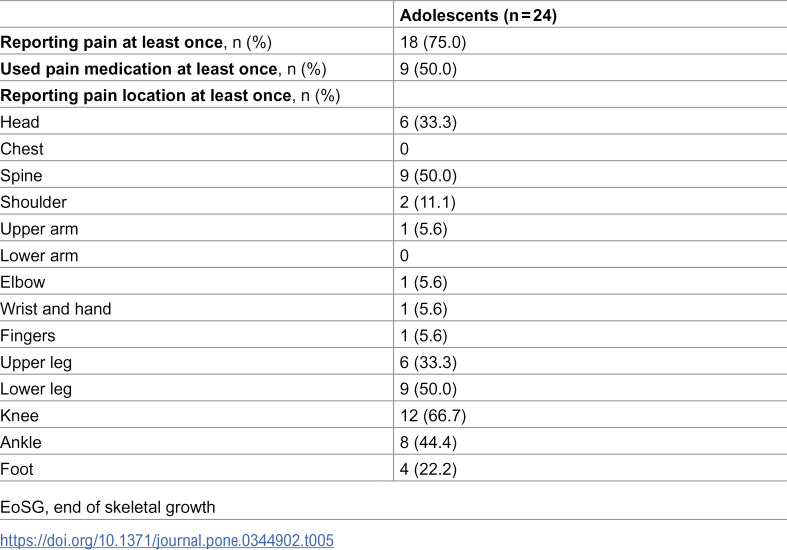 Figure 7
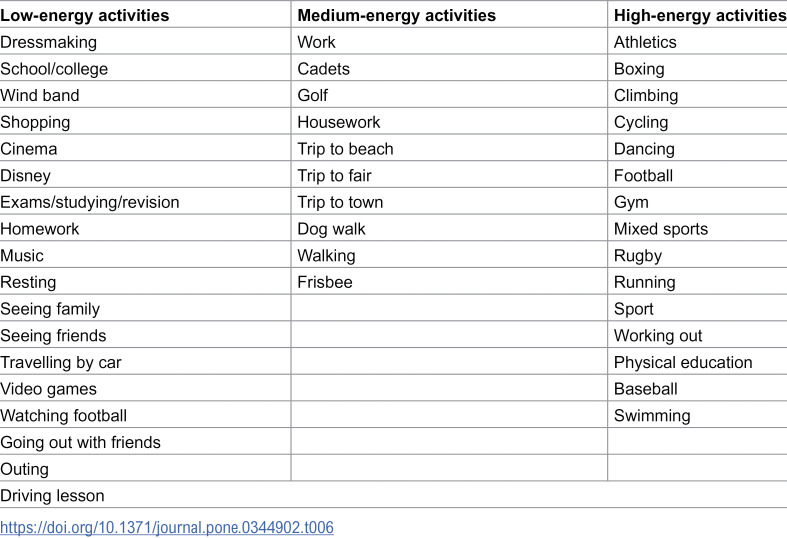 Figure 8
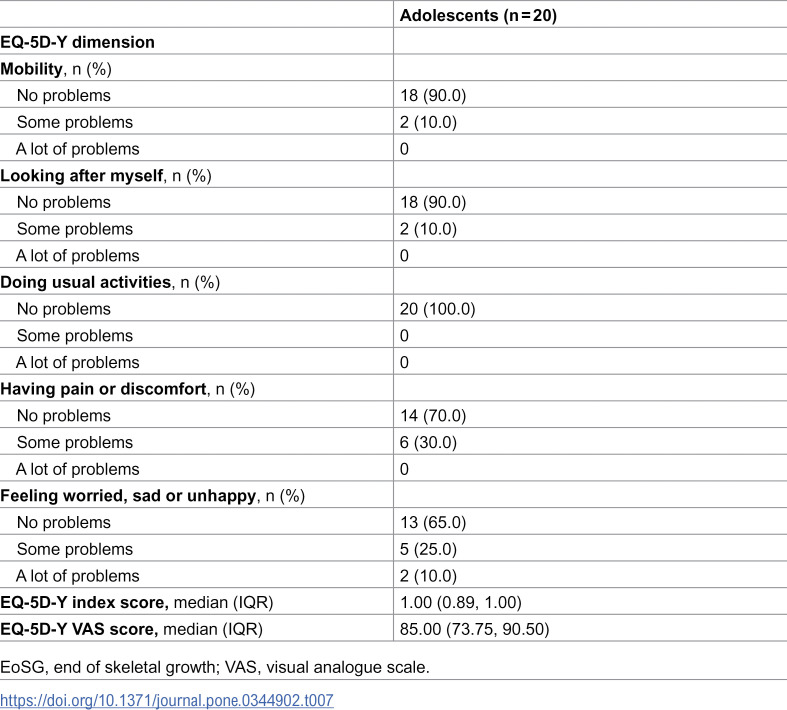 Figure 9
Peer Reviews
No public reviews on file for this paper yet. If you reviewed it on a platform where reviews are public (OpenReview, ICLR, NeurIPS, ICML), you can paste yours below so the community can read it here.
Videos
No videos yet. Explain this paper in a talk, walkthrough, or lecture? Add one.
Taxonomy
TopicsParathyroid Disorders and Treatments · Vitamin K Research Studies · Alkaline Phosphatase Research Studies