The Role of Alexithymia in Social Learning and Feedback-Driven Social Inferences
Mina Hosseinnezhad, Soroosh Golbabaei, Mohammad Reza Bigham, Khatereh Borhani

TL;DR
This study explores how alexithymia affects social learning and decision-making when faced with conflicting emotional cues.
Contribution
The paper introduces computational models to quantify how alexithymia alters social learning and decision-making processes.
Findings
High alexithymia is linked to lower accuracy in learning from social feedback.
Individuals with high alexithymia show a perceptual bias toward visual cues in emotional inference.
Greater evidence accumulation is needed for emotion inference in those with high alexithymia.
Abstract
Dynamic social interactions and feedback are crucial for understanding others’ emotions, particularly when confronted with contradictory emotional cues. Alexithymia, a condition that co-occurs with many psychiatric disorders, is characterized by impairment in emotional processing. However, computational mechanisms by which it alters social inferences based on feedback cues remain unexplored. To examine this, 60 participants with low and high levels of alexithymia completed an emotional learning task involving contradictory social (verbal and visual) cues to infer targets’ emotions. Computational analyses, including bin-based, reinforcement learning, and drift-diffusion modeling, revealed how alexithymia alters latent parameters that govern value updating and choice. Individuals with high alexithymia demonstrated lower accuracy in learning from social feedback, and learning rate for…
Genes, proteins, chemicals, diseases, species, mutations and cell lines named across the full text — each resolved to its canonical identifier and authoritative record.
Click any figure to enlarge with its caption.
 Figure 1
 Figure 2
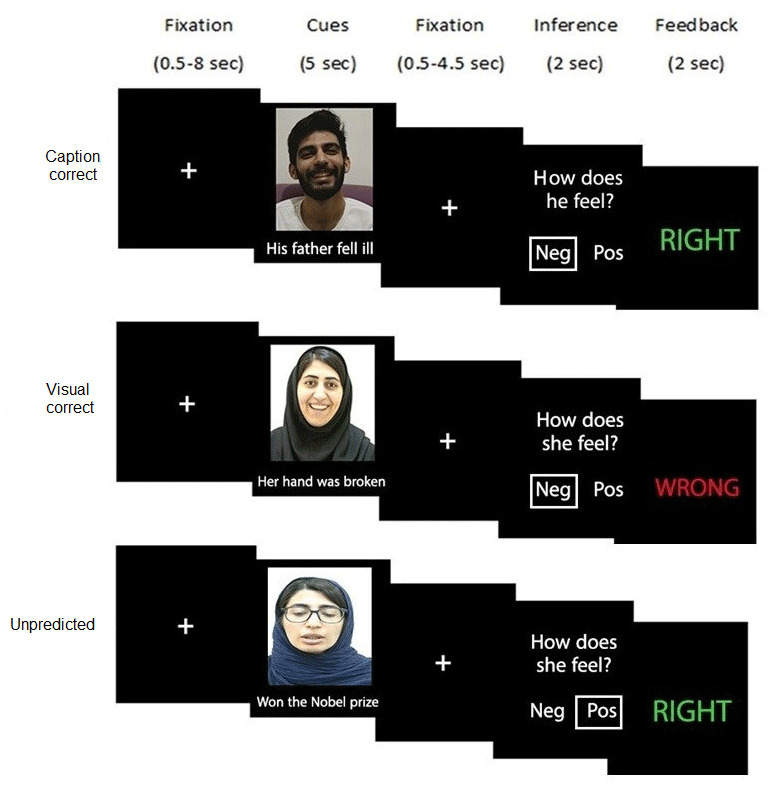 Figure 3
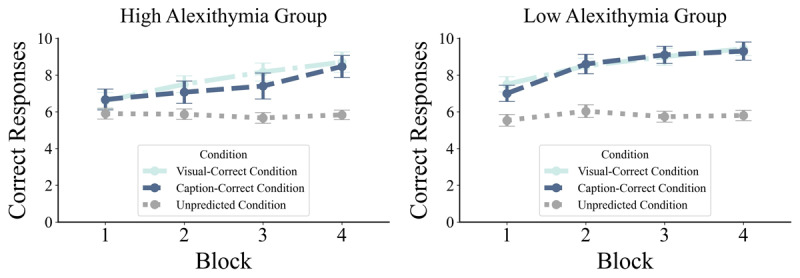 Figure 4
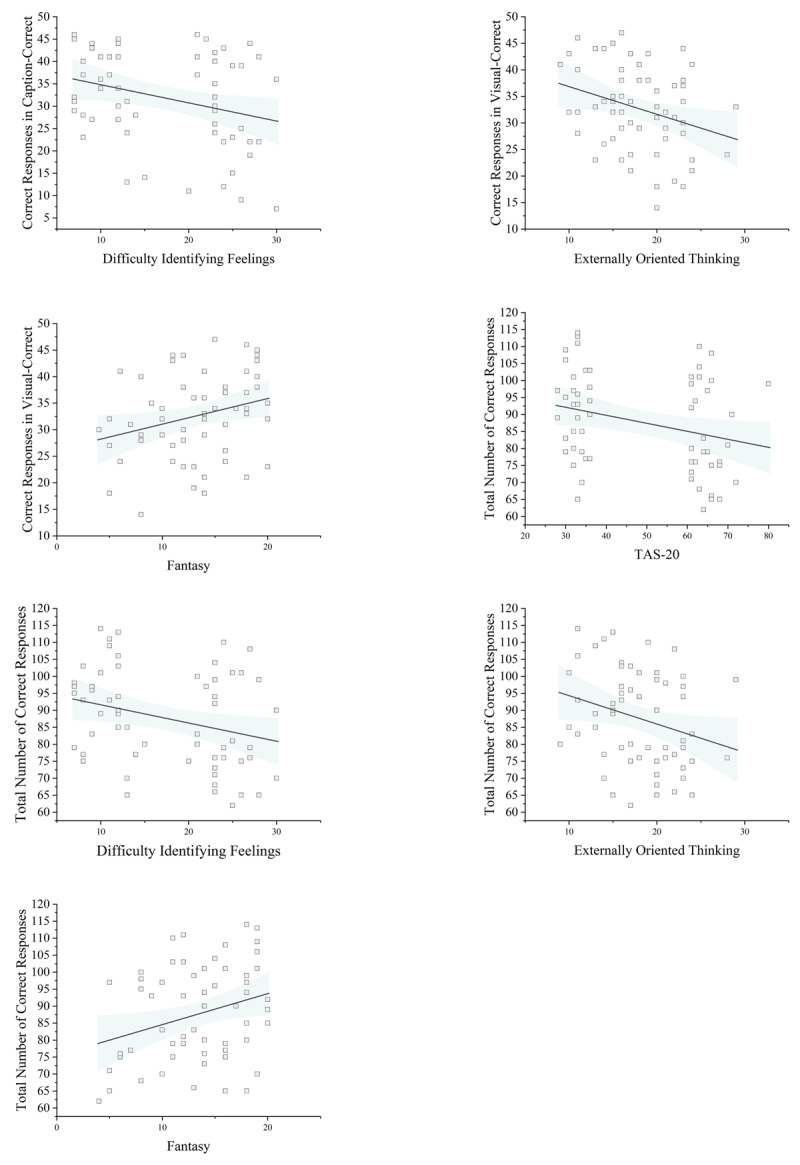 Figure 5
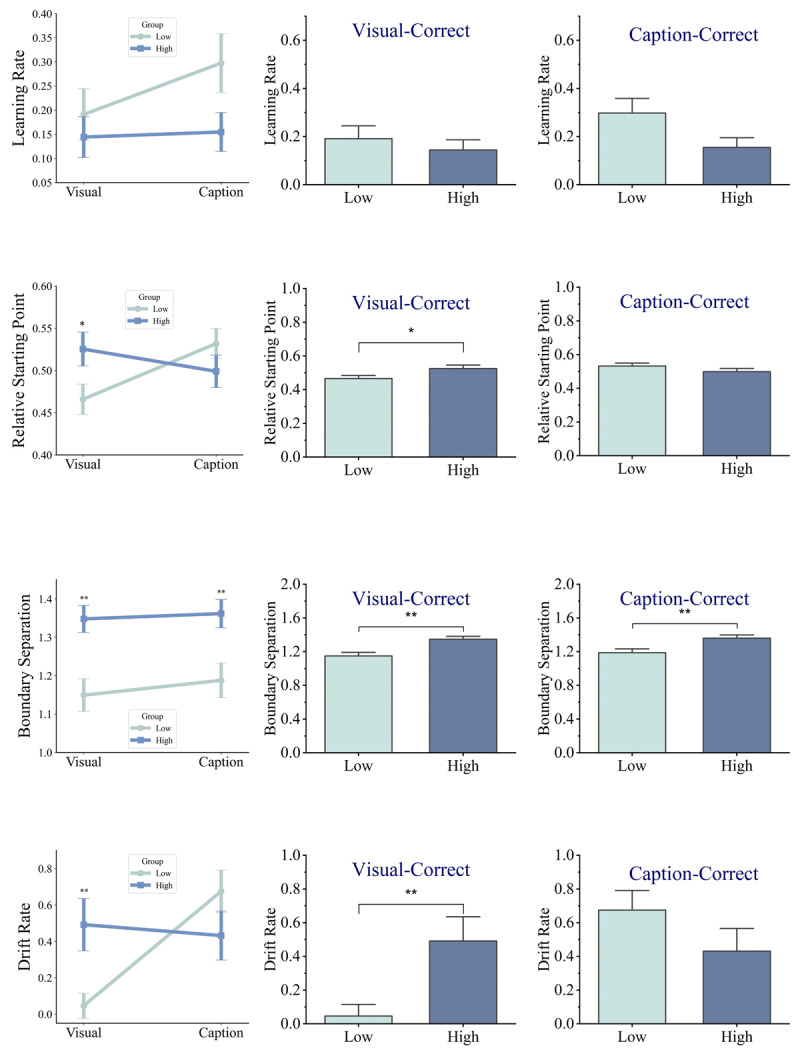 Figure 6
Peer Reviews
No public reviews on file for this paper yet. If you reviewed it on a platform where reviews are public (OpenReview, ICLR, NeurIPS, ICML), you can paste yours below so the community can read it here.
Videos
No videos yet. Explain this paper in a talk, walkthrough, or lecture? Add one.
Taxonomy
TopicsPsychosomatic Disorders and Their Treatments · Action Observation and Synchronization · Face Recognition and Perception