Fine Particulate Matter Exposure and Risk of Major Adverse Cardiac and Cerebrovascular Events (MACCE) in Post-Percutaneous Coronary Intervention (PCI) Patients: A Thai PCI Registry-Based Cohort Study
Chaiyawat Suppasilp, Teeranan Angkananard, Romen Samuel Rodis Wabina, Worawut Roongsangmanoon, Pawin Numthavaj, Phunchai Charatcharoenwitthaya, Atiporn Ingsathit, Kriengsak Vareesangthip, Suphot Srimahachota, Thosapol Limpijankit, Nakarin Sansanayudh, Ammarin Thakkinstian

TL;DR
This study found that higher exposure to fine particulate matter (PM2.5) is linked to increased risk of major cardiac and cerebrovascular events in patients who had heart procedures in Thailand.
Contribution
The study is the first to investigate the association between PM2.5 exposure and MACCE in post-PCI patients in Thailand using a large national registry.
Findings
A 1 µg/m³ increase in PM2.5 exposure was associated with a 45% higher risk of MACCE.
PM2.5 exposure in different seasons showed varying risk levels, with the highest risk in the third quarter.
Over 28% of patients experienced a major adverse cardiac or cerebrovascular event within a year.
Abstract
Major adverse cardiac and cerebrovascular events (MACCE) are critical clinical outcomes in patients undergoing percutaneous coronary intervention (PCI); however, evidence regarding the impact of fine particulate matter (PM2.5) on these outcomes remains limited. This retrospective cohort study included 22,188 Thai adults who underwent PCI to investigate the association between PM2.5 exposure and the incidence of MACCE. Baseline demographic, clinical characteristics, and comorbidities, with angiographic and procedural data, were collected. Cumulative PM2.5 exposure was estimated using satellite-derived data based on patients’ residential locations over a 12-month follow-up period. The primary outcome was a composite MACCE endpoint. A multilevel survival model was employed to assess the association between PM2.5 exposure and MACCE, adjusting for potential confounding variables. During…
Genes, proteins, chemicals, diseases, species, mutations and cell lines named across the full text — each resolved to its canonical identifier and authoritative record.
Click any figure to enlarge with its caption.
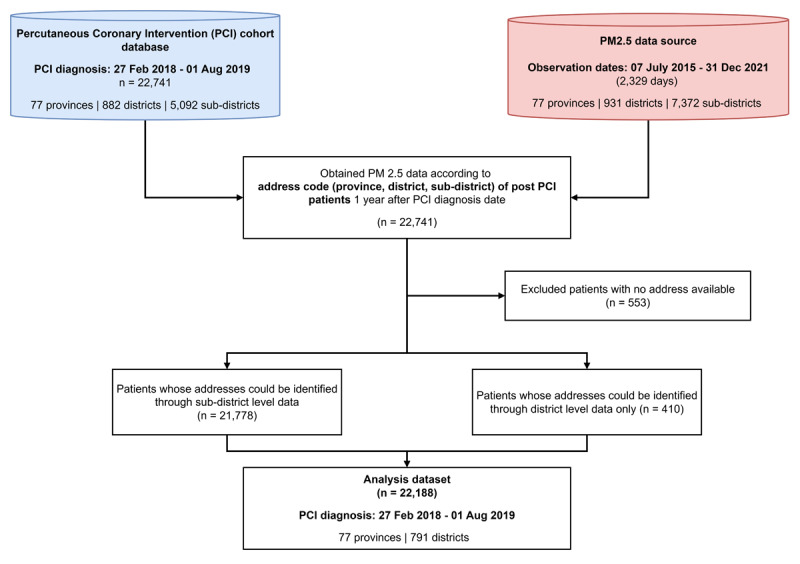 Figure 1
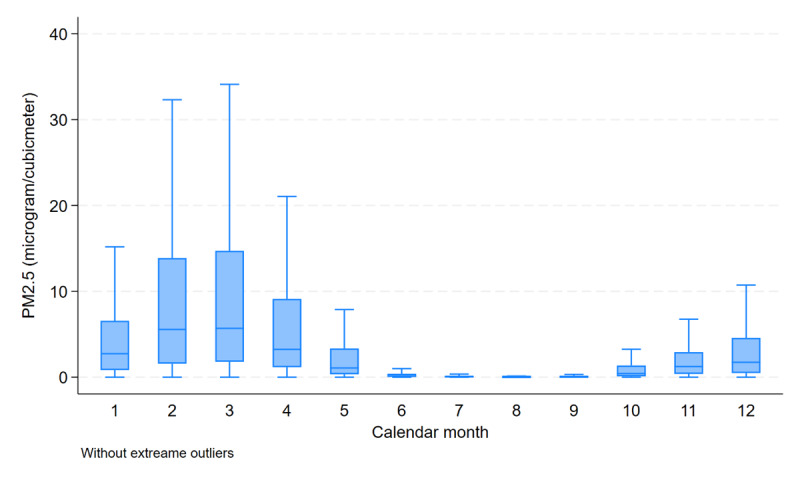 Figure 2
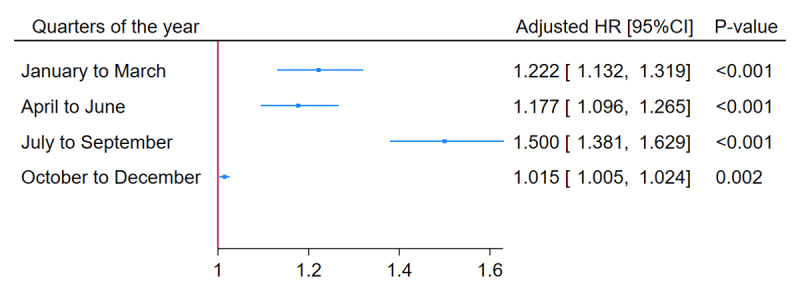 Figure 3
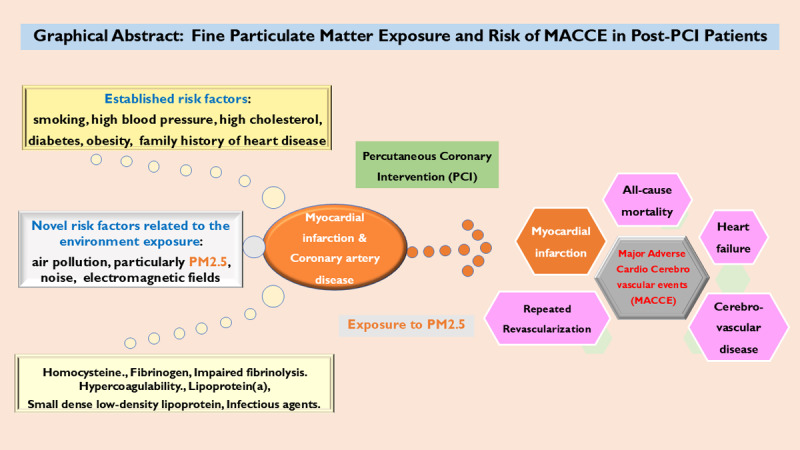 Figure 4
Peer Reviews
No public reviews on file for this paper yet. If you reviewed it on a platform where reviews are public (OpenReview, ICLR, NeurIPS, ICML), you can paste yours below so the community can read it here.
Videos
No videos yet. Explain this paper in a talk, walkthrough, or lecture? Add one.
Taxonomy
TopicsAir Quality and Health Impacts · Climate Change and Health Impacts · COVID-19 and healthcare impacts