Transcriptional readthrough precedes alternative splicing programs triggered in CML cells by imatinib
Paulina Podszywałow-Bartnicka, Morgan Shine, Jing Lin, Karla M. Neugebauer

TL;DR
This study shows that imatinib, a drug used for leukemia, causes early transcriptional readthrough in CML cells, which precedes changes in gene splicing and could lead to drug resistance.
Contribution
The study reveals that transcriptional readthrough occurs before splicing changes in CML cells treated with imatinib, linking it to drug resistance.
Findings
Transcriptional readthrough increases within 1 hour of imatinib treatment in CML cells.
Imatinib induces 'readthrough chimeras' by splicing exons from upstream and downstream genes.
Altered mRNA isoforms and chimeras are observed in both drug-sensitive and drug-resistant CML cells.
Abstract
Cellular stresses regulate transcriptional readthrough, whereby RNA polymerase II elongates past a gene’s polyadenylation cleavage site without RNA cleavage. Readthrough has been reported in several cancer types. Here, we use long-read sequencing of nascent RNA to quantify transcriptional readthrough in chronic myeloid leukemia (CML) cells and characterize early responses to the targeted therapeutic, imatinib. We show that the amount, length, and gene specificity of readthrough increase within 1 hour, before gene expression and alternative splicing alterations emerge. Notably, imatinib-dependent messenger RNA (mRNA) isoform changes involved “readthrough chimeras,” in which exons from an upstream gene are alternatively spliced to exons in a downstream gene. Altered mRNA isoforms and chimera levels were detected in imatinib-resistant K562 cells as well as cells of patients with CML. Thus,…
Genes, proteins, chemicals, diseases, species, mutations and cell lines named across the full text — each resolved to its canonical identifier and authoritative record.
Click any figure to enlarge with its caption.
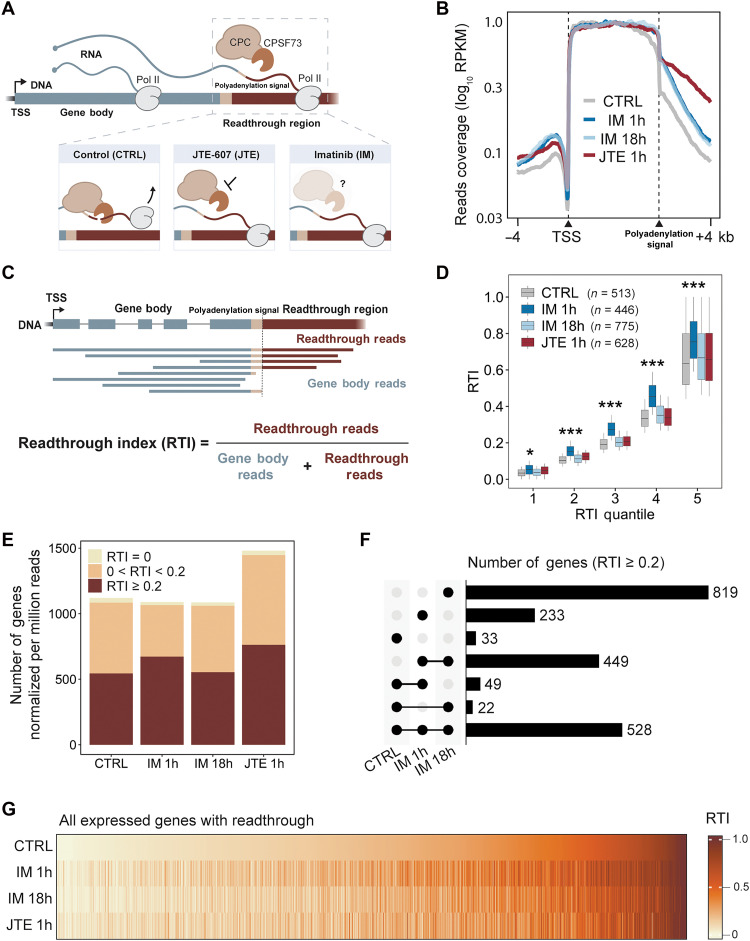 Figure 1
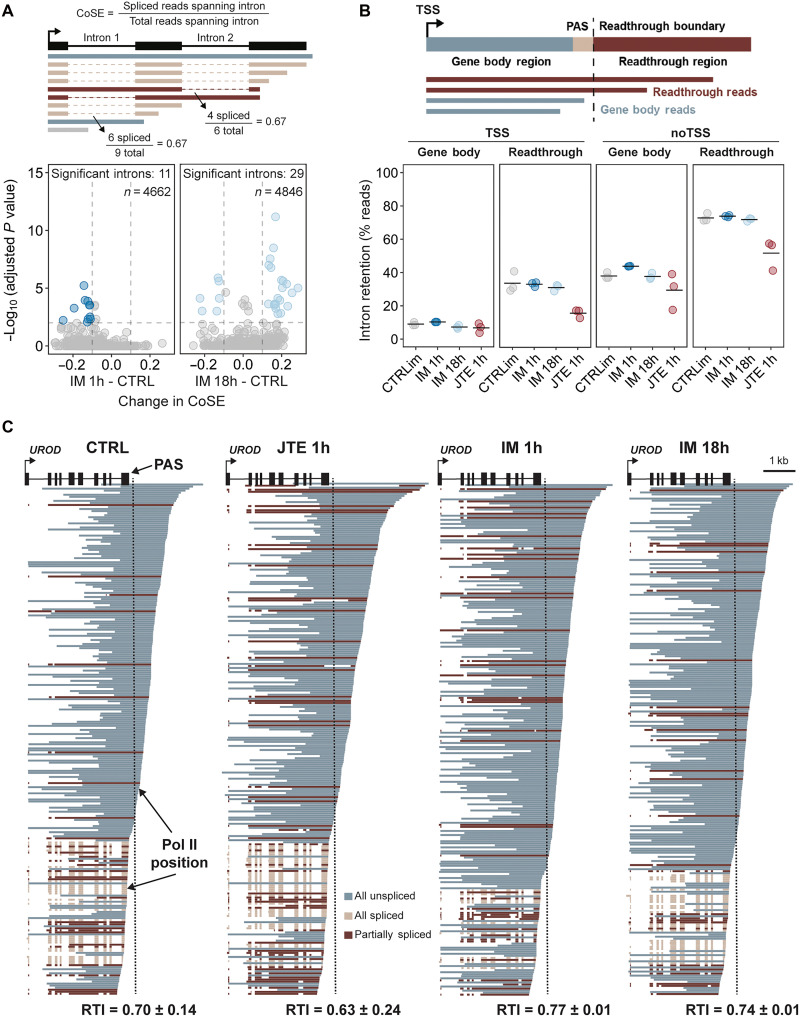 Figure 2
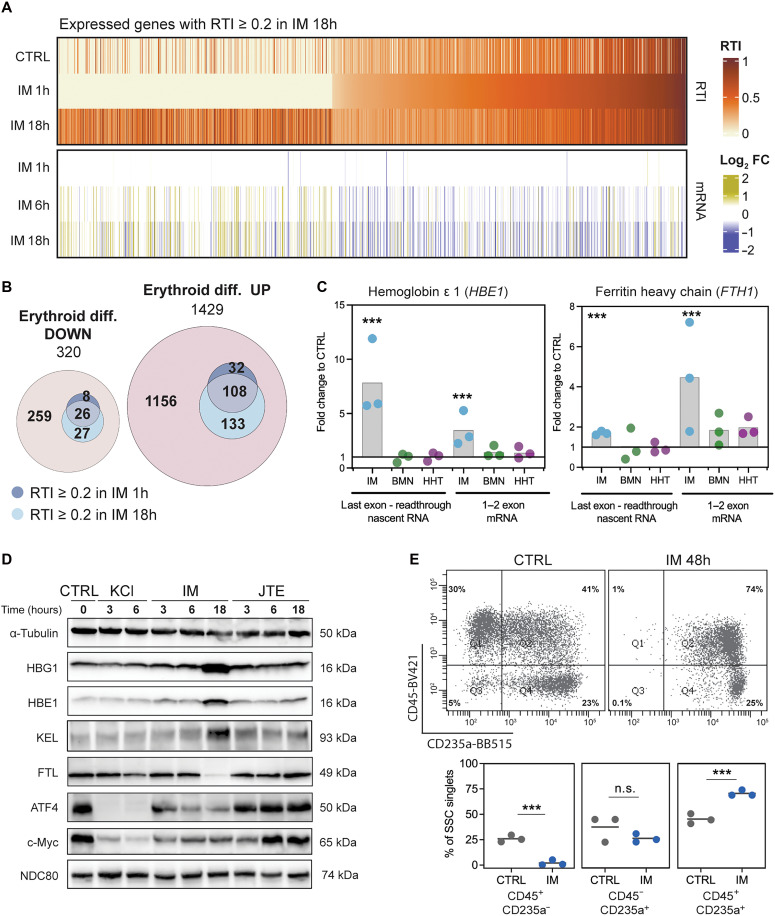 Figure 3
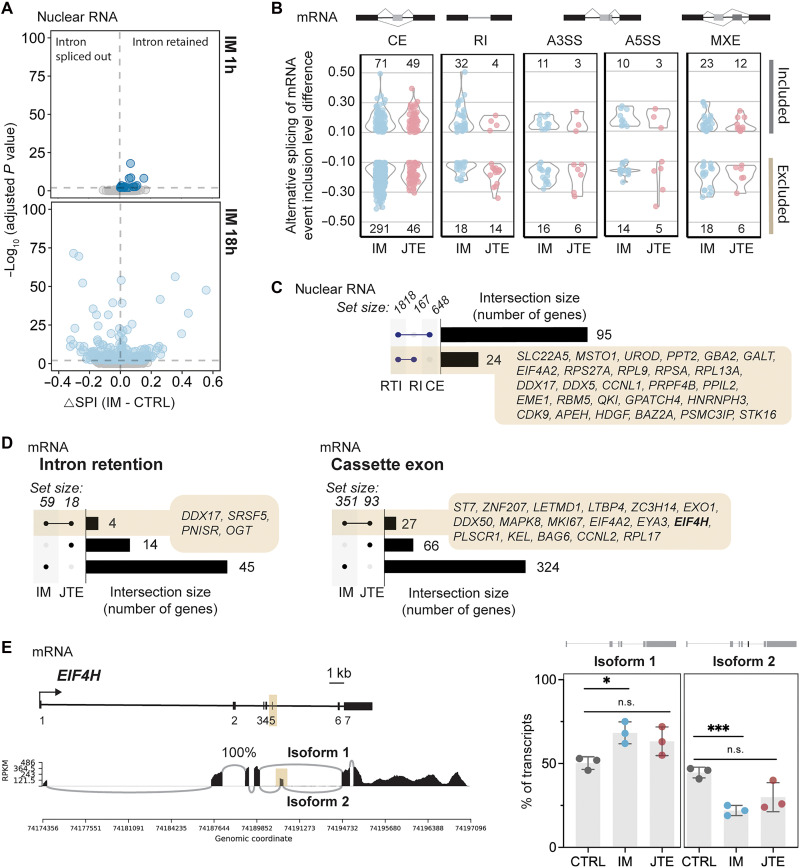 Figure 4
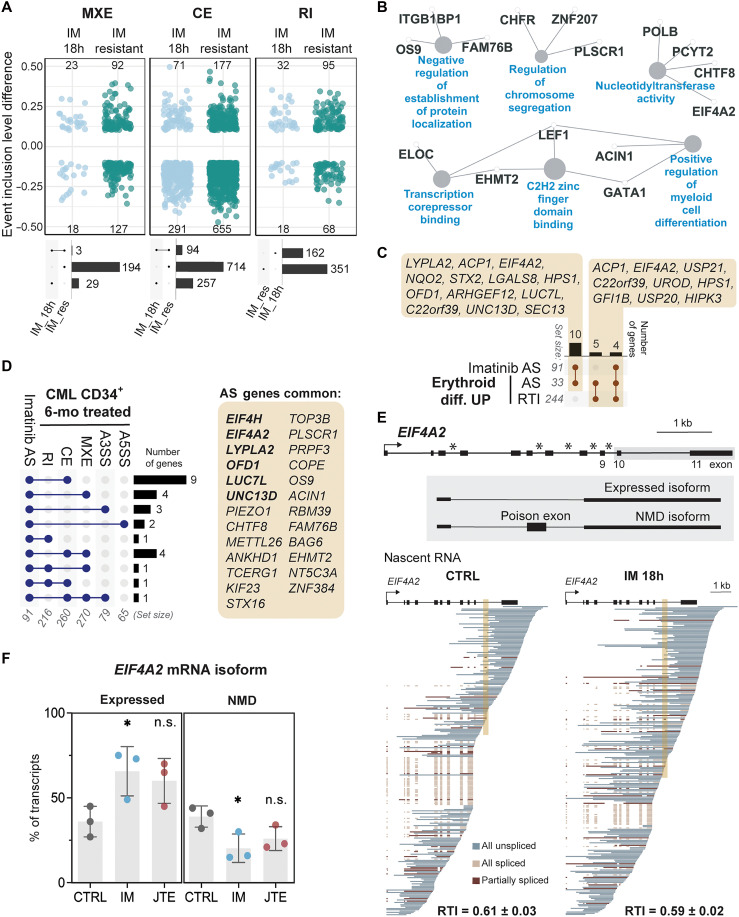 Figure 5
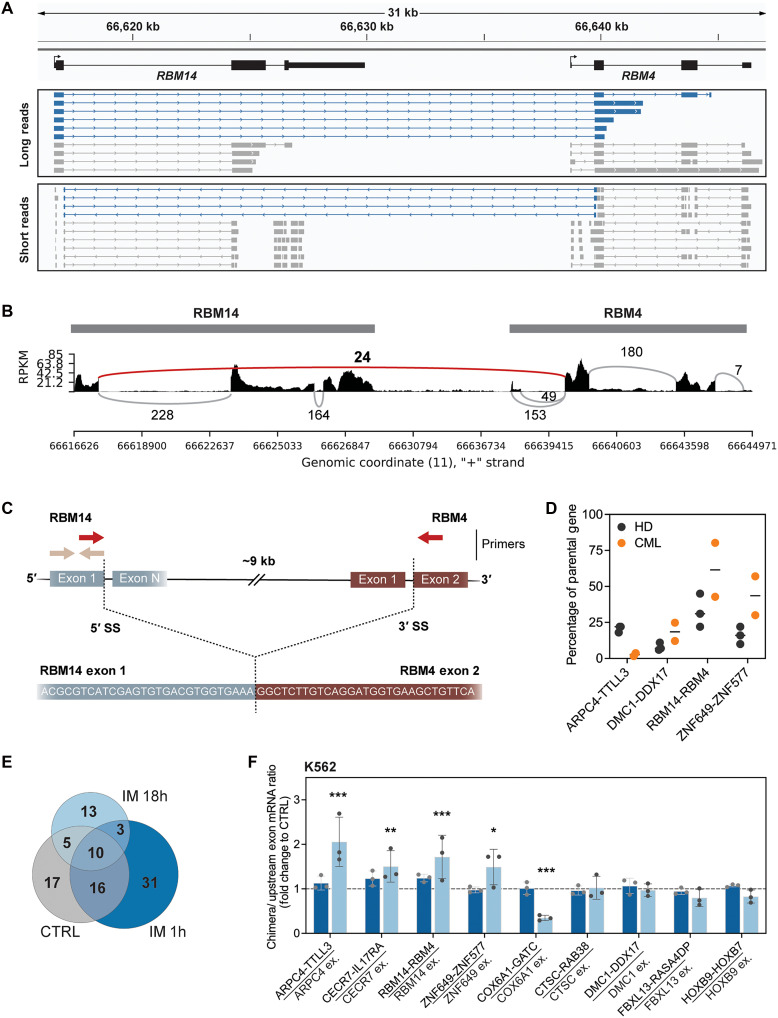 Figure 6
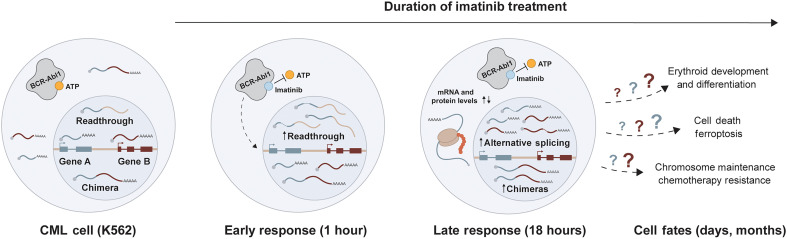 Figure 7
Peer Reviews
No public reviews on file for this paper yet. If you reviewed it on a platform where reviews are public (OpenReview, ICLR, NeurIPS, ICML), you can paste yours below so the community can read it here.
Videos
No videos yet. Explain this paper in a talk, walkthrough, or lecture? Add one.
Taxonomy
TopicsChronic Myeloid Leukemia Treatments · RNA Research and Splicing · MicroRNA in disease regulation