Environmental drivers of Catostylus tagi polyp survival and reproduction: unlocking the role of temperature and salinity, supported with citizen science data
Pedro F. Silva, João Lopes, Antonina dos Santos, Marcella Saar, Ana Pereira, Paula Enes, Ana S. Ferreira, Hugo Batista

TL;DR
This study explores how temperature and salinity affect the survival and reproduction of a jellyfish polyp, using lab experiments and citizen science data to better understand its environmental preferences.
Contribution
The study identifies optimal environmental conditions for C. tagi polyp survival and reproduction, integrating controlled experiments with long-term citizen science data.
Findings
Polyp survival was highest at intermediate salinities (17.5–25) and temperatures (17–20°C).
Strobilation and asexual reproduction were enhanced at specific temperature and salinity ranges.
Citizen science data showed medusae peak between July and January in the lower Tagus estuary.
Abstract
Catostylus tagi is a scyphozoan jellyfish native to Portuguese waters. While its life cycle is known, the environmental conditions that support polyp survival, trigger strobilation, and promote asexual reproduction remain unclear. Field observations from the citizen science GelAvista project indicate that C. tagi occurs year-round in the Tagus estuary, suggesting tolerance to broad temperature and salinity ranges. However, polyps and ephyrae have not been observed in the wild, and their natural habitats and environmental preferences remain unknown. This study aims to fill these knowledge gaps by investigating how temperature and salinity affect C. tagi polyps under controlled conditions and integrating these results with field data. Ninety-six polyps were cultured for 71 days in well plates at four temperature treatments (14, 17, 20, 23 °C) and four salinity levels (10, 17.5, 25, 35).…
Genes, proteins, chemicals, diseases, species, mutations and cell lines named across the full text — each resolved to its canonical identifier and authoritative record.
Click any figure to enlarge with its caption.
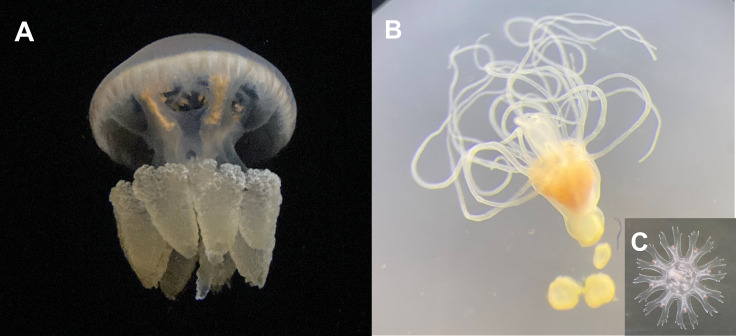 Figure 1
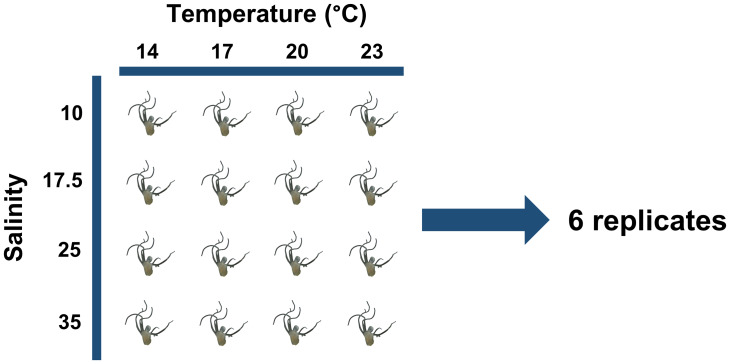 Figure 2
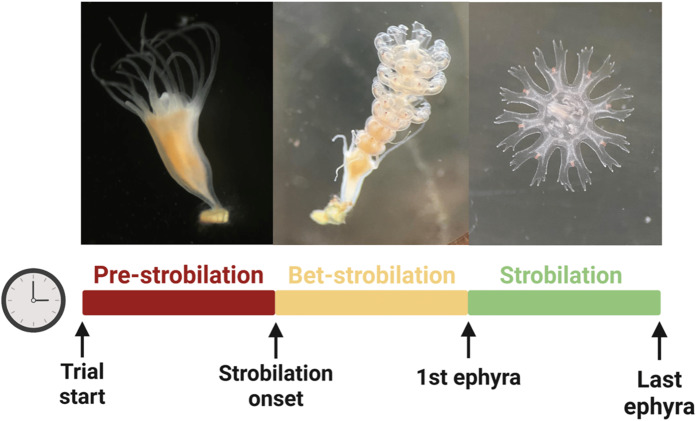 Figure 3
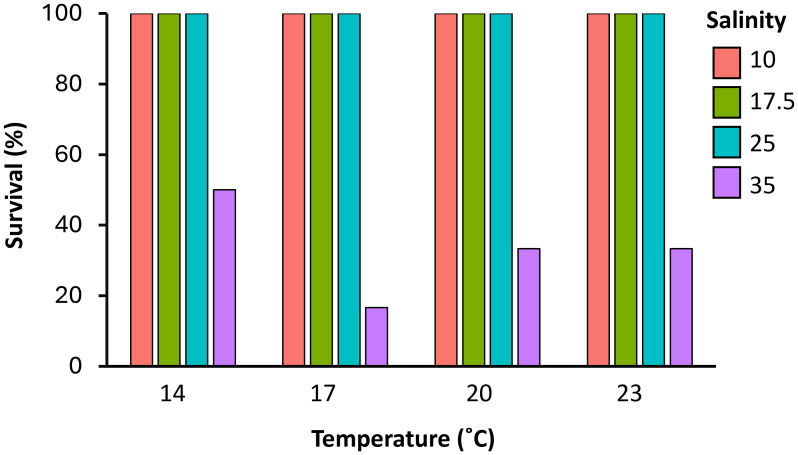 Figure 4
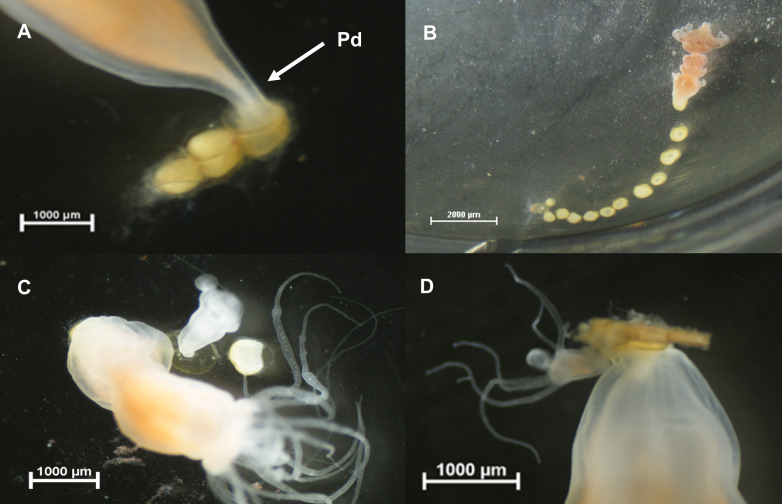 Figure 5
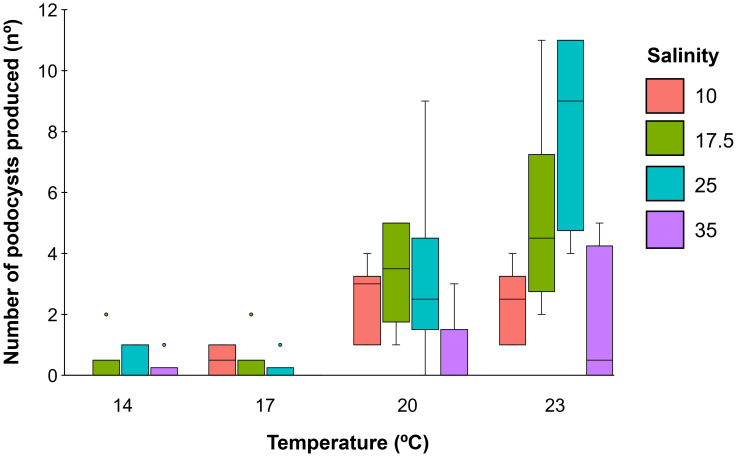 Figure 6
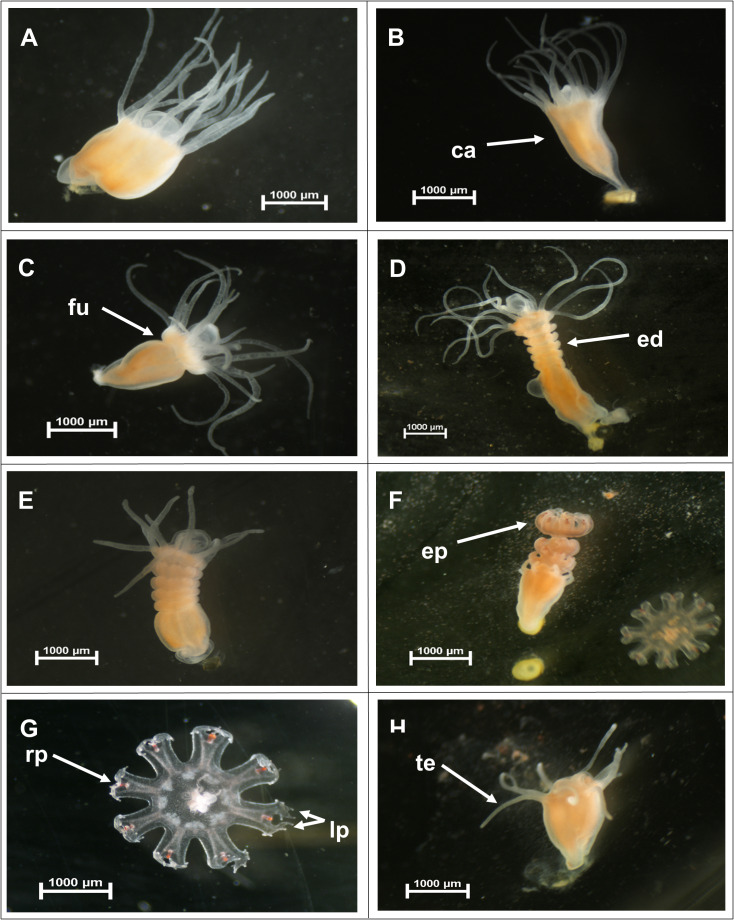 Figure 7
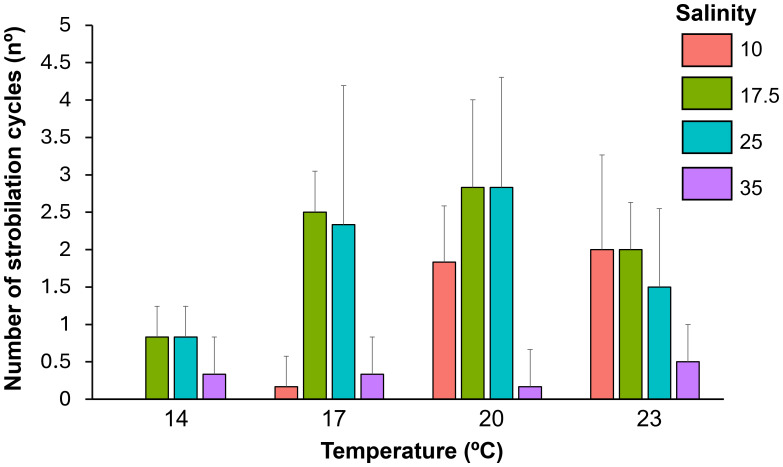 Figure 8
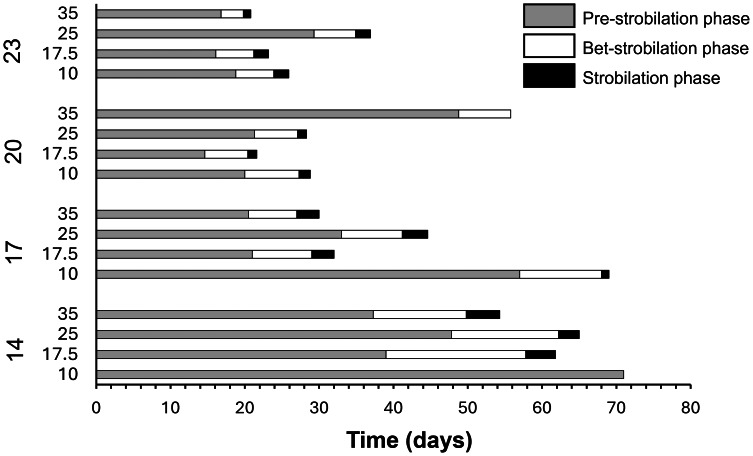 Figure 9
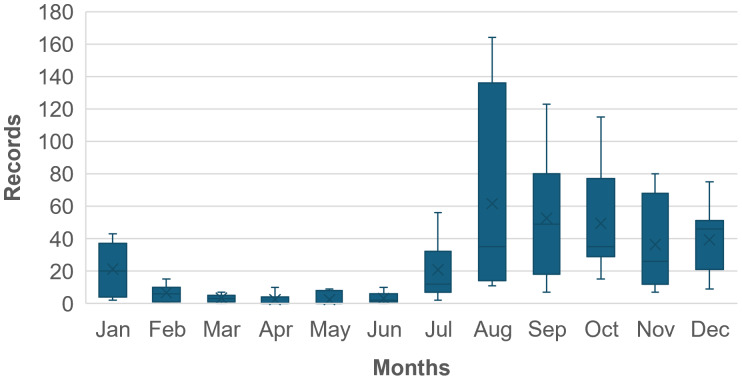 Figure 10
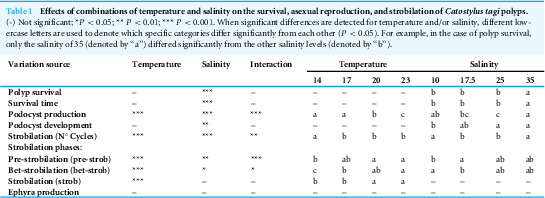 Figure 11
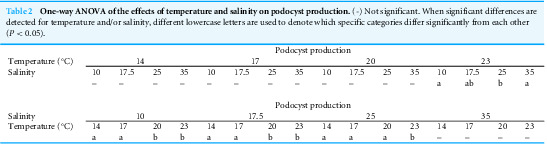 Figure 12
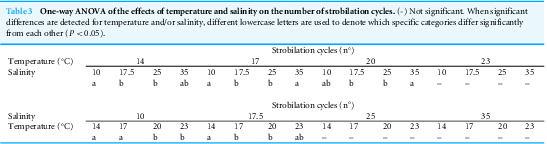 Figure 13
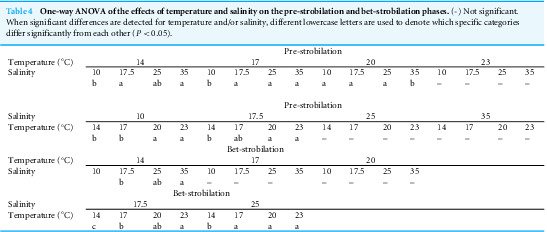 Figure 14
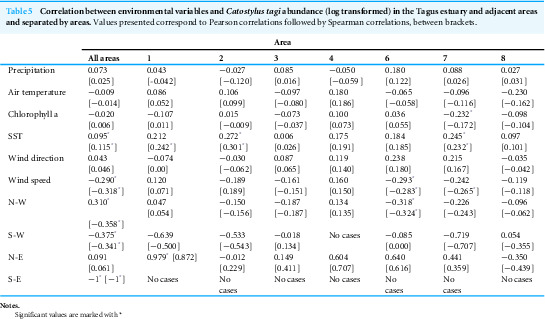 Figure 15
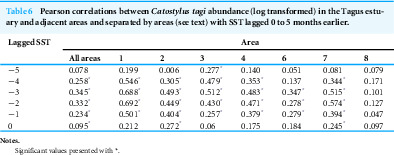 Figure 16
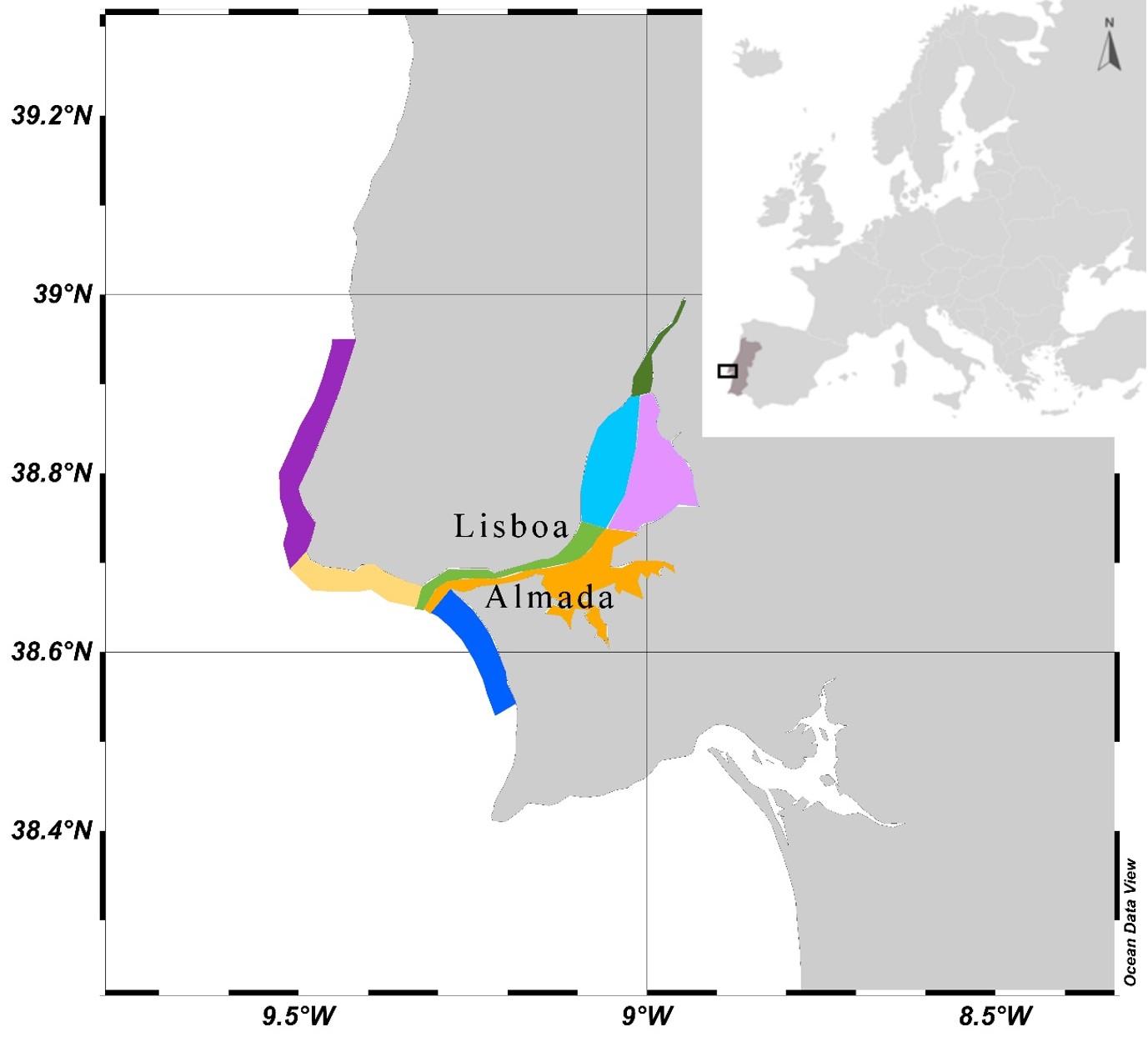 Figure 17
Peer Reviews
No public reviews on file for this paper yet. If you reviewed it on a platform where reviews are public (OpenReview, ICLR, NeurIPS, ICML), you can paste yours below so the community can read it here.
Videos
No videos yet. Explain this paper in a talk, walkthrough, or lecture? Add one.
Taxonomy
TopicsMarine Invertebrate Physiology and Ecology · Marine Sponges and Natural Products · Marine Toxins and Detection Methods