Multidimensional Comparisons Between Constrained ICA/IVA Algorithms for Multi-Subject fMRI Data Analysis
LUCAS GOIS, HANLU YANG, TRUNG VU, WEIXIN WANG, DENIS FANTINATO, ALINE NEVES, VINCE D. CALHOUN, TÜLAY ADALI

TL;DR
This paper compares three advanced algorithms for analyzing brain scans from many people, showing how each performs differently in finding brain networks and biomarkers.
Contribution
The paper provides a comprehensive multidimensional comparison of three constrained ICA/IVA algorithms for multi-subject fMRI data analysis.
Findings
tf-cIVA excels in reproducibility and temporal functional network connectivity.
ar-cIVA is most sensitive to group differences in spatial FNC.
ar-cEBM offers superior scalability and stable spatial maps despite not using joint processing.
Abstract
Large-scale functional magnetic resonance imaging (fMRI) datasets provide exciting opportunities for understanding and improving brain health. Data-driven techniques such as independent component analysis (ICA) and independent vector analysis (IVA) have been attractive solutions for multi-subject fMRI analysis, as the extraction of functional connectivity networks is the key step in many studies. Constrained versions of ICA and IVA help significantly improve performance and interpretability, but their comparative advantages and the practical impact of their different formulations remain unclear. This work addresses this gap by conducting a comprehensive comparison of three state-of-the-art constrained algorithms: threshold-free constrained IVA (tf-cIVA), adaptive-reverse constrained IVA (ar-cIVA), and adaptive-reverse constrained ICA (ar-cEBM). These methods differ significantly in how…
Genes, proteins, chemicals, diseases, species, mutations and cell lines named across the full text — each resolved to its canonical identifier and authoritative record.
Click any figure to enlarge with its caption.
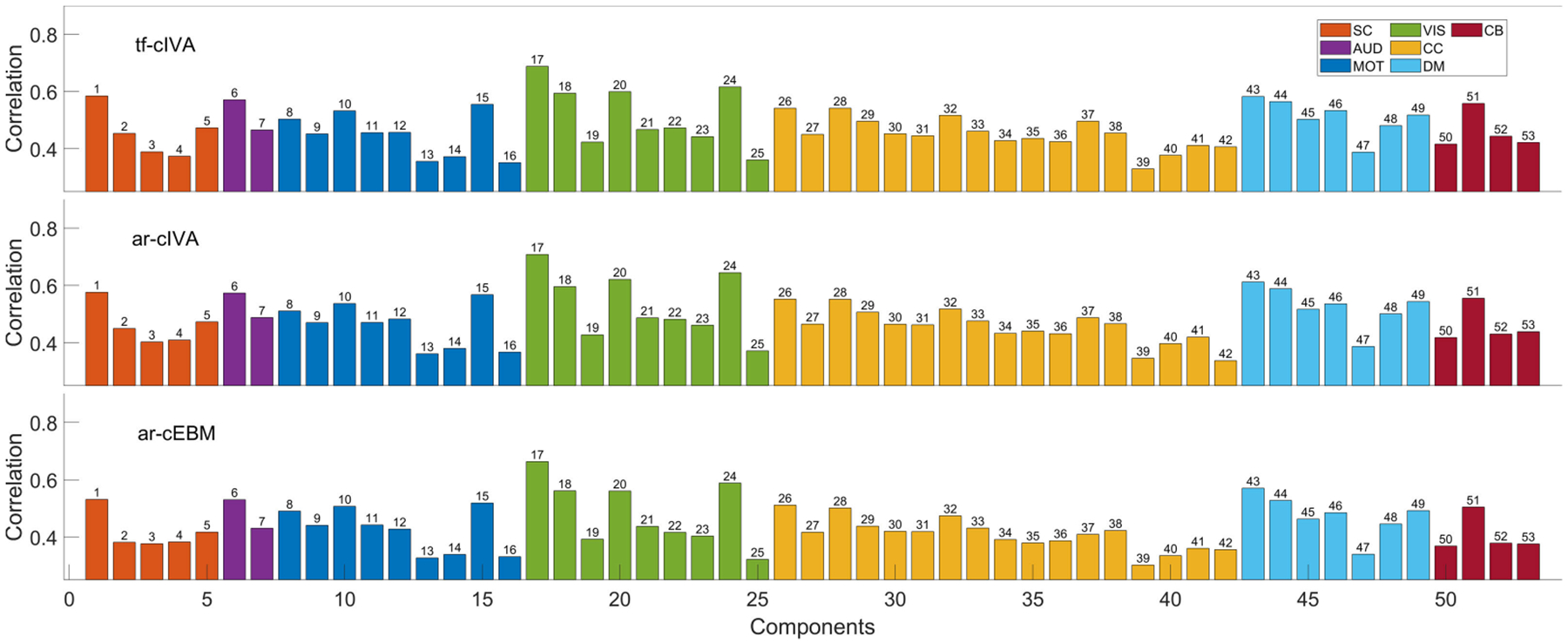 Figure 1
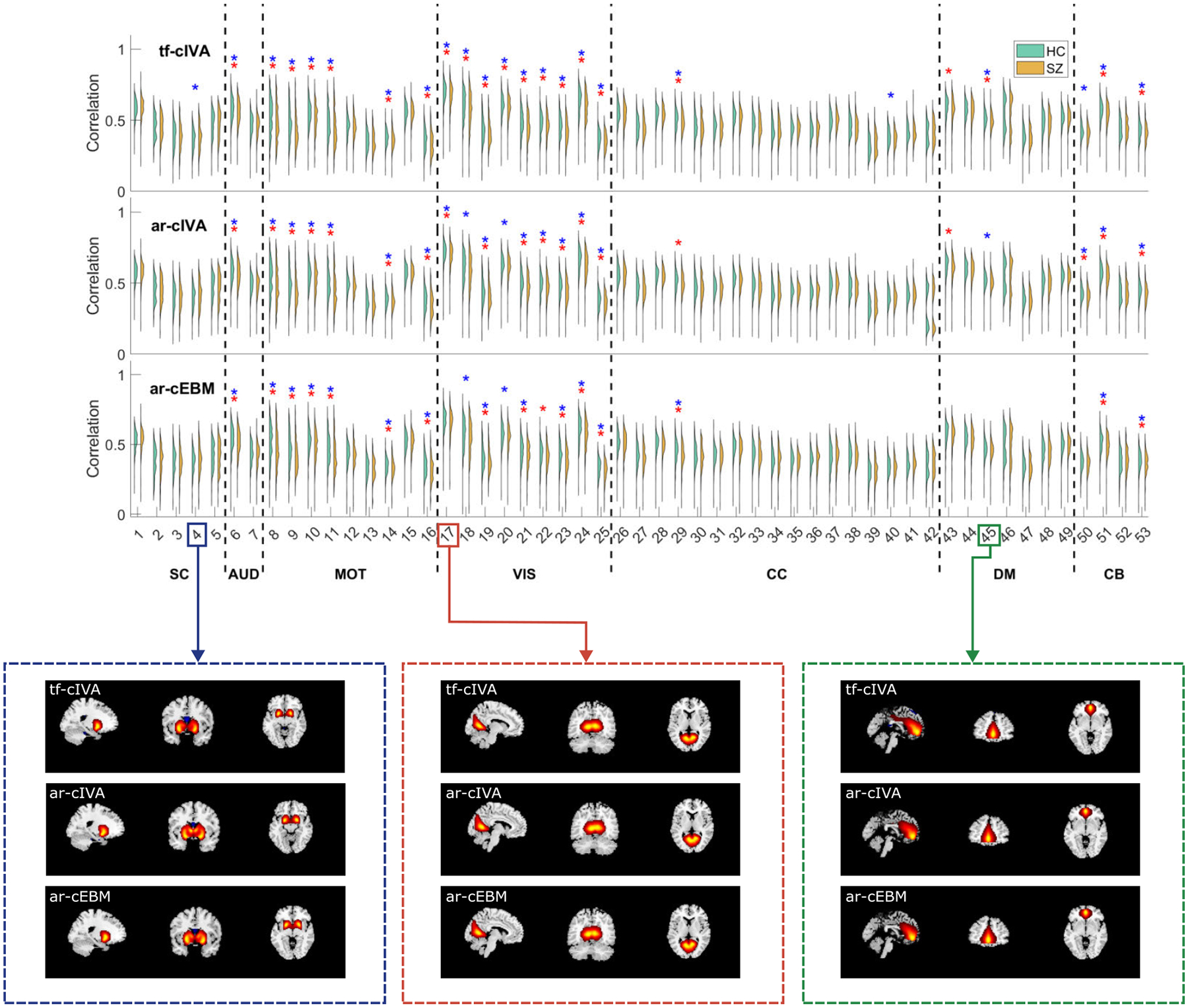 Figure 2
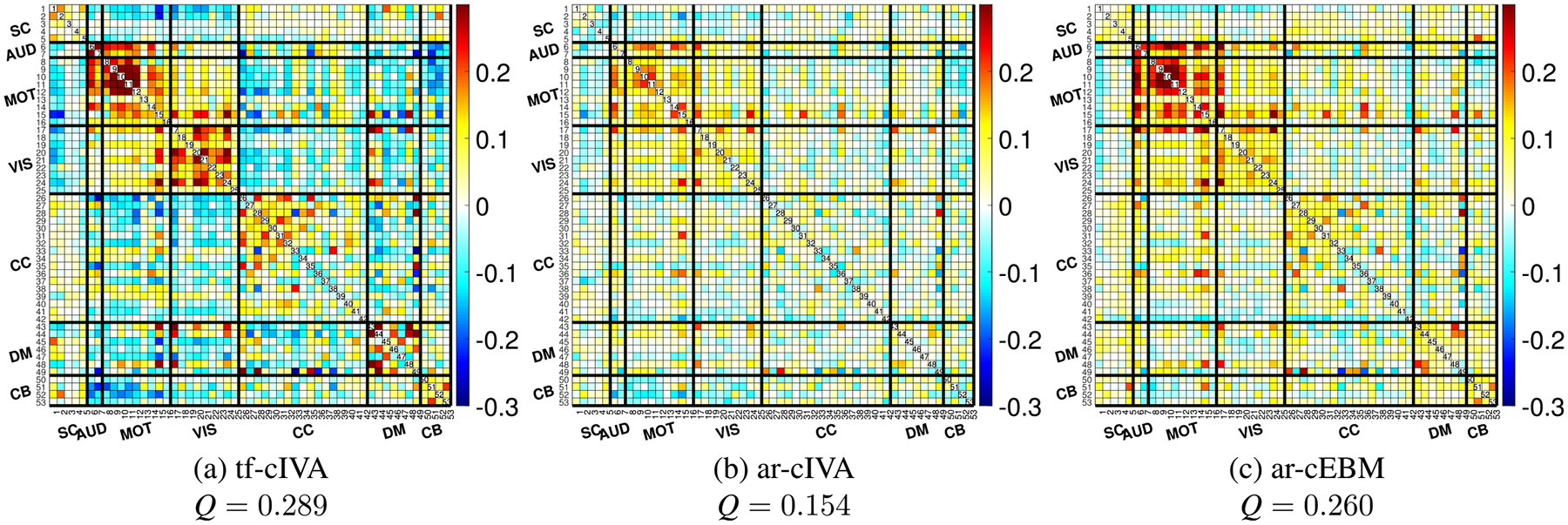 Figure 3
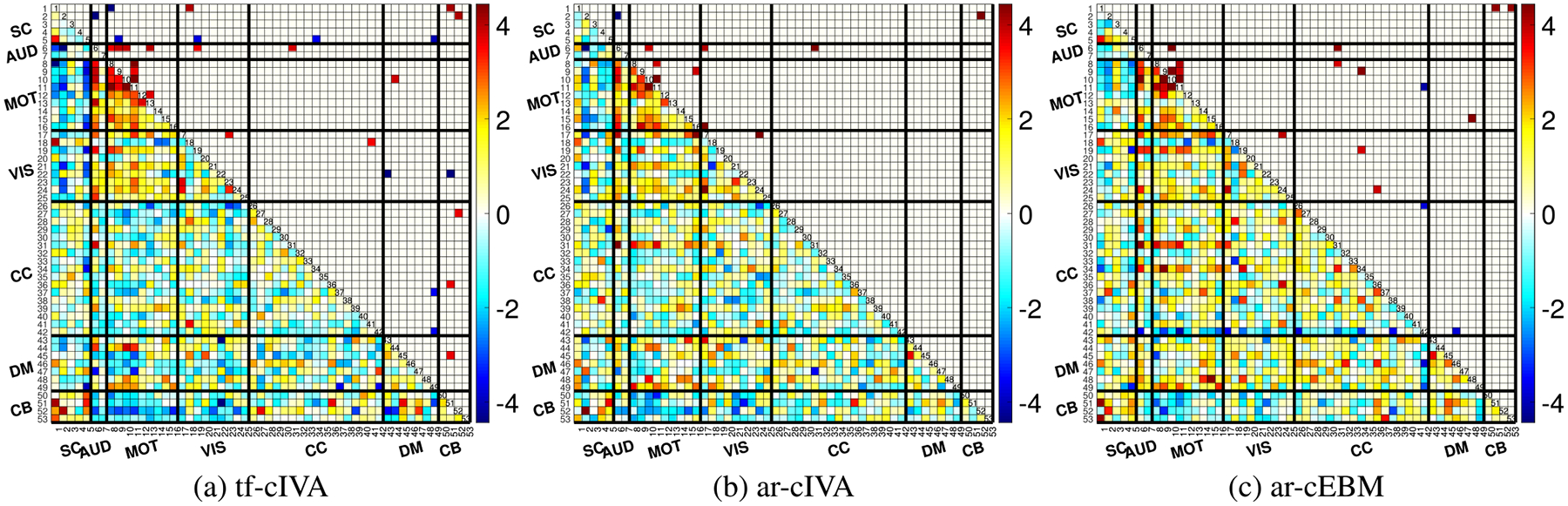 Figure 4
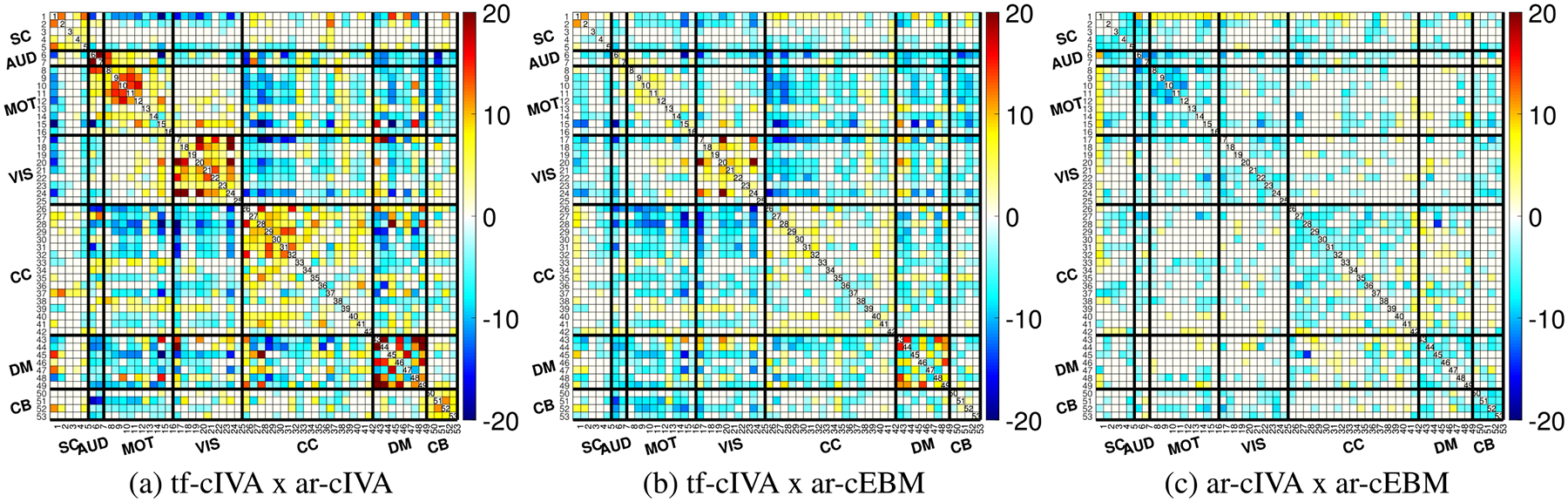 Figure 5
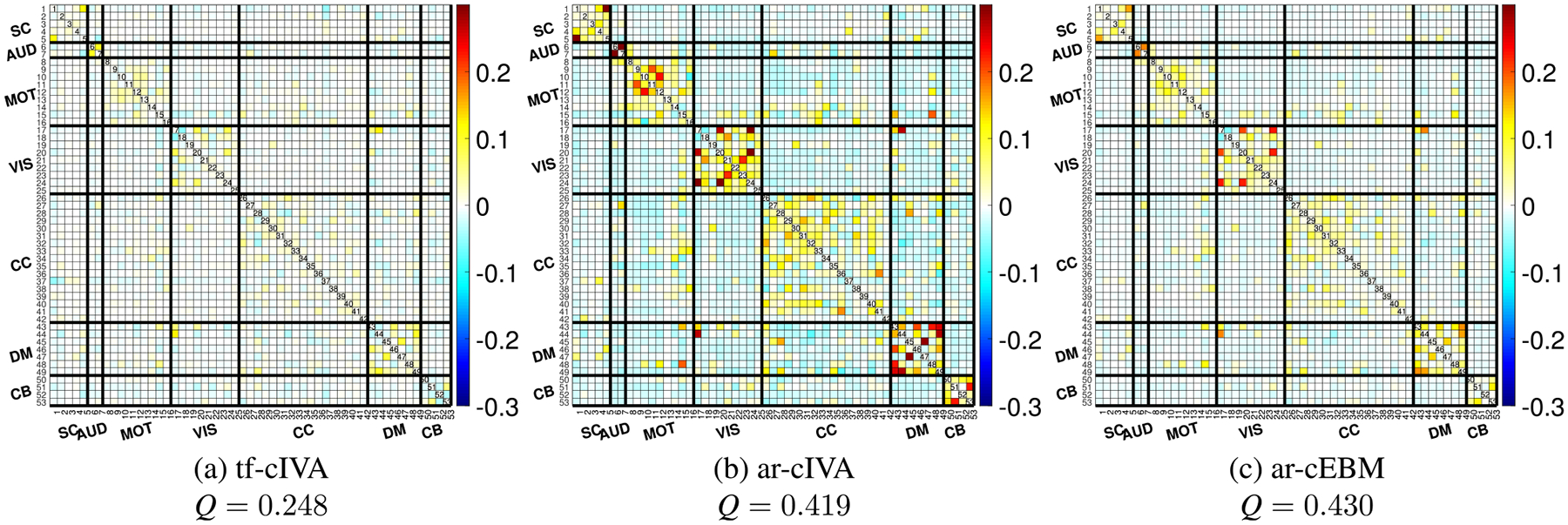 Figure 6
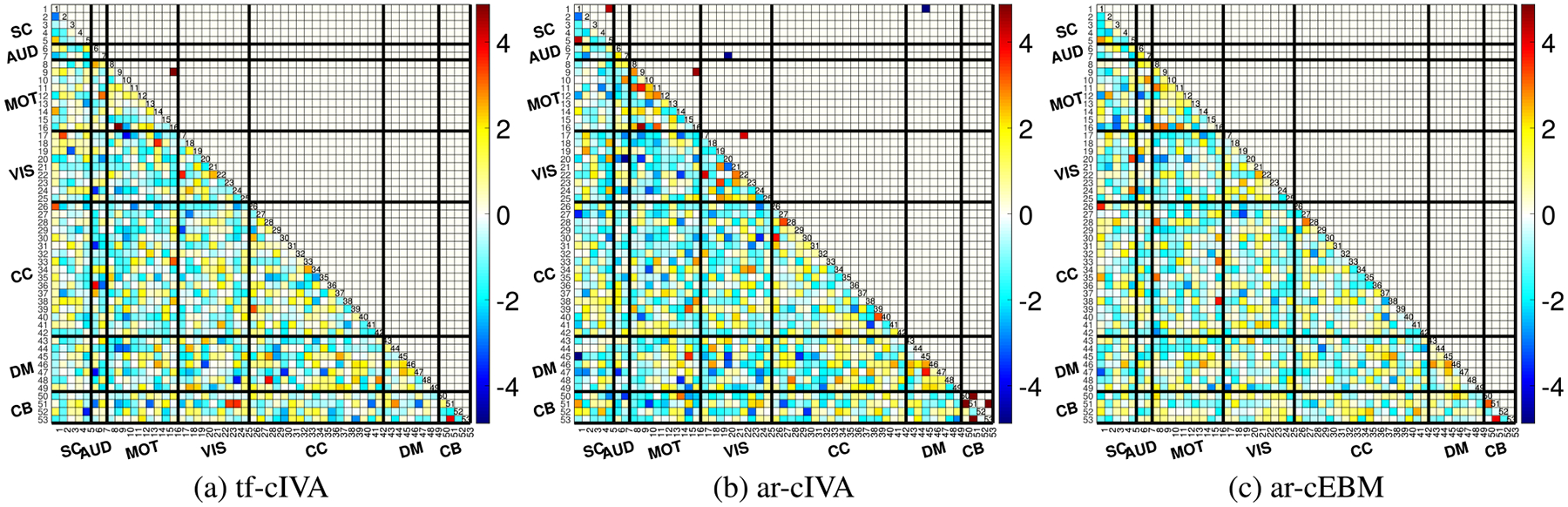 Figure 7
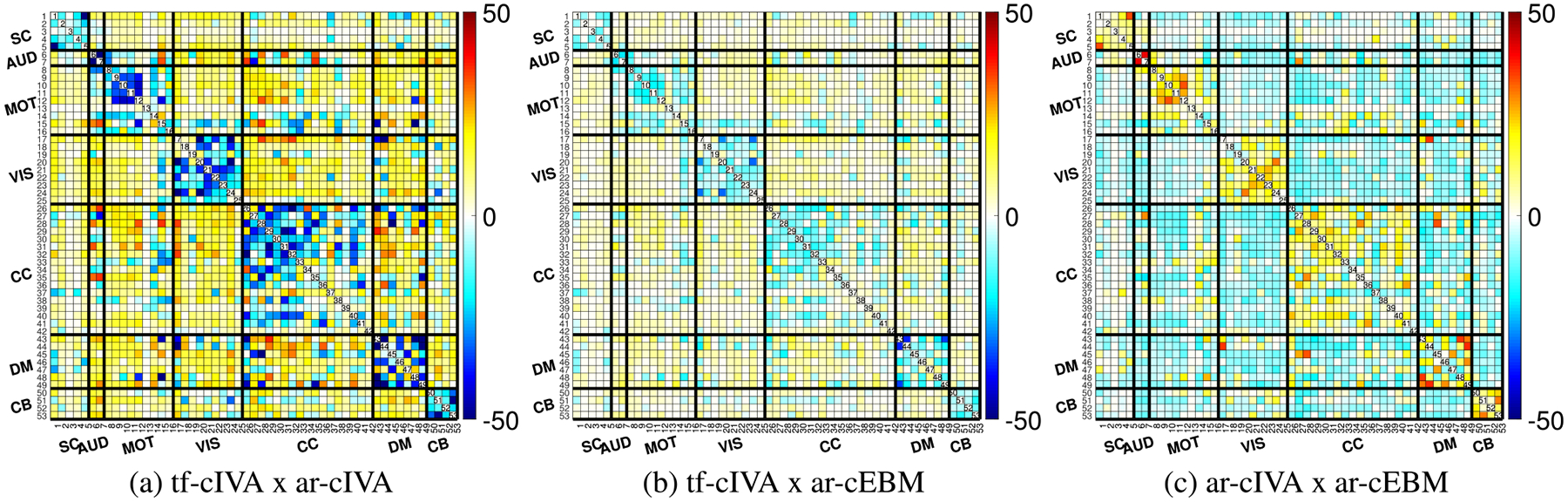 Figure 8
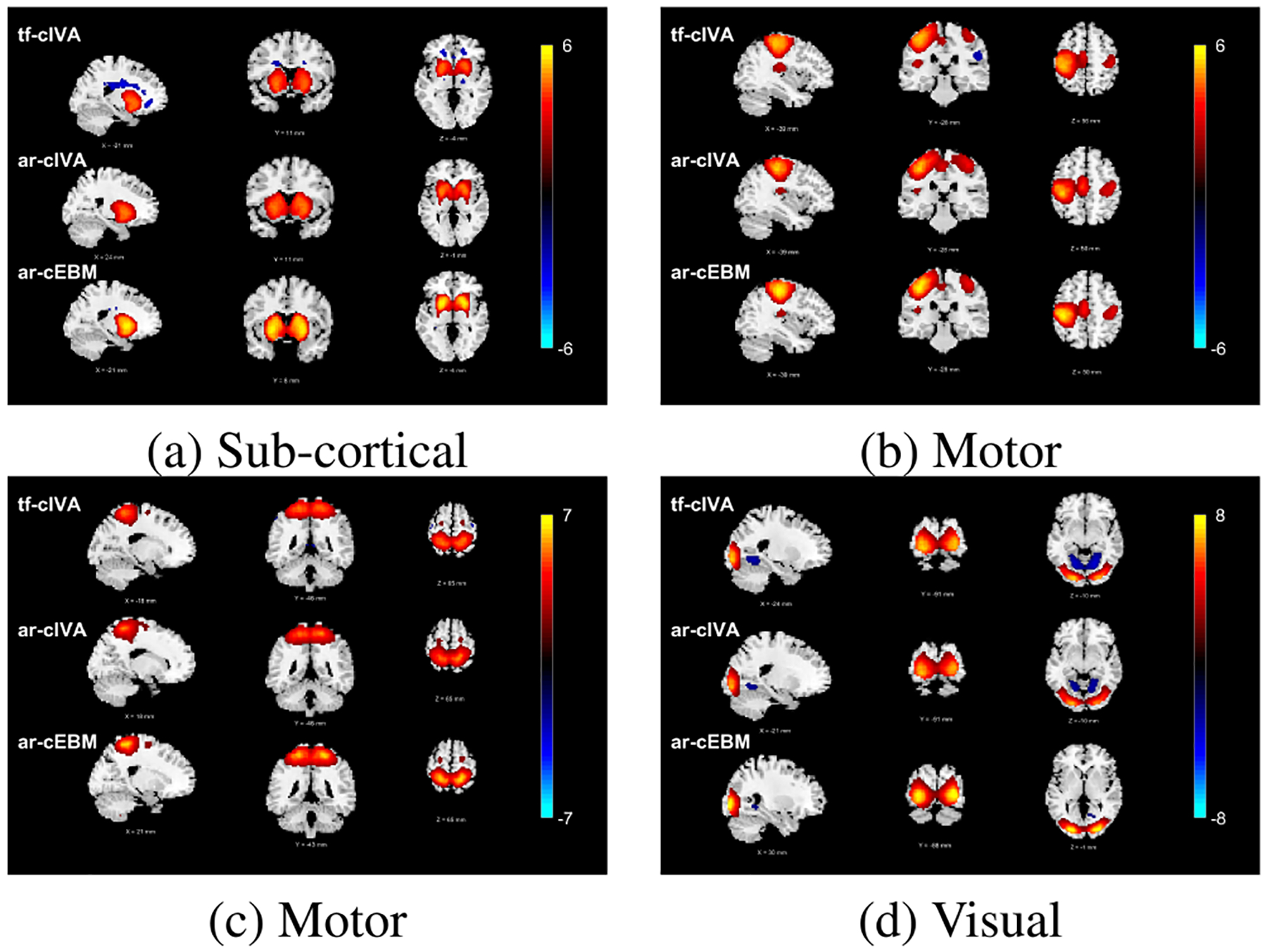 Figure 9
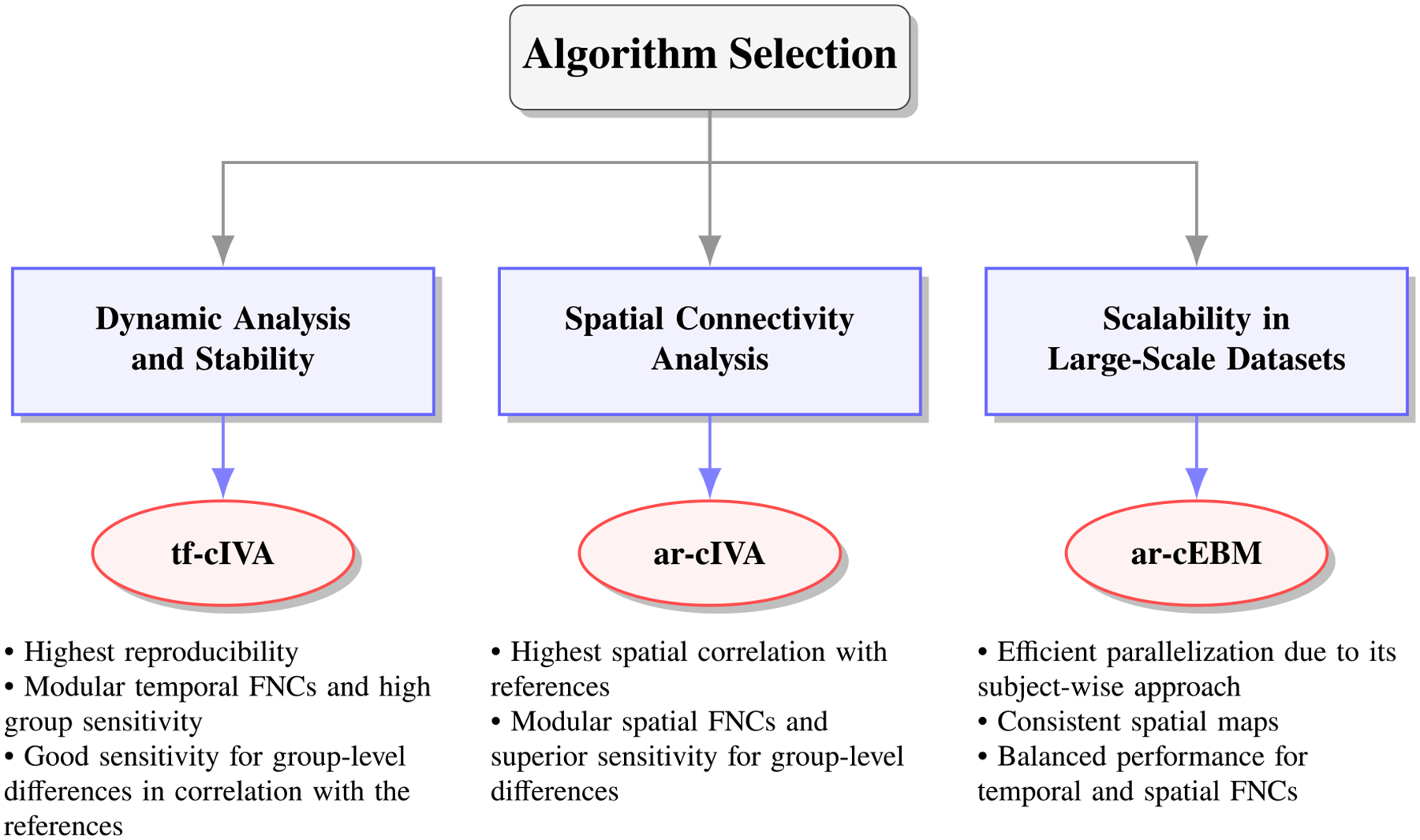 Figure 10
Peer Reviews
No public reviews on file for this paper yet. If you reviewed it on a platform where reviews are public (OpenReview, ICLR, NeurIPS, ICML), you can paste yours below so the community can read it here.
Videos
No videos yet. Explain this paper in a talk, walkthrough, or lecture? Add one.
Taxonomy
TopicsFunctional Brain Connectivity Studies · Blind Source Separation Techniques · Face Recognition and Perception