Inhibition of prolyl-tRNA synthetase and efflux pumps as a dual-targeting strategy against multidrug-resistant bacteria
Cristiane Tambascia, Jaqueline Cristina Silva, Barbara Carvalho dos Reis, Camila Fernanda Silva Camilo, Carlos Abrunhosa Tairum Junior, Thais Hancio, Valquiria Graia Correia, Ronaldo Aloise Pilli, Andre Schützer de Godoy, Benoît Laleu, Maurício Luís Sforça

TL;DR
This paper explores targeting prolyl-tRNA synthetase and efflux pumps to combat multidrug-resistant bacteria.
Contribution
The study identifies prolyl-tRNA synthetase as a potential target and suggests combining inhibitors with efflux pump blockers for better efficacy.
Findings
Halofuginone analog Cpd-6 inhibits KpProRS more effectively than halofuginone.
Cpd-6 shows low efficacy against Klebsiella pneumoniae due to AcrAB efflux pump activity.
Combining Cpd-6 with efflux pump inhibitors could enhance its antimicrobial activity against MDR bacteria.
Abstract
Aminoacyl-tRNA synthetases have been widely exploited as targets for antiparasitic and antifungal inhibitors; however, they have received little attention as targets in multidrug-resistant (MDR) bacteria. Here we describe the biochemical characterisation of Prolyl-tRNA synthetase from Klebsiella pneumoniae (KpProRS), highlighting its ligase and proofreading activities. Distinct classes of ProRS inhibitors were evaluated against KpProRS but only halofuginone (HF) strongly modulated KpProRS activity. A new HF analog (Cpd-6) was developed and exhibited superior inhibitory activity against KpProRS relative to HF but low efficacy against MDR K. pneumoniae, despite good antimicrobial activity against Escherichia coli and Staphylococcus aureus. Further studies revealed that Cpd-6 resistance in K. pneumonia is mainly mediated by AcrAB efflux pump activity, which could be counteracted by efflux…
Genes, proteins, chemicals, diseases, species, mutations and cell lines named across the full text — each resolved to its canonical identifier and authoritative record.
Click any figure to enlarge with its caption.
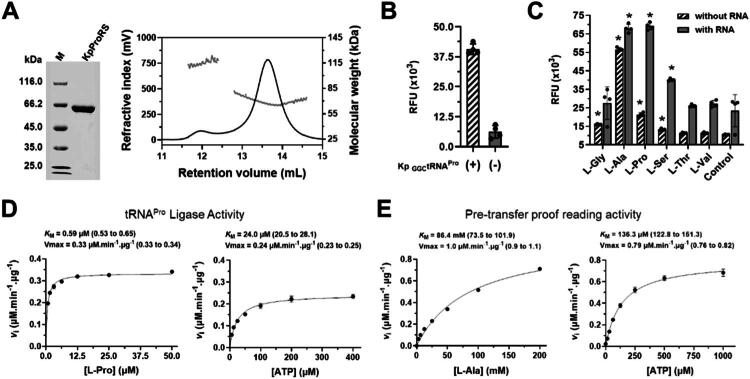 Figure 1
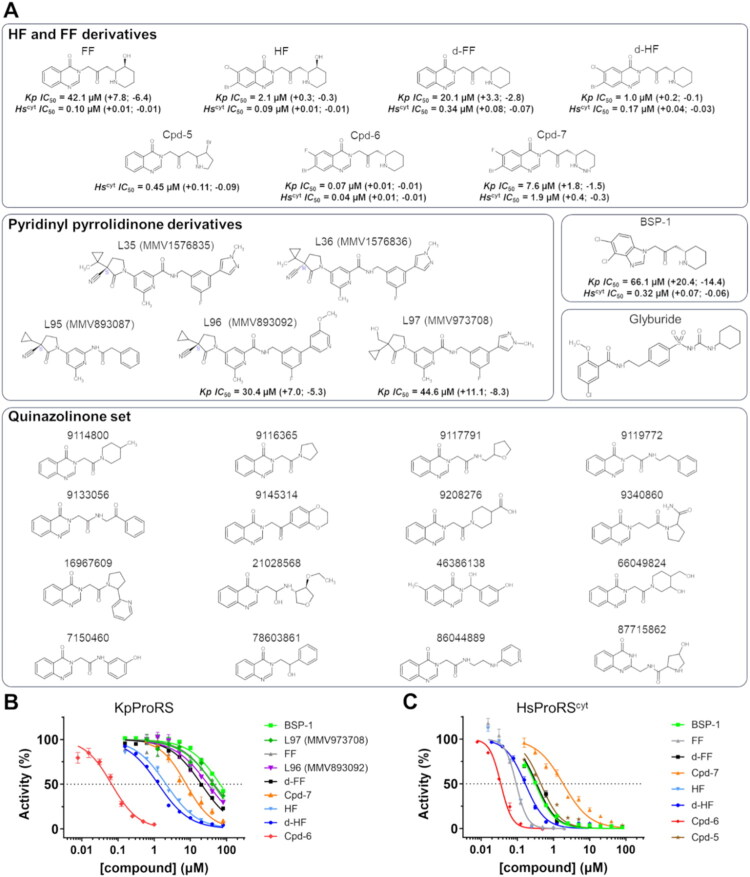 Figure 2
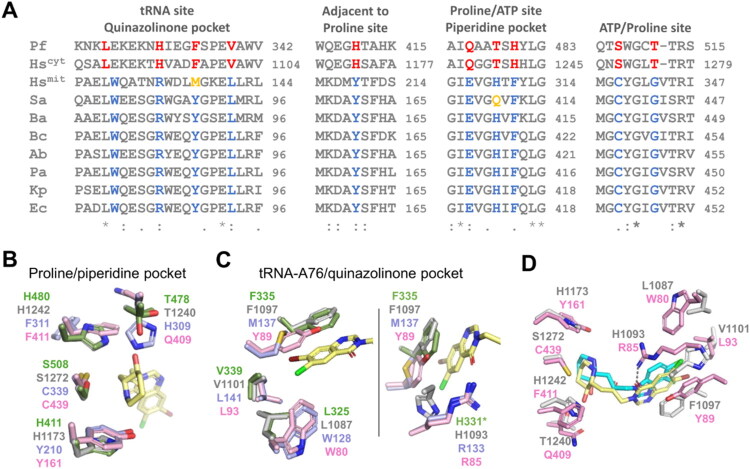 Figure 3
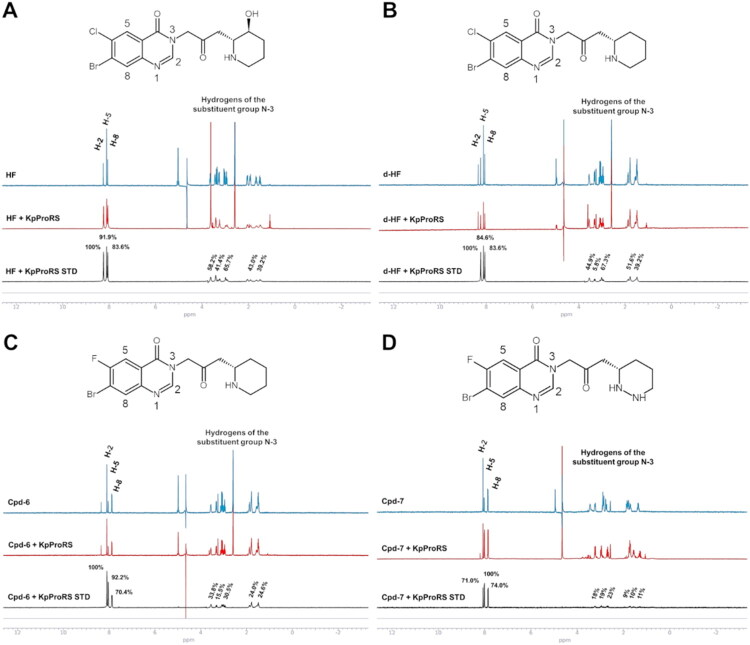 Figure 4
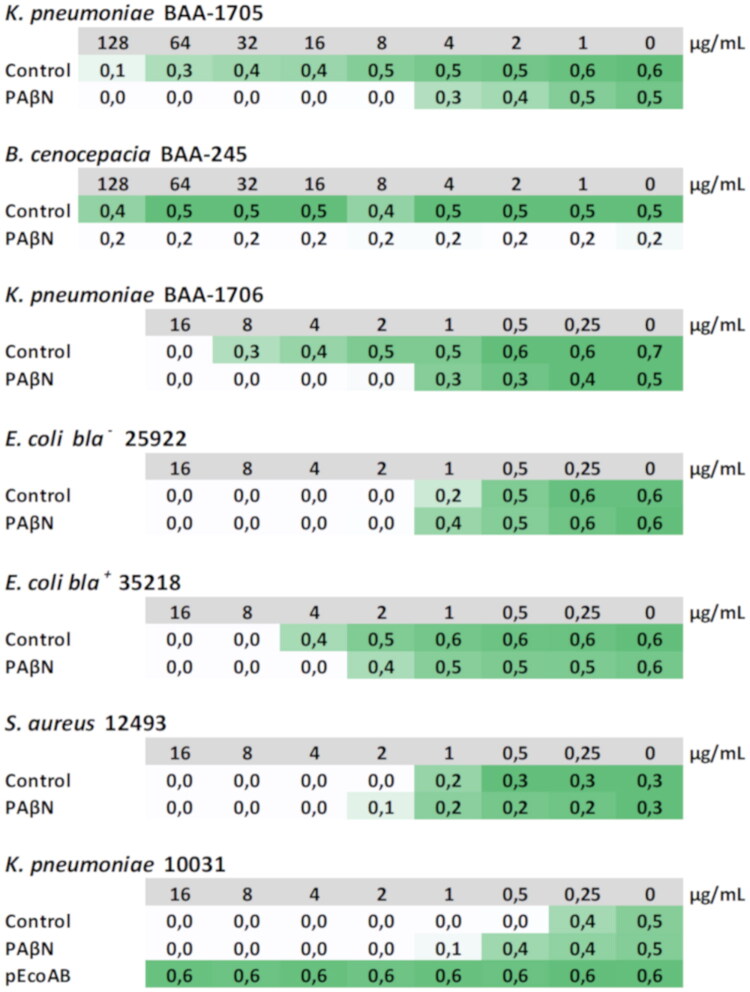 Figure 5
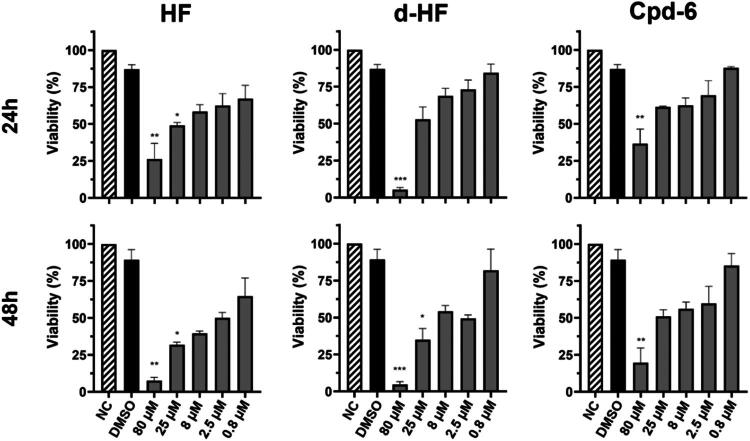 Figure 6
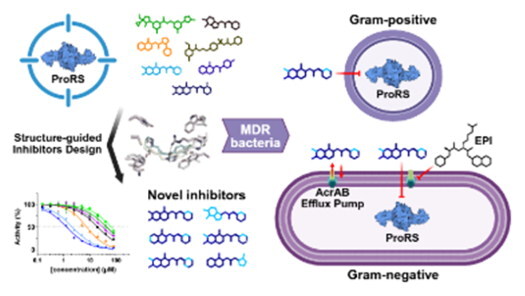 Figure 7
Peer Reviews
No public reviews on file for this paper yet. If you reviewed it on a platform where reviews are public (OpenReview, ICLR, NeurIPS, ICML), you can paste yours below so the community can read it here.
Videos
No videos yet. Explain this paper in a talk, walkthrough, or lecture? Add one.
Taxonomy
TopicsRNA and protein synthesis mechanisms · RNA modifications and cancer · Bacterial Genetics and Biotechnology