A neurocognitive account of complex PTSD: self-modelling, affective dysregulation, and implications for MDMA-assisted and targeted psychotherapies
Philip Gerrans, Hugh Mcgovern, Jakob Hohwy, Lena K. L. Oestreich

TL;DR
This paper proposes a new neurocognitive model for complex PTSD, focusing on how the brain processes emotions and self-identity, and suggests that MDMA-assisted therapy could help treat it.
Contribution
The paper introduces a novel neurocognitive framework for C-PTSD based on predictive processing and insula function, and explores how MDMA-assisted therapy may recalibrate self-referential and emotional processes.
Findings
The insula is central to emotional awareness and self-referential processing in C-PTSD.
MDMA-assisted therapy may transiently modulate affective salience and self-referential cognition.
Disturbances in self-organization in C-PTSD arise from maladaptive predictive regulation.
Abstract
Background: Complex post-traumatic stress disorder (C-PTSD) is a trauma-related condition characterized by pervasive disturbances in affect regulation, self-concept, and interpersonal functioning that extend beyond the symptom profile of post-traumatic stress disorder (PTSD). While neurobiological studies have implicated limbic, salience, and prefrontal systems in C-PTSD, mechanistic accounts linking these findings to disturbances in self-organization and treatment-relevant processes remain underdeveloped. Objective: This narrative review develops a hypothesis-generating neurocognitive account of C-PTSD grounded in predictive processing and self-modelling frameworks, with particular emphasis on affective dysregulation and disturbances in self-organization. Method: We synthesize clinical, neurobiological, and theoretical evidence to conceptualize PTSD and C-PTSD along a continuum of…
Genes, proteins, chemicals, diseases, species, mutations and cell lines named across the full text — each resolved to its canonical identifier and authoritative record.
Click any figure to enlarge with its caption.
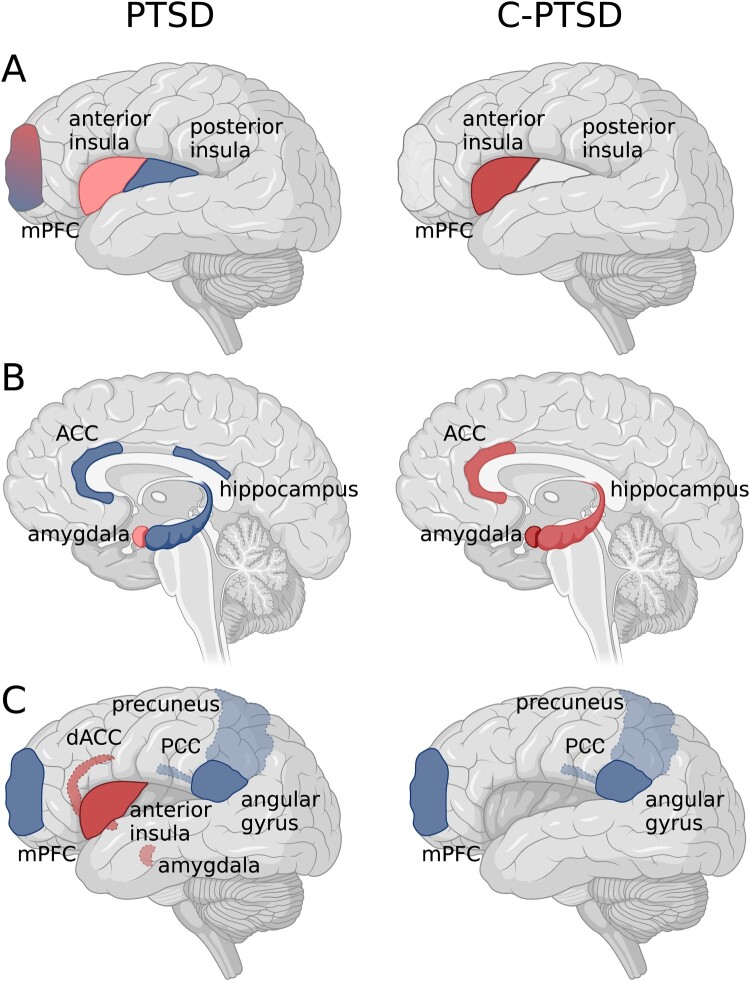 Figure 1
 Figure 2
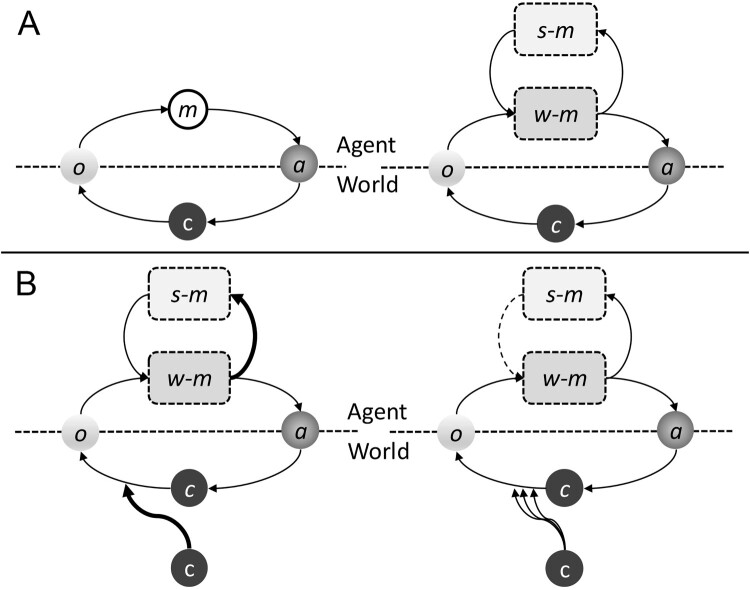 Figure 3
 Figure 4
Peer Reviews
No public reviews on file for this paper yet. If you reviewed it on a platform where reviews are public (OpenReview, ICLR, NeurIPS, ICML), you can paste yours below so the community can read it here.
Videos
No videos yet. Explain this paper in a talk, walkthrough, or lecture? Add one.
Taxonomy
TopicsPosttraumatic Stress Disorder Research · Psychedelics and Drug Studies · Mental Health Research Topics