Global analyses of genomic and epigenomic influences on gene expression reveal Serpina3n as a major regulator of cardiac gene expression in response to catecholamine challenge during heart failure
Caitlin Lahue, Sriram Ravindran, Aryan Dalal, Rozeta Avetisyan, Christoph D. Rau

TL;DR
This study identifies Serpina3n as a key regulator of heart failure by integrating genetic and epigenetic data from mice, showing its role in controlling gene expression during stress.
Contribution
The study introduces a novel integration of genomic and epigenomic data to identify Serpina3n as a major regulator of cardiac gene expression during heart failure.
Findings
286 regulatory hotspots were identified, some controlling over 10% of the cardiac transcriptome.
Serpina3n was validated as a key driver gene in a hotspot on chromosome 12, regulating gene expression and CpG methylation in response to stress.
Knockdown of Serpina3n reduced cardiomyocyte hypertrophy and modulated key heart failure-related genes.
Abstract
Heart failure arises from maladaptive remodelling driven by genetic and epigenetic networks. Using a systems genetics framework, we mapped how DNA variants and CpG methylation shape cardiac transcriptomes during beta adrenergic stress in the Hybrid Mouse Diversity Panel, a cohort of over 100 fully inbred mouse strains. Expression QTLs (eQTLs), methylation QTLs (mQTLs) and methylation-driven eQTLs (emQTLs) were generated from over 13k expressed genes and 200k hypervariable CpGs in left ventricles. We discovered hundreds of regulatory ‘hotspots’ that control large portions of the genome, including several that regulate over 10% of the transcriptome and/or methylome. Approximately 16% of these hotspots overlapped with prior GWAS or EWAS signals. We focus on a hotspot on chromosome 12 and identify the serpine peptidase inhibitor Serpina3n, as the most likely driver gene in this hotspot.…
Genes, proteins, chemicals, diseases, species, mutations and cell lines named across the full text — each resolved to its canonical identifier and authoritative record.
Click any figure to enlarge with its caption.
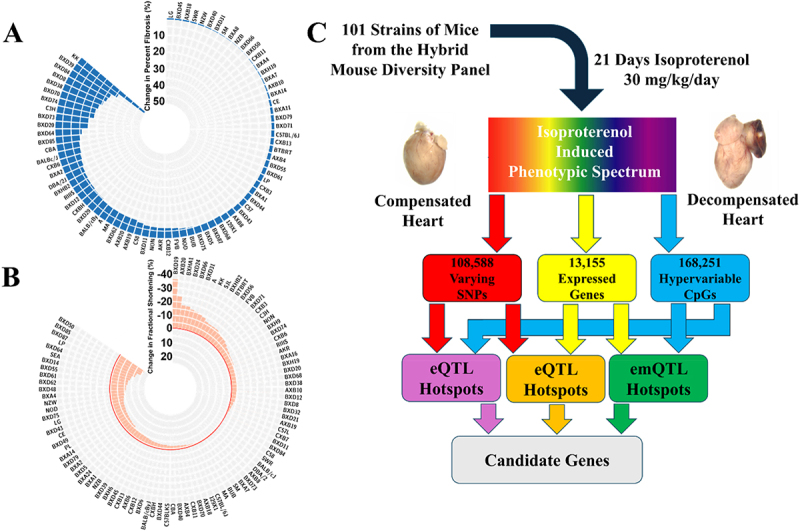 Figure 1
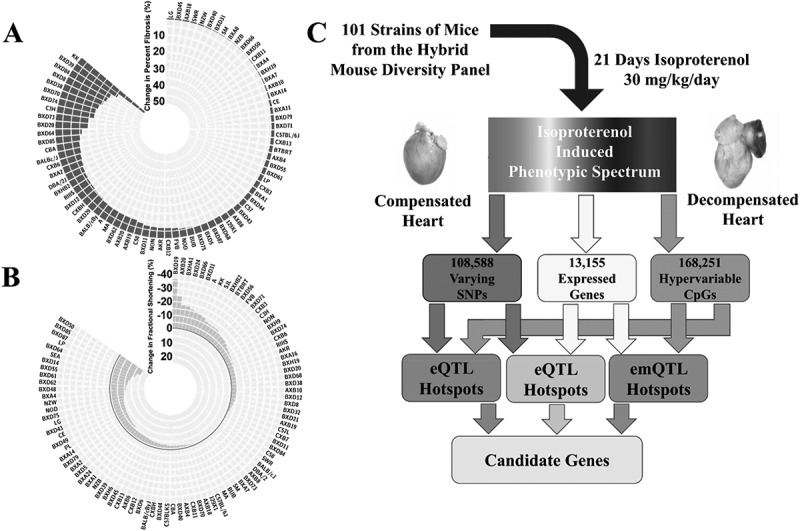 Figure 2
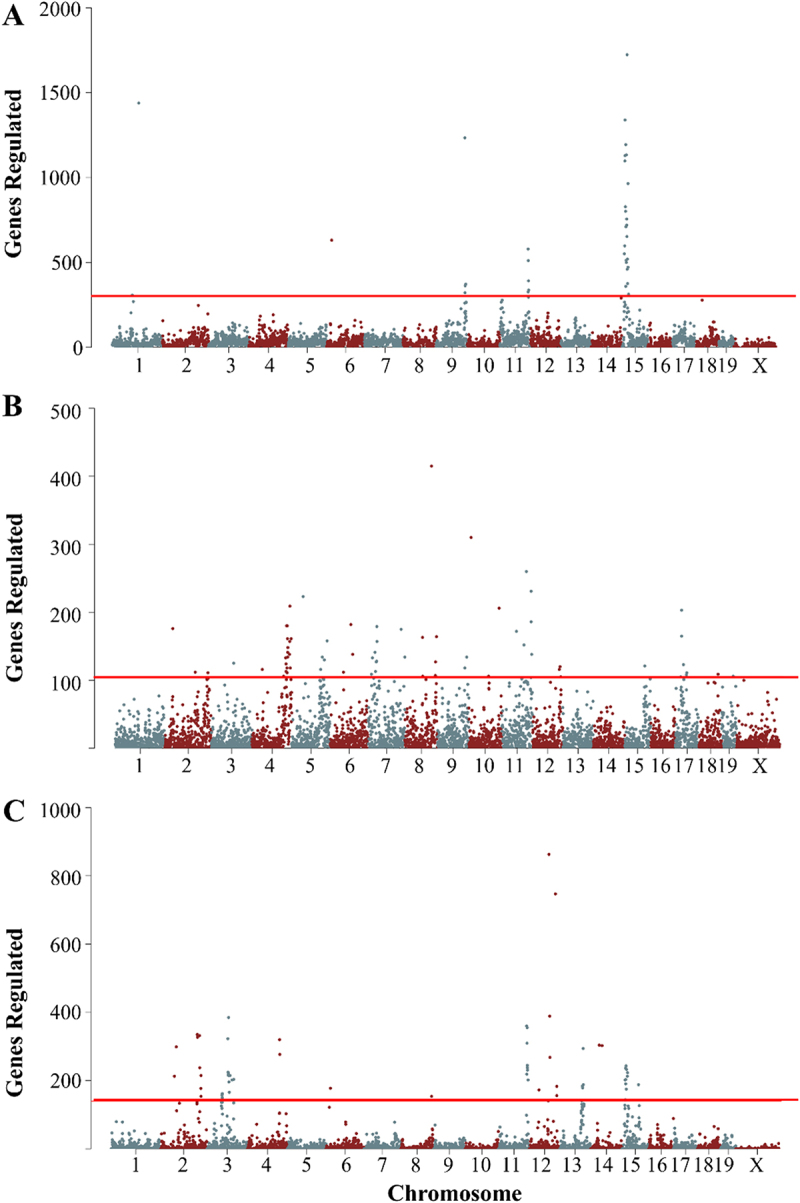 Figure 3
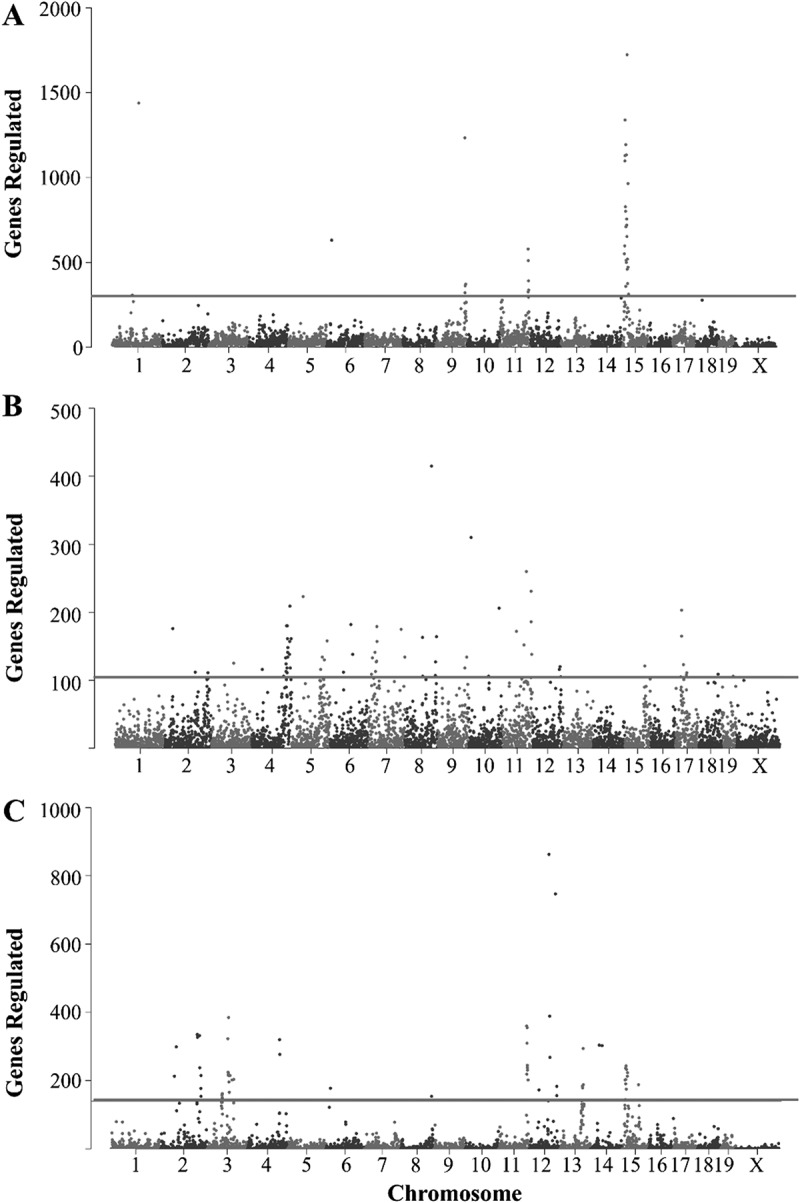 Figure 4
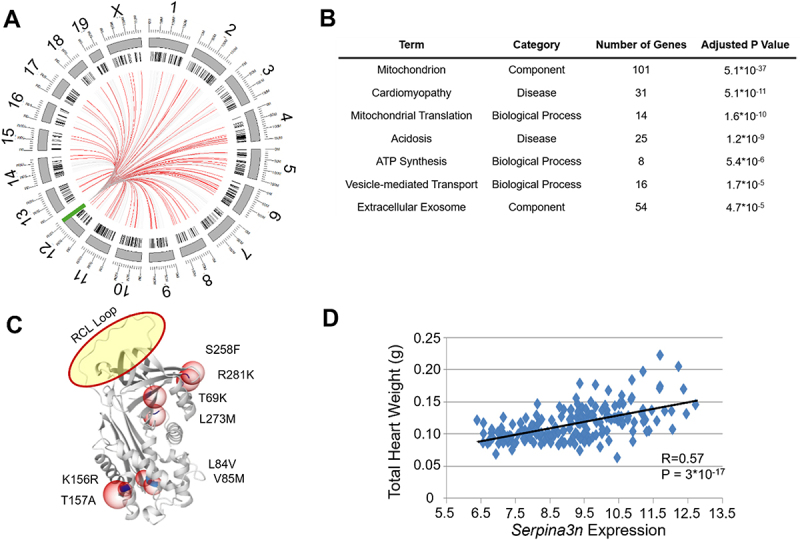 Figure 5
 Figure 6
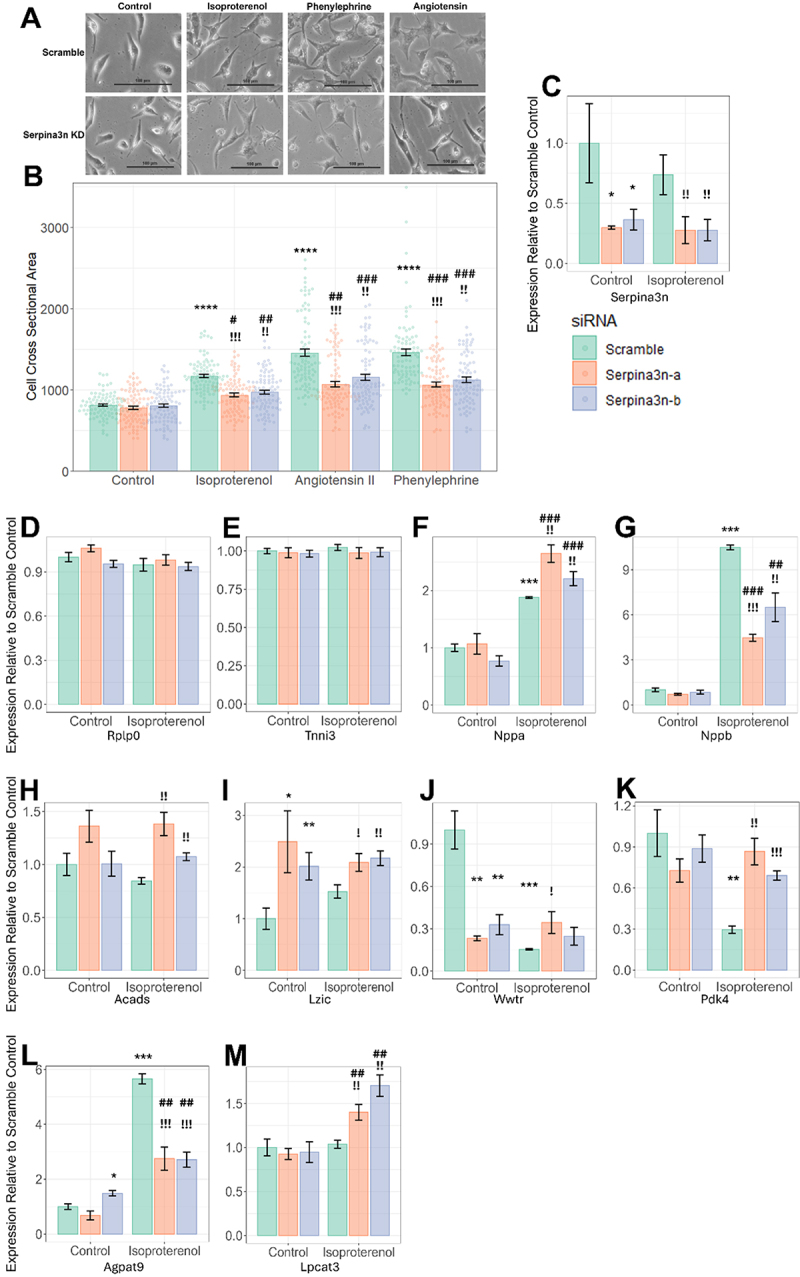 Figure 7
 Figure 8
 Figure 9
 Figure 10
 Figure 11
 Figure 12
 Figure 13
 Figure 14
 Figure 15
 Figure 16
 Figure 17
 Figure 18
 Figure 19
 Figure 20
 Figure 21
 Figure 22
 Figure 23
 Figure 24
 Figure 25
 Figure 26
 Figure 27
 Figure 28
 Figure 29
 Figure 30
 Figure 31
 Figure 32
 Figure 33
Peer Reviews
No public reviews on file for this paper yet. If you reviewed it on a platform where reviews are public (OpenReview, ICLR, NeurIPS, ICML), you can paste yours below so the community can read it here.
Videos
No videos yet. Explain this paper in a talk, walkthrough, or lecture? Add one.
Taxonomy
TopicsCardiac Fibrosis and Remodeling · Congenital heart defects research · Heart Failure Treatment and Management