LncRNA Dlx4os drives malignant transformation and phenotype switching in melanoma
Ana Luisa Pedroso Ayub, Beatriz Cristina Biz Tonin, Hátylas Azevedo, Pedro Henrique Fogaça Jordão, Tanvi Saxena, Leinal Sejour, Jeremie Nsengimana, Ioannis Vlachos, Eduardo Moraes Reis, Frank John Slack, Miriam Galvonas Jasiulionis

TL;DR
This study shows that the lncRNA Dlx4os promotes melanoma aggressiveness and plasticity, making it a potential target for treatment.
Contribution
The study identifies Dlx4os as a novel lncRNA regulator of melanoma phenotypic switching and malignant transformation.
Findings
Dlx4os knockdown reduces melanoma cell invasiveness and promotes a differentiated phenotype.
Dlx4os regulates key phenotypic state markers like Sox10, Mitf, and Tgfβ.
A human orthologue of Dlx4os was identified, suggesting translational potential.
Abstract
Cutaneous melanoma, a highly aggressive and therapy-resistant skin cancer, is characterized by its remarkable cellular plasticity, enabling tumour cells to switch between different phenotypic states. This plasticity contributes to tumour heterogeneity and is regulated by key transcription factors. Long non-coding RNAs (lncRNAs) are emerging as crucial regulators in melanoma progression, yet much remains to be explored regarding their role in phenotype switching. In this study, we analysed long non-coding RNAs (lncRNAs) across different murine melanoma cell lines, identifying a set of lncRNAs potentially involved in regulating melanoma phenotypic state through cis-regulation of neighbouring protein-coding genes. We demonstrated that the lncRNA Dlx4os regulates genes associated with melanoma plasticity, favouring a mesenchymal-like, undifferentiated state. Dlx4os knockdown redirected…
Genes, proteins, chemicals, diseases, species, mutations and cell lines named across the full text — each resolved to its canonical identifier and authoritative record.
Click any figure to enlarge with its caption.
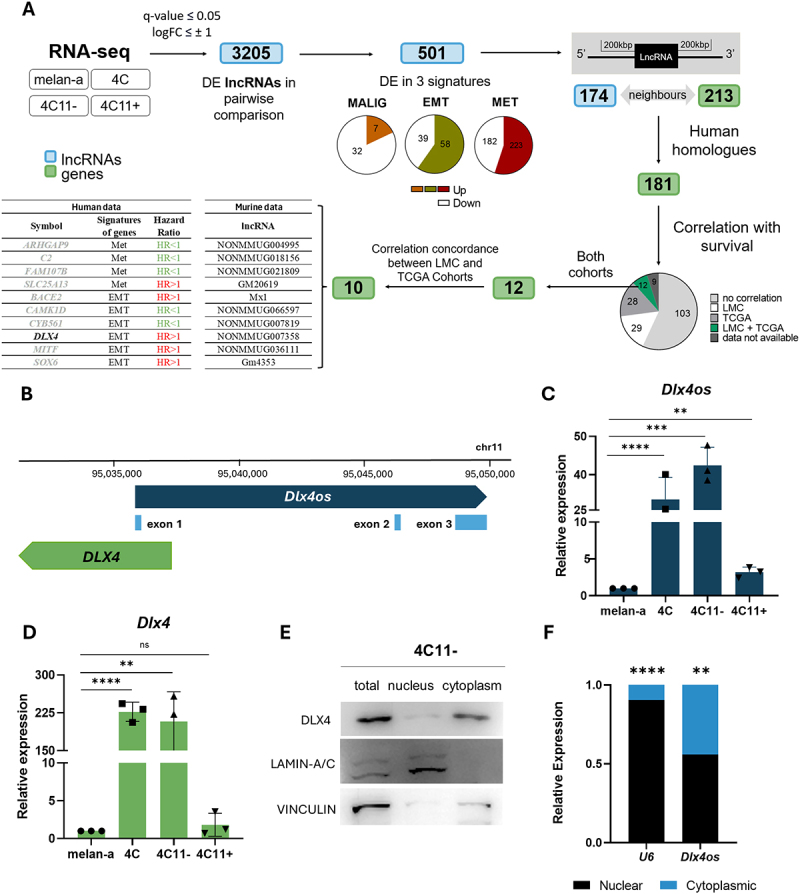 Figure 1
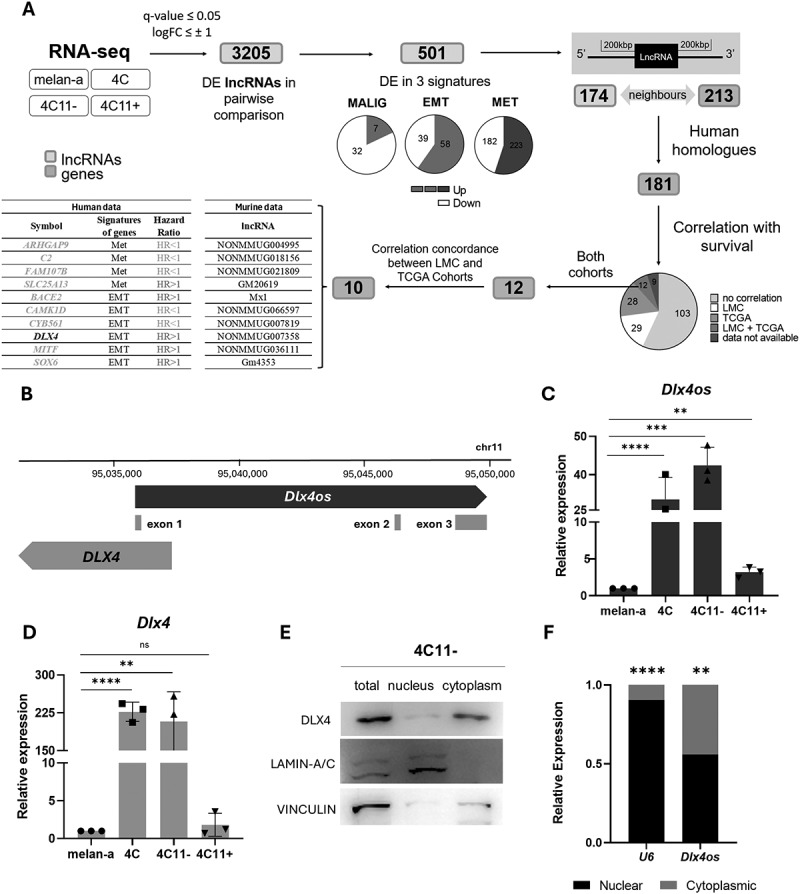 Figure 2
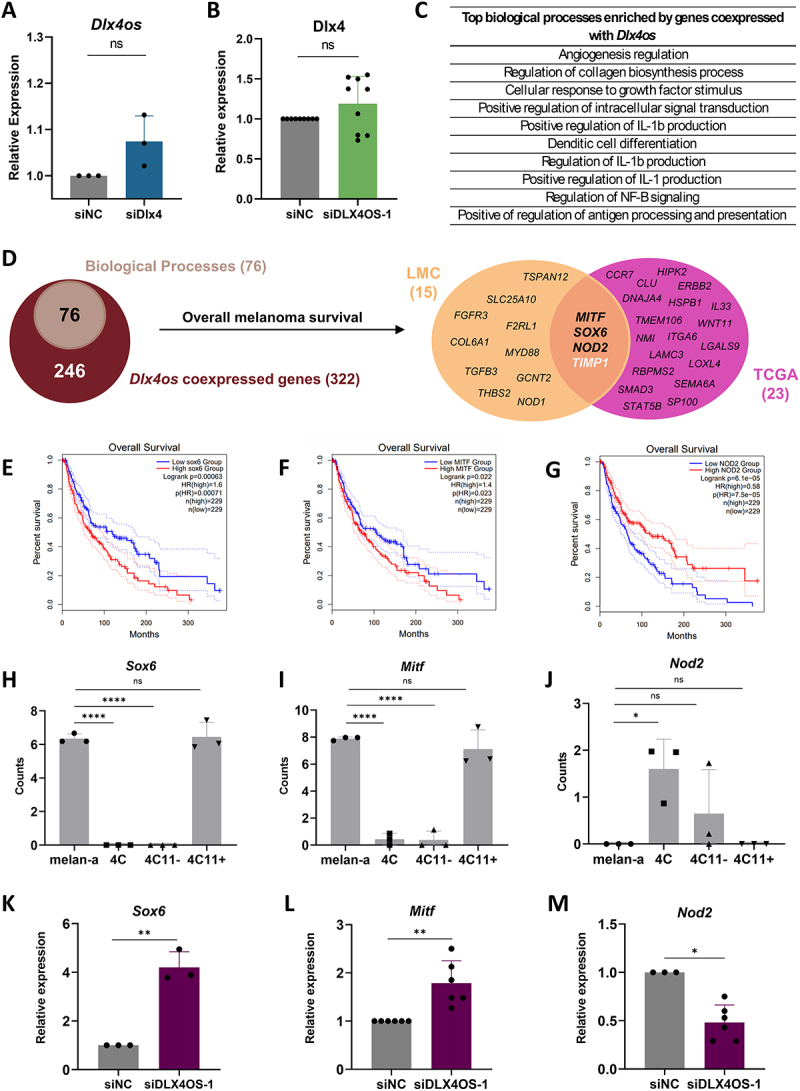 Figure 3
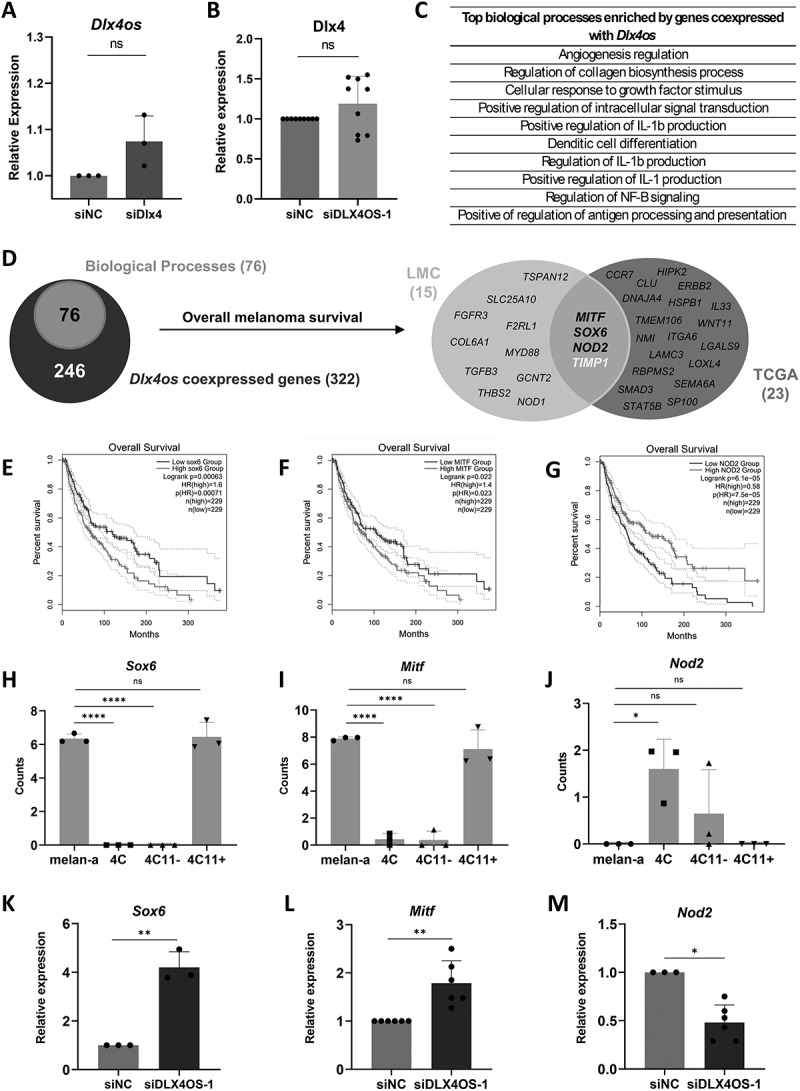 Figure 4
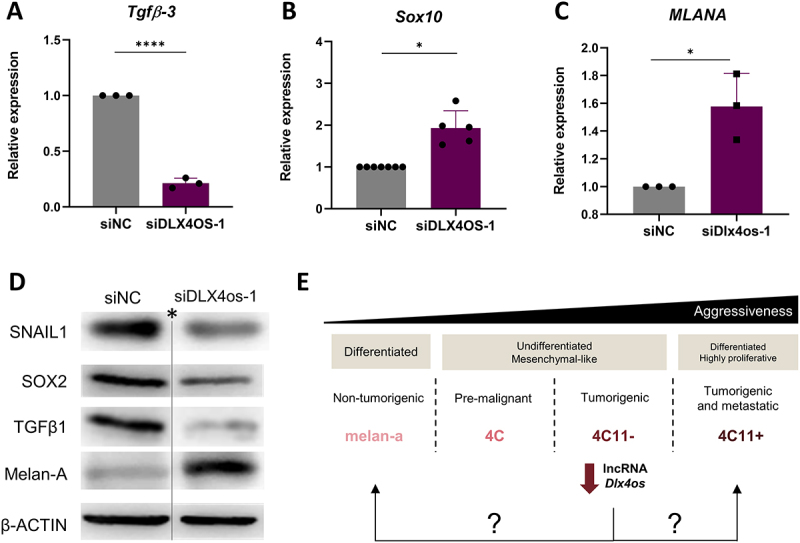 Figure 5
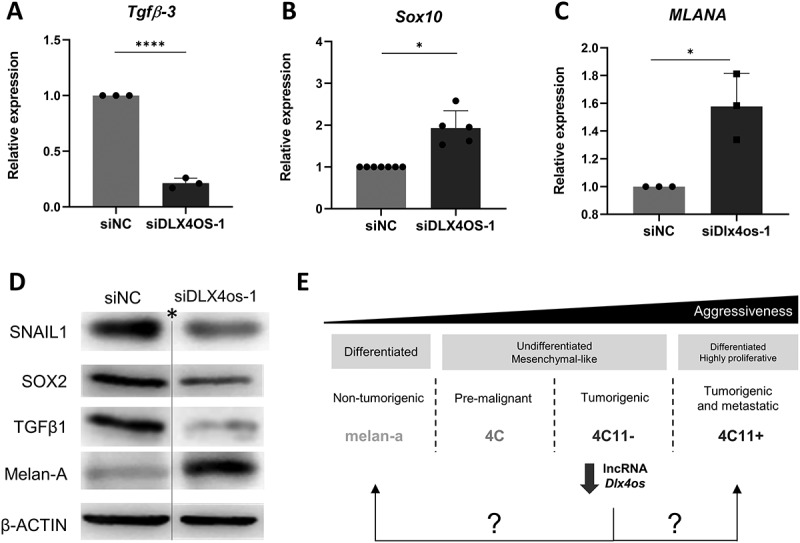 Figure 6
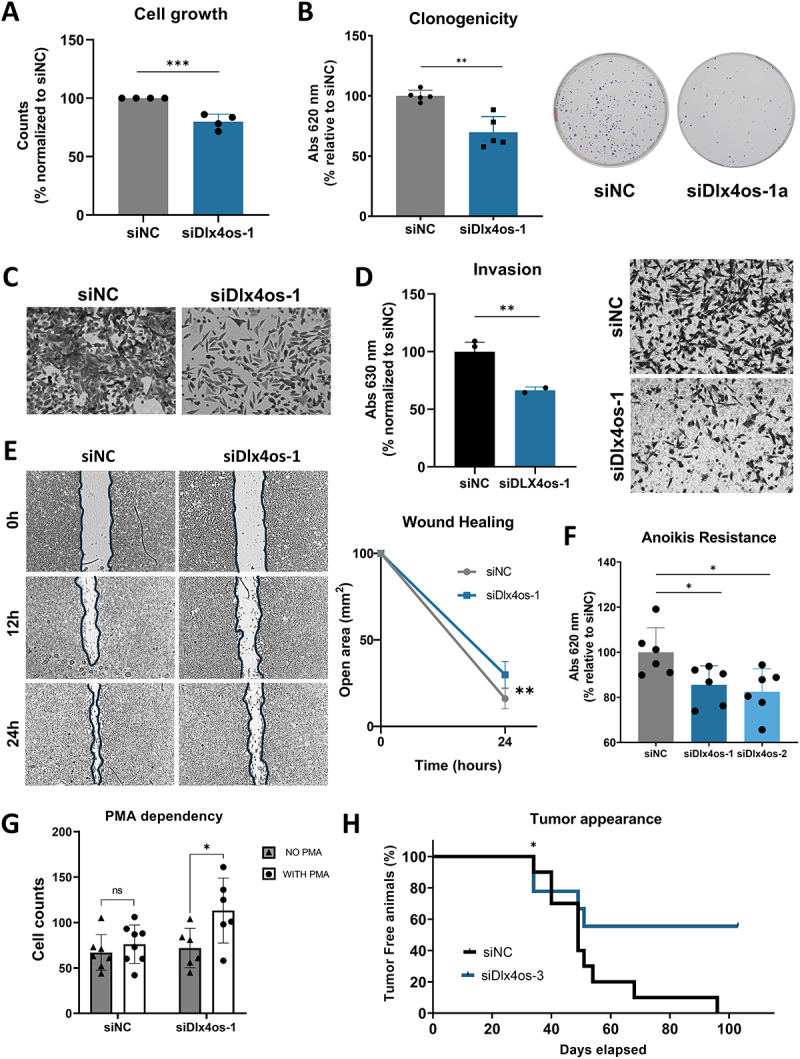 Figure 7
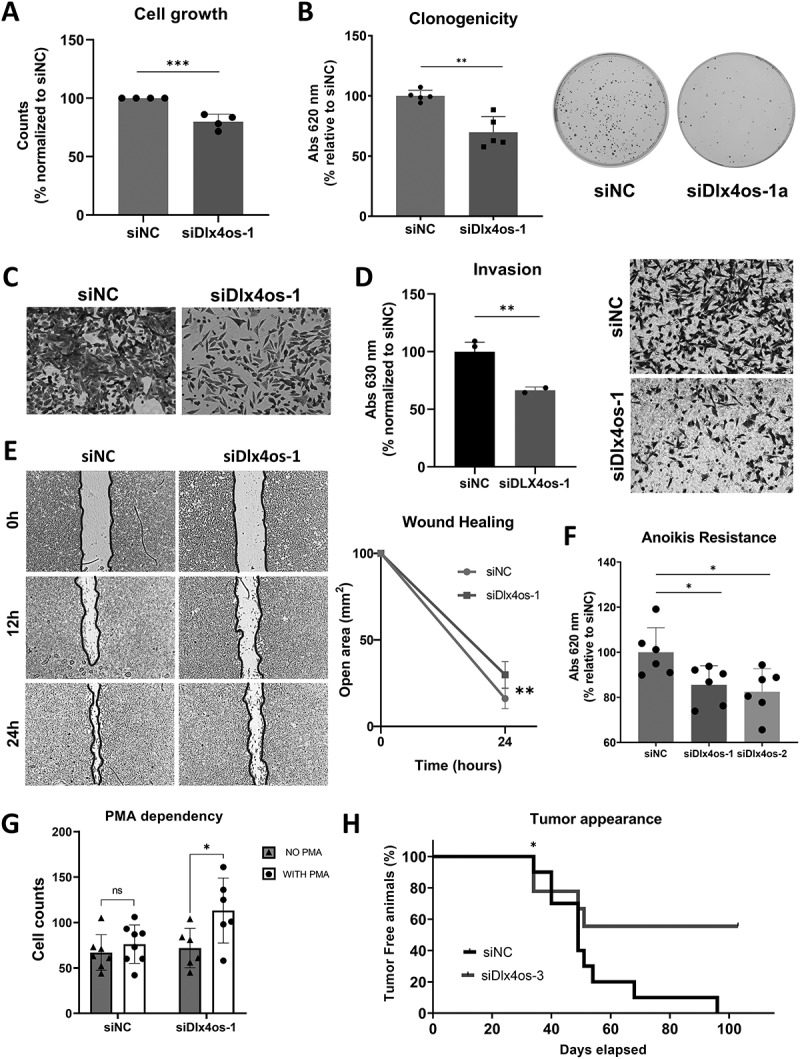 Figure 8
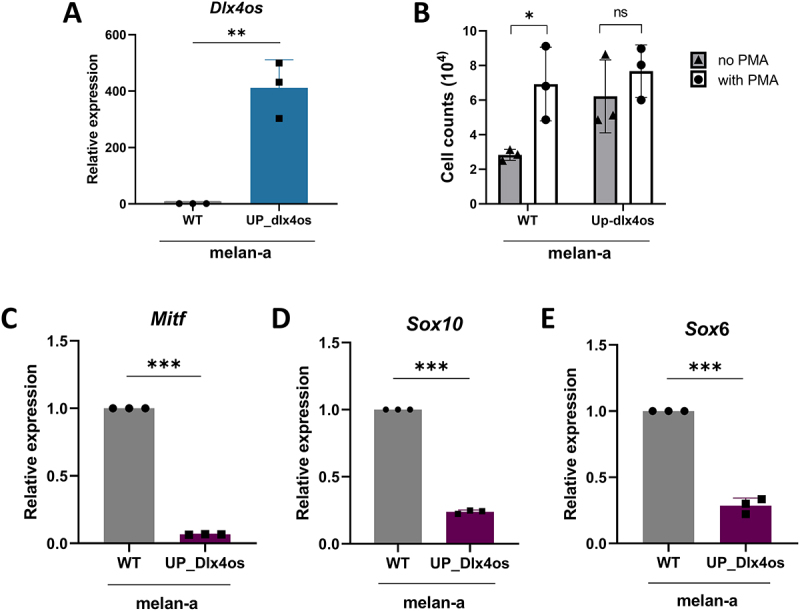 Figure 9
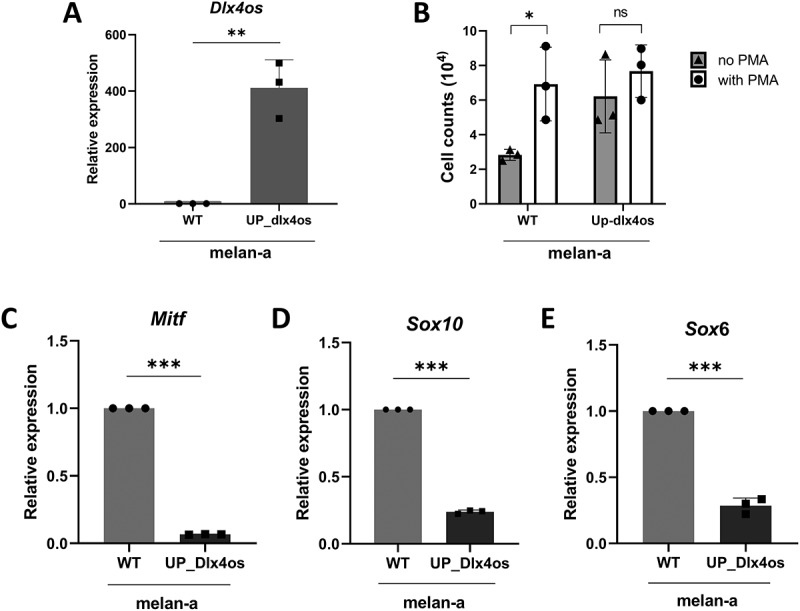 Figure 10
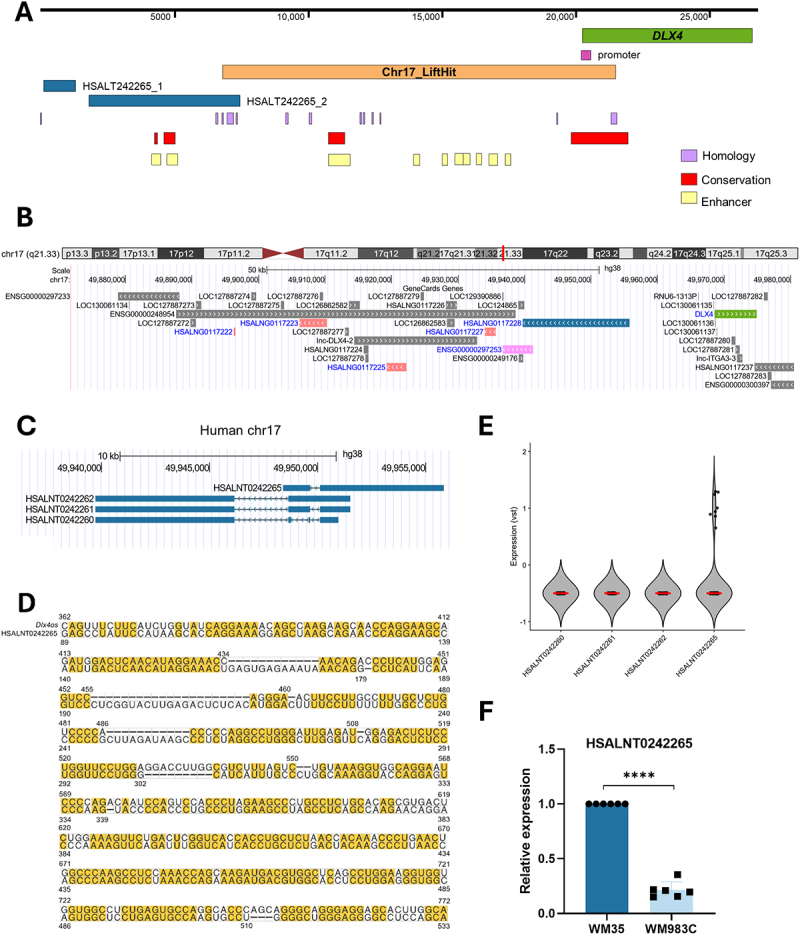 Figure 11
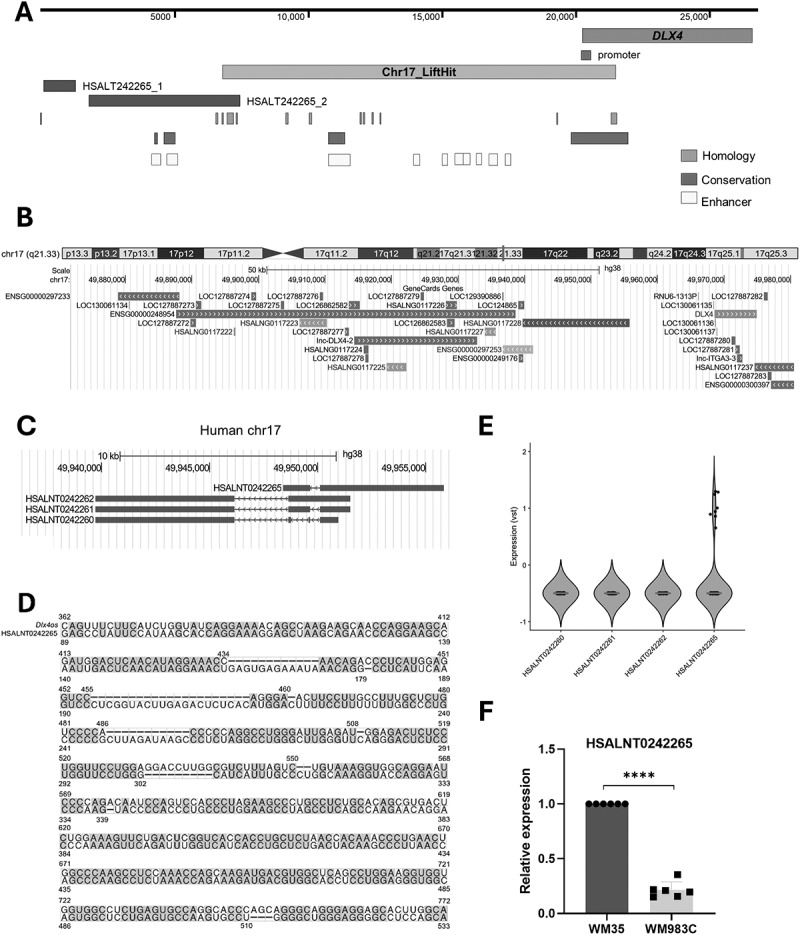 Figure 12
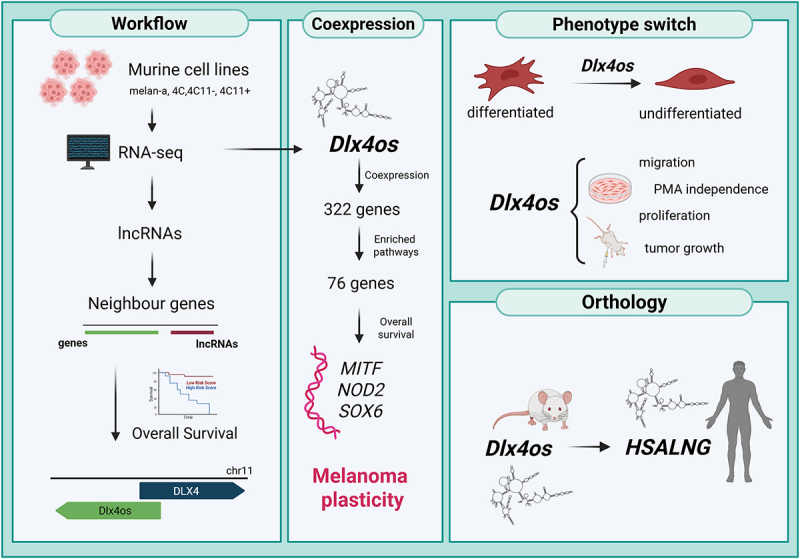 Figure 13
 Figure 14
Peer Reviews
No public reviews on file for this paper yet. If you reviewed it on a platform where reviews are public (OpenReview, ICLR, NeurIPS, ICML), you can paste yours below so the community can read it here.
Videos
No videos yet. Explain this paper in a talk, walkthrough, or lecture? Add one.
Taxonomy
TopicsCancer-related molecular mechanisms research · RNA regulation and disease · MicroRNA in disease regulation