Spatial and temporal risk mapping of human and porcine Taenia solium infections in Malawi: a systematic review and geostatistical approach
Nicholas Ngwili, Upile Kachepa, Salaviriuse Ahimbisibwe, Max Korir, Mercy Chavula, Catherine Wood, John Chiphwanya, Holystone Kafanikhale, Camille Glazer, Lazarus Juziwelo, Pemphero Munkhondia-Phiri, Janelisa Musaya, Lian Francesca Thomas, Matthew A. Dixon

TL;DR
This study maps the risk of Taenia solium infections in Malawi, identifying central and southern regions as high-risk areas needing targeted control efforts.
Contribution
The study provides the first geospatial and temporal risk mapping of T. solium infections in Malawi using multiple data sources.
Findings
High pig density and poverty are linked to T. solium risk in central and southern Malawi.
PCC rates varied significantly across regions, with Mzuzu and Salima ADDs showing the highest rates.
Geospatial maps revealed declining risk in northern districts but persistent risk in central districts over time.
Abstract
Taenia solium, colloquially called the pork tapeworm, is a zoonotic parasite with a human definitive host and a porcine intermediate host. Humans can become an aberrant intermediate host due to accidental ingestion of parasite eggs from the environment or through autoinfection, resulting in human cysticercosis (HCC), or neurocysticercosis (NCC) if the central nervous system is infected. Pigs become infected with the larval stage, porcine cysticercosis (PCC), through the ingestion of parasite eggs shed by humans through defecation. Malawi has been classified as endemic for T. solium by the WHO based on the presence of key risk factors; however, the subnational distribution is not known. To ensure the appropriate resources are mobilized to support targeted future T. solium control measures in Malawi, there is a need to understand the variation in T. solium endemicity status across the…
Genes, proteins, chemicals, diseases, species, mutations and cell lines named across the full text — each resolved to its canonical identifier and authoritative record.
Click any figure to enlarge with its caption.
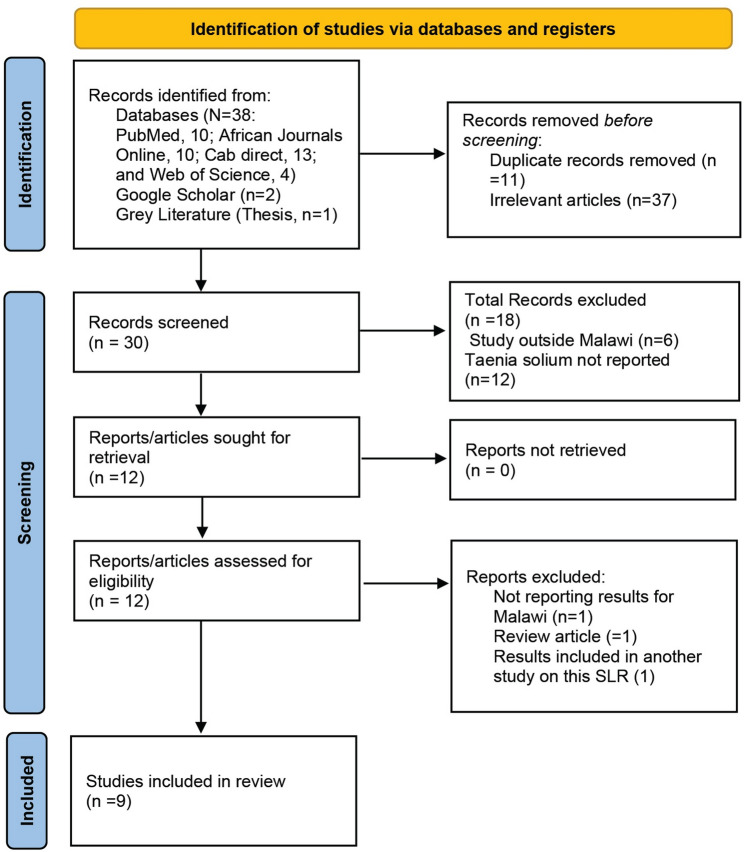 Figure 1
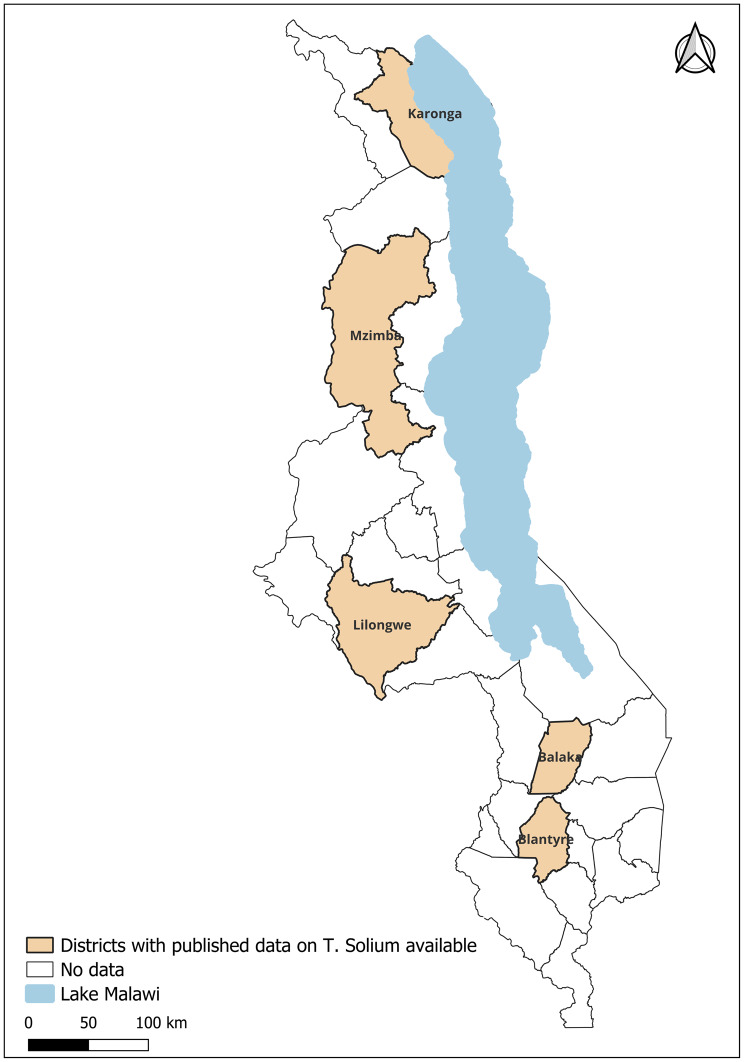 Figure 2
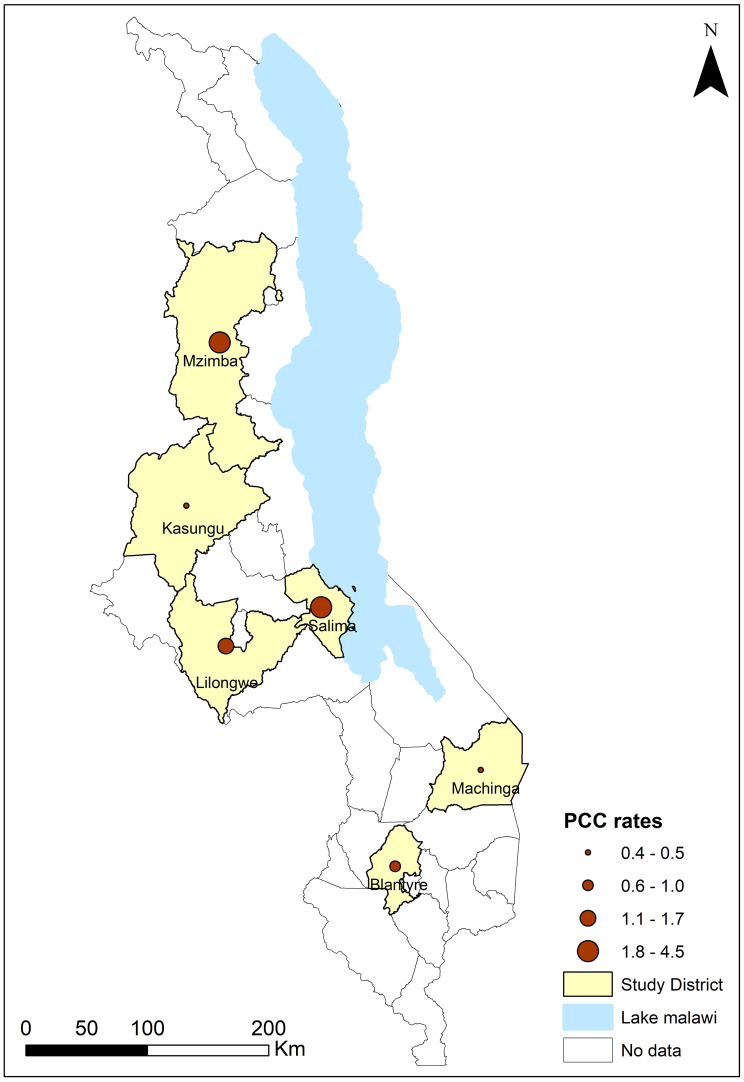 Figure 3
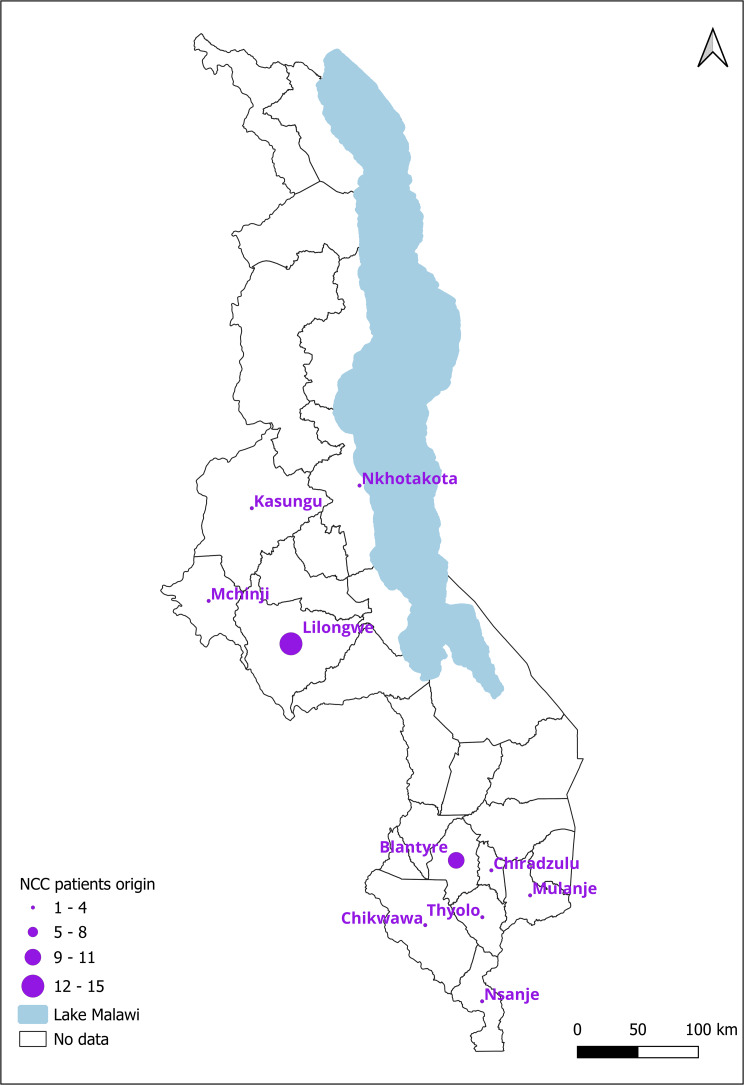 Figure 4
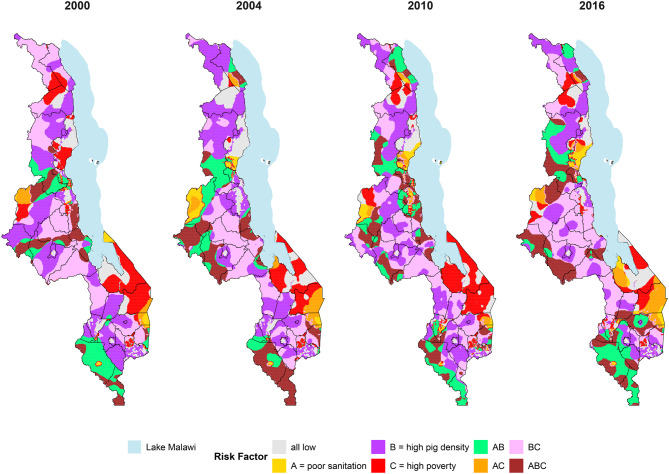 Figure 5
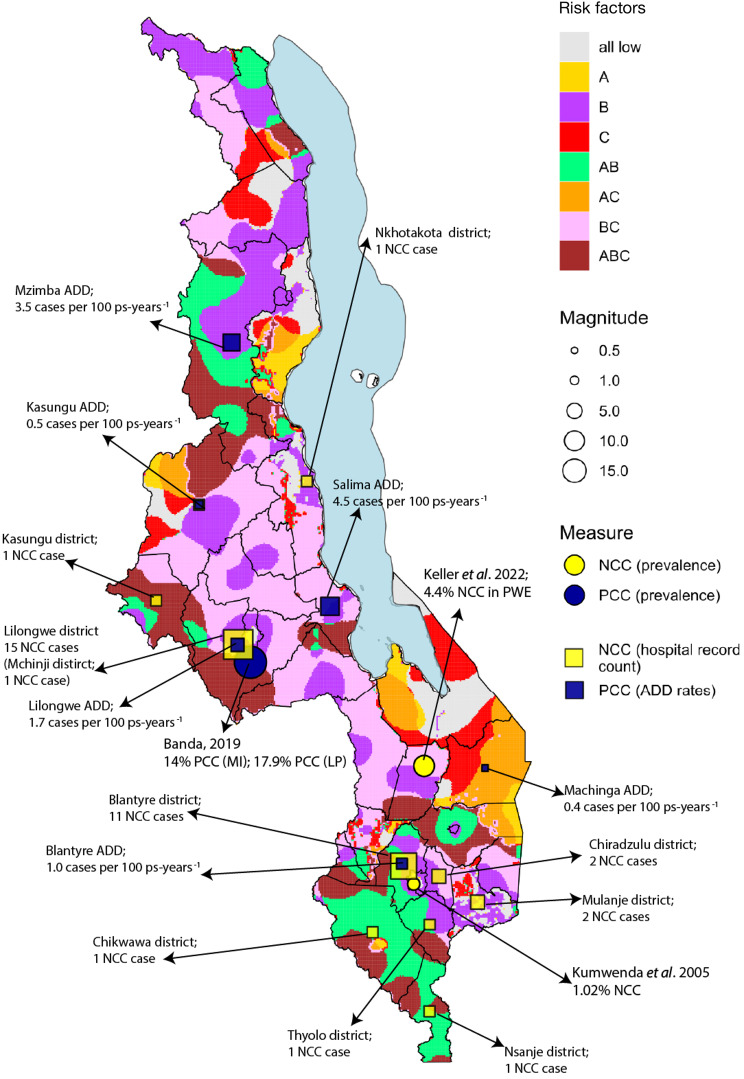 Figure 6
Peer Reviews
No public reviews on file for this paper yet. If you reviewed it on a platform where reviews are public (OpenReview, ICLR, NeurIPS, ICML), you can paste yours below so the community can read it here.
Videos
No videos yet. Explain this paper in a talk, walkthrough, or lecture? Add one.
Taxonomy
TopicsParasitic infections in humans and animals · Amoebic Infections and Treatments · Parasitic Infections and Diagnostics