Ecological contexts of diving behavior in Hawaiian false killer whales
Michaela A. Kratofil, Jacquelyn F. Shaff, Holly K. Hoffbauer, Mauricio Cantor, Marie C. Hill, Robin W. Baird

TL;DR
This study explores how environmental and biological factors influence the diving behavior of false killer whales in Hawaii, revealing patterns linked to ocean conditions and prey.
Contribution
The first comprehensive analysis of diving behavior in false killer whales, highlighting their variable patterns and ecological adaptability.
Findings
False killer whales frequently dive in the epipelagic zone and exhibit deep dives exceeding 1000 meters.
Dive depth and frequency are influenced by oceanographic variables like current magnitude and chlorophyll-a concentration.
Larger individuals tend to dive deeper, though with significant variation across demographic groups.
Abstract
Predator movements vary across different ecological contexts, offering valuable insights into their foraging strategies. However, studying these contexts in marine predators is challenging due to the difficulty of observing them and their prey over sufficient spatiotemporal scales. Using bio-loggers and detailed life history information, we investigated abiotic and biotic factors shaping the diving behavior of a highly social apex predator—the false killer whale (Pseudorca crassidens)—around the Hawaiian Archipelago where three partially sympatric, genetically differentiated populations coexist. We deployed time-depth recorders (n = 5) and depth-transmitting satellite tags (n = 16) on false killer whales between 1999 and 2025 to describe diving at multiple spatiotemporal scales and ecological contexts. We fit generalized additive mixed-effects models to examine relationships between…
Genes, proteins, chemicals, diseases, species, mutations and cell lines named across the full text — each resolved to its canonical identifier and authoritative record.
Click any figure to enlarge with its caption.
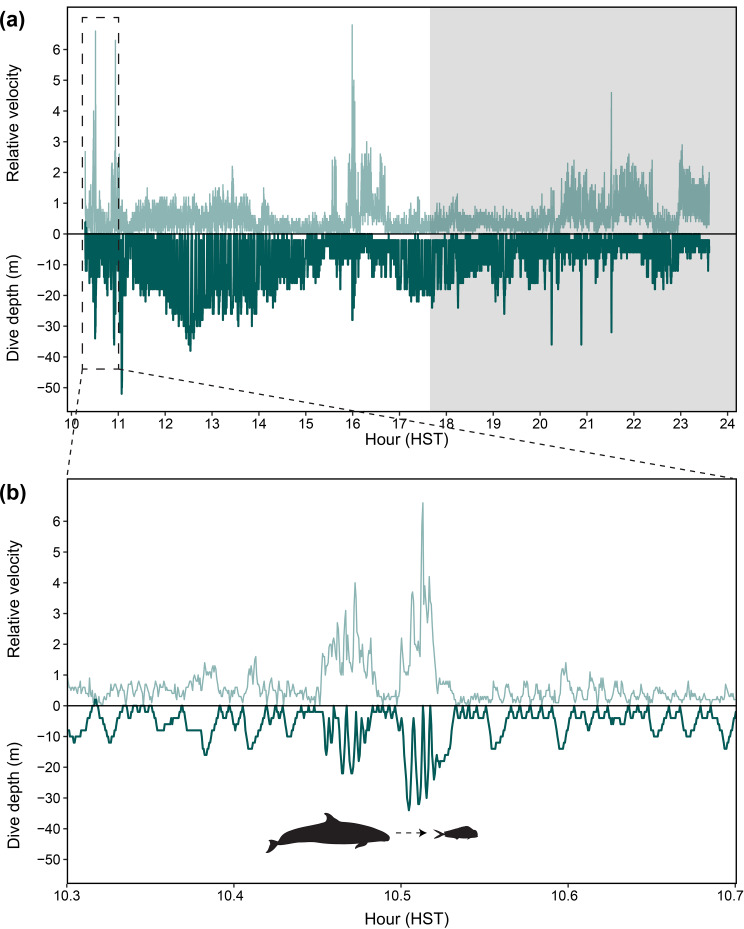 Figure 1
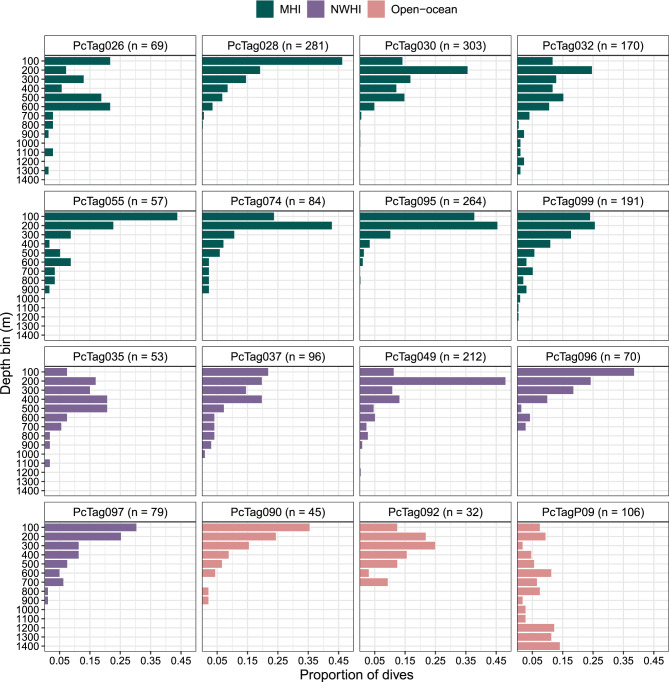 Figure 2
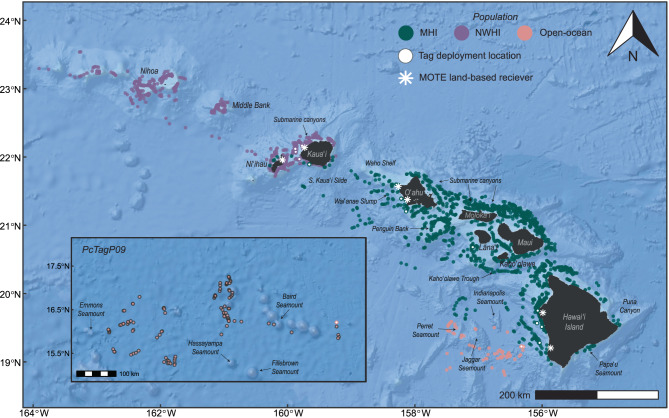 Figure 3
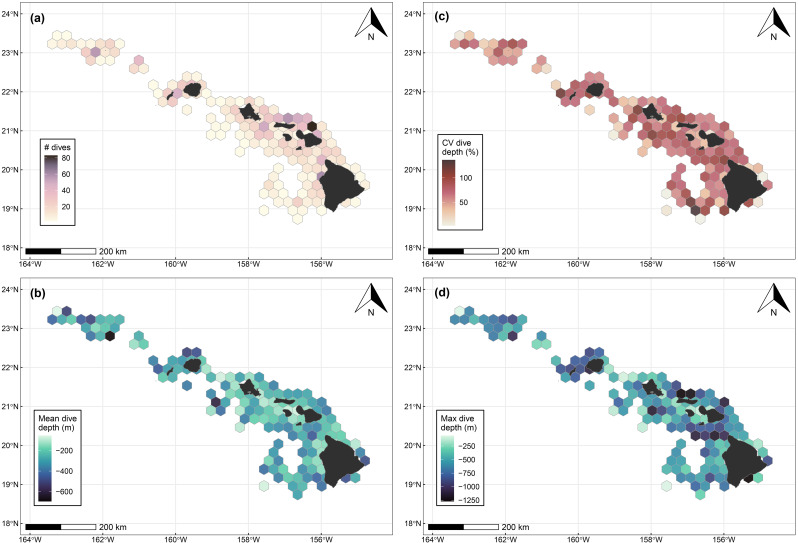 Figure 4
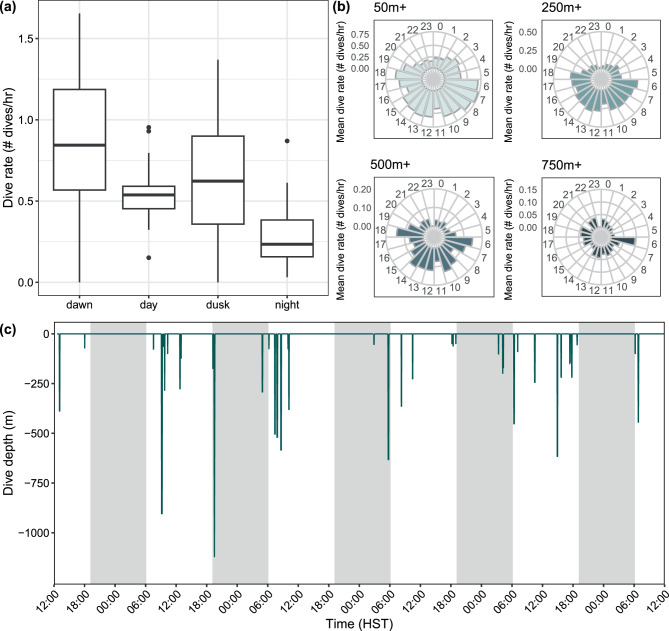 Figure 5
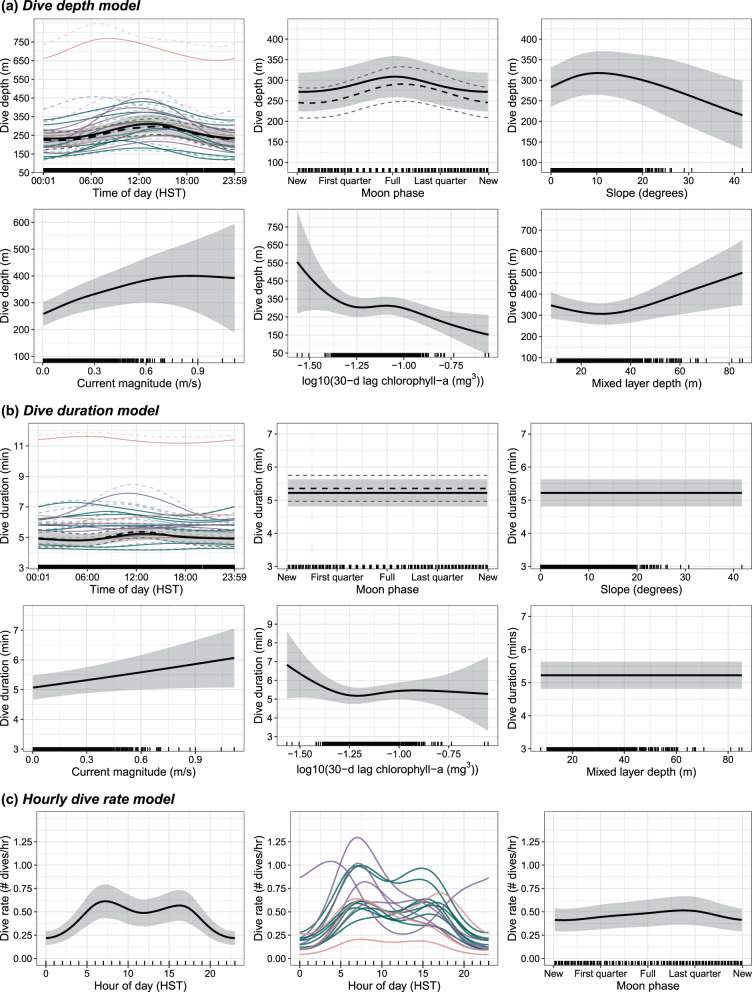 Figure 6
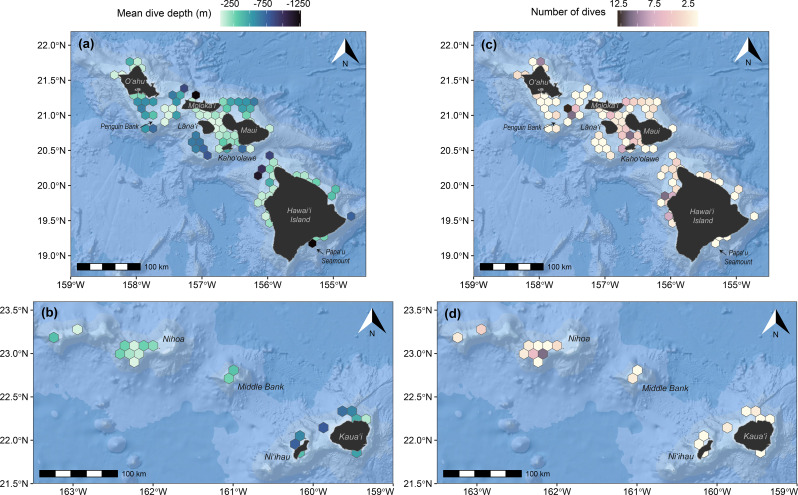 Figure 7
Peer Reviews
No public reviews on file for this paper yet. If you reviewed it on a platform where reviews are public (OpenReview, ICLR, NeurIPS, ICML), you can paste yours below so the community can read it here.
Videos
No videos yet. Explain this paper in a talk, walkthrough, or lecture? Add one.
Taxonomy
TopicsMarine animal studies overview · Ichthyology and Marine Biology · Animal Behavior and Reproduction